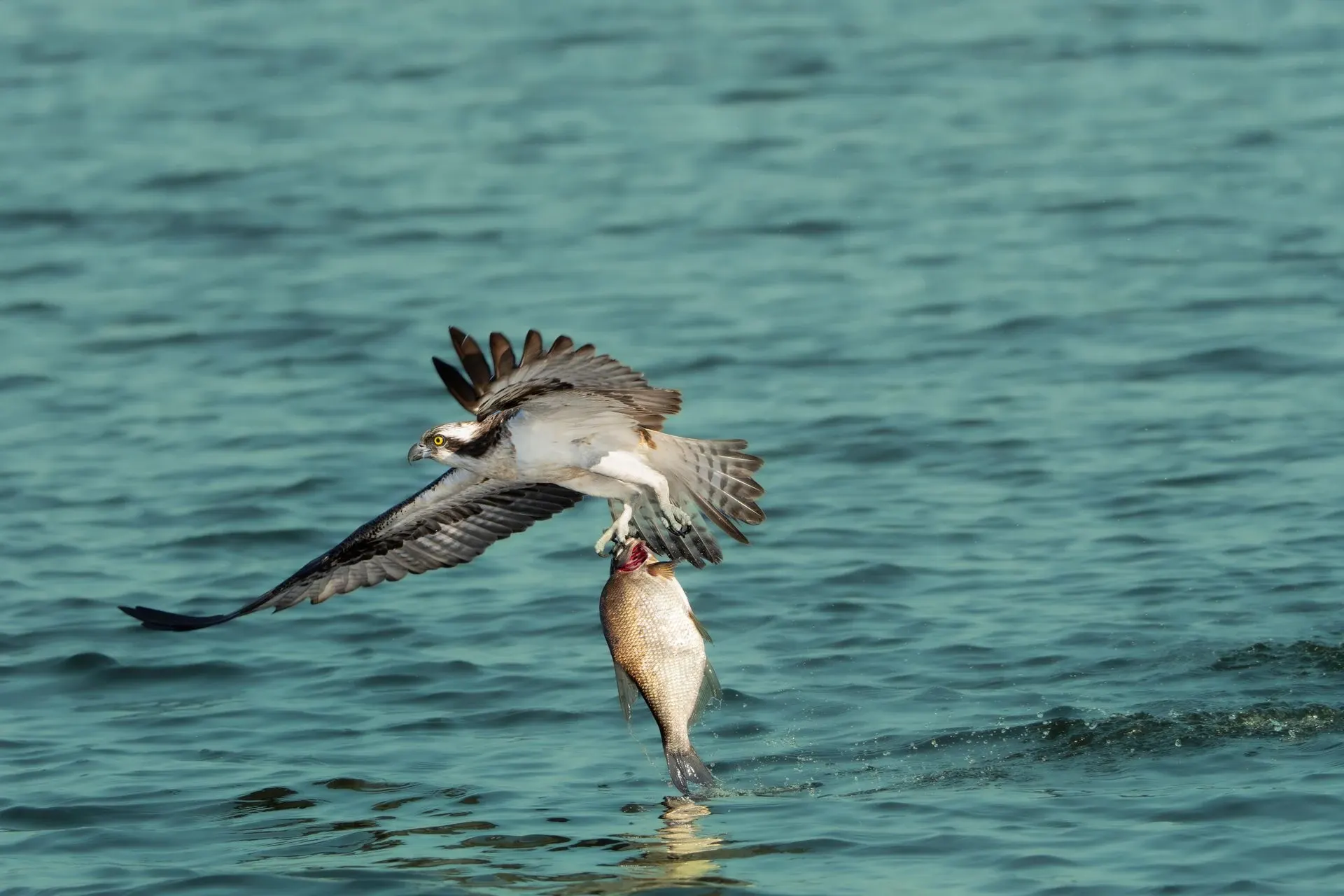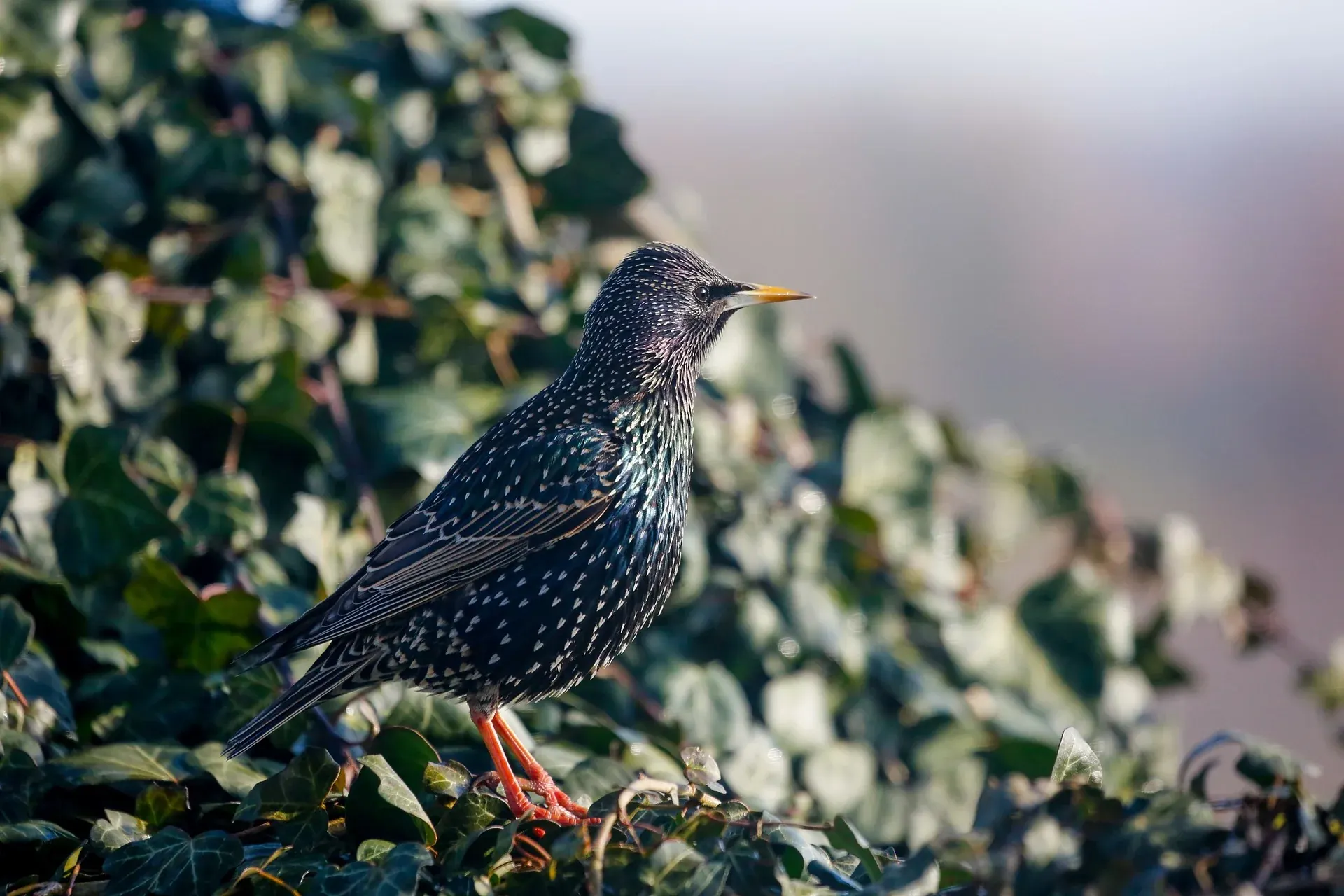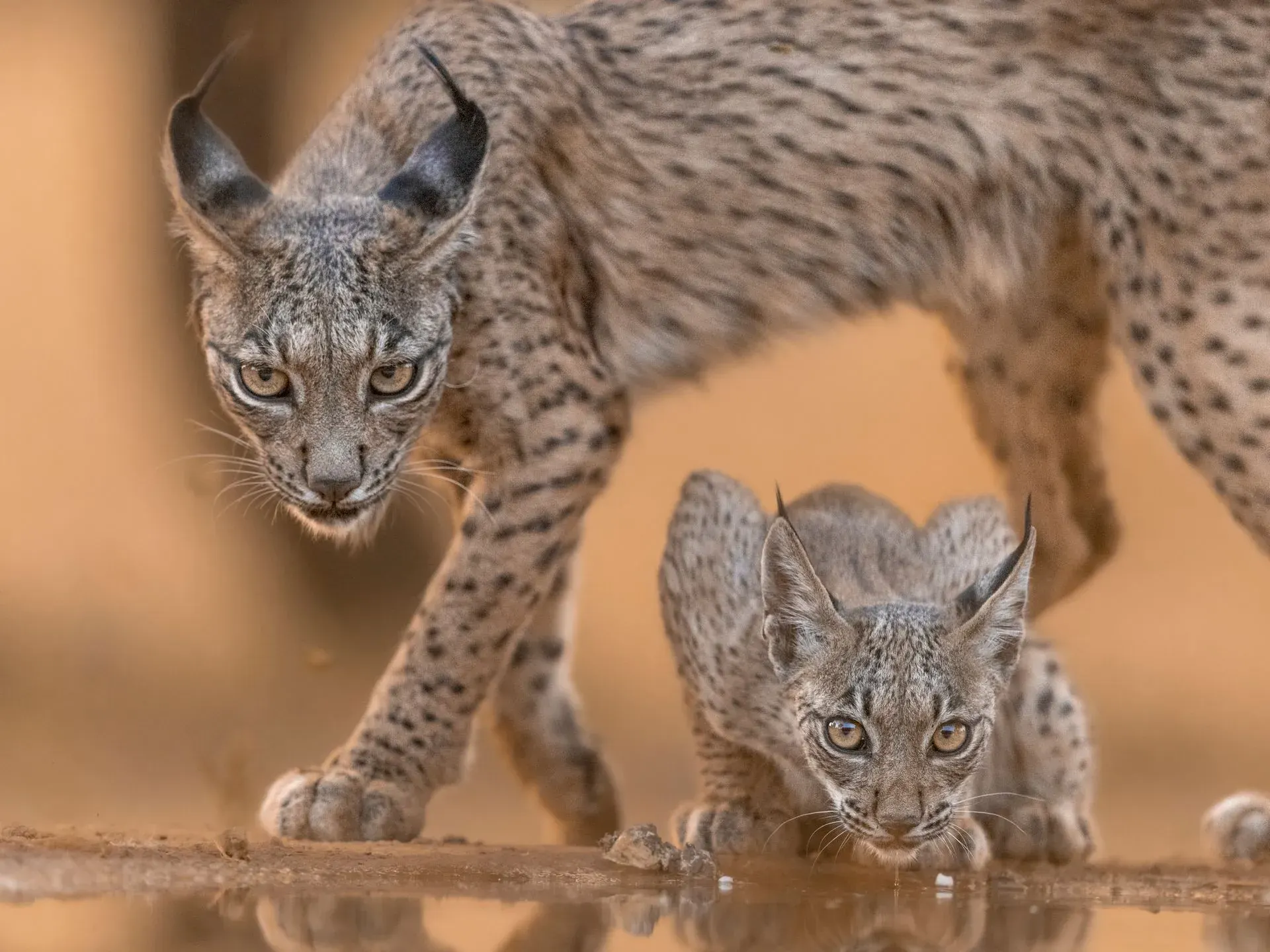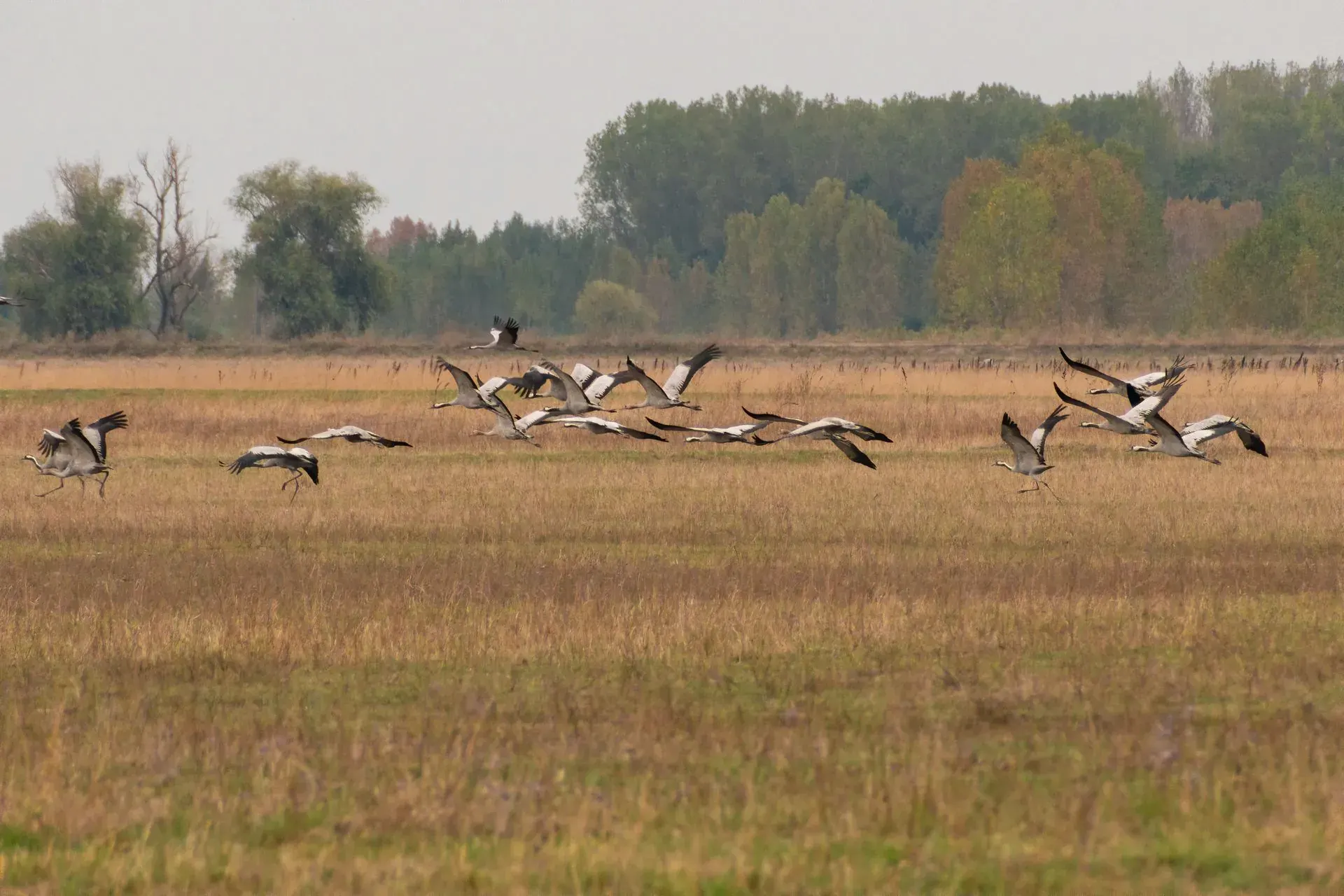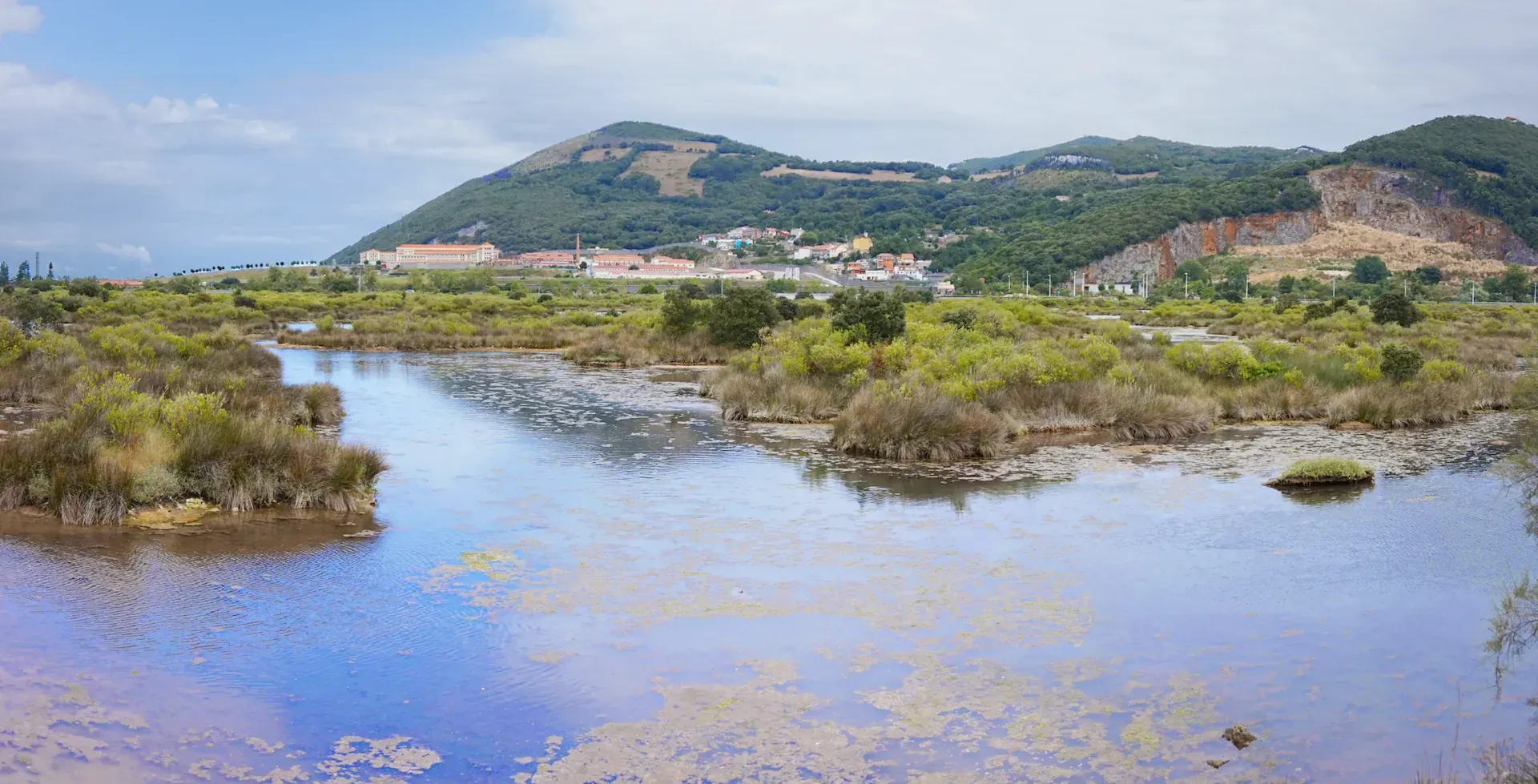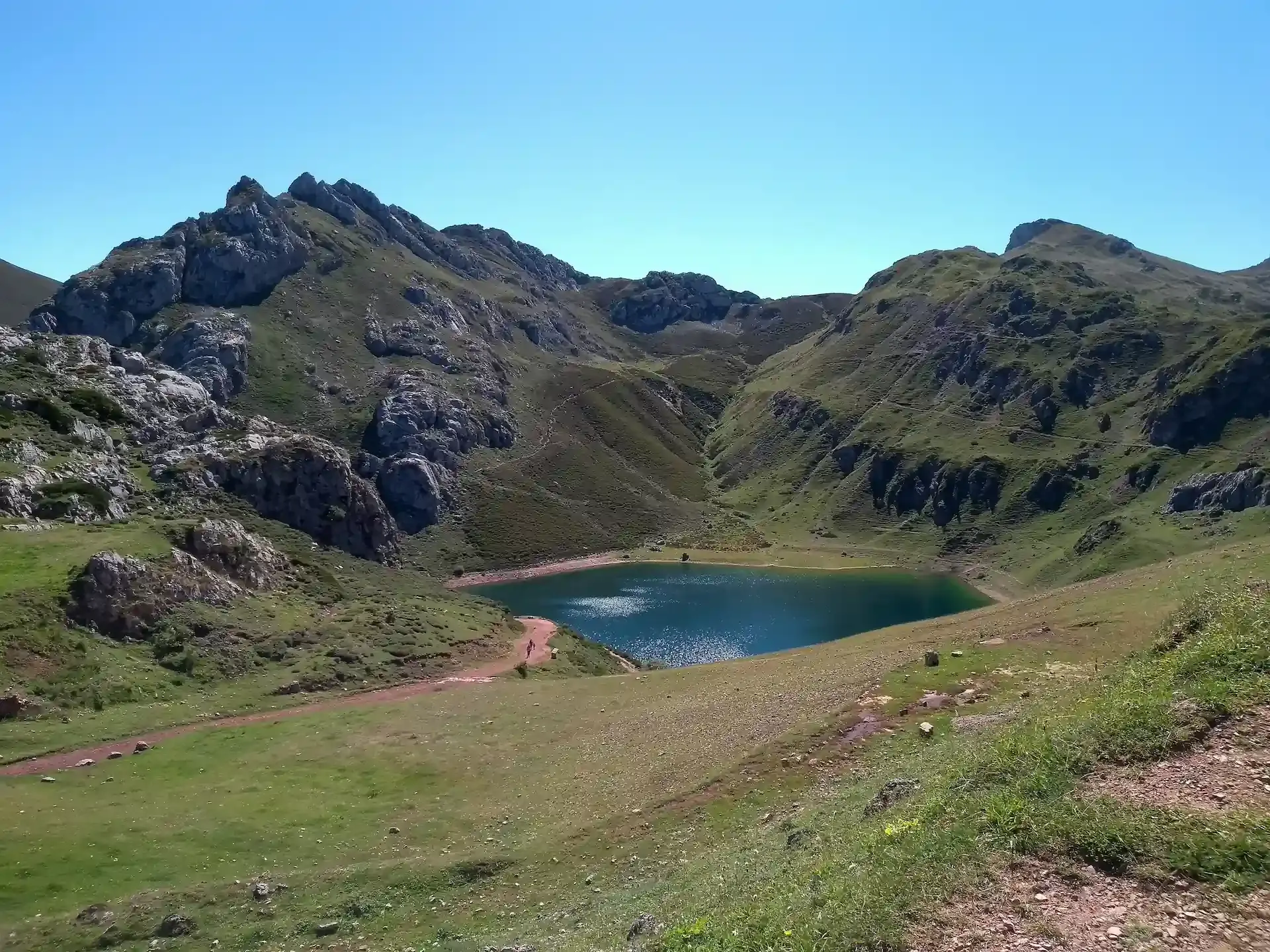
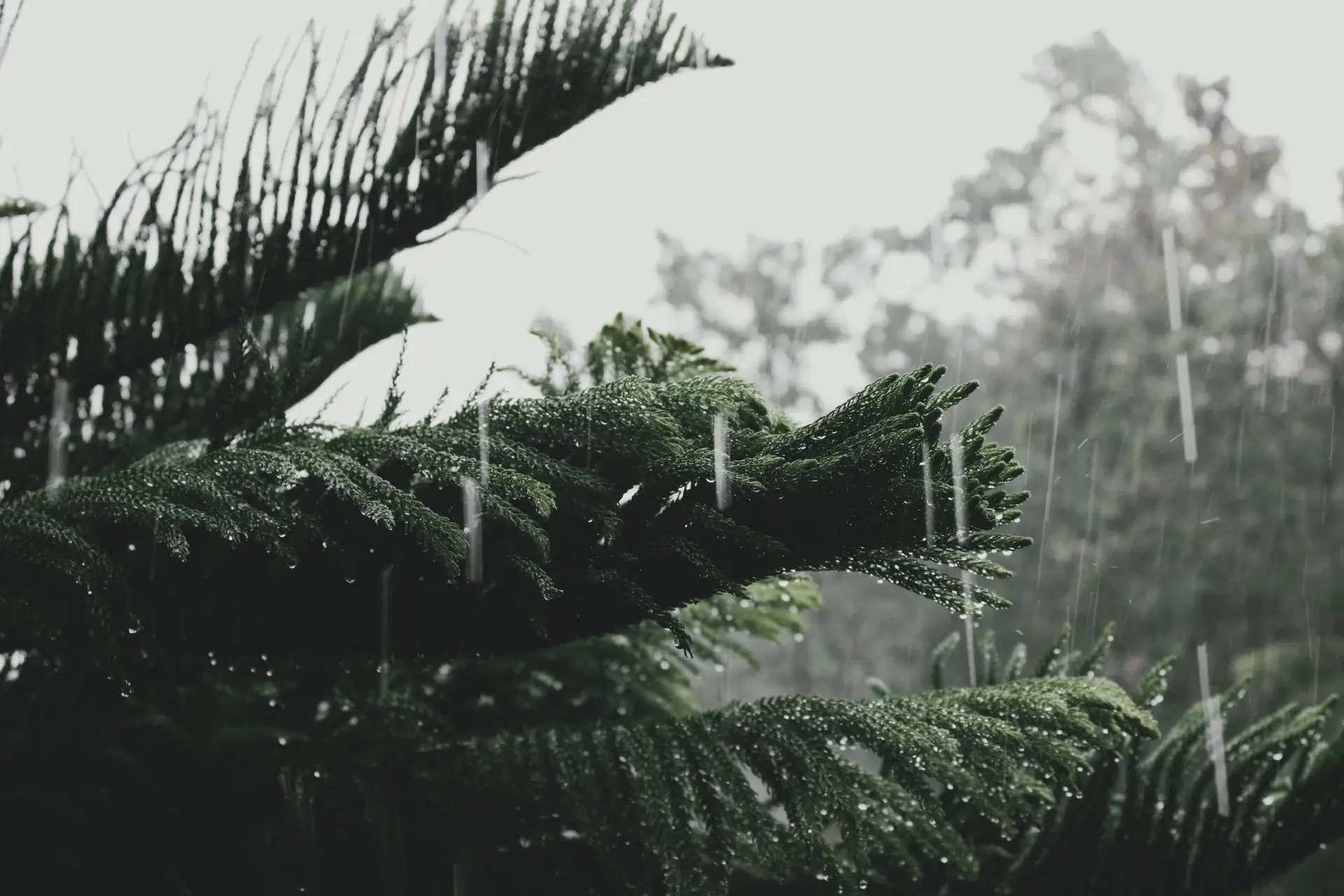
After the rain, nature seems to fill with animals that were nowhere to be seen before. Snails moving along paths, salamanders crossing the forest floor, earthworms emerging onto damp ground and toads approaching ponds are all part of a landscape that changes as soon as the rain begins.
But where do all these animals come from? Were they hiding, or does the rain trigger a change in their behaviour?
The answer is more interesting than it might seem. For some species, moisture makes movement easier and reduces the risk of dehydration, while for others, rainfall acts as a signal that can trigger breeding movements or create new opportunities to find food.
And although we often associate these encounters with spring, autumn is also a particularly interesting time to observe wildlife after rain in Spain, especially when the first showers arrive after weeks of dry weather.
From brightly coloured amphibians to small invertebrates that normally go unnoticed, let's explore some of the animals we can encounter when the ground becomes damp again and find out what really happens during these moments.
Why do more animals appear when it rains?
Rain transforms environmental conditions in a very short time. The ground becomes damp, humidity rises, temperatures change and small puddles may form, only to disappear a few days later.
For many animals, particularly those with permeable skin or that are vulnerable to dehydration, these conditions make activities possible that would be much more difficult on a dry day.
Amphibians are a good example. Their relationship with moisture is so important that some species take advantage of certain rainfall events to move between shelters, search for food or reach breeding sites.
Something similar happens with snails and slugs, which need humid environments to remain active and move without losing too much water. For earthworms, meanwhile, wet surfaces can make it easier to travel distances they would normally cover underground.
Other animals benefit indirectly from these changes. When more invertebrates become active or the soil becomes easier to explore, certain birds find new opportunities to feed.
However, not all animals become more active simply because it is raining. Rainfall intensity, temperature, season and the characteristics of each species can make a significant difference. In fact, some animals prefer to wait until the downpour has passed, while others remain hidden when the ground becomes too waterlogged.
1. Fire salamanders emerge from their shelters when humidity increases
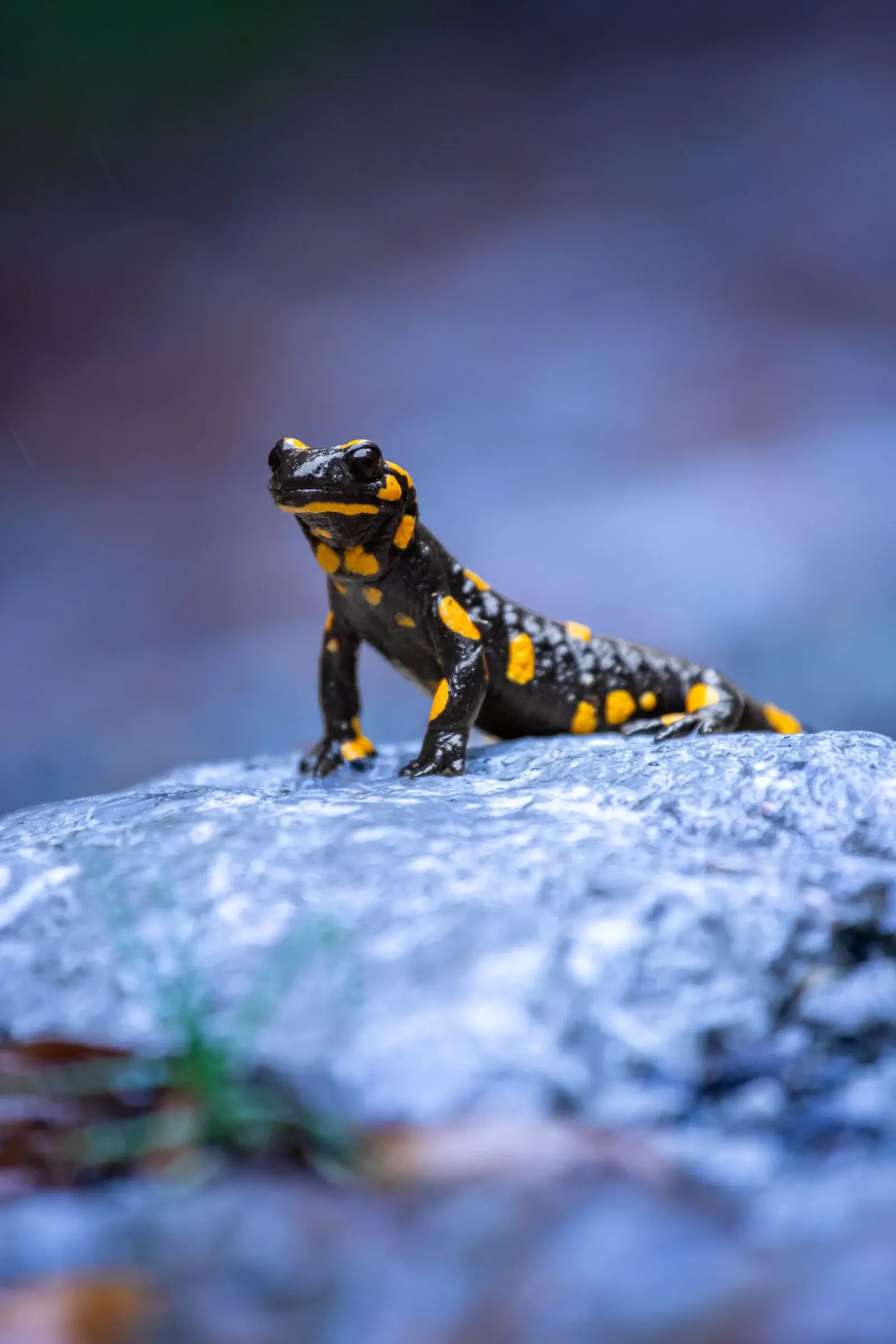
Fire salamander | Photo: Amel Uzunovic
Few encounters are quite as surprising on a damp night as finding a fire salamander (Salamandra salamandra) slowly making its way through leaves and moss.
Its black skin with yellow markings makes it one of the most recognisable amphibians in Spain, although its colours are not simply decorative. They serve as a warning signal to potential predators, as its skin contains defensive substances that can be irritating or unpleasant.
But why is it easier to find one when it rains?
Salamanders need to maintain suitable moisture levels and usually spend much of the day sheltering beneath leaf litter, among roots, in cavities or in other places protected from sunlight and drying out.
When humidity increases and temperatures are favourable, they can emerge from their hiding places to move around and search for small invertebrates, such as earthworms, slugs and insects.
Although they are mainly nocturnal, they can also be active during the day when conditions are cool and particularly humid.
In Spain, the fire salamander is mainly associated with deciduous and mixed woodlands, streams and shaded areas, although it can also inhabit other damp environments close to these woodlands.
It is distributed across much of northern Spain and several mountain ranges, from Galicia and the Cantabrian Mountains to the Pyrenees, the Central System and certain mountain areas in the south.
Interestingly, the first autumn rains can coincide with increased activity in different regions, particularly after warm, dry periods.
However, if you encounter a salamander, the best approach is to observe it without touching it. Its skin is delicate, handling can transmit pathogens between amphibians, and it does not need to be moved elsewhere simply because it is walking in the rain.
2. The natterjack toad can turn a temporary puddle into a breeding site
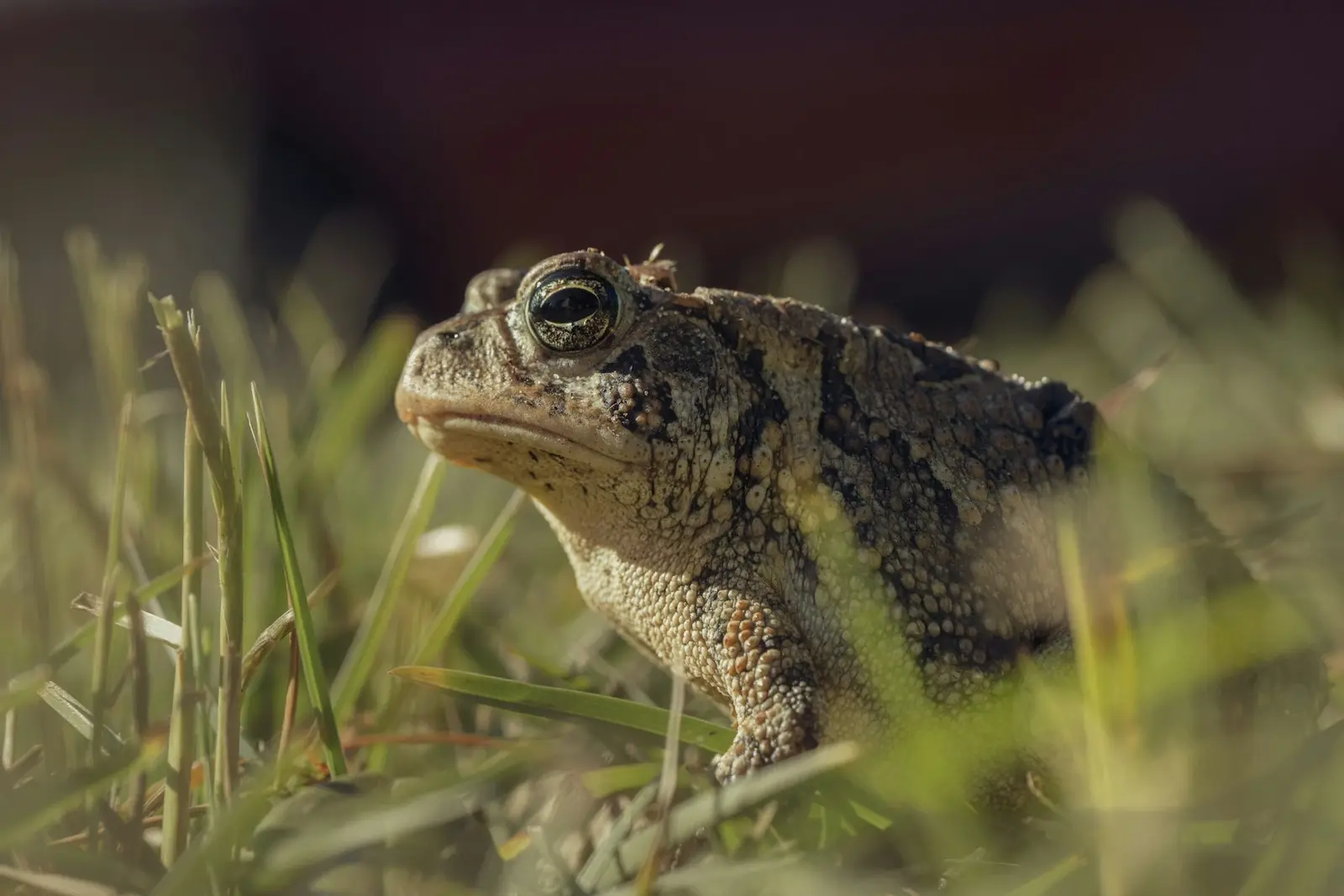
Natterjack toad | Photo: Dmytro Koplyk
For some amphibians, a good rainfall event does more than make movement easier. It can also create a place to breed.
The natterjack toad (Epidalea calamita) is one of the most interesting examples of this strategy, as it is particularly well adapted to using temporary bodies of water.
Unlike other amphibians that depend on relatively permanent ponds, it can breed in small pools created by rainfall, including shallow depressions in the ground and temporary ponds.
This offers an important advantage. Temporary pools may contain fewer aquatic predators than permanent bodies of water, although they also present an obvious risk: they can dry out before the tadpoles complete their development.
The connection between rainfall and reproduction is so strong that favourable conditions can trigger the arrival of males at breeding pools within a short period, resulting in gatherings of toads producing their characteristic calls during the night.
The natterjack toad's breeding season is closely linked to rainfall, although it varies by region. In southern Spain, the first eggs may appear after autumn rains or at the beginning of winter, while in more northerly or higher-altitude areas breeding usually takes place later, during spring or even early summer.
This is why we cannot say that all natterjack toads breed after every rainfall. What we can say is that certain rainfall events create opportunities that this species has evolved to exploit.
And there is another curious detail. Despite being a toad, this species is not particularly known for jumping, but rather for moving with a relatively quick running gait, using its short legs to travel across the ground.
3. Snails take advantage of moisture to become active again
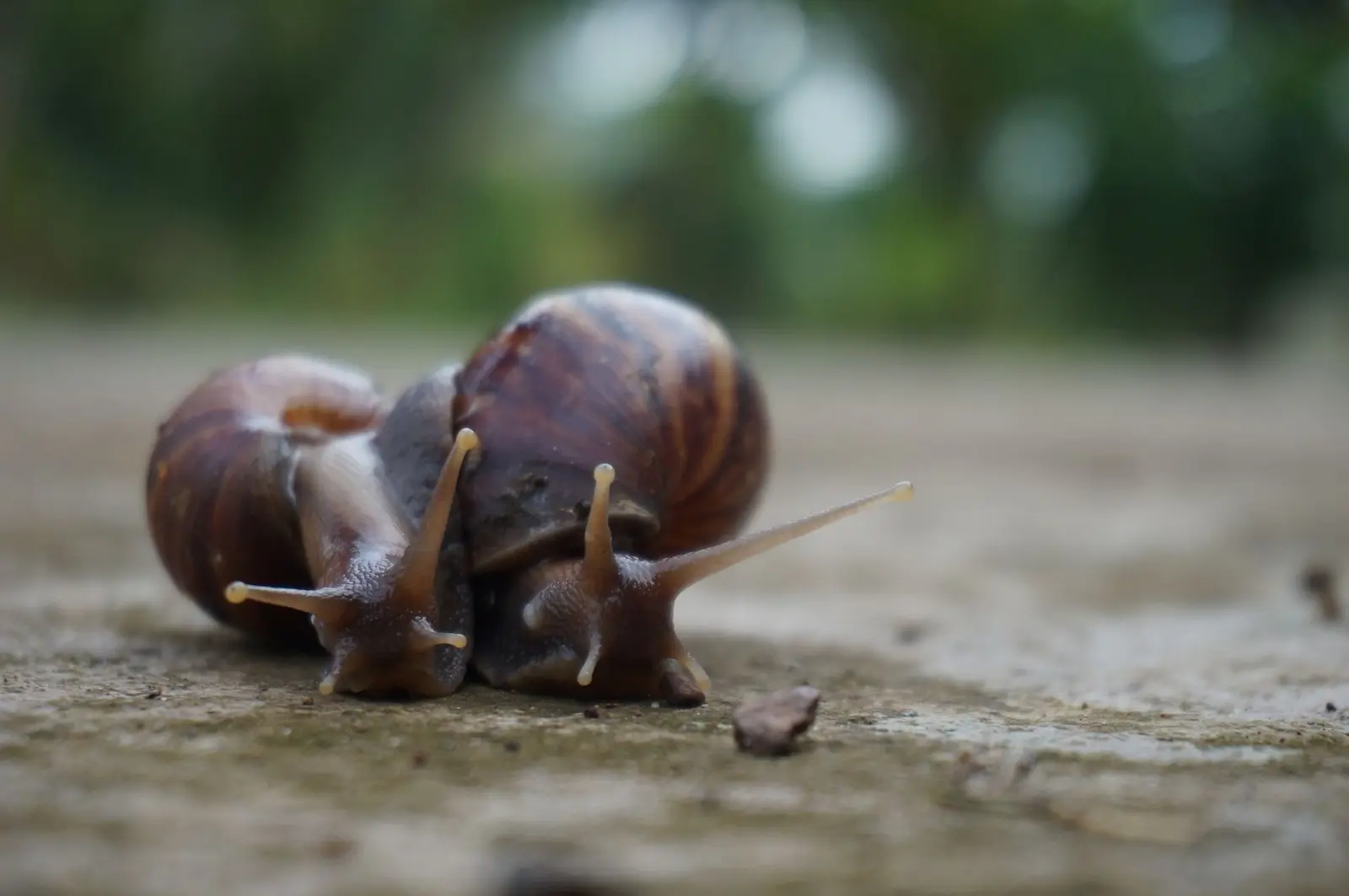
Snails | Photo: VŨ NGỌC CƯỜNG
If there is one animal we immediately associate with rain, it is probably the snail.
After a damp day, it is common to find snails moving along paths, walls, gardens and leaves, even though many may have been hiding just a few centimetres away for days.
The common garden snail (Cornu aspersum) is one of the best-known examples, but it is far from the only one. Spain is home to numerous terrestrial snail species with different characteristics and environmental preferences.
To understand why they appear when it rains, we need to look at how they move.
Snails use a muscular foot that glides over a layer of mucus. This substance facilitates movement and helps protect their tissues, but remaining active on dry surfaces for long periods can considerably increase the risk of water loss.
When humidity rises, moving around becomes less risky and snails can leave their shelters to search for food, explore their surroundings or reproduce.
Furthermore, when conditions become too dry, some snails reduce their activity and can seal the opening of their shell with a structure called an epiphragm, which helps retain moisture.
In fact, moisture is essential for snails and slugs to carry out activities such as feeding and reproduction, making rainy periods much more favourable than hot, dry days.
However, there is something that often goes unnoticed. Many snails prefer to emerge after the rain rather than during a heavy downpour, as the impact of raindrops or excessively waterlogged ground can also be harmful.
That is why an evening walk after a rainy day may offer more opportunities to find them than a walk in the middle of a storm.
4. Slugs need moisture, but they are not simply snails without shells
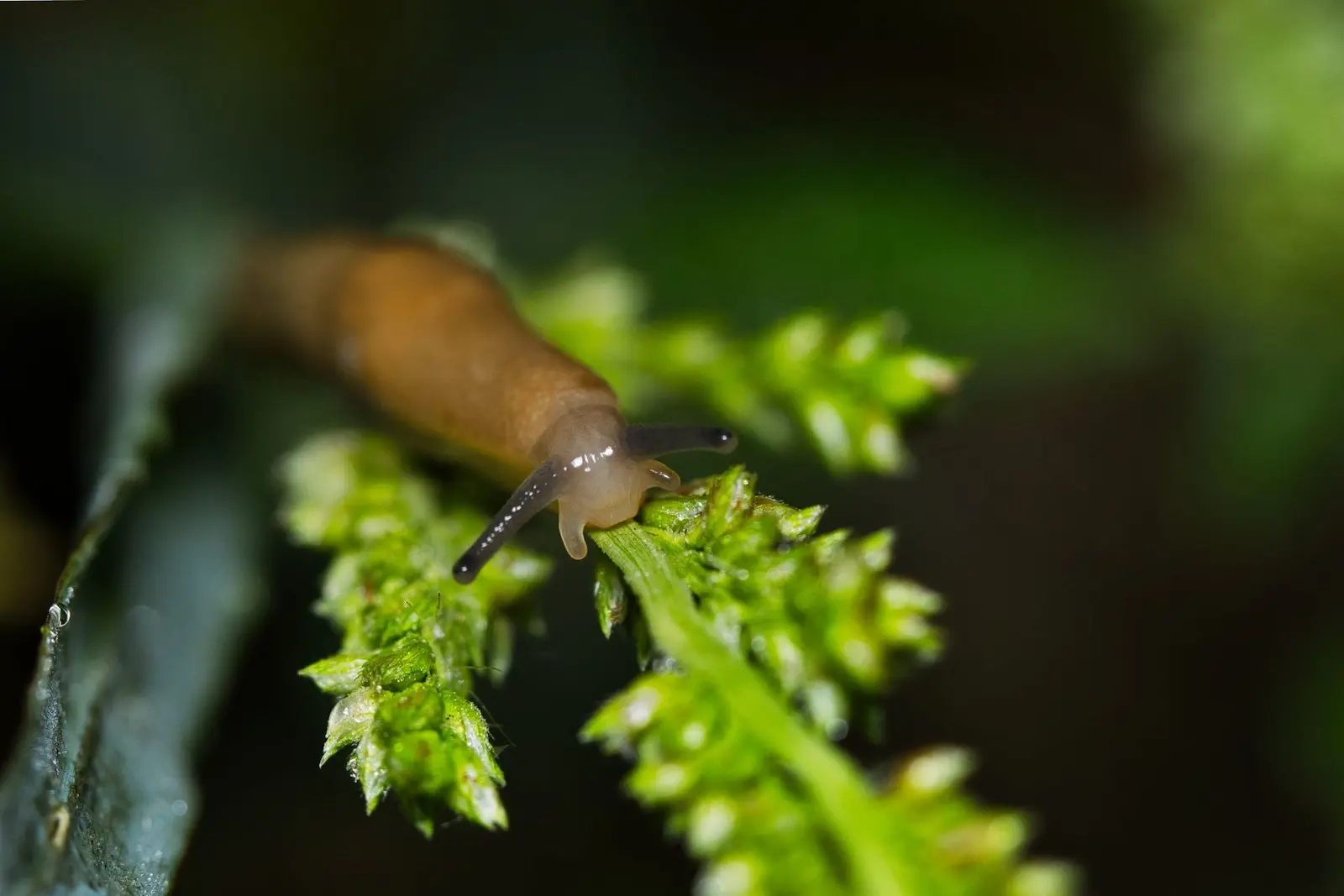
Slug | Photo: Олександр К
Slugs often appear alongside snails during rainy weather, although their relationship with moisture deserves an explanation of its own.
Both belong to the group of gastropod molluscs, but slugs have a greatly reduced shell or no visible external shell, depending on the species.
This means they do not have the same protective structure that many snails use to reduce water loss, so they need to seek favourable environmental conditions to remain active.
During dry periods, they may remain hidden beneath stones, logs, vegetation, in crevices or in areas of soil where moisture is retained for longer.
When it rains or humidity increases, some emerge to feed and move around, particularly at night or on cool, cloudy days.
Although we often associate them with plants being eaten in gardens, their feeding habits are varied. Depending on the species, they may consume plant tissues, fungi, decomposing organic matter and even other small animals.
This means that not all slugs play the same ecological role, nor should they all be considered harmful to gardens.
In fact, the diversity of terrestrial snails and slugs is far greater than we might imagine, with species occupying different habitats and displaying various adaptations to retain moisture.
So, if you find a slug moving through leaf litter after the rain, you may be watching one of the small animals involved in breaking down and processing organic matter in the soil.
5. Earthworms emerge onto the surface, but not always because they are drowning
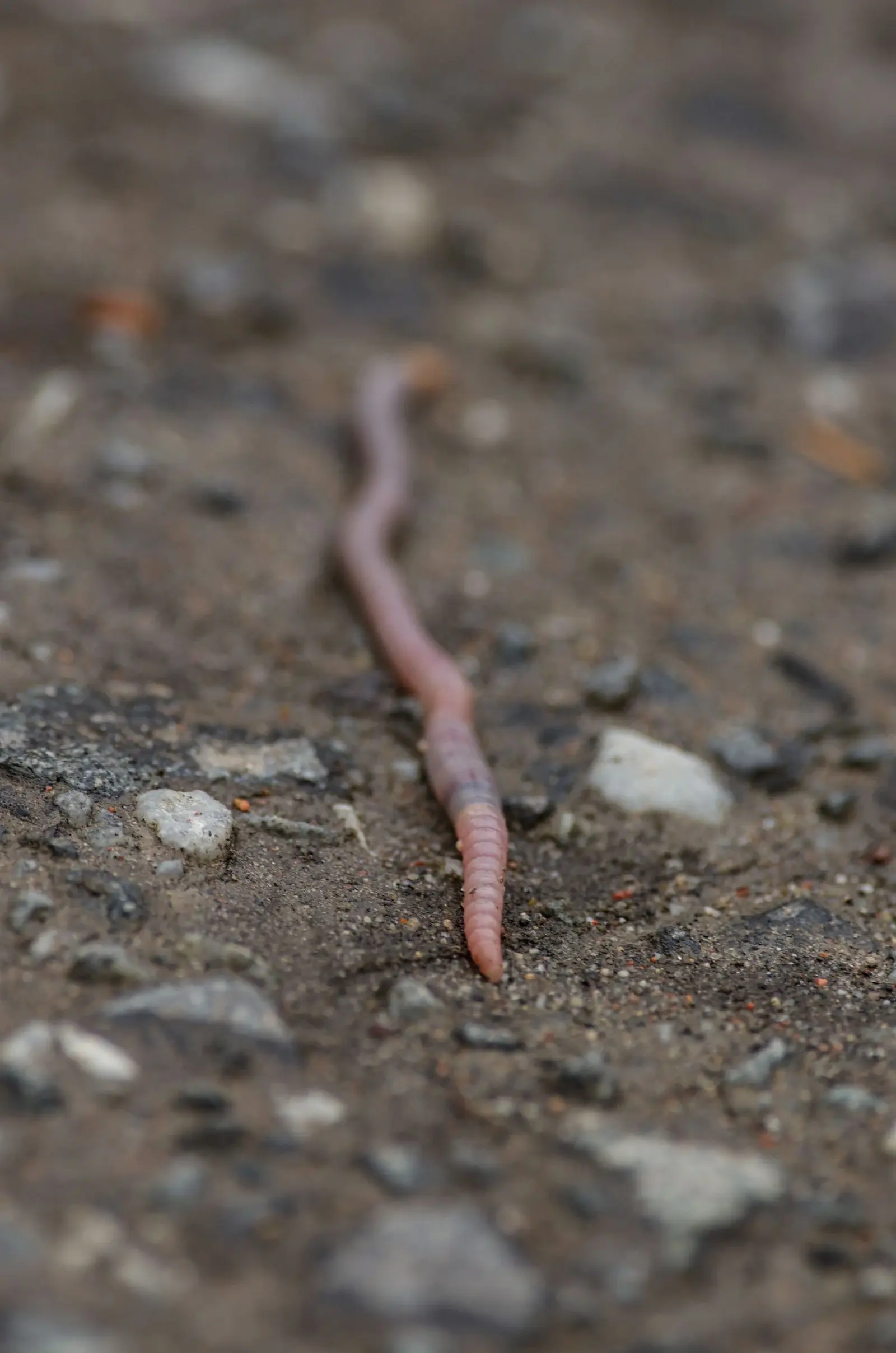
Earthworms | Photo: Leni
After heavy rain, paths can become covered with earthworms moving across damp soil and even crossing pavements and other paved surfaces.
An explanation we often hear is that they emerge because their burrows have flooded and they need to escape to avoid drowning.
However, the reality is considerably more complex.
Earthworms do not have lungs like ours. They exchange gases through their skin, which must remain moist for this process to work properly.
As a result, the presence of water does not automatically mean an earthworm will drown. Some species can survive for quite a long time in water containing sufficient oxygen, although others tolerate saturated soils less well.
One of the best-supported explanations for their appearance after rain is that wet surfaces allow them to move relatively quickly between different areas of soil without becoming as dehydrated.
Emerging onto the surface may make it easier to find food, establish new burrows or locate potential mates, although the specific reasons can vary between species and environmental conditions.
In fact, there is still no single explanation for why earthworms come to the surface after rain. Movement across wet surfaces is one of the most widely supported hypotheses, but it does not necessarily explain every case.
Furthermore, some studies have found important differences between species, as certain earthworms emerge when the ground becomes heavily saturated while others remain underground.
But earthworms are not only interesting because they appear after rain. They also play a fundamental role in terrestrial ecosystems.
By digging burrows and consuming organic matter, they help modify soil structure, facilitate the movement of water and air, and contribute to nutrient recycling.
So, those small earthworms you find on a damp path are part of a much more complex underground system than it might seem.
6. Woodlice and millipedes also take advantage of wet environments
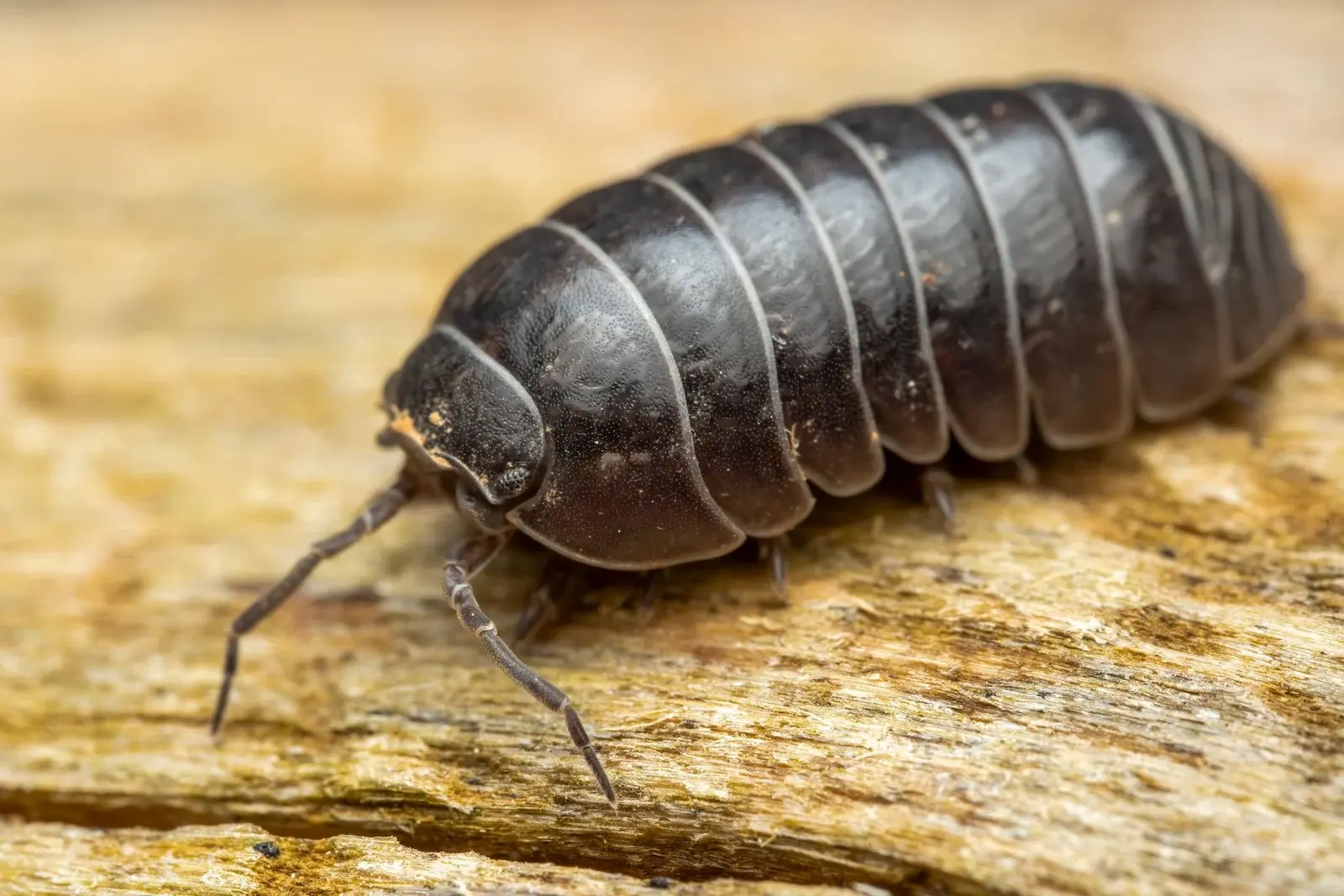
Woodlice | Photo: Rafael Minguet Delgado
Not all animals that appear after rain are amphibians, molluscs or worms.
We may also find small arthropods that normally remain hidden among leaf litter, beneath plant debris or in other places where moisture is retained.
Woodlice are particularly interesting because, although many people mistake them for insects, they are actually terrestrial crustaceans.
One familiar species is the common pill woodlouse (Armadillidium vulgare), which can roll itself into a small ball when threatened.
These animals need to maintain suitable moisture levels to breathe and avoid drying out, which is why they usually remain in damp, sheltered places.
Their diet consists mainly of decomposing organic matter, meaning they contribute to the recycling of nutrients in the soil.
Unlike insects, which have three pairs of legs, woodlice have seven pairs of legs, one of the characteristics that helps identify them as small terrestrial crustaceans.
Millipedes, meanwhile, belong to another group of arthropods and can be recognised by their bodies divided into numerous segments, many of which have two pairs of legs.
They also tend to live among plant debris, damp soils and organic matter, although not all species respond to rainfall in the same way.
Under certain circumstances, heavy rain may even cause some to leave excessively saturated areas and move towards more favourable locations.
Interestingly, both woodlice and many millipedes help break down organic remains and are part of the small fauna that keeps ecological processes in the soil functioning.
7. Blackbirds find new opportunities to search for food
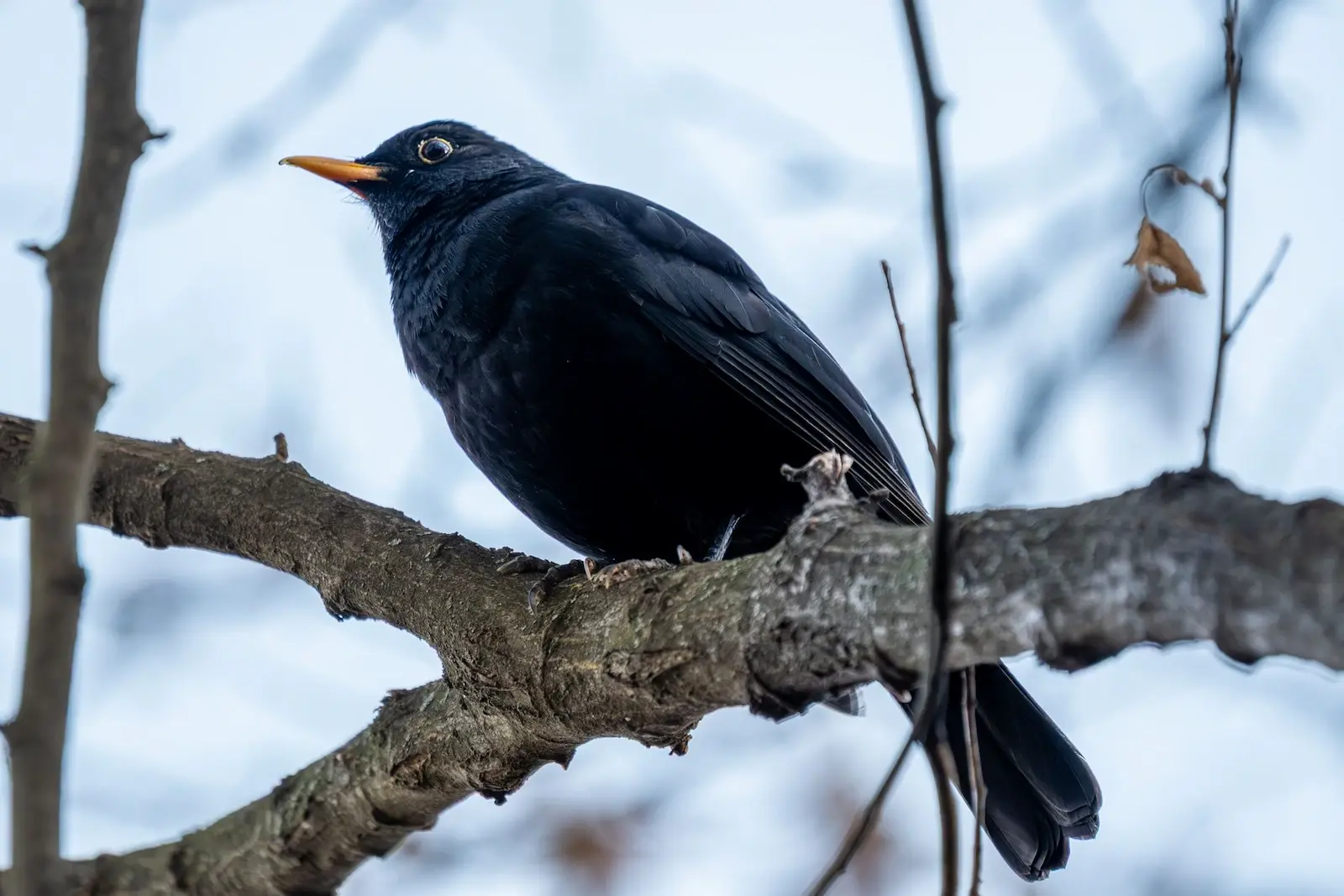
Blackbird | Photo: Bejan Adrian
Not all the animals we can observe after rain were necessarily hiding while waiting for humidity to rise.
Some were already active, but rainfall changes the conditions in which they search for food.
The common blackbird (Turdus merula) is a good example. This bird, commonly found in Spanish woodlands, parks and gardens, spends much of its time searching the ground for small invertebrates.
Males are easily recognised by their black plumage and orange-yellow bill, while females have more discreet brown colouring.
Although their diet also includes fruit, insects and earthworms form an important part of their food, particularly at certain times of the year.
So, when rainfall moistens the ground and some invertebrates move closer to the surface, blackbirds can find good feeding opportunities.
One of the most interesting aspects of their behaviour is how they search the ground, pause to listen and then probe with their bills to extract earthworms, using both sight and hearing to locate food.
This behaviour can be observed in gardens, meadows and green spaces, although it does not mean blackbirds only search for food after rain or that their activity always increases when it rains.
What makes this fascinating is that rainfall can change feeding opportunities for different animals at the same time.
While earthworms move through wetter soil, some birds take advantage of the food that becomes available near the surface, showing how a change in the weather can influence different levels of an ecosystem.
Where to observe animals after rain in Spain
You do not need to visit a national park to observe these behaviours. Many occur in nearby environments and can be noticed during a quiet walk after a rainy day.
However, the type of landscape has a considerable influence on the species we might encounter.
Damp woodlands and mountain areas
The deciduous woodlands of northern Spain, the Pyrenees and certain mountain ranges offer favourable conditions for numerous species associated with humid environments.
After rain, particularly during mild periods, the visible activity of salamanders, snails, slugs and various soil invertebrates may increase.
In Galicia, Asturias, Cantabria, the Basque Country, Navarre and other mountain areas, walks along woodland trails offer opportunities to encounter some of these animals without leaving the paths.
Temporary ponds and Mediterranean landscapes
Mediterranean landscapes have a different relationship with rainfall, as they can go for weeks or months with very little rain.
When sufficiently heavy rainfall arrives, temporary ponds appear and may be used by different amphibians, although breeding periods depend on the species, region and temperature.
In parts of Castile-La Mancha, Madrid, Extremadura and Andalusia, certain rainfall events may coincide with periods of activity among natterjack toads and other amphibians adapted to Mediterranean seasonal conditions.
However, these ponds are delicate habitats. We should avoid entering them or approaching eggs and larvae to obtain a photograph.
Urban parks, gardens and green spaces
Cities also offer interesting opportunities, particularly in parks with abundant vegetation, gardens and areas where the soil retains some moisture.
After rain, it is relatively easy to find snails, slugs, earthworms and other small invertebrates, as well as birds exploring lawns and paths in search of food.
In fact, one of the most interesting aspects of this type of observation is that it allows us to appreciate biodiversity without having to search for large animals or species that are particularly difficult to find.
When is the best time to observe wildlife after rain?
Although any damp day can offer interesting encounters, not every moment is equally favourable.
Mild evenings and nights can be particularly good for observing certain amphibians, snails, slugs and other nocturnal animals, provided temperatures are suitable for each species.
Dawn after a rainy night can also be interesting, as some invertebrates may still be active and different birds begin searching for food.
In autumn, rainfall arriving after dry periods can noticeably change the activity of certain species, while in spring, rain may also coincide with amphibian breeding movements.
However, it is worth remembering that heavy rain does not guarantee greater activity. Intense downpours, excessive cold, rising river levels and flooding may cause some animals to seek shelter or move towards safer locations.
That is why a cool, damp and peaceful day after the rain may be more interesting than going out during a storm.
How to observe and photograph animals after rain without disturbing them
Wet ground offers extraordinary opportunities to observe wildlife, but it can also coincide with moments when many animals are particularly vulnerable.
Amphibians, for example, may be travelling towards feeding or breeding areas, while small invertebrates cross paths where they can be difficult to notice.
That is why it is important to take certain precautions when observing or photographing them.
The most important thing is to move slowly, watch where we step and remain on paths or in areas where access is permitted. There is no need to lift stones, move logs or disturb large amounts of leaf litter to find animals.
We should also avoid handling amphibians, moving them to obtain a photograph or placing them in containers, as these practices can cause stress and facilitate the transmission of diseases between populations.
For photography, a camera capable of close focusing or a macro lens can help us document small details without needing to touch the animal.
It is also advisable to avoid using powerful flashes at close range, particularly during nocturnal observations, and to move away if our presence changes the animal's behaviour.
If we go for a walk after the rain, the best strategy is often the simplest. Walk slowly, pay attention to the ground, listen and observe what is happening around us.
Very often, the most interesting animals appear precisely when we stop searching for them so insistently.
Rain also transforms the life we do not normally see
When we think about wild animals, we often imagine large mammals, spectacular birds or species that are particularly difficult to observe.
However, a simple rainfall event can remind us that an enormous diversity of animals lives all around us, often remaining hidden beneath vegetation, among roots or within the soil itself.
Some need moisture to move around, others take advantage of temporary ponds to reproduce, and many quietly contribute to processes as important as the decomposition of organic matter and the functioning of the soil.
What makes this interesting is that they do not magically appear when it starts raining. They were already there, but environmental conditions made them more difficult to find.
And perhaps that is one of the best reasons to go for a walk after the rain. The landscape is the same, but the opportunities to discover what lives within it can be completely different.
Frequently asked questions about animals that appear after rain
Which animals tend to come out when it rains?
Animals that may become more visible during or after rain include salamanders, toads, snails, slugs, earthworms, woodlice and millipedes. However, their activity depends on the species, temperature, rainfall intensity and time of year.
Why do earthworms come out when it rains?
One of the best-supported explanations is that wet ground allows them to move across the surface with a lower risk of dehydration, making it easier to find food, mates or new habitats. Although some species can be affected by a lack of oxygen in heavily saturated soils, not all earthworms emerge because they are drowning.
Why do snails appear after rain?
Snails need moisture to remain active and move around, as dry conditions increase the risk of water loss. After rain, they can take advantage of damp ground to feed, explore their surroundings or reproduce, although many avoid heavy downpours.
Is it easier to see salamanders when it rains?
Yes, under suitable temperature and humidity conditions, salamanders can be easier to observe, particularly at night. However, this depends on the species, region and season, so rainfall does not guarantee an encounter.
What is the best time of year to observe animals after rain in Spain?
Autumn and spring often provide interesting opportunities, particularly when rainfall coincides with mild temperatures and seasonal animal activity. In some Mediterranean regions, the first autumn rains are especially important, while certain amphibians concentrate their breeding movements in spring.
Is it advisable to touch animals we find after rain?
No. The best approach is to observe them without handling them, maintain a respectful distance and avoid disturbing their shelters. This is particularly important for amphibians, whose skin is delicate and which can be affected by human contact and the transmission of pathogens.