Photographing wildlife is not just about being in the right place with a good camera. It also means knowing how to read animal behaviour, anticipate movement, understand when human presence becomes intrusive and accept that no image should come before the wellbeing of the species being photographed.
In wildlife photography, the difference between good practice and disturbance is not always measured only in metres. Sometimes the problem appears when an animal stops feeding, changes its route, leaves a resting area, becomes alert or modifies its behaviour because someone is too determined to get an image.
That is why, if we want to talk about how to photograph wildlife without disturbing animals, we need to go beyond basic advice. It is not just about “keeping your distance”, but about understanding the species, the context, the time of year, the existing human pressure in the area and the signs that tell you it is better to stop.
A good wildlife photograph begins before you get close
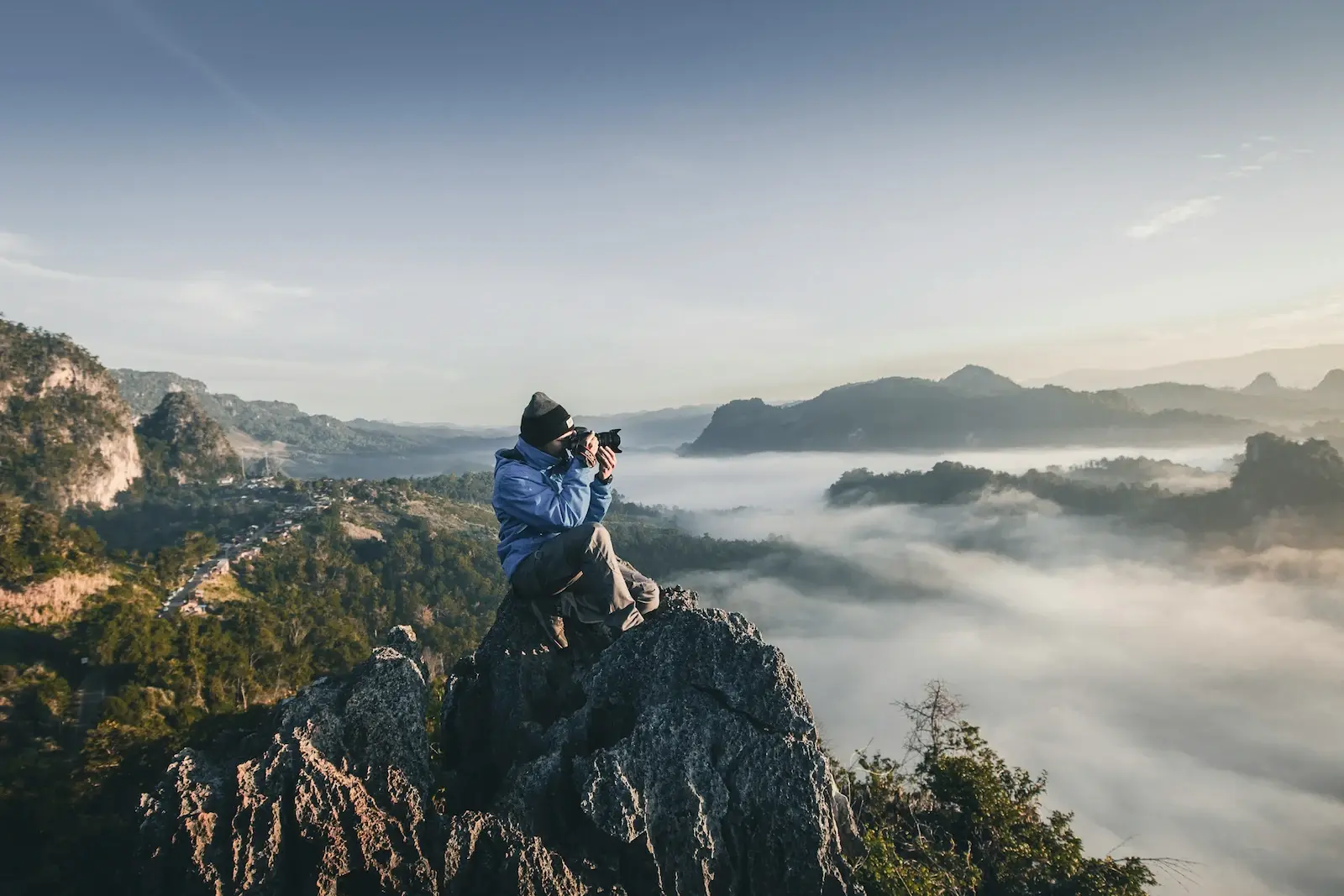
Photographer at the mountain summit | Photo: Alif Ngoylung
Planning is one of the most important parts of wildlife photography. Before thinking about framing, light or equipment, it is worth understanding the species, its habitat, its active hours, feeding areas, sensitive periods and the regulations of the place where you are going to work.
This is especially important when photographing birds, elusive mammals, threatened species or animals during the breeding season. The AEFONA ethical code stresses that the safety of the subject must come before obtaining an image, an idea that should be at the heart of any serious wildlife photography outing.
Planning also means accepting limits before you arrive in the field. A location may not be suitable, a species may be breeding, the wind or light may force you to change your approach, or the animal’s behaviour may show that it is not appropriate to insist. In those cases, the professional decision is not to force the shot, but to know when to step back.
Because a wildlife photograph does not begin when we press the shutter. It begins much earlier, when we decide where to observe from, how long to stay, which routes to avoid and what impact our presence may have.
Distance is not only physical, it is behavioural
One of the most common mistakes in wildlife photography is thinking that distance is measured only in metres. Real distance is also measured in behaviour.
You can be relatively far away and still disturb an animal if you are on its route, blocking an escape path, staying too long in a sensitive spot or adding to the pressure created by other people. On the other hand, there may be situations where observation from a distance, from a well-positioned hide or an authorised viewpoint, creates less impact because the animal does not change its activity.
That is why the main question should not be “how close can I get?”, but “what has the animal been doing since I arrived?”. If it continues feeding, resting, moving or interacting without visible changes, the situation may be stable. If it repeatedly lifts its head, moves away, vocalises, becomes rigid, stops what it was doing or keeps looking towards the person, we have probably crossed a line.
The Audubon ethical guide to bird photography and videography puts it clearly: camouflage hides can be a good way to photograph without causing disturbance, but only when they are not used to invade sensitive places or moments. In the end, a hide, telephoto lens or camouflage is not a licence to get closer, but a tool to reduce impact.
Stress signals every wildlife photographer should recognise
To photograph wildlife properly, you need to learn how to recognise when an animal is uncomfortable. Not all species show stress in the same way, but there are signs that should make us lower the camera and reassess the situation.
One of the clearest signs is the interruption of normal behaviour. If an animal stops feeding, interrupts its rest, changes direction or moves to a less favourable area because of our presence, we are no longer observing a natural scene. We are causing a response.
Other signs may include alert postures, a fixed stare, body tension, repetitive movements, vocalisations, territorial defence, alarm calls or attempts to move young away. In birds, a poor approach can cause adults to leave the nest temporarily, exposing eggs or chicks to predators, cold, heat or dehydration.
SEO/BirdLife warns that practices such as using calls, visiting nests and colonies, photographing with live bait or failing to keep a safe distance can cause stress and even compromise the breeding success of some species. Although this code focuses on birds, the principle applies to all wildlife: if the image alters an essential behaviour, it is no longer a good image from an ethical point of view.
An experienced photographer does not only recognise the species. They recognise the moment. And knowing when to stop is as much a part of the craft as knowing how to read the light.
Moments when you should not insist on getting the shot
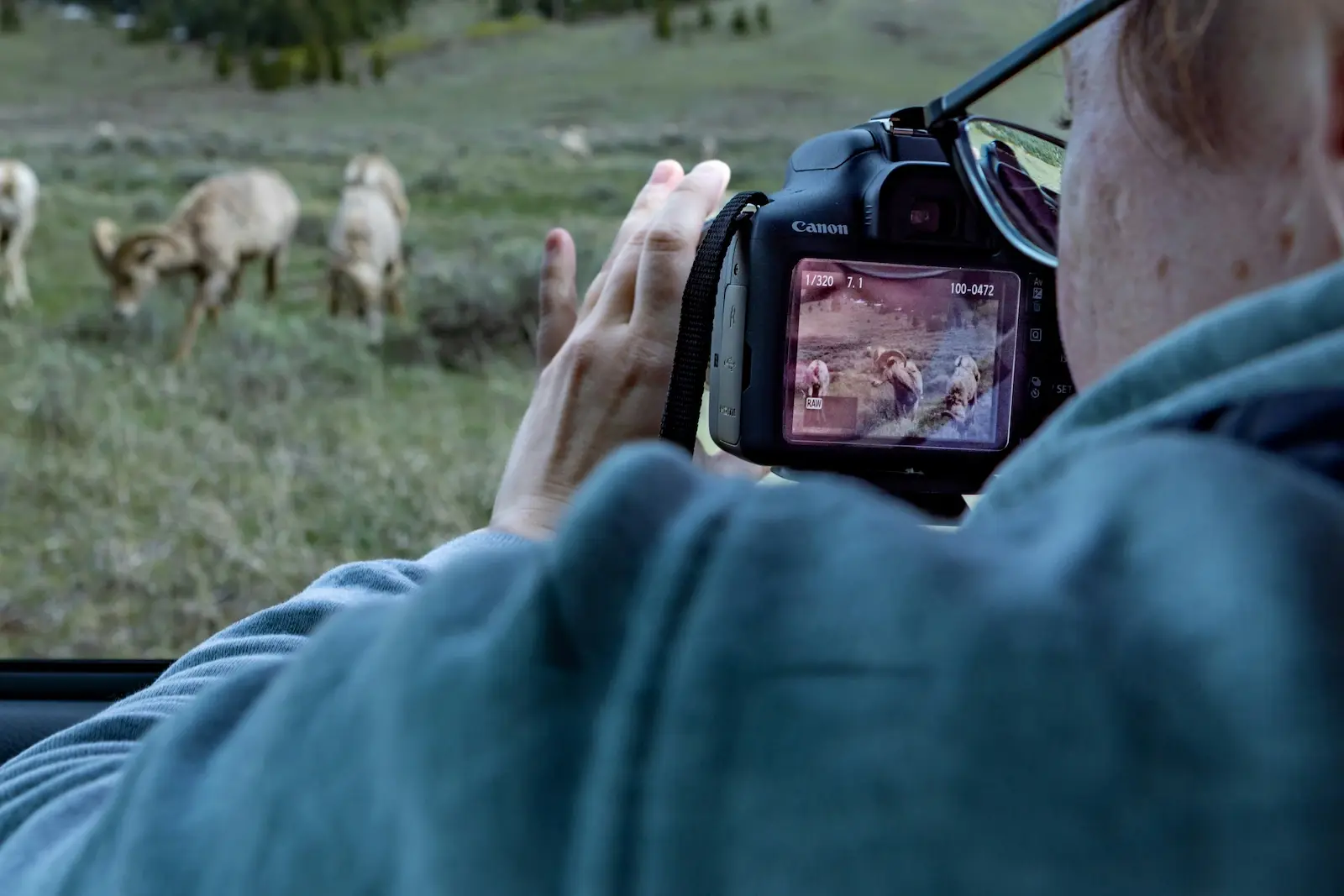
Photographer in the field | Photo: Judy Beth Morris
There are moments in an animal’s life cycle when it is especially vulnerable. Breeding, nesting, feeding young, moulting, migration, resting, courtship, hibernation or recovering after extreme effort can turn a simple disturbance into a real impact.
AEFONA recommends paying special attention to situations such as nesting, moulting or unfavourable weather conditions, because these are moments when living beings may be more exposed. In these contexts, insisting on getting an image can have a much greater effect than during normal activity.
Nests, burrows, roosts, breeding colonies and sensitive feeding areas should be treated with extreme caution. Even if the scene looks calm, our presence may be creating an invisible cost: an adult that takes longer to return, a young animal left exposed, an animal wasting energy fleeing or a colony disturbed by the accumulation of visitors.
It is also worth being careful with injured, exhausted or displaced animals affected by storms, fires, droughts or human pressure. In those cases, the responsible choice is not to move closer for a striking image, but to keep your distance and, when appropriate, contact the relevant authorities or wildlife rescue centres.
Hides, telephoto lenses and patience as tools of respect
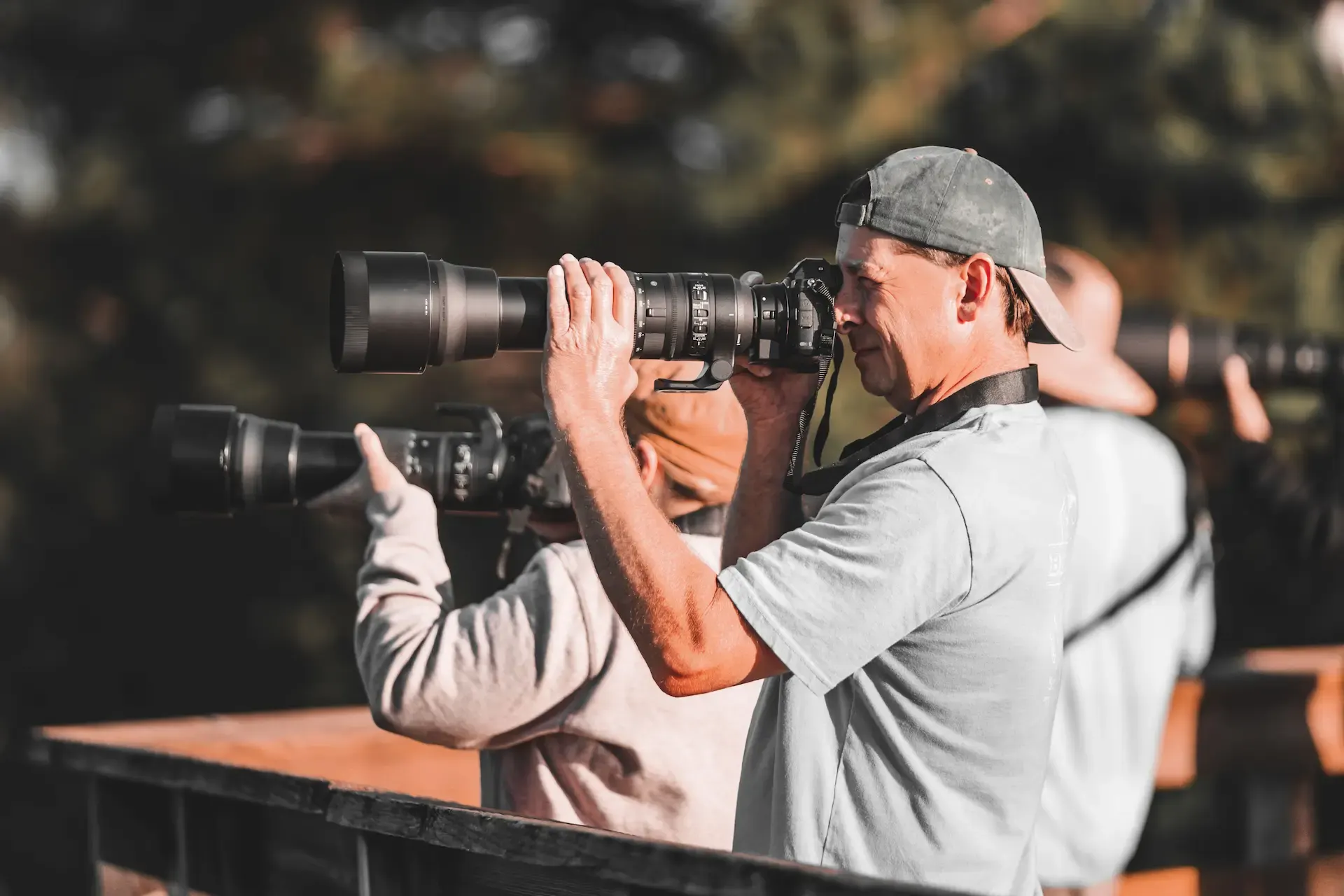
In wildlife photography, equipment should not be understood only as a way to get more detail, but also as a way to work with less interference. A telephoto lens, a well-placed hide, camouflage netting or a long wait can allow visually closer images without the need to move physically closer to the animal.
However, these tools are only responsible when used with judgement. A badly positioned hide can block a route, disturb a feeding area or create pressure in a sensitive territory. A telephoto lens does not justify staying too long in front of an alert animal. And camouflage should not be used to surprise wildlife in a place where it has no room to respond.
With hides, the preparation is key. Light direction, distance from the activity point, entry and exit routes, noise, smells, number of people, time spent inside and the predictability of the structure can make the difference between a well-designed experience and repeated disturbance.
That is why the best hides are not necessarily the ones that promise the most spectacular close-up, but the ones that allow natural behaviour to be observed without forcing the scene. When an animal continues using its environment normally, the photograph gains documentary value, not just aesthetic value.
What should never be done to get a wildlife photograph
Some practices may seem like shortcuts, but they damage the relationship between photography and conservation. Chasing animals, surrounding them, blocking their path, approaching nests, lifting stones or refuges, manipulating sensitive vegetation, using calls irresponsibly, feeding wild animals or provoking a reaction to get a more dramatic image are lines that should not be crossed.
In competitions and respected photography spaces, these practices are increasingly questioned. The rules of SEO/BirdLife’s FotoAves competition, for example, do not accept images obtained using calls, live bait, artificial backgrounds, captive animals or nest photography except in exceptional cases. This matters because it shows a clear trend: a technically good image loses value if it depends on altering reality or compromising the animal.
Artificial feeding requires particular care. It can change behaviour, encourage habituation, increase health risks, create dependency or generate conflict with people. NANPA, a leading nature photography association, states in its ethical principles that the use of live mammals as bait is unethical and can harm birds of prey and other animals.
And this does not only affect the moment of the photograph. A harmful practice can become normalised if it is shared as though it were a natural scene. That is why ethics also includes how the image is presented, what is left unsaid and what is made to look spontaneous when it was actually provoked.
How to share the image without revealing sensitive locations
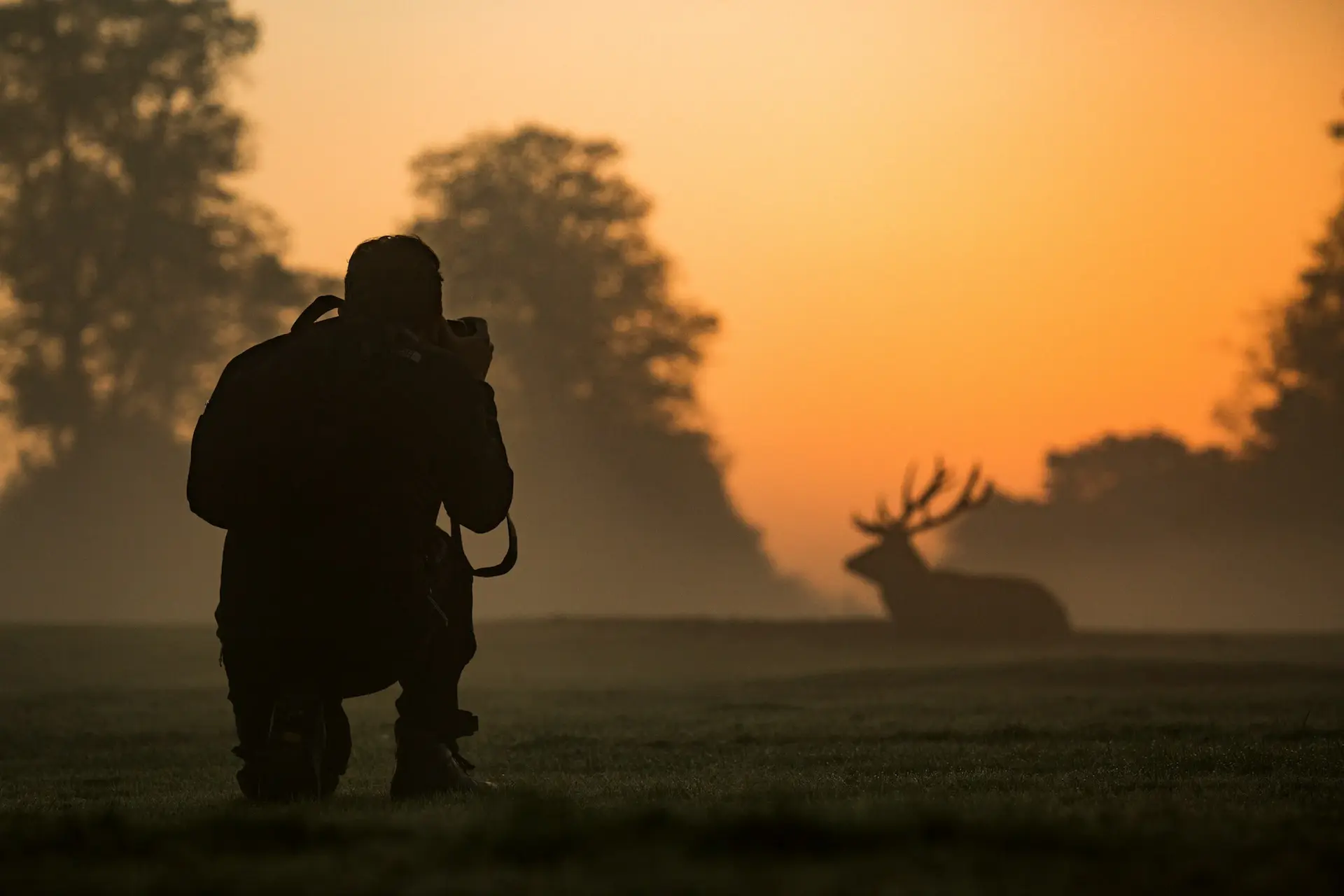
Nature photographer | Photo: Diana Parkhouse
A photographer’s work does not end when the image is taken. It continues when it is published, tagged, geolocated or explained. With sensitive species, sharing an exact location can create a call effect, increase pressure on the site and put animals at risk in places that had previously remained relatively undisturbed.
This applies to nests, roosts, colonies, burrows, breeding areas, threatened species or places where human presence can build up quickly. A single photograph may not seem problematic, but ten people publishing the same exact spot can completely change the pressure on an area.
Nature First recommends thinking about the possible consequences before photographing or publishing an image, especially when revealing a location may affect wildlife or the environment. In wildlife photography, that judgement should be part of the workflow, just like selection, editing or writing a caption.
A good practice may be to refer to the region in general terms, describe the type of habitat without giving coordinates, delay publication if the moment is sensitive or avoid details that could reveal the location of a nest, colony or vulnerable species. It is not about hiding nature, but about ensuring that visibility does not become pressure.
Editing, context and visual honesty
Wildlife photography also requires honesty after the image has been taken. Adjusting light, contrast or cropping is part of the photographic process, but altering a scene until it changes its meaning can create an image that is more spectacular and less truthful.
This is especially important when we talk about conservation. A photograph can educate, move people and spark interest in a species, but it can also confuse if it does not explain the context. Photographing a wild animal is not the same as photographing one in captivity, a spontaneous scene is not the same as an induced one, and natural behaviour is not the same as a reaction provoked by human presence.
Audubon reminds photographers that captions should tell the true story behind the image and describe ethical treatment of the subject when necessary. That transparency does not weaken the photograph. On the contrary, it can strengthen trust in the person behind it.
For professionals, this is especially important. Reputation is not built only on spectacular images, but on consistency between what is shown, how it was obtained and what impact it had on the environment.
Better wildlife photography does not always mean getting closer
One of the most important ideas in wildlife photography is that closeness does not always improve an image. Sometimes a wider frame tells the story of the habitat, scale, behaviour and relationship between the animal and its surroundings much better.
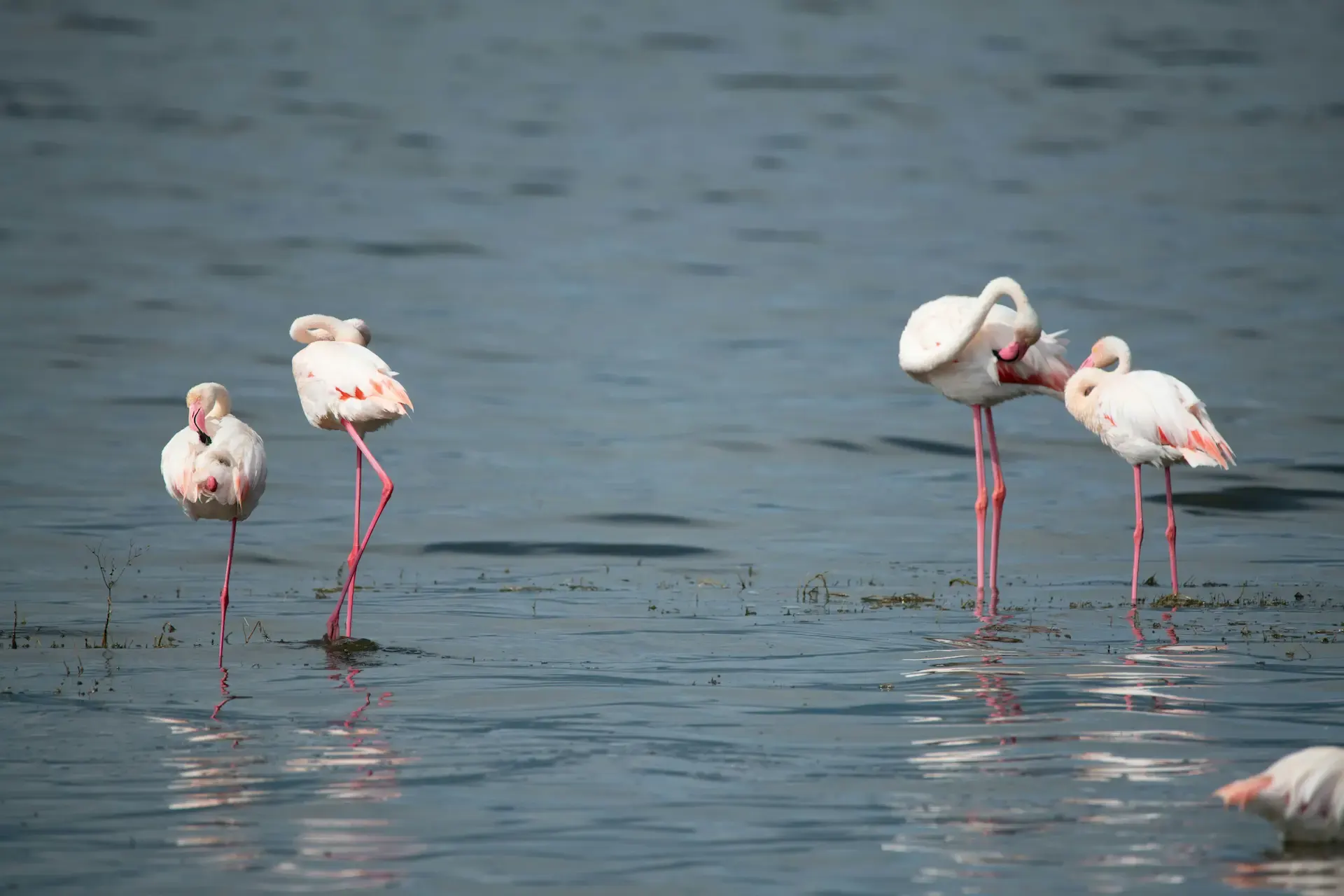
A small bird in a reedbed, a wolf crossing a hillside, a deer in the mist or a fox moving through vegetation can communicate far more when the scene has space to breathe. By contrast, a close-up obtained at the cost of disturbing the animal may have visual impact, but it loses natural value.
Wildlife photography should not be reduced to filling the frame. It can also be about showing distance, waiting, context and behaviour. A good image is not always the one that looks closest, but the one that helps us understand the animal without forcing it.
That shift in perspective is key to separating a beautiful photograph from a responsible one. The first may impress for a few seconds. The second can tell something true about the species and about the way we choose to relate to it.
If you organise wildlife photography experiences, ethics also communicates value
For those who organise hides, guided outings, trips or wildlife photography experiences, the way you work is also part of the value of your proposal. Today, many people are not only looking for a good photograph, but for a well-designed experience with judgement, safety, knowledge of the territory and respect for animals.
Explaining how distance is managed, which rules are followed, which species may be observed, which seasons are more sensitive, what is not allowed and what expectations are realistic can build more trust than promising spectacular images. A professional who communicates limits shows experience, not weakness.
It also helps to show the context of the experience: what the hide is like, what type of behaviour may be observed, what physical or technical level the outing requires, how the place is accessed, what happens if the species does not appear and what measures are taken to avoid interfering with wildlife. This information prevents misunderstandings and attracts people who are more aligned with a responsible way of experiencing nature photography.
In that sense, ethics is not only an internal rule. It is also a way to stand out in a market where not every experience is designed with the same care.
A photograph that does not need to force nature
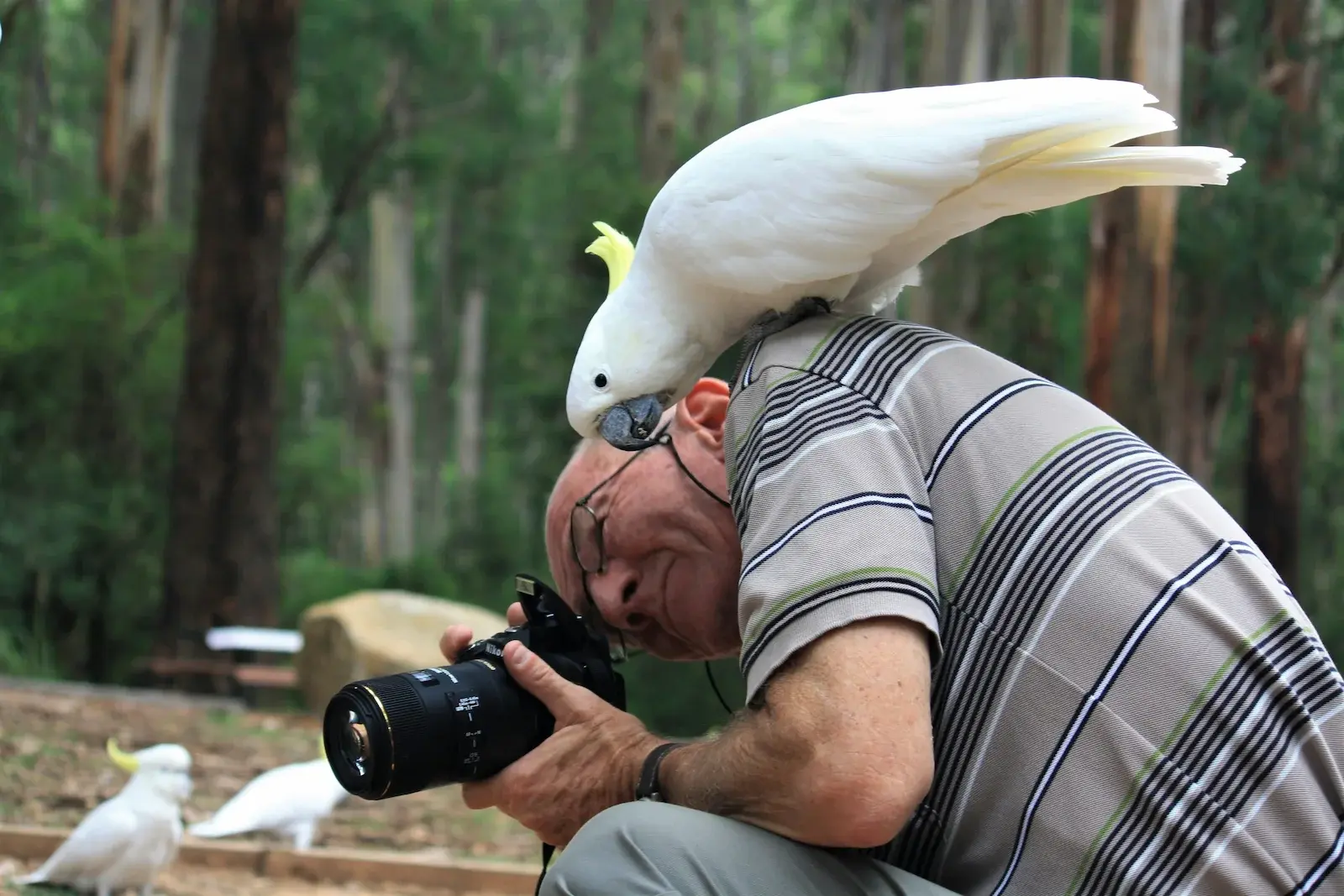
Bird photographer | Photo: Laya Clode
Photographing wildlife without disturbing animals does not mean giving up powerful images. It means understanding that the strength of a photograph should not depend on invading, chasing or provoking an animal.
The best images often come from preparation, patience and reading the environment. They also come from accepting that wildlife is not there to meet our expectations, and that an outing can be valuable even if the species does not appear or the scene is subtler than we imagined.
When photography respects natural behaviour, it gains something that cannot be manufactured: truth. And that truth is precisely what gives a wildlife image value beyond its beauty.
At NatSnap, we believe nature experiences should bring us closer to wildlife without putting it at risk. So if you have a hide, guided outing or wildlife photography trip designed with care, respect for animals and knowledge of the territory, you can tell us about your proposal and explore how to add it to the platform.
Frequently asked questions about responsible wildlife photography
How can you photograph wildlife without disturbing animals?
To photograph wildlife without disturbing animals, it is important to keep your distance, observe the animal’s behaviour, avoid nests or sensitive areas, avoid bait and intrusive calls, and step back if the species shows signs of stress or changes its behaviour because of your presence.
What signs show that an animal is uncomfortable?
Some signs may include stopping feeding, repeatedly looking towards the person, vocalising, changing route, becoming rigid, fleeing, defending young or leaving a resting area. Each species responds differently, so it is worth understanding its behaviour before photographing it.
Is it ethical to photograph birds at the nest?
In general, photographing birds at the nest is not recommended, except in highly controlled, authorised situations where behaviour is not disturbed. Human presence can leave eggs or chicks exposed and affect breeding success.
Can calls be used to photograph wildlife?
Calls can alter the natural behaviour of animals, especially territorial birds or species during the breeding season. That is why many ethical guidelines discourage their use, and some competitions do not accept images obtained using calls.
Is it wrong to feed animals for photography?
Yes, feeding wild animals to obtain photographs can cause habituation, dependency, disease transmission, behavioural changes and conflict with people. It is a practice that should be avoided.
What are the advantages of photographing from a hide?
A well-positioned hide can make it possible to observe and photograph wildlife with less disturbance, as long as it is designed with care and does not interfere with routes, feeding areas, resting places or breeding sites. Its value lies in reducing impact, not in justifying greater pressure on the animal.
Should you publish the exact location of a wildlife photograph?
Not when it involves sensitive species, nests, colonies, roosts, burrows or areas under high human pressure. Sharing exact locations can create a call effect and increase disturbance to wildlife.