Natsnap
  1. Home
  2. Animals
  3. Slender Billed Grackle
Natsnap
Trips and HidesAboutTaxonomySimilar Species
Natsnap
SearchAnimalsTripsHides
ProfessionalsAbout UsBlogContact

Legal Information

Legal NoticePrivacy PolicyCookies PolicyTerms of Service

Supported by

Gipuzkoako Foru Aldundia / Diputación Foral de GipuzkoaGrupo SPRI Taldea

© 2026 NatSnap. All rights reserved.

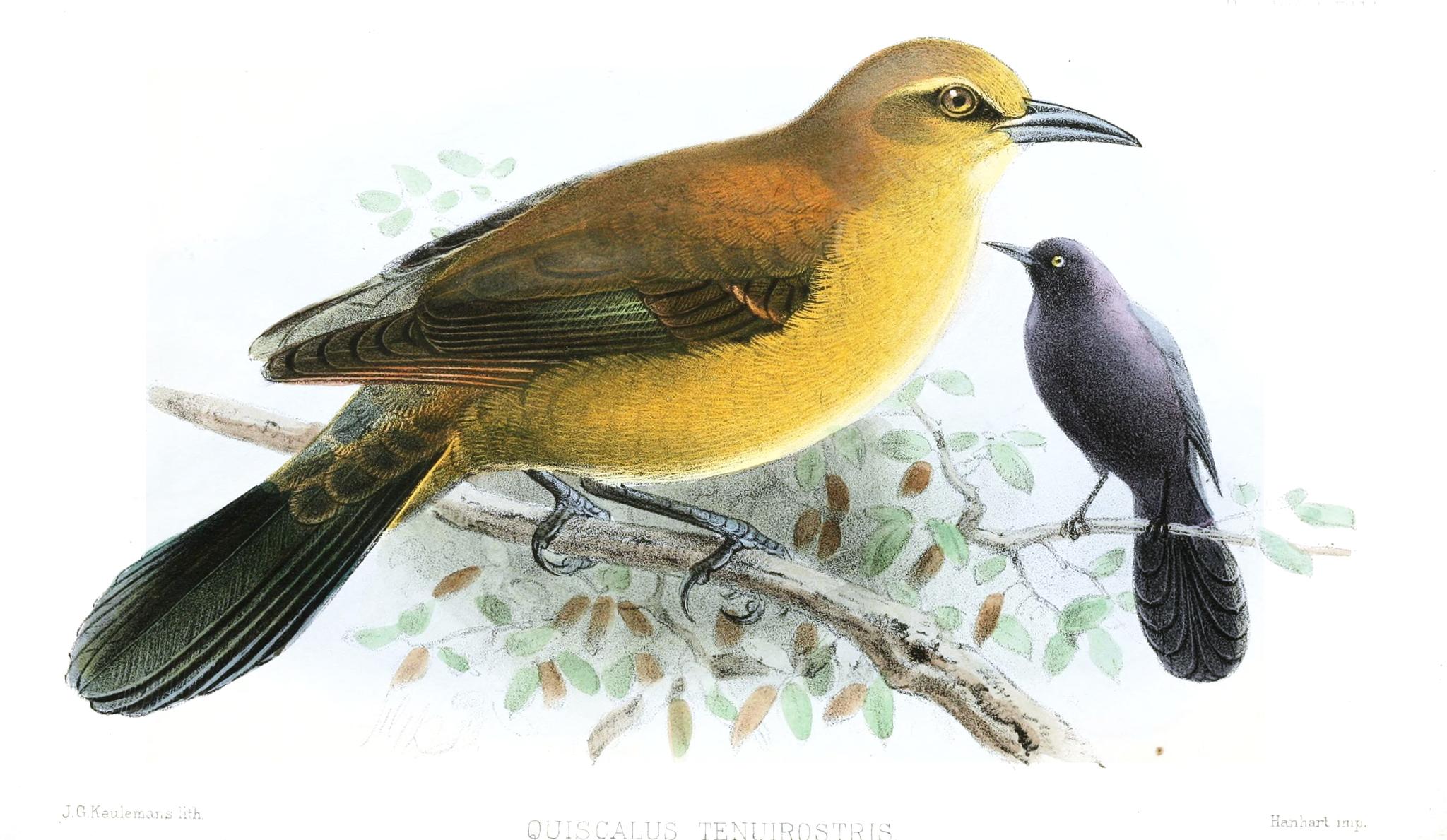
Slender-billed Grackle

Quiscalus palustris

Recent sightings

WHERE TO SEE

Recent sightings

Cargando mapa...
Slender-billed Grackle
1 / 1

Experiences to see Slender-billed Grackle

There are no published experiences tagged with Slender-billed Grackle yet.

SEE MORE

About the species

The slender-billed grackle (Quiscalus palustris) is an extinct species of grackle in the Icteridae (New World blackbirds) family of birds. The species was closely related to the western clade of the great-tailed grackle, from which it diverged quite recently, around 1.2 million years ago. It weighed 2.5 oz to 5 oz.

The slender-billed grackle was endemic to central Mexico, especially in the Valley of Mexico and the Toluca Valley. Early observations recorded by Franciscan friar Bernardino de Sahagún in the 16th-century manuscript General History of the Things of New Spain indicate that the species was found in cultivated areas and towns. Later records indicated that it might be a marsh specialist. The species became extinct around the turn of the 20th century.

Source: Wikipedia
Recent Publications

Loading articles…

See more articles
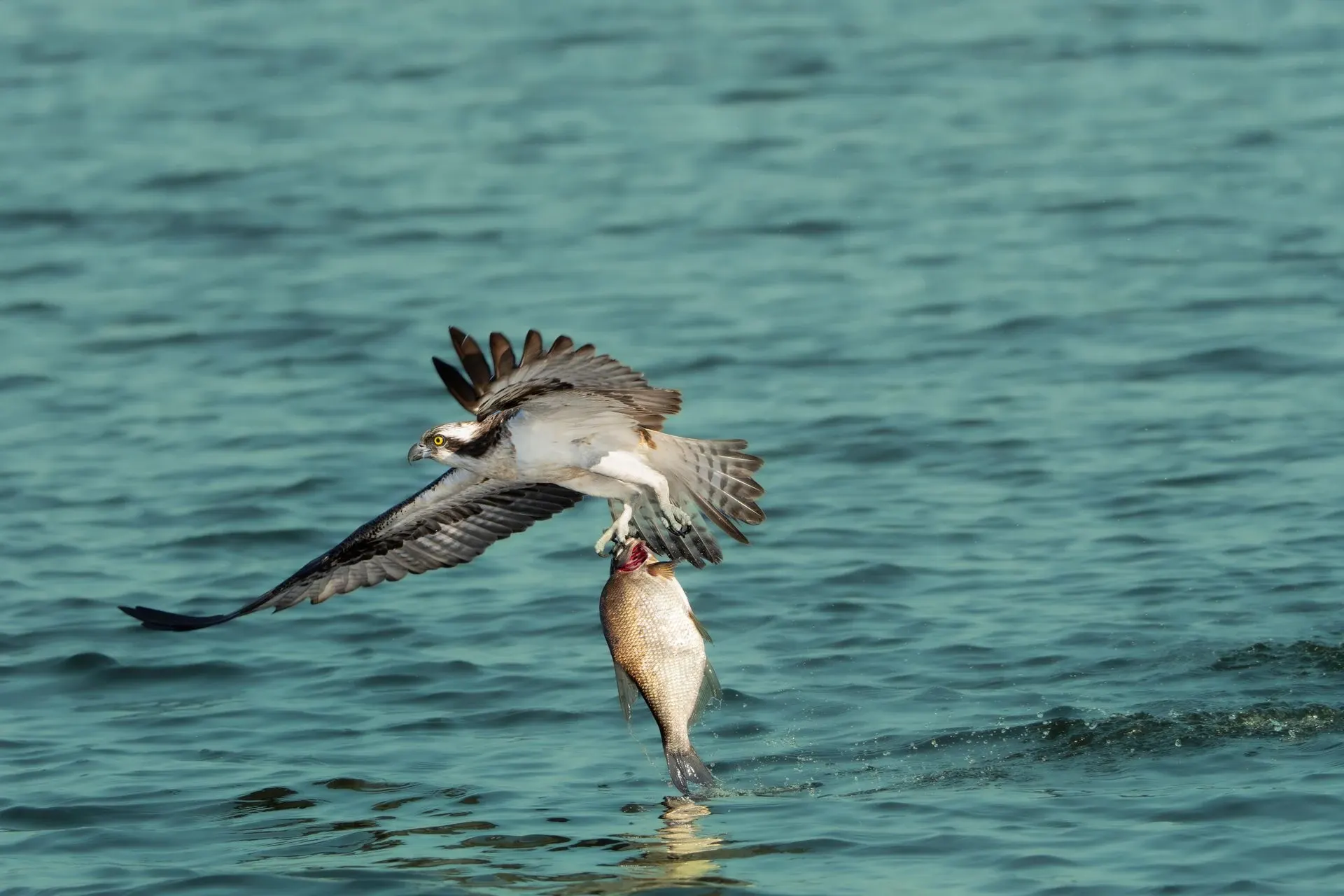
A dramatic shot of an osprey flying over the water with a fish in its talons, illustrating the relationship between predator and prey.
Birdwatching

Where to see ospreys in the Odiel Marshes in winter

November 17, 2026
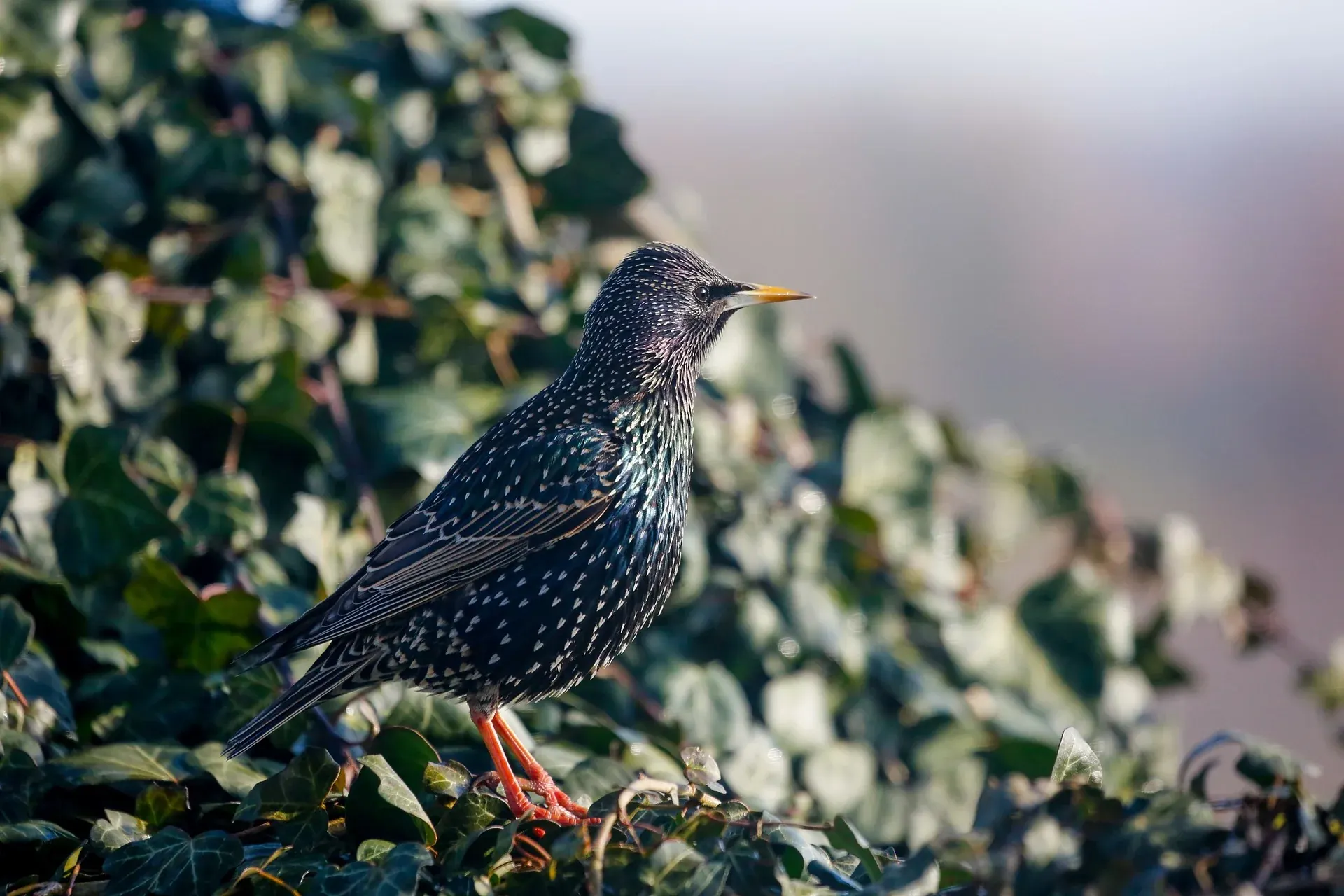
A common starling perched on ivy in soft natural light.
Animales NatSombrosos

Why starlings gather in large flocks at dusk and how they move together

November 12, 2026
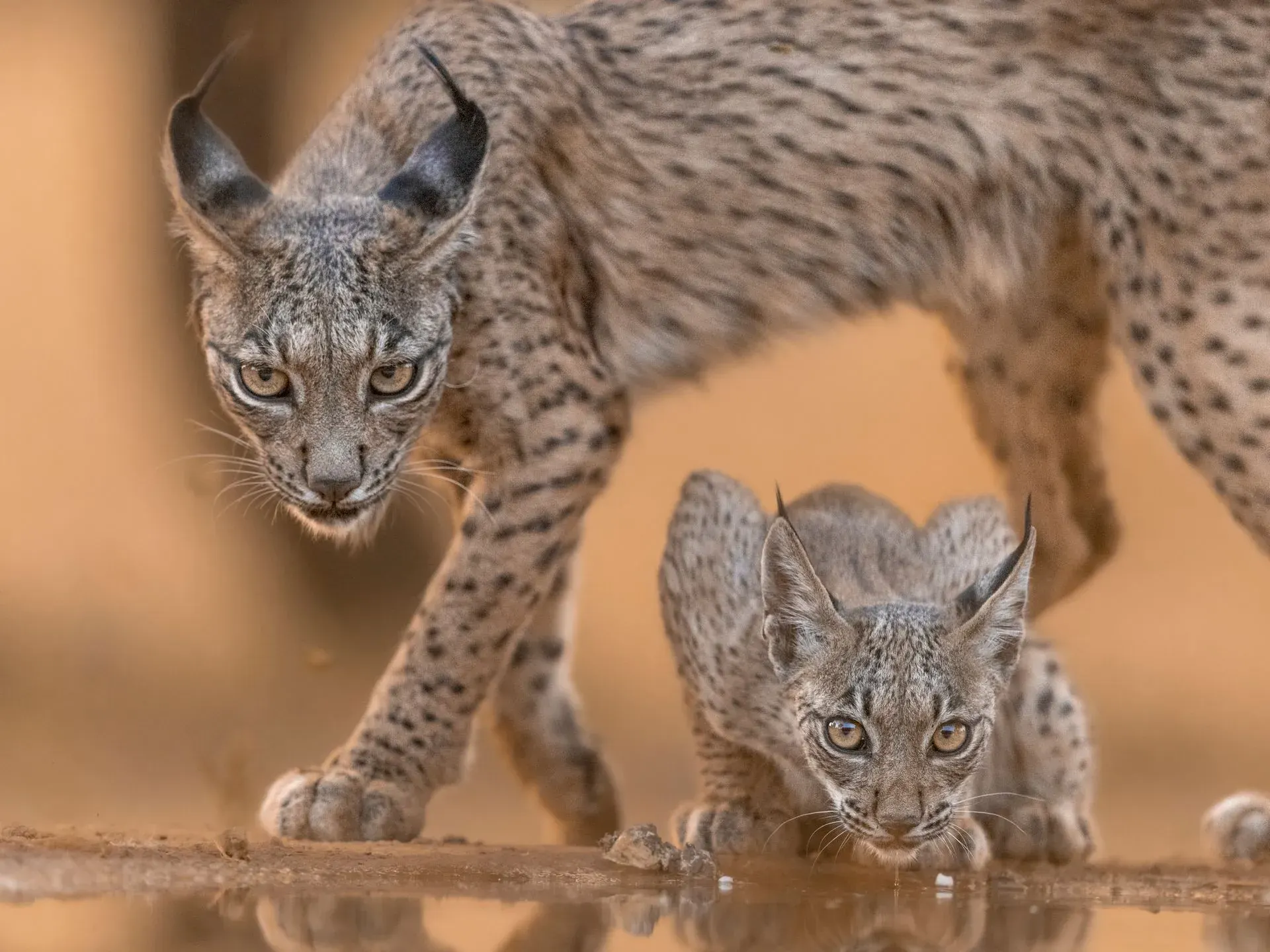
A captivating scene of an Iberian lynx and its cub in their natural habitat in Spain.
Fauna ibérica

The Iberian lynx mating season: when it happens and how to plan a lynx-watching trip

November 10, 2026