Natsnap
  1. Home
  2. Animals
  3. Slaty Flowerpiercer
Natsnap
Trips and HidesAboutTaxonomySimilar Species
Natsnap
SearchAnimalsTripsHides
ProfessionalsAbout UsBlogContact

Legal Information

Legal NoticePrivacy PolicyCookies PolicyTerms of Service

Supported by

Gipuzkoako Foru Aldundia / Diputación Foral de GipuzkoaGrupo SPRI Taldea

© 2026 NatSnap. All rights reserved.

Slaty Flowerpiercer

Diglossa plumbea

Recent sightings

WHERE TO SEE

Recent sightings

Cargando mapa...
Slaty Flowerpiercer
Slaty Flowerpiercer
Slaty Flowerpiercer
Slaty Flowerpiercer
Slaty Flowerpiercer
Slaty Flowerpiercer
1 / 6

Experiences to see Slaty Flowerpiercer

There are no published experiences tagged with Slaty Flowerpiercer yet.

SEE MORE

About the species

The slaty flowerpiercer (Diglossa plumbea) is a passerine bird endemic to the Talamancan montane forests.

This is a common bird in mountain forest canopy and edges, and especially in sunlit clearings and areas with flowering shrubs, which can include gardens. The lower altitudinal limit of its breeding range increases from 1200 m in the north of Costa Rica to 1900 m in the southern mountains. It is found well above the timberline in páramo habitat.

The large cup nest, built by the female, is made of coarse plant material and lined with fine fibres. It is placed 0.4 to 4 m up in a dense shrub, grass tussock or pine. The clutch is two brown-speckled pale blue eggs, which are incubated by the female alone for 12–14 days to hatching.

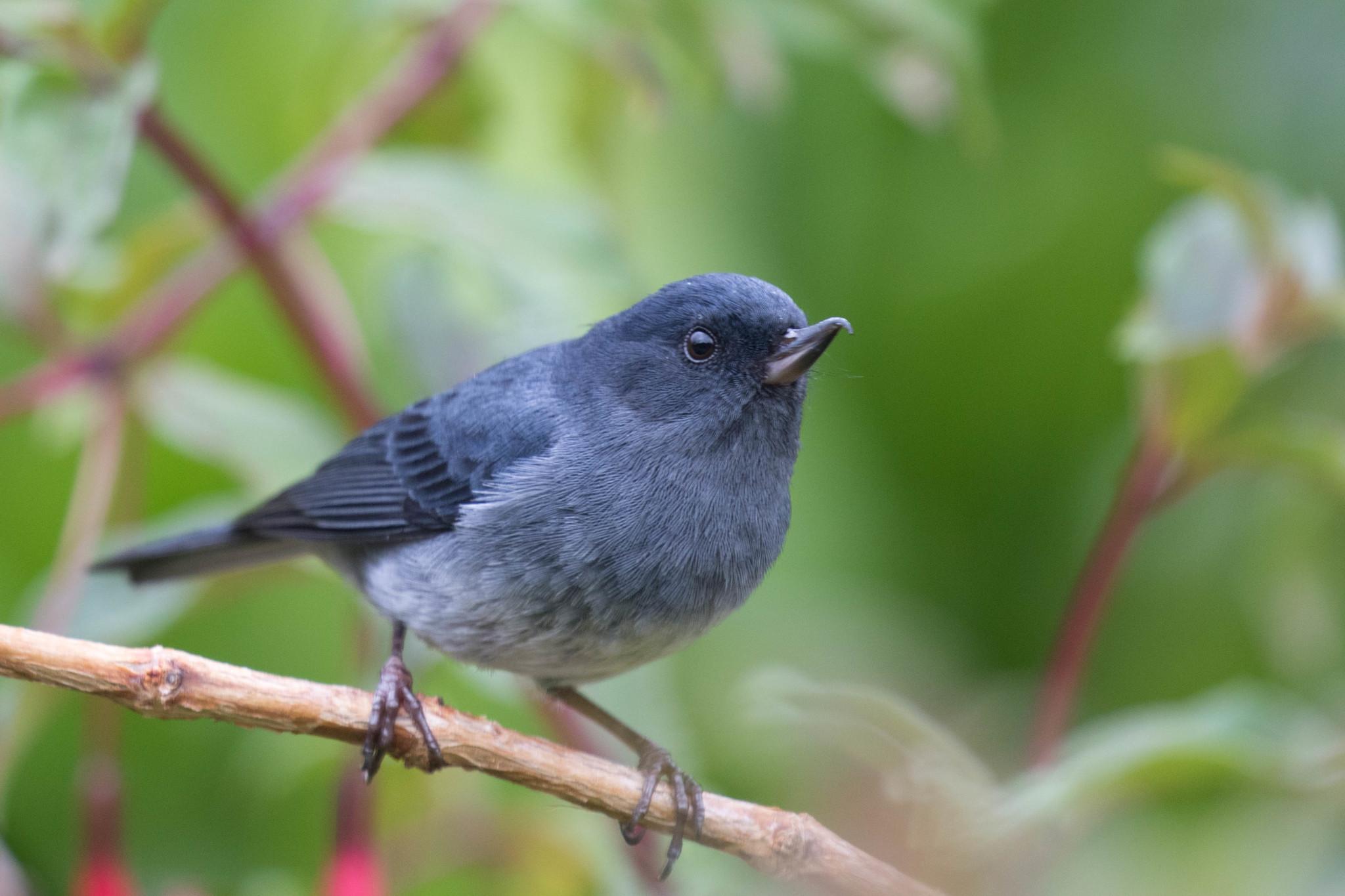
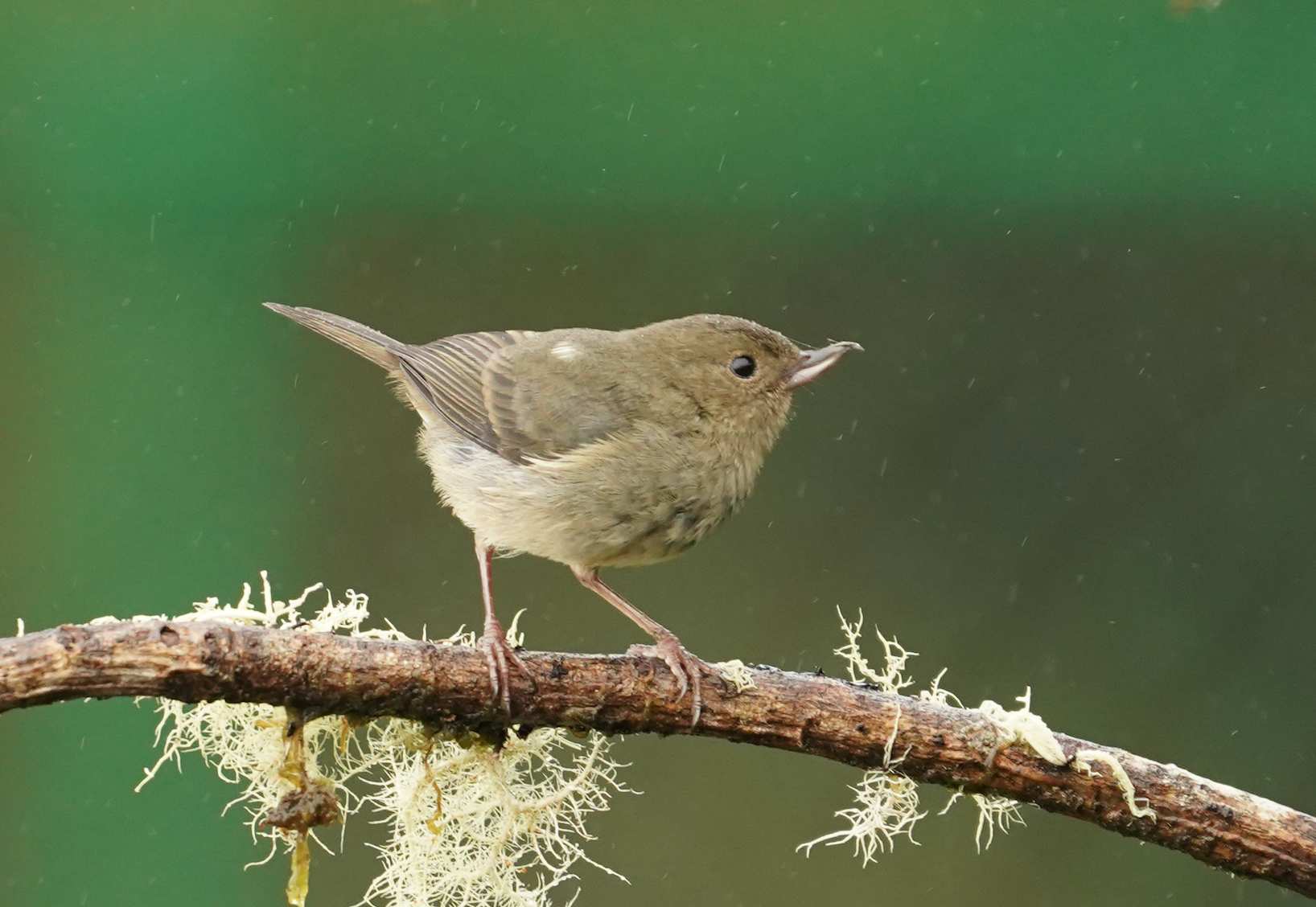
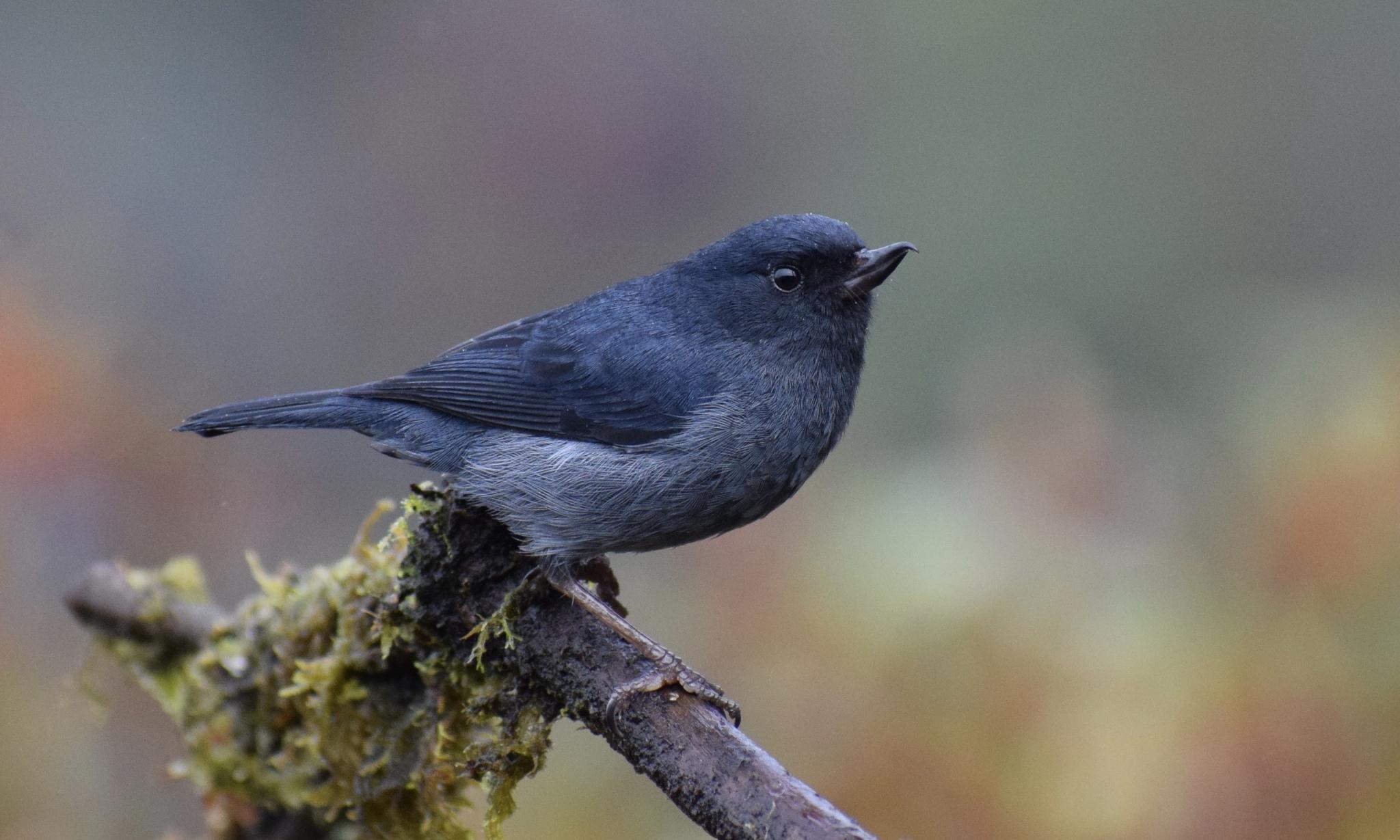
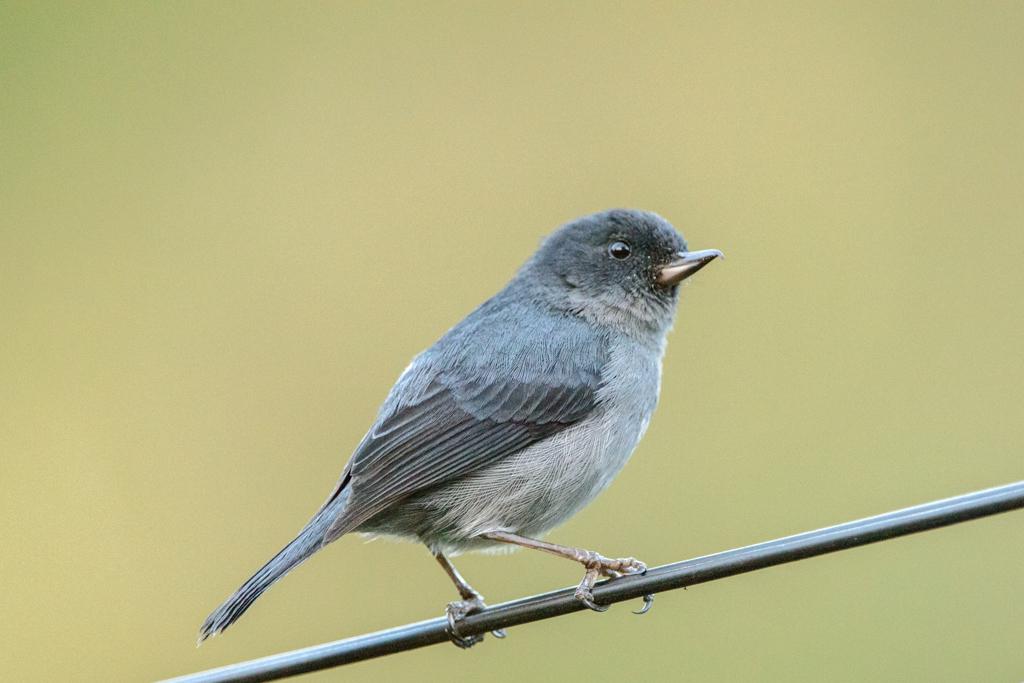
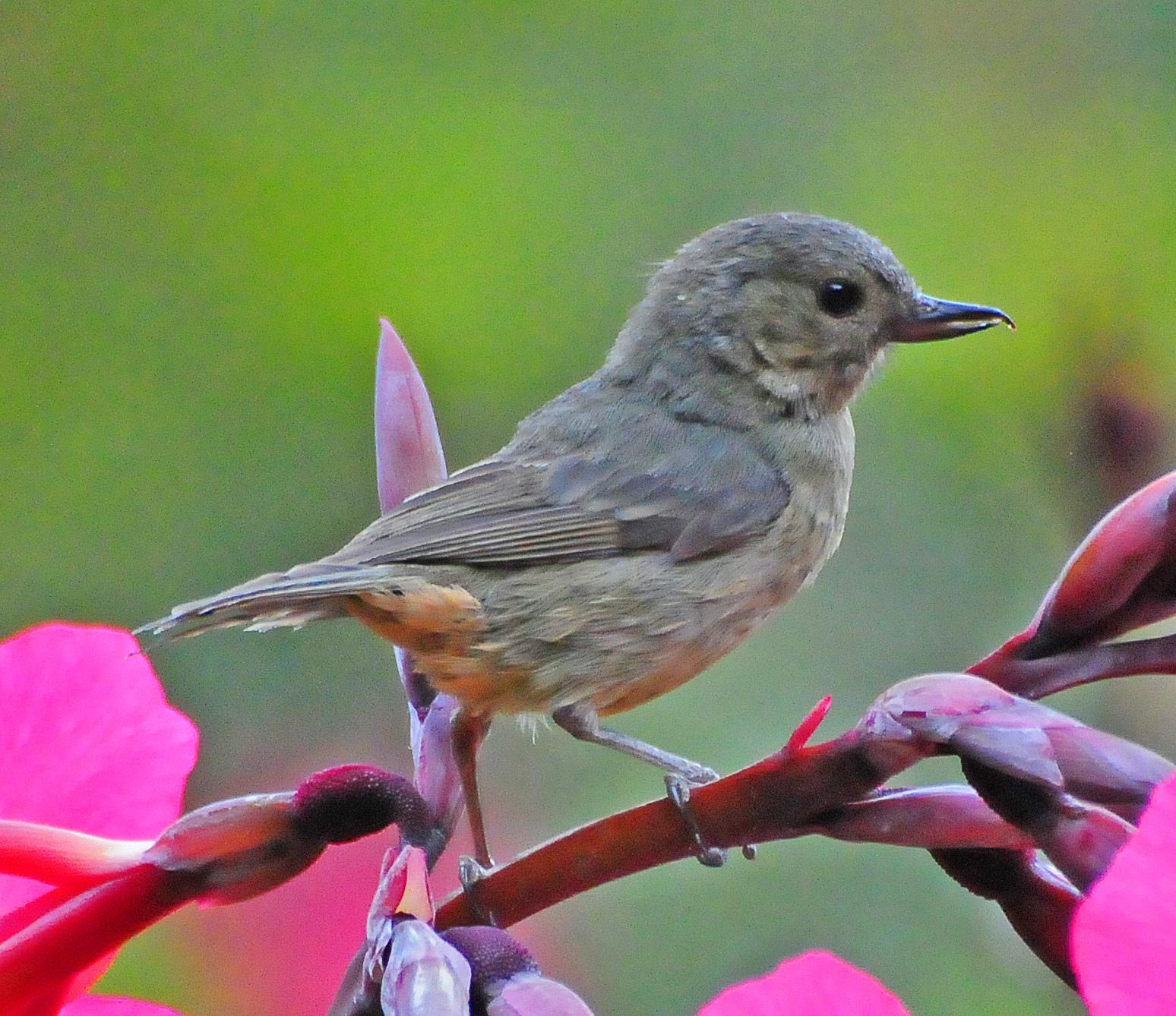
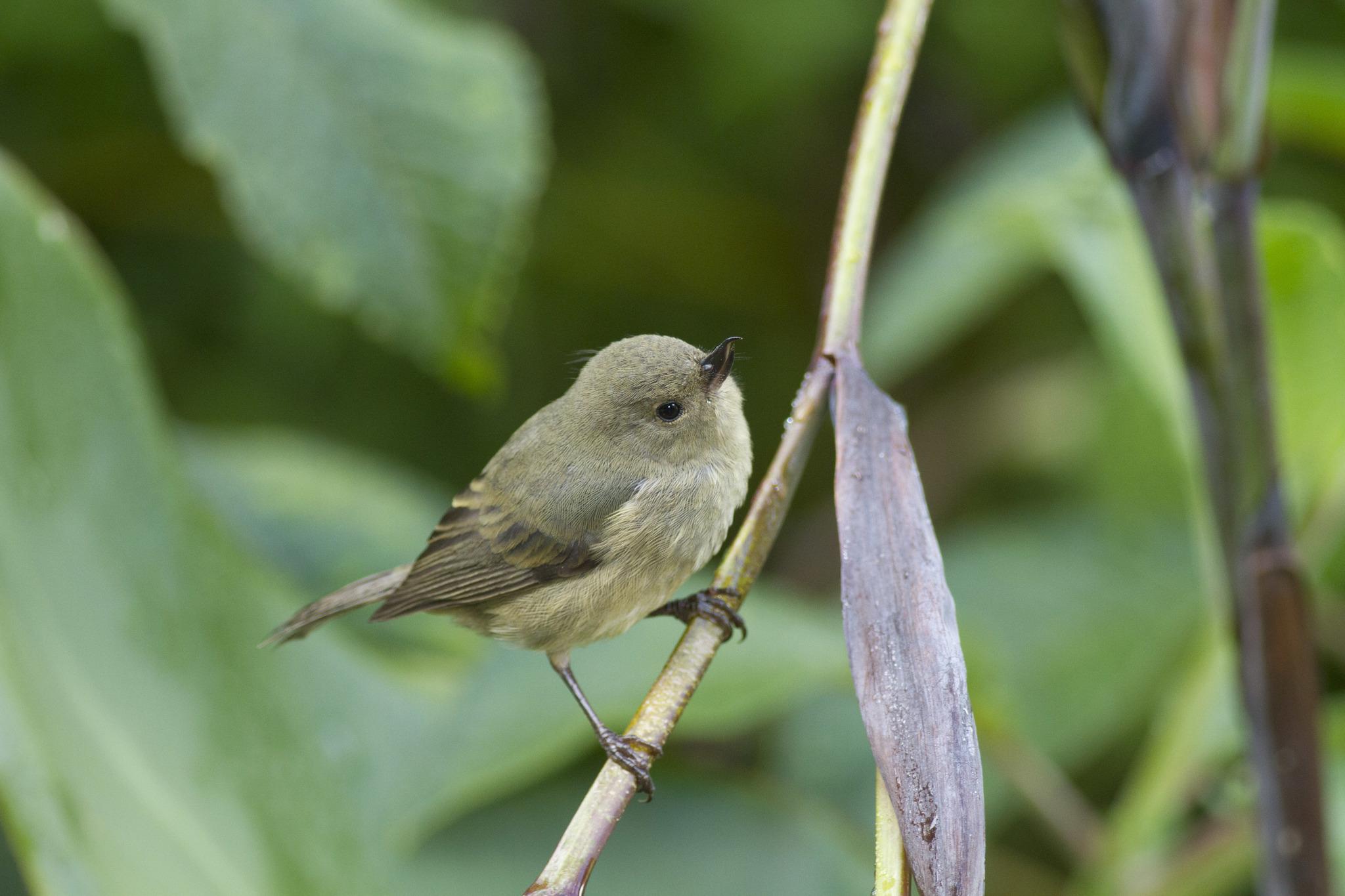
The slaty flowerpiercer has an upturned bill with a hooked upper mandible and pointed lower mandible. It is 10 cm long and weighs 9 g. The adult male is blue-grey with a lead-grey throat and breast. The tail and wings are blackish with grey feather edges. The ...

Source: Wikipedia
Recent Publications

Loading articles…

See more articles
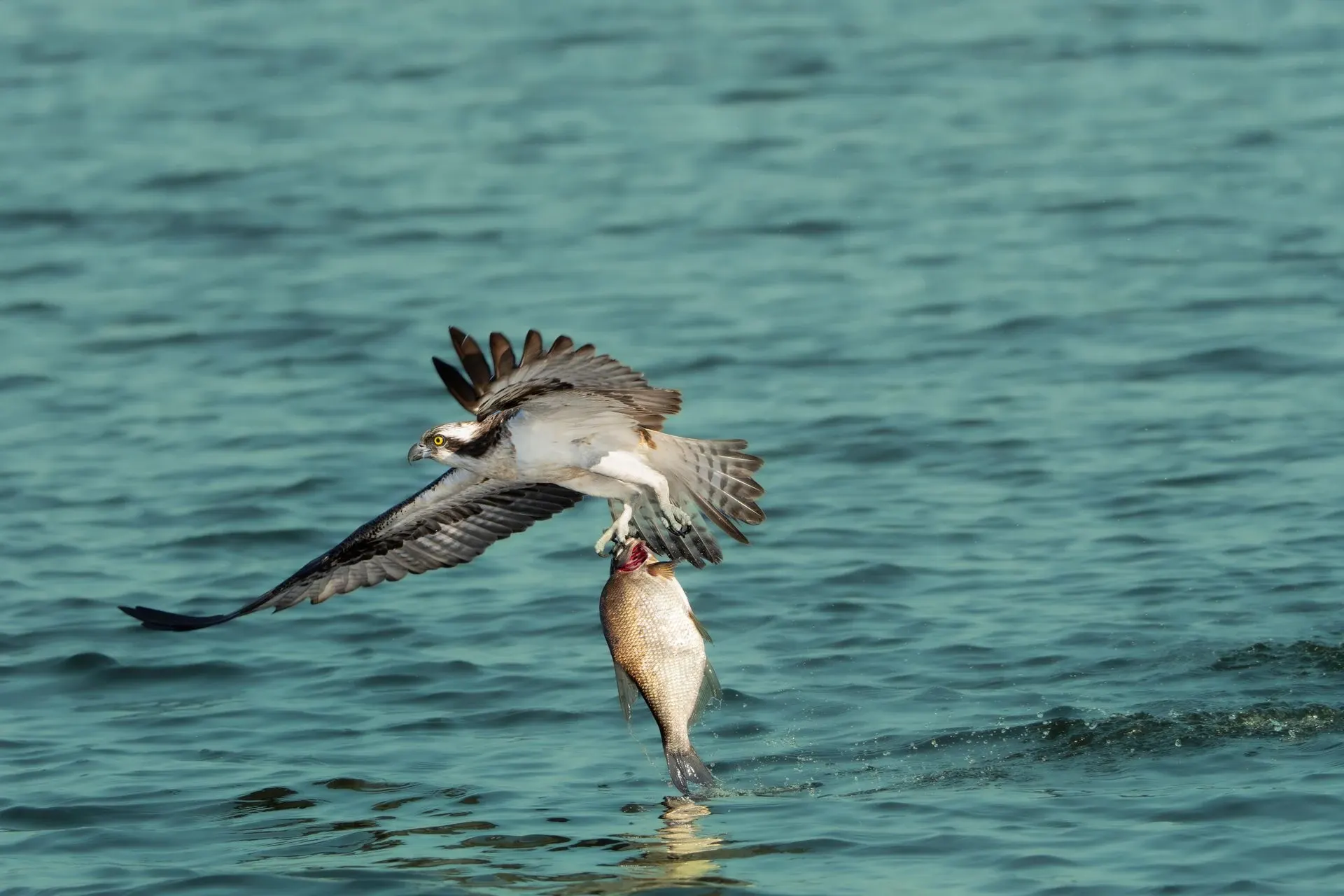
A dramatic shot of an osprey flying over the water with a fish in its talons, illustrating the relationship between predator and prey.
Birdwatching

Where to see ospreys in the Odiel Marshes in winter

November 17, 2026
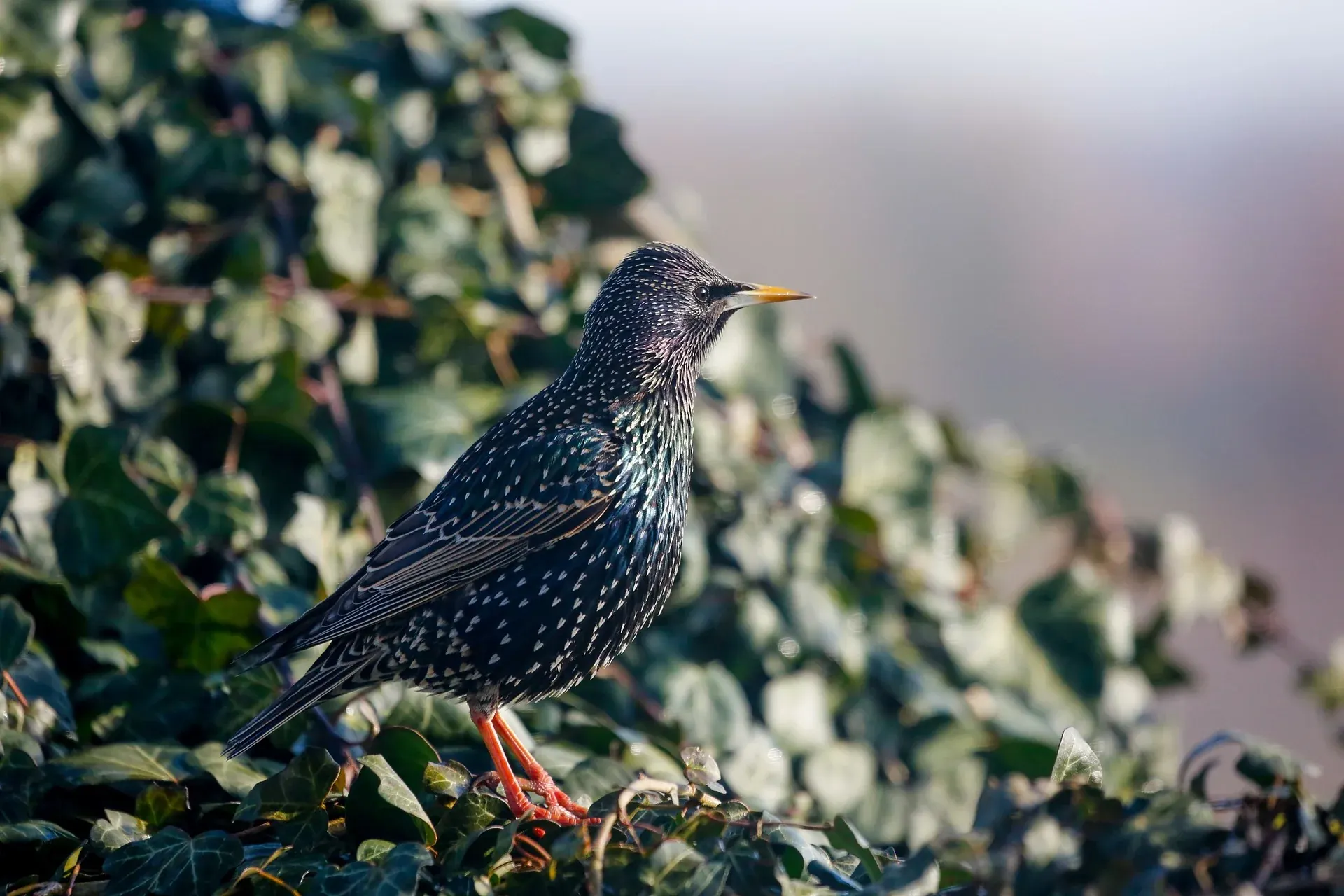
A common starling perched on ivy in soft natural light.
Animales NatSombrosos

Why starlings gather in large flocks at dusk and how they move together

November 12, 2026
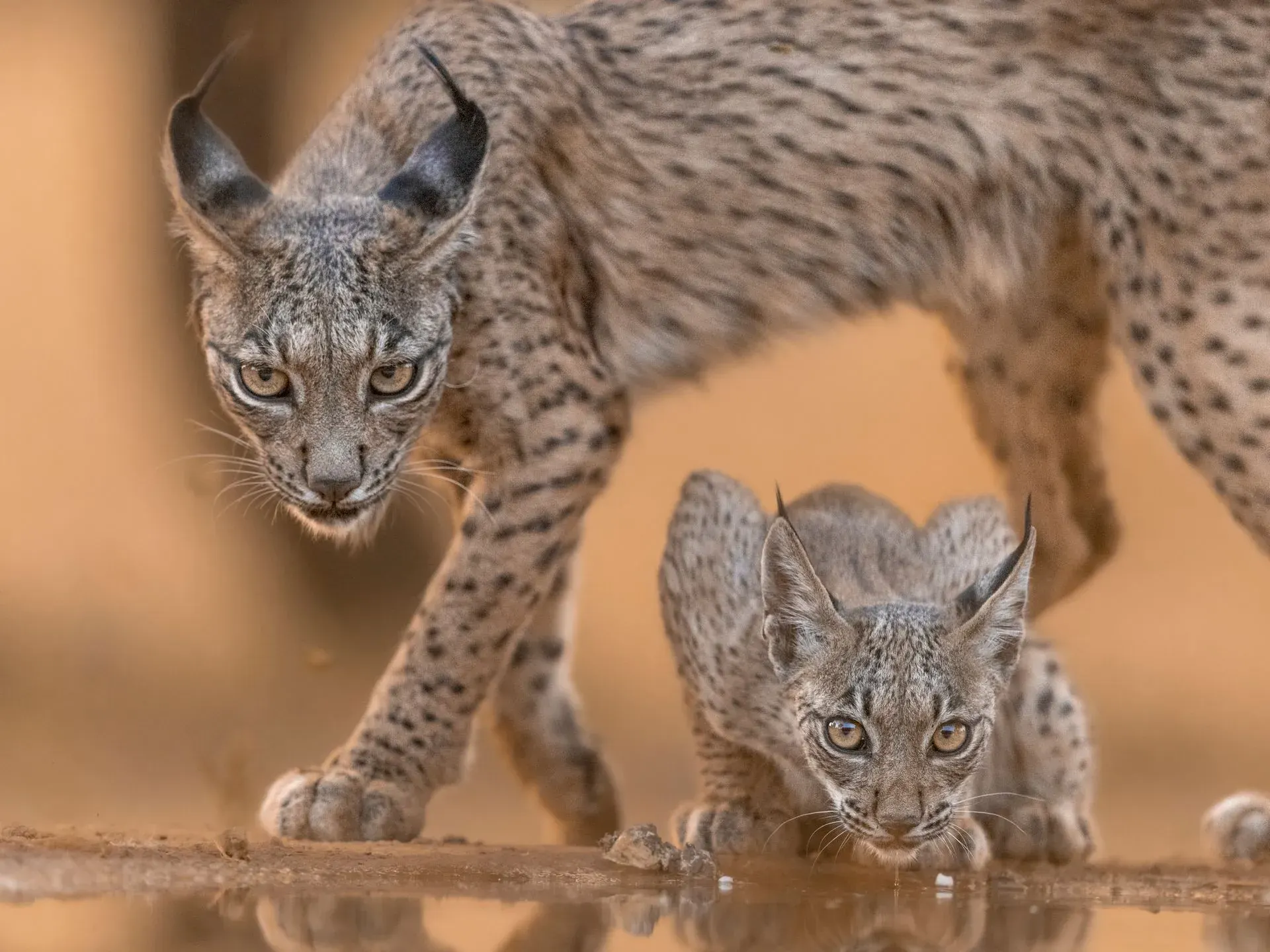
A captivating scene of an Iberian lynx and its cub in their natural habitat in Spain.
Fauna ibérica

The Iberian lynx mating season: when it happens and how to plan a lynx-watching trip

November 10, 2026