Natsnap
  1. Home
  2. Animals
  3. Red Belted Bumble Bee
Natsnap
Trips and HidesAboutTaxonomySimilar Species
Natsnap
SearchAnimalsTripsHides
ProfessionalsAbout UsBlogContact

Legal Information

Legal NoticePrivacy PolicyCookies PolicyTerms of Service

Supported by

Gipuzkoako Foru Aldundia / Diputación Foral de GipuzkoaGrupo SPRI Taldea

© 2026 NatSnap. All rights reserved.

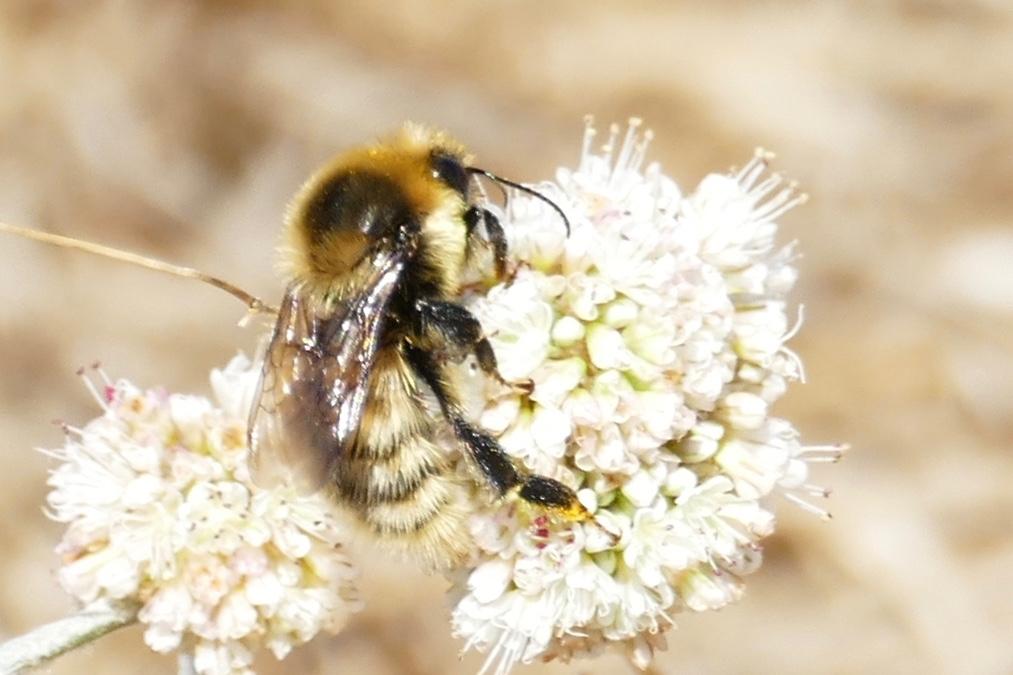
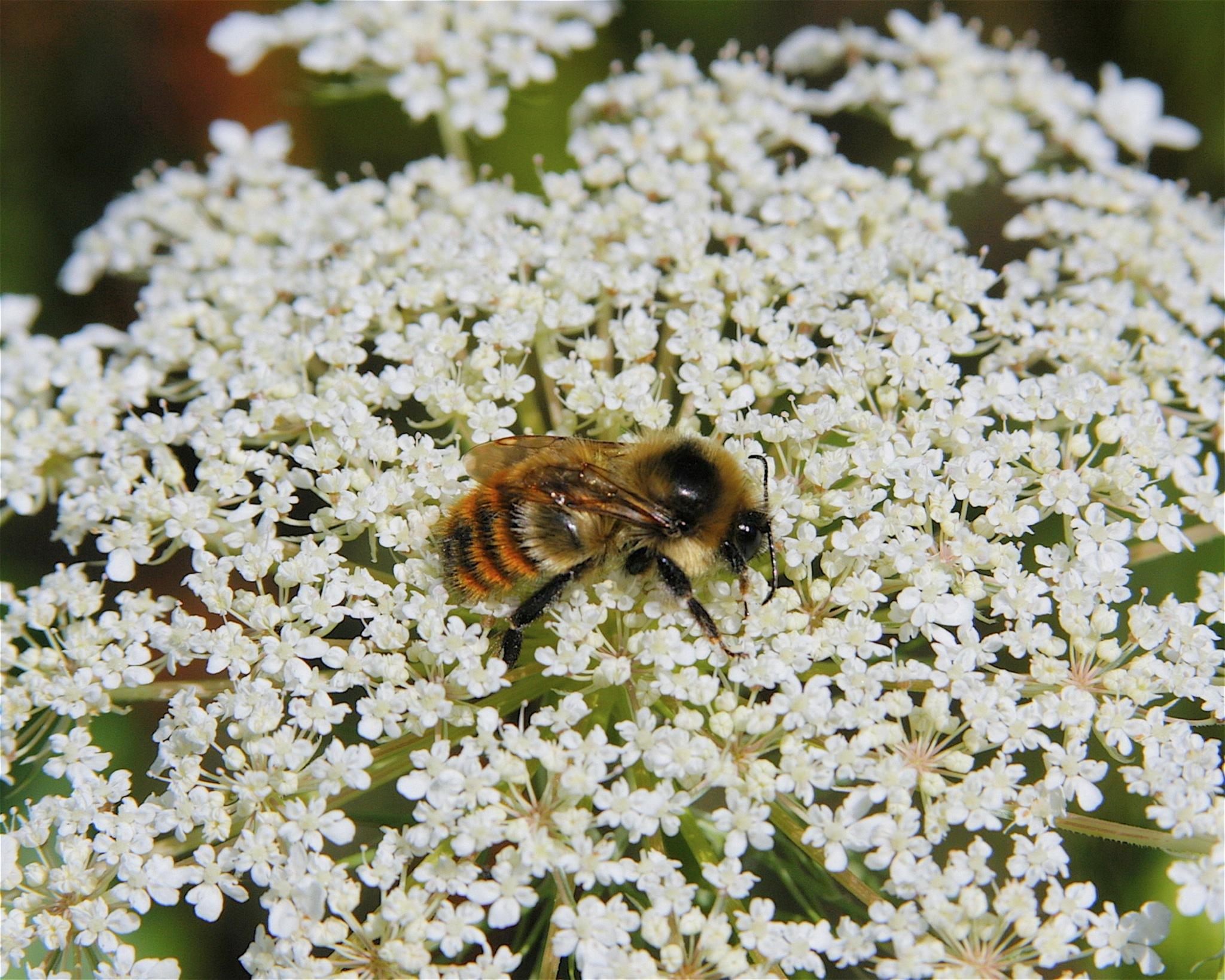
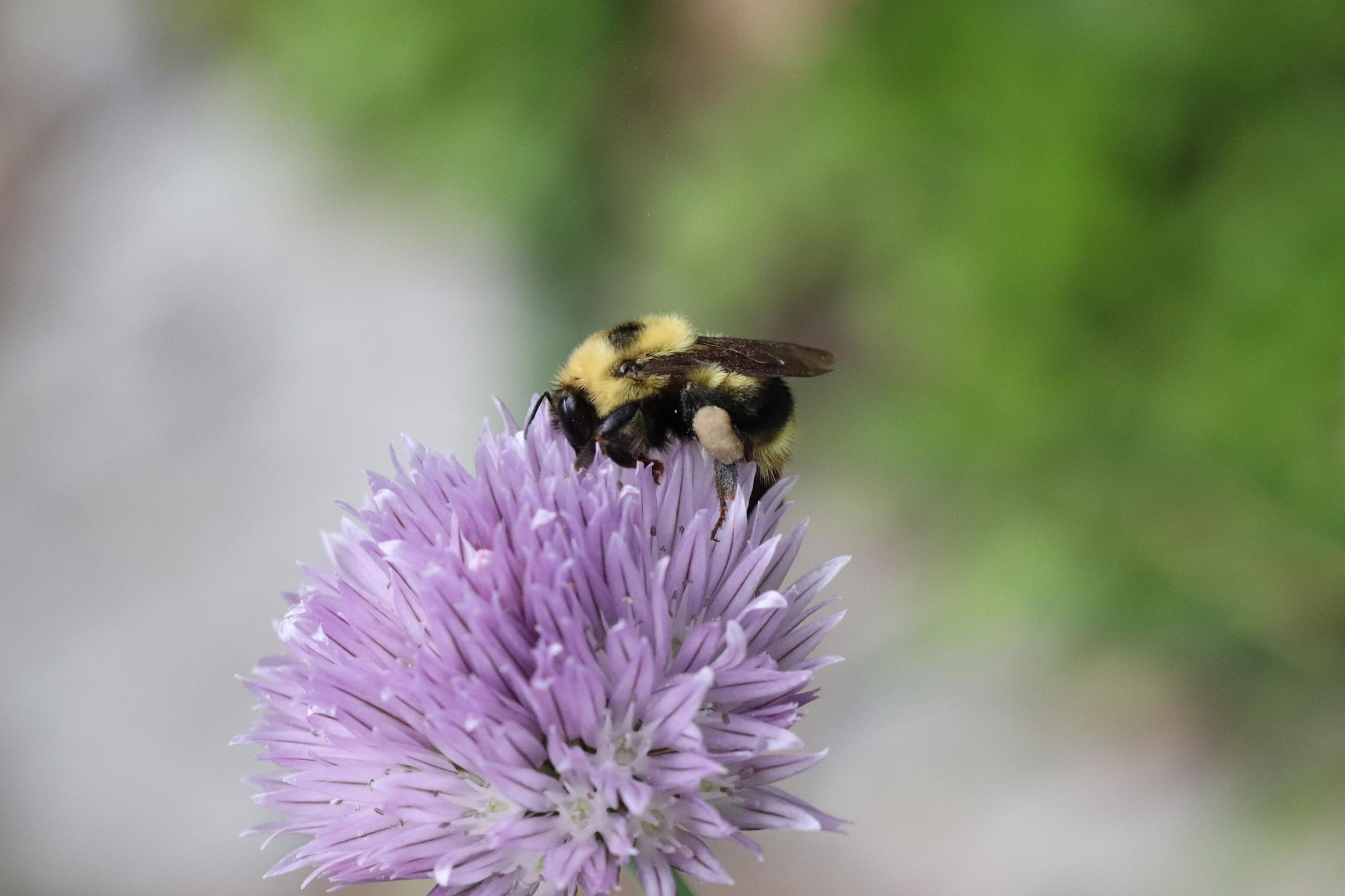
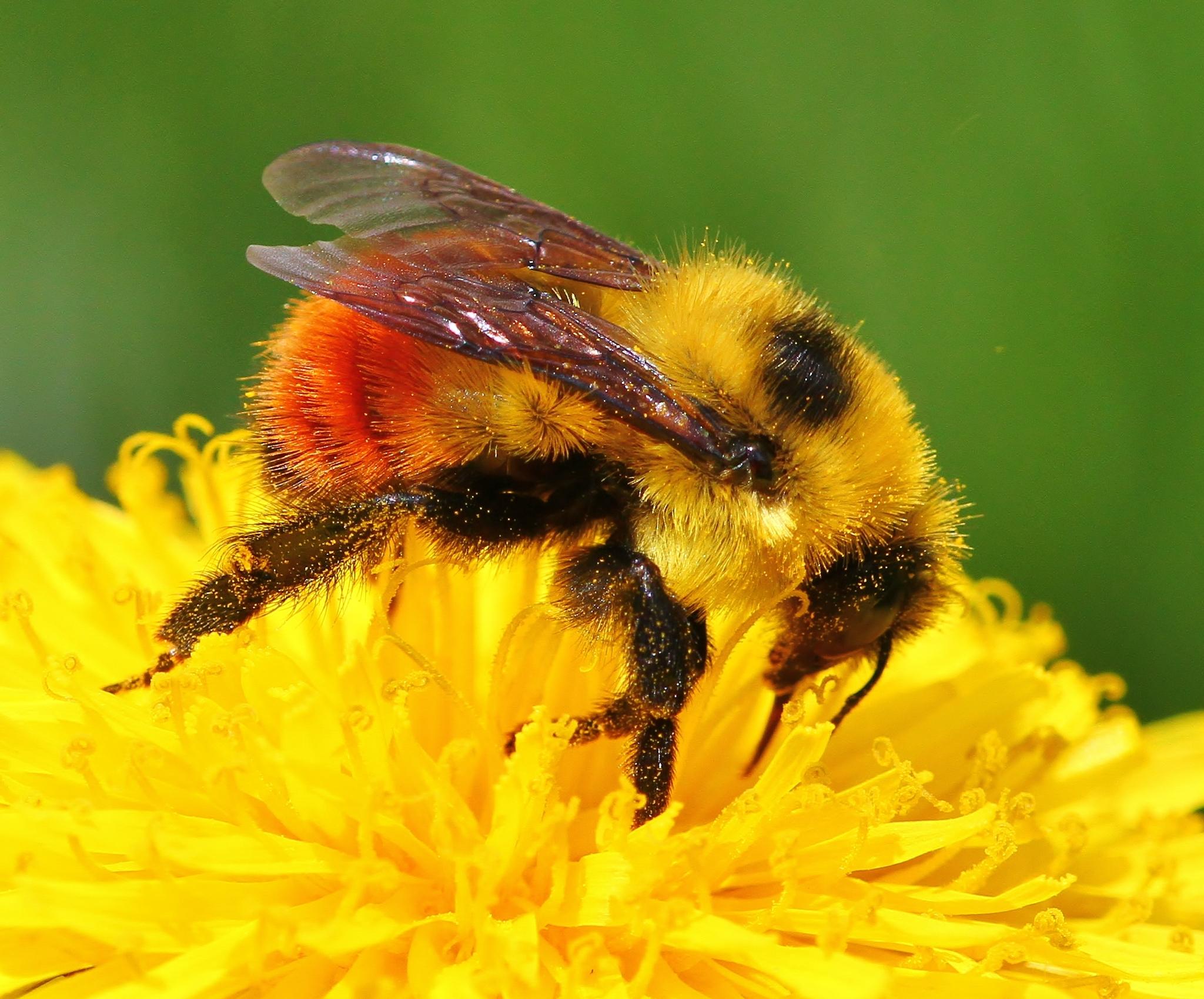
Red-belted Bumble Bee

Bombus rufocinctus

Recent sightings

WHERE TO SEE

Recent sightings

Cargando mapa...
Red-belted Bumble Bee
1 / 12

About the species

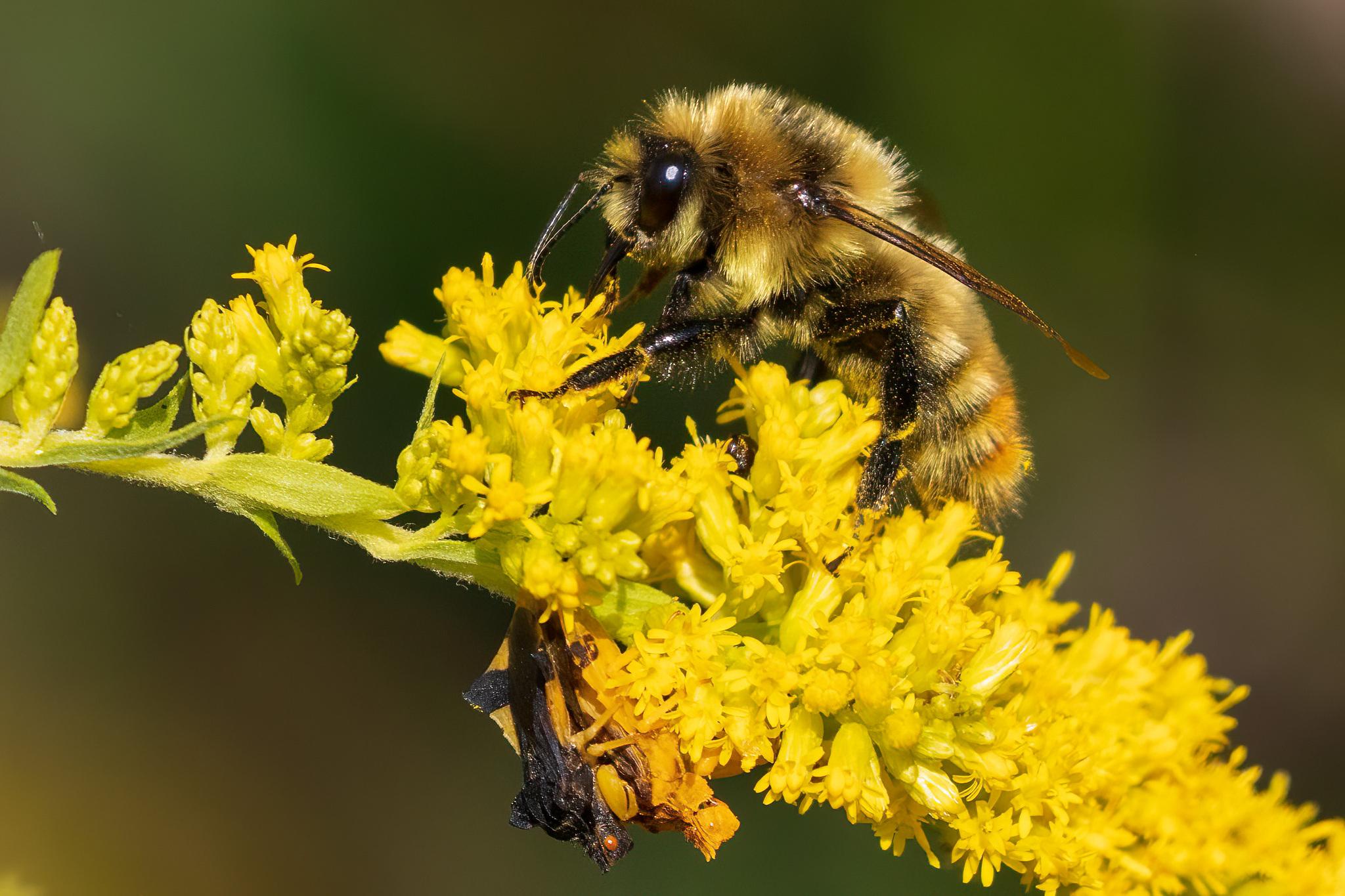
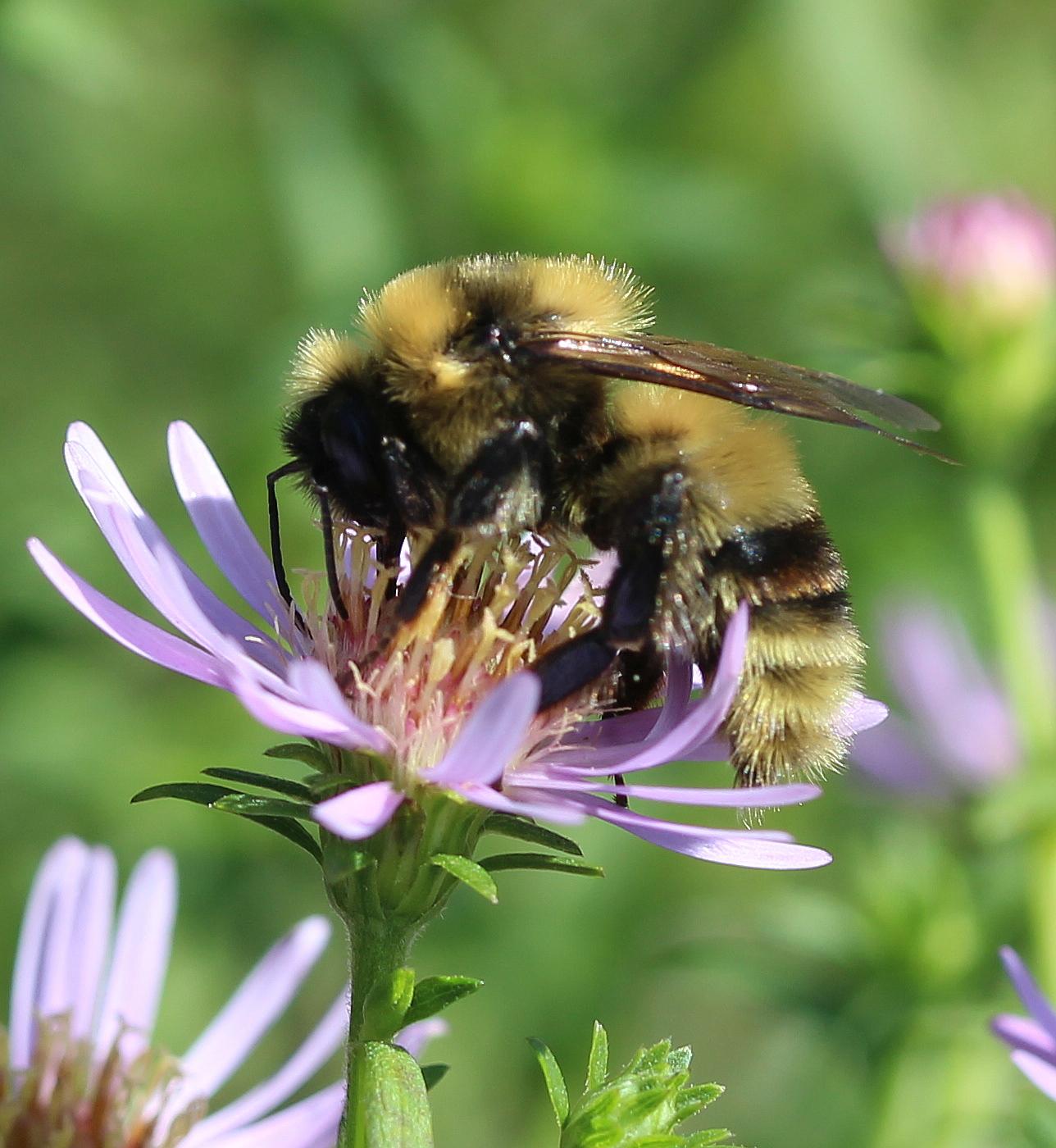
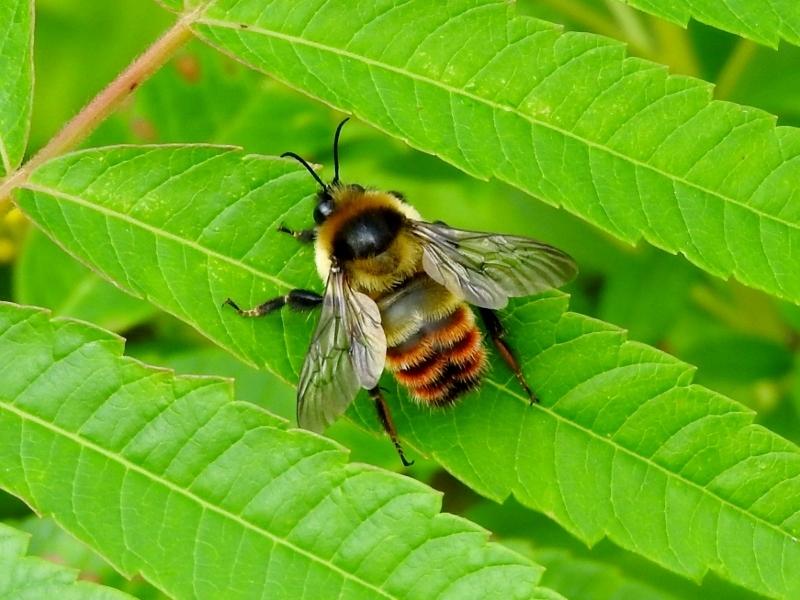
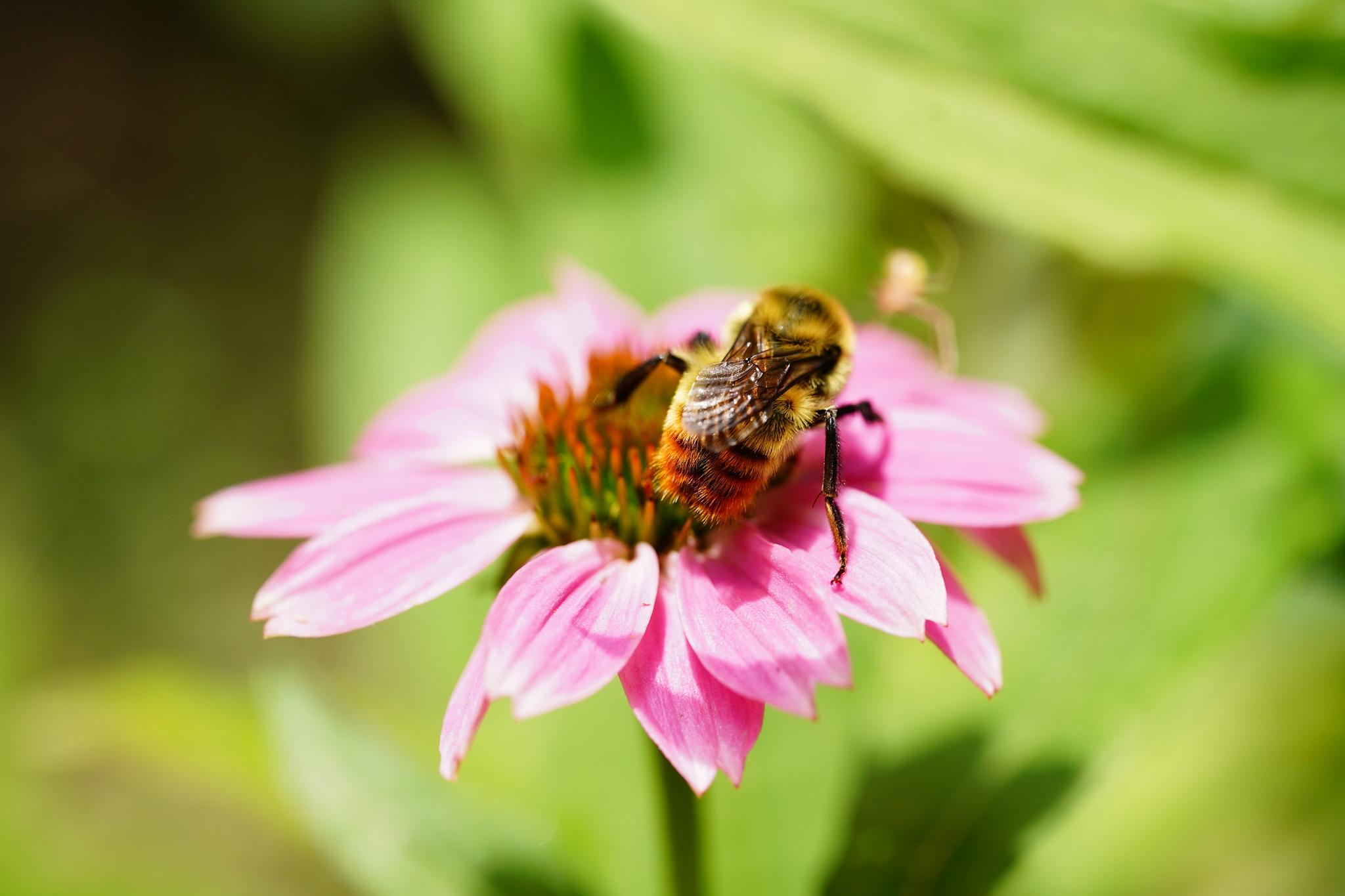
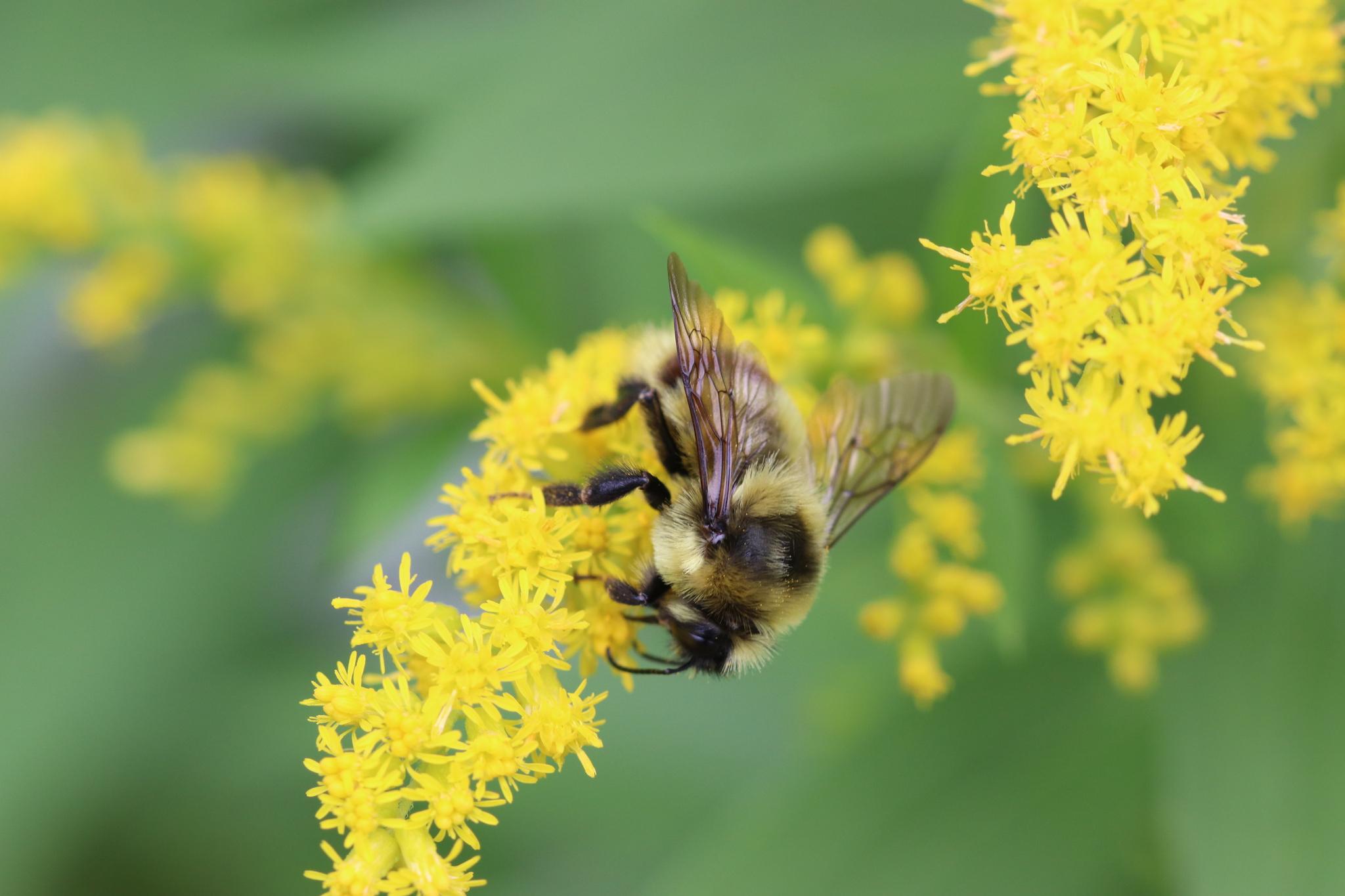
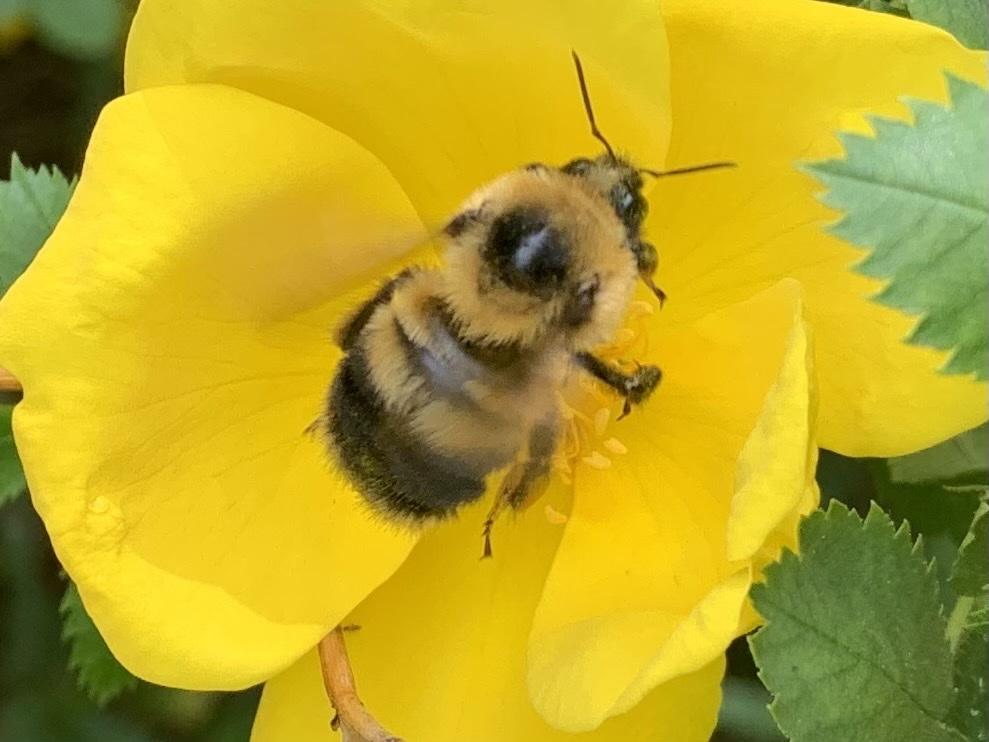
Bombus rufocinctus is a species of bumblebee known commonly as the "red-belted bumblebee". It is native to North America where it has a wide distribution across Canada and the western, midwestern, and northeastern United States. It may occur in Mexico.

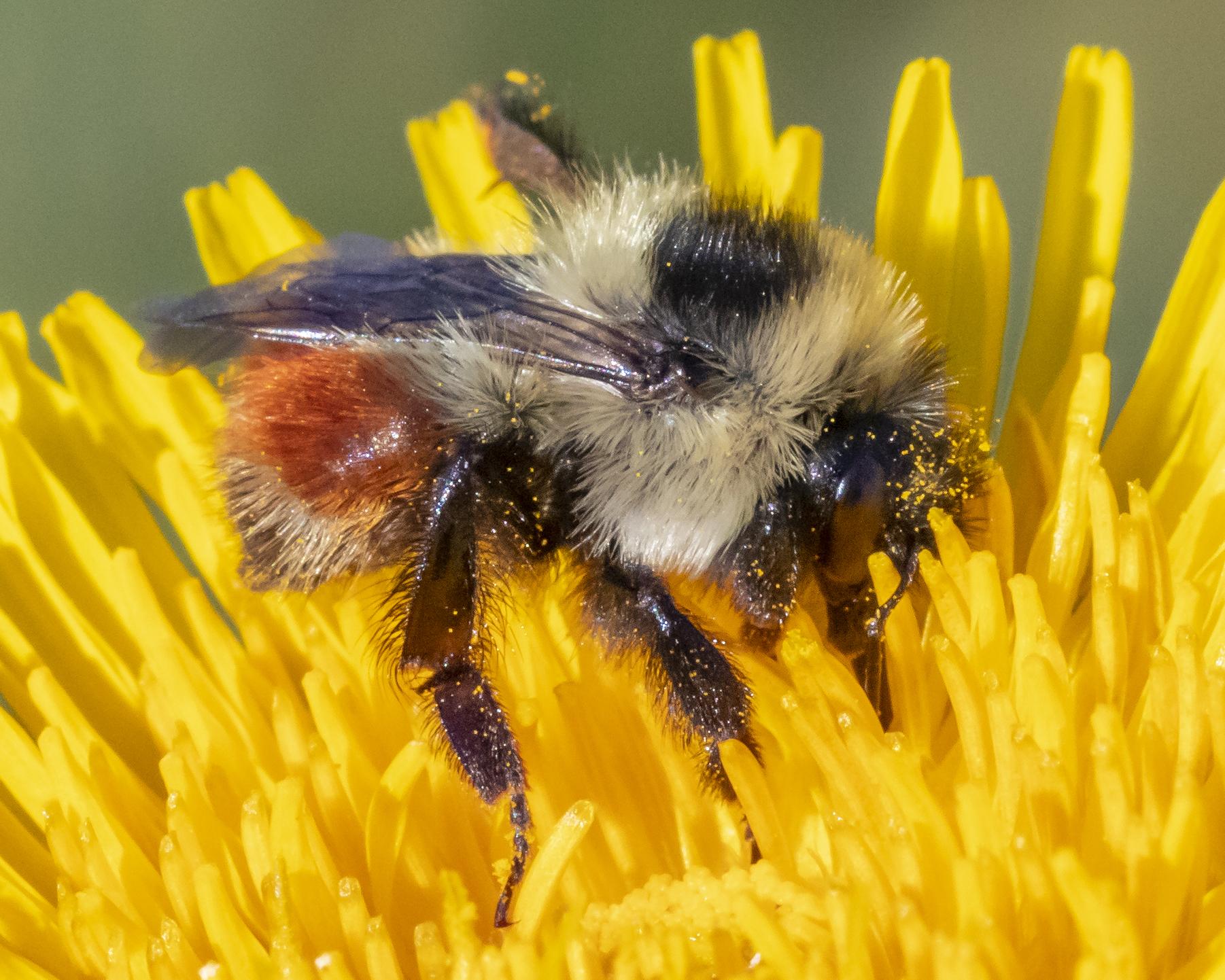
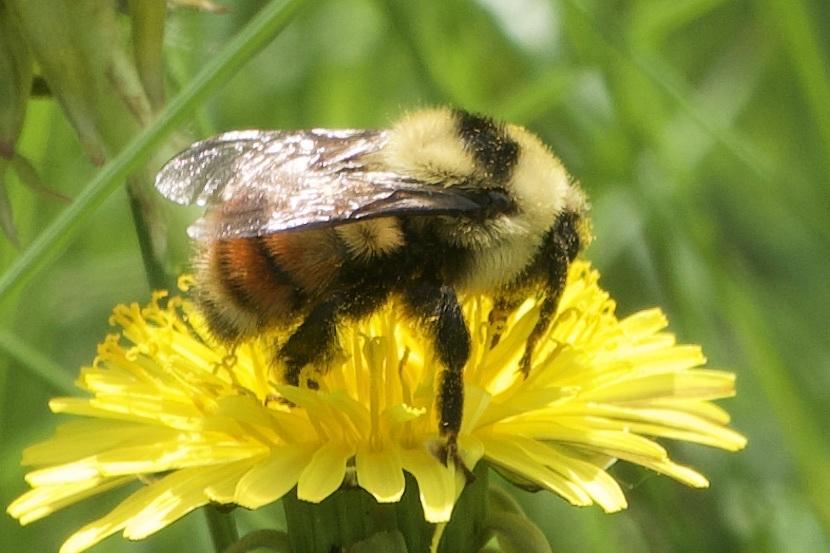
The queen is 1.6 to 1.8 centimeters long and just under a centimeter wide at the abdomen. It is black with scattered gray and yellowish hairs on the head. The abdomen has many bright yellow hairs and areas of reddish hairs. The worker is 1.1 to 1.2 centimeters long and half a centimeter wide at the abdomen. It is similar to the queen but it may have longer hairs. The male is 1.2 to 1.3 centimeters long and half a centimeter wide at the abdomen. It is mostly black with more yellow on the head and abdomen. This species displays four genetically controlled color polymorphisms: the second and third abdominal terga may have red or black hairs, and the fourth and fifth may be either yellow or black.

This small, short-tongued bee lives in and a...

Source: Wikipedia
Recent Publications

Loading articles…

See more articles

Experiences to see Red-belted Bumble Bee

There are no published experiences tagged with Red-belted Bumble Bee yet.

SEE MORE
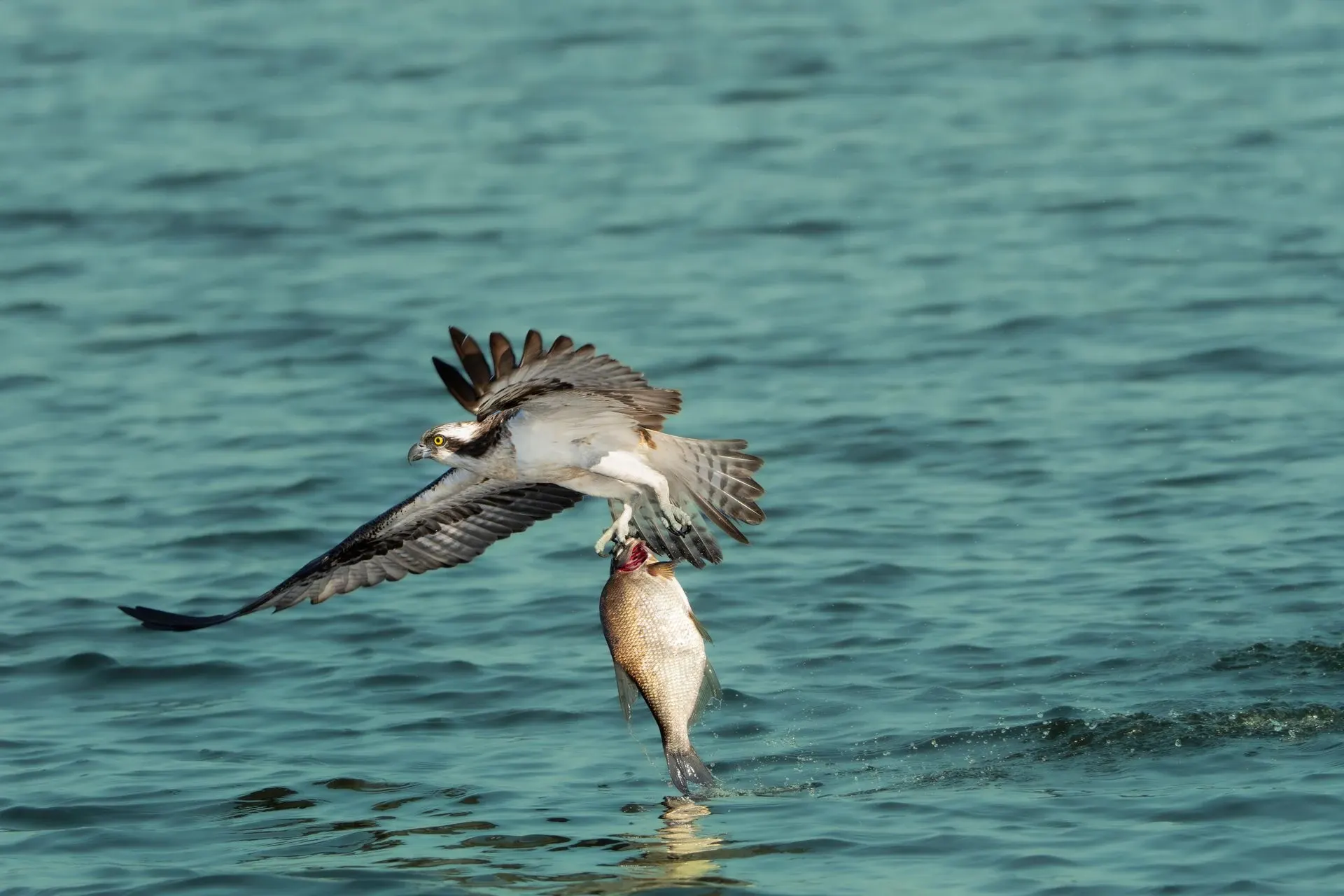
A dramatic shot of an osprey flying over the water with a fish in its talons, illustrating the relationship between predator and prey.
Birdwatching

Where to see ospreys in the Odiel Marshes in winter

November 17, 2026
A common starling perched on ivy in soft natural light.
Animales NatSombrosos

Why starlings gather in large flocks at dusk and how they move together

November 12, 2026
A captivating scene of an Iberian lynx and its cub in their natural habitat in Spain.
Fauna ibérica

The Iberian lynx mating season: when it happens and how to plan a lynx-watching trip

November 10, 2026