Natsnap
  1. Home
  2. Animals
  3. Polistes Austroccidentalis
Natsnap
Trips and HidesAboutTaxonomySimilar Species
Natsnap
SearchAnimalsTripsHides
ProfessionalsAbout UsBlogContact

Legal Information

Legal NoticePrivacy PolicyCookies PolicyTerms of Service

Supported by

Gipuzkoako Foru Aldundia / Diputación Foral de GipuzkoaGrupo SPRI Taldea

© 2026 NatSnap. All rights reserved.

Polistes austroccidentalis

Polistes austroccidentalis

Recent sightings

WHERE TO SEE

Recent sightings

Cargando mapa...
Polistes austroccidentalis
1 / 5

Experiences to see Polistes austroccidentalis

There are no published experiences tagged with Polistes austroccidentalis yet.

SEE MORE

About the species

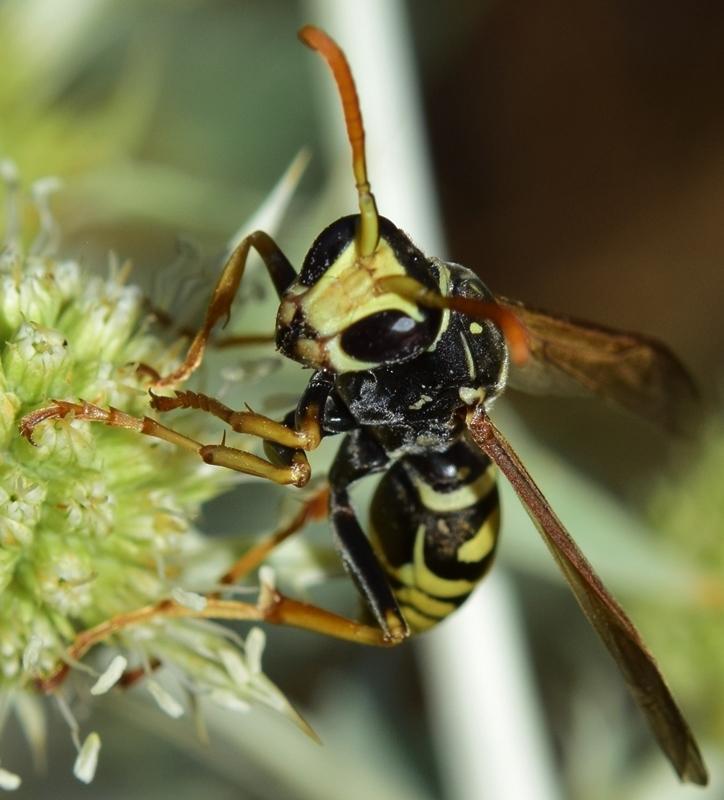
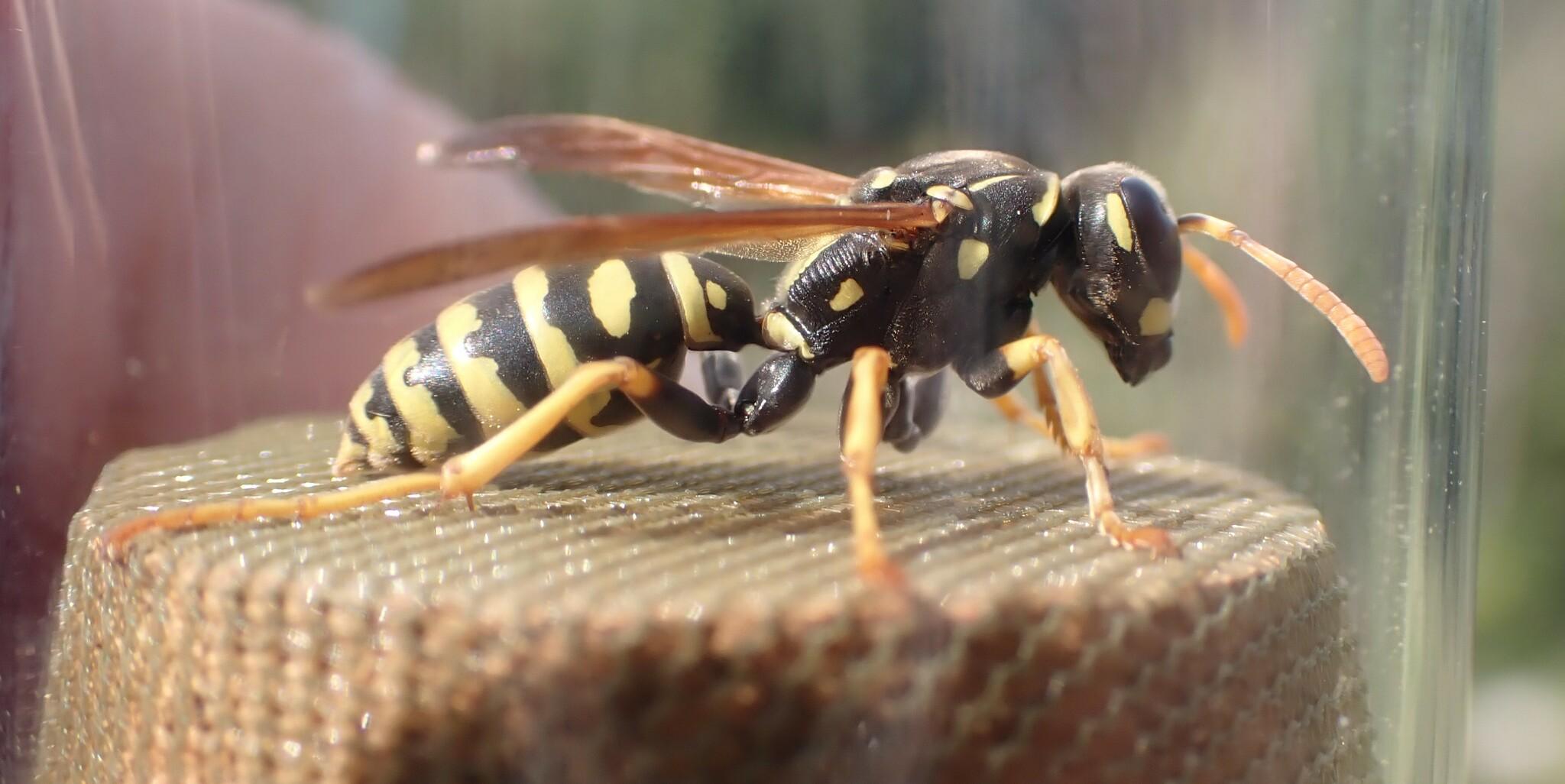
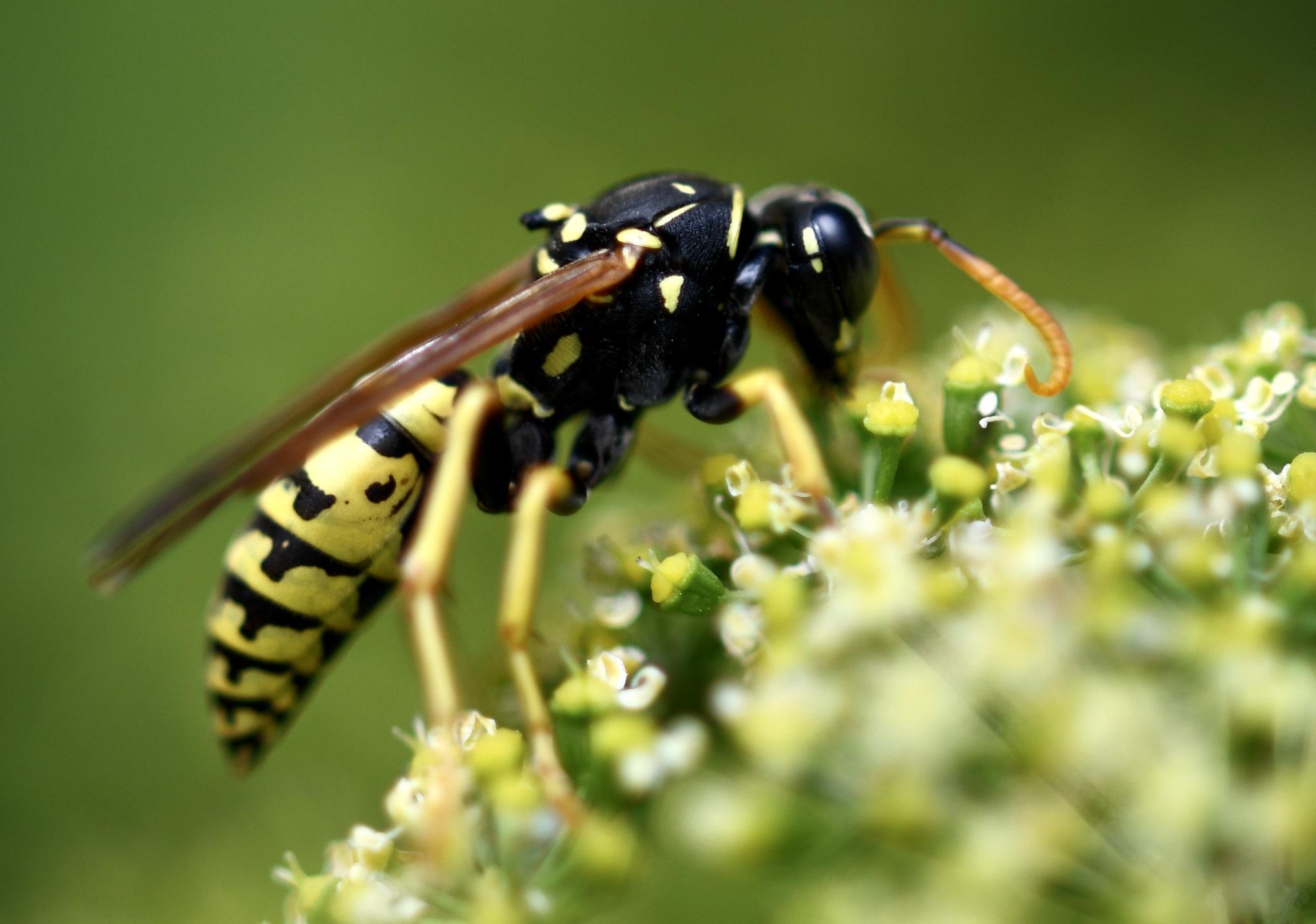
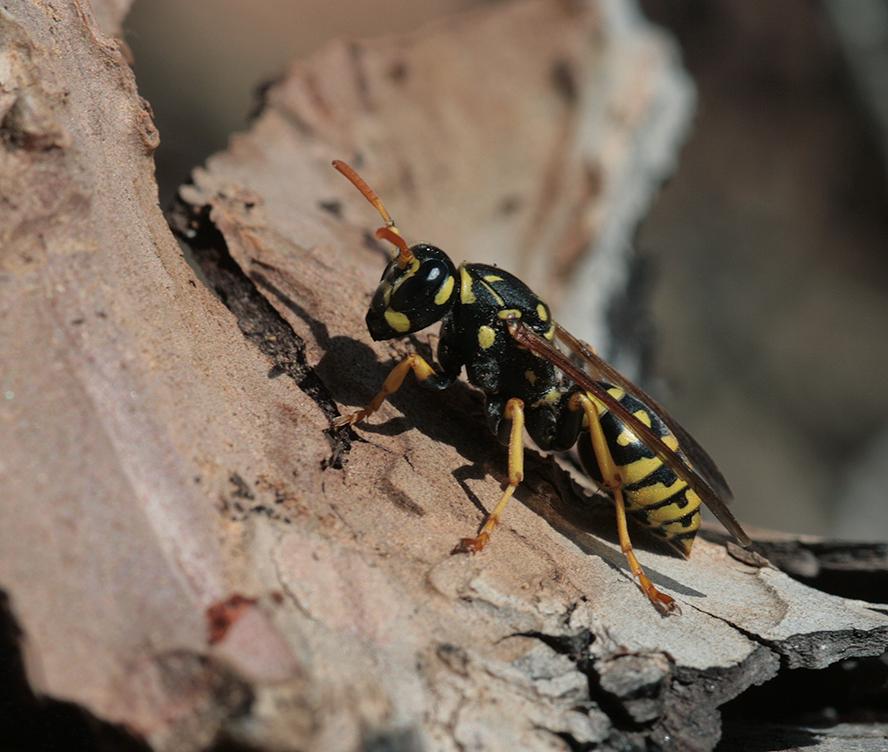
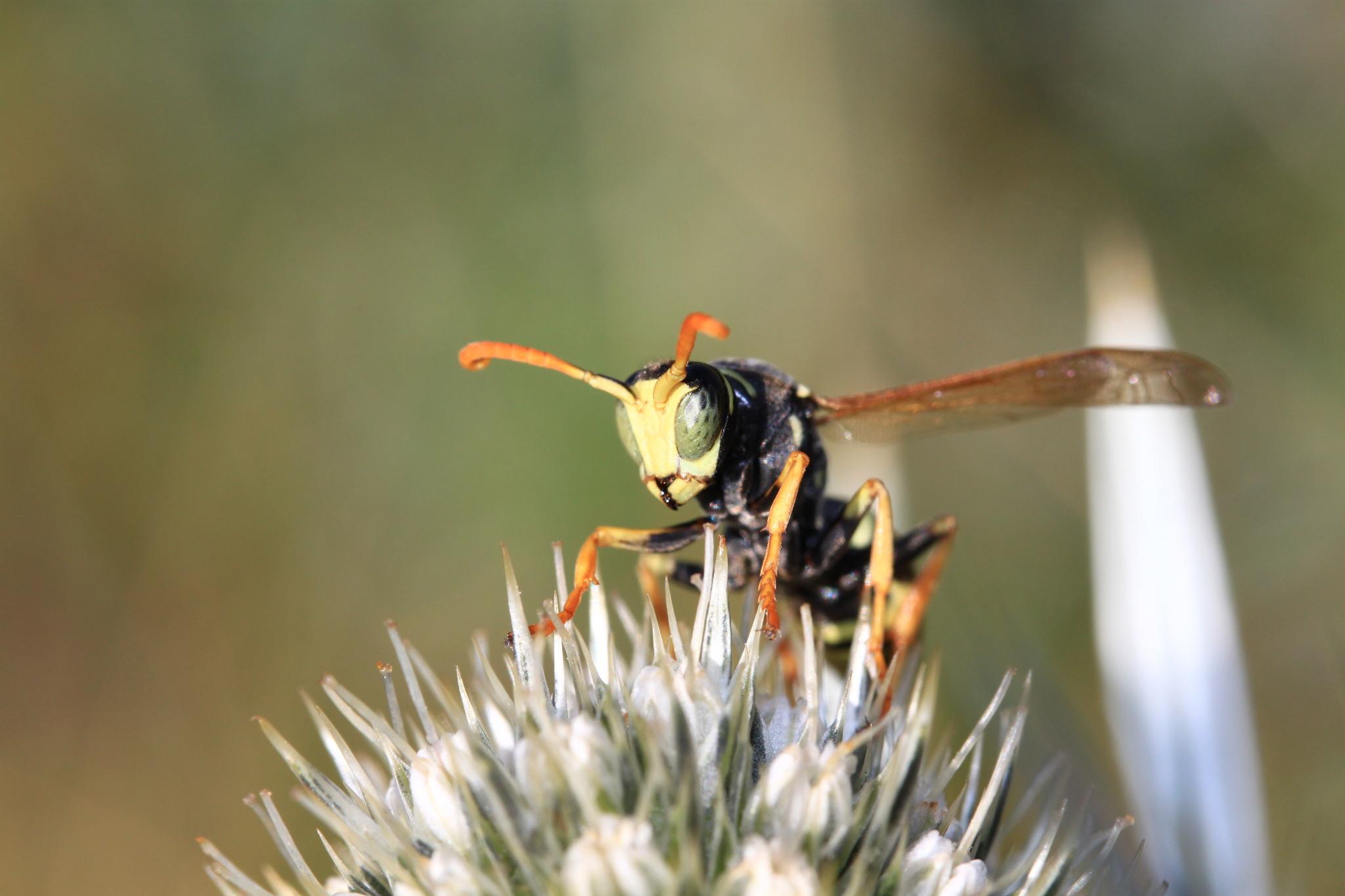
Polistes austroccidentalis is a kleptoparasitic paper wasp that is found in several regions of high altitude in Europe, and until 2017 was universally mistakenly referred to as Polistes semenowi, which is instead the correct name of the species formerly known as "Polistes sulcifer". As one of only four obligate parasites in the subgenus Polistes, it uses the nests of other paper wasps to rear its young. To evade detection by the host nest, P. austroccidentalis employs mimicry by adjusting its cuticular hydrocarbons to match those of the host. Once the host nest has been infiltrated, the parasitic female physically attacks the host queen to subdue her and become the colony's new queen. P. austroccidentalis displays several morphological adaptations for parasitism such as increased mandible size and an enlarged Van der Vecht's organ. This species is unusual because it does not have the ability to produce workers and is only able to produce individuals who have the capacity to reproduce.

Source: Wikipedia
Recent Publications

Loading articles…

See more articles
A dramatic shot of an osprey flying over the water with a fish in its talons, illustrating the relationship between predator and prey.
Birdwatching

Where to see ospreys in the Odiel Marshes in winter

November 17, 2026
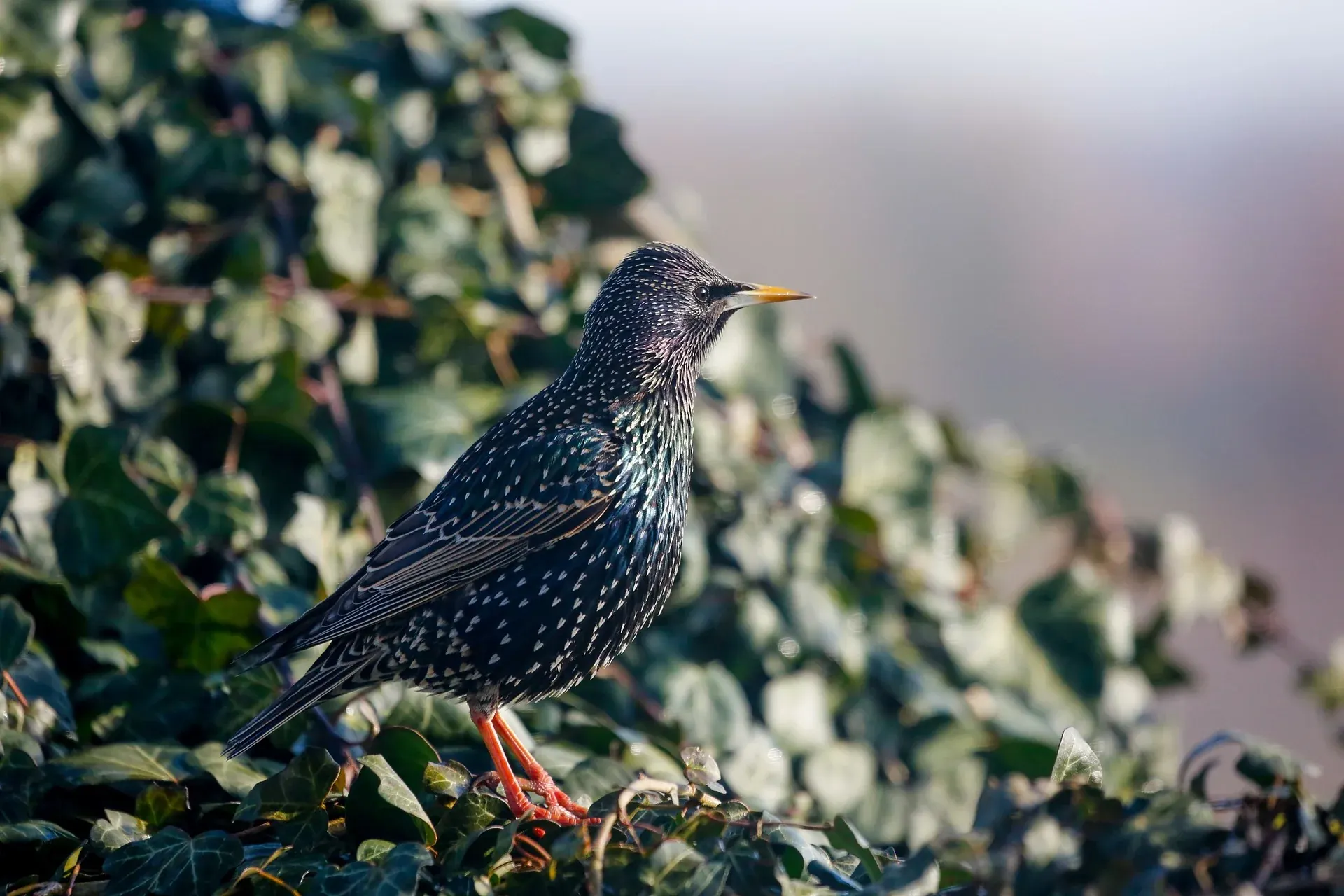
A common starling perched on ivy in soft natural light.
Animales NatSombrosos

Why starlings gather in large flocks at dusk and how they move together

November 12, 2026
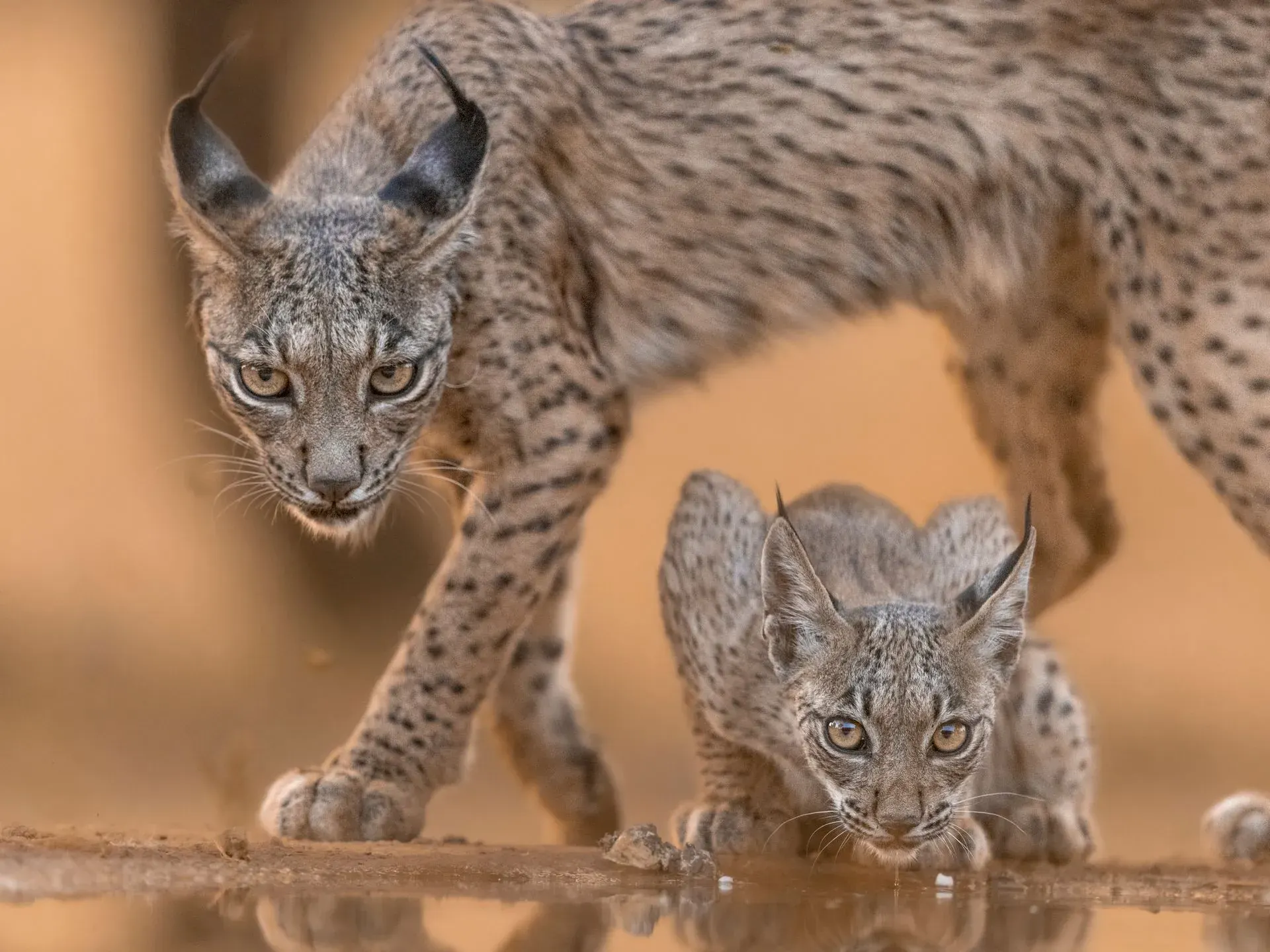
A captivating scene of an Iberian lynx and its cub in their natural habitat in Spain.
Fauna ibérica

The Iberian lynx mating season: when it happens and how to plan a lynx-watching trip

November 10, 2026