Natsnap
  1. Home
  2. Animals
  3. Perplexing Bumble Bee
Natsnap
Trips and HidesAboutTaxonomySimilar Species
Natsnap
SearchAnimalsTripsHides
ProfessionalsAbout UsBlogContact

Legal Information

Legal NoticePrivacy PolicyCookies PolicyTerms of Service

Supported by

Gipuzkoako Foru Aldundia / Diputación Foral de GipuzkoaGrupo SPRI Taldea

© 2026 NatSnap. All rights reserved.

Perplexing Bumble Bee

Bombus perplexus

Recent sightings

WHERE TO SEE

Recent sightings

Cargando mapa...
Perplexing Bumble Bee
1 / 9

About the species

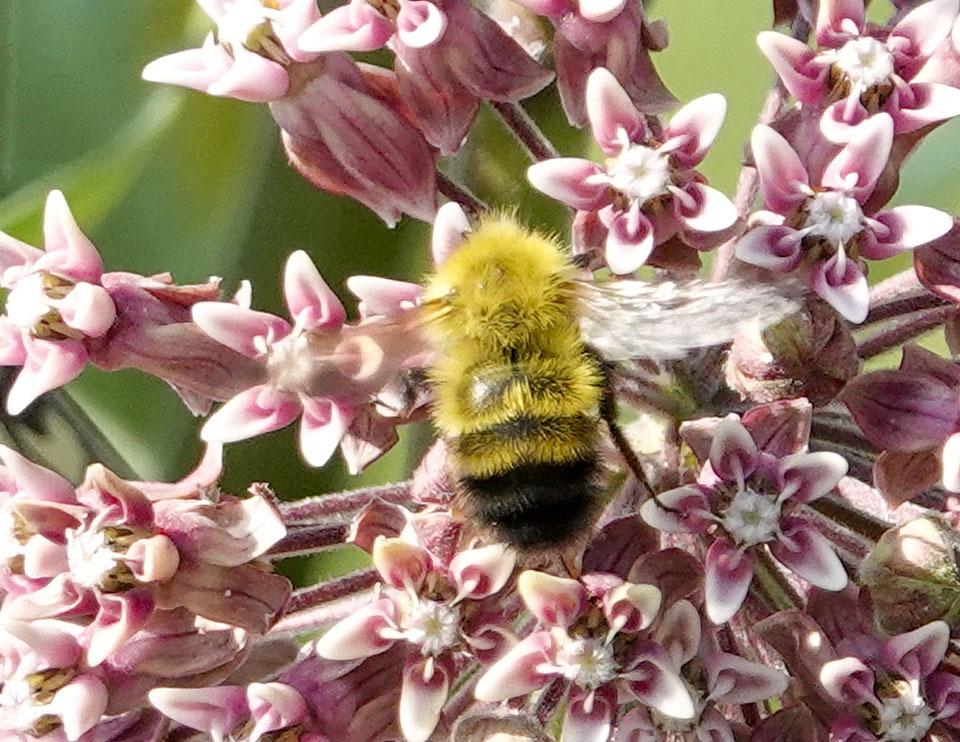
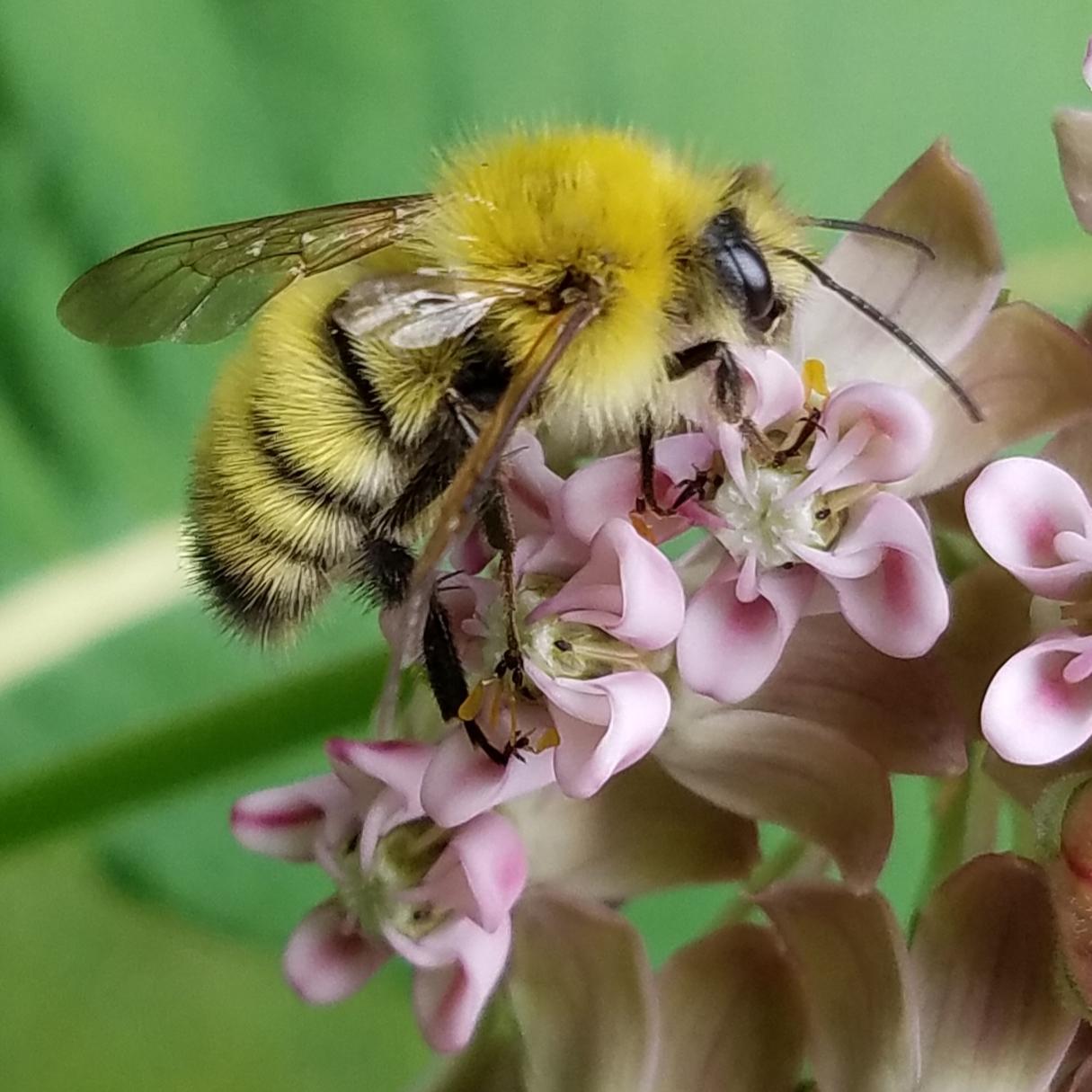
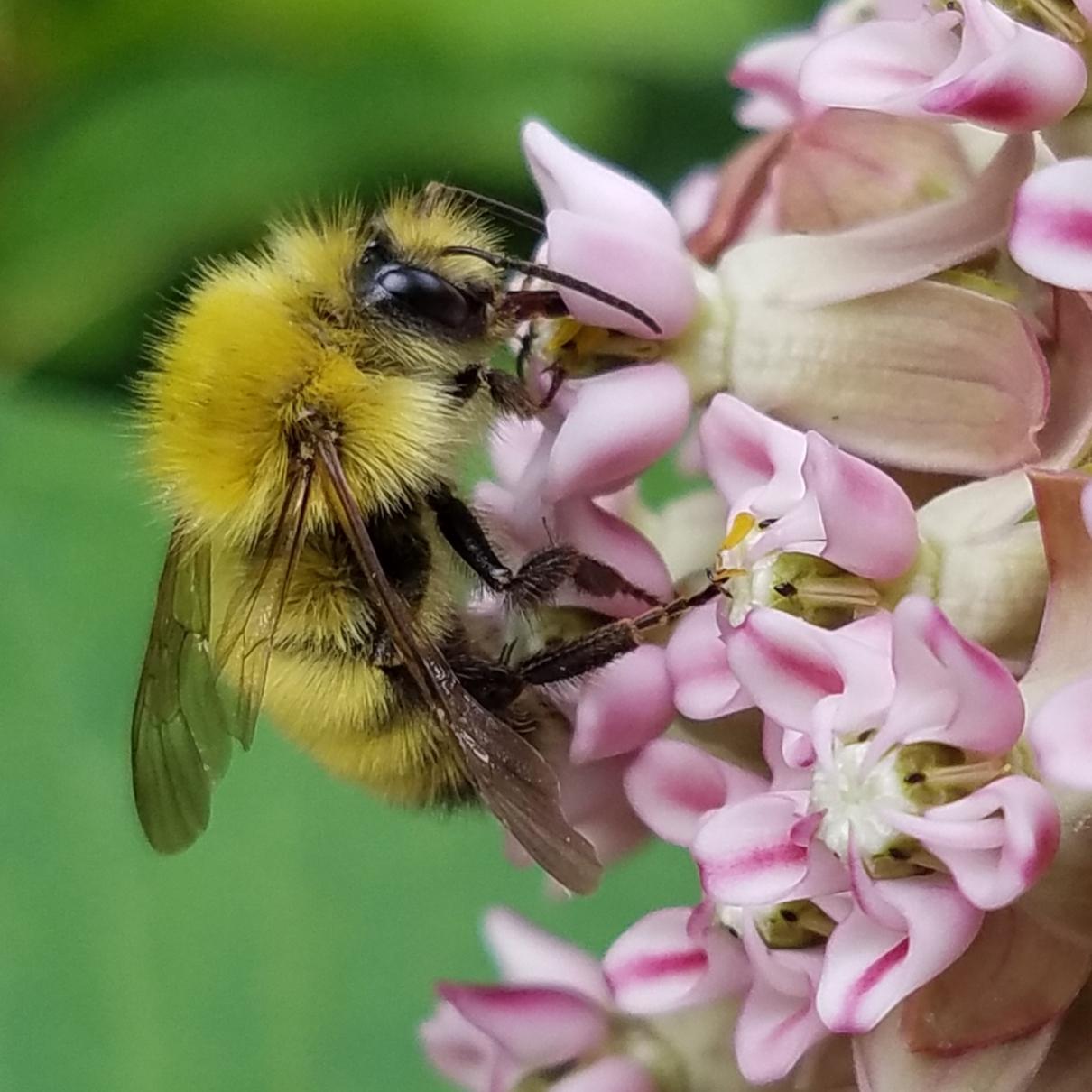
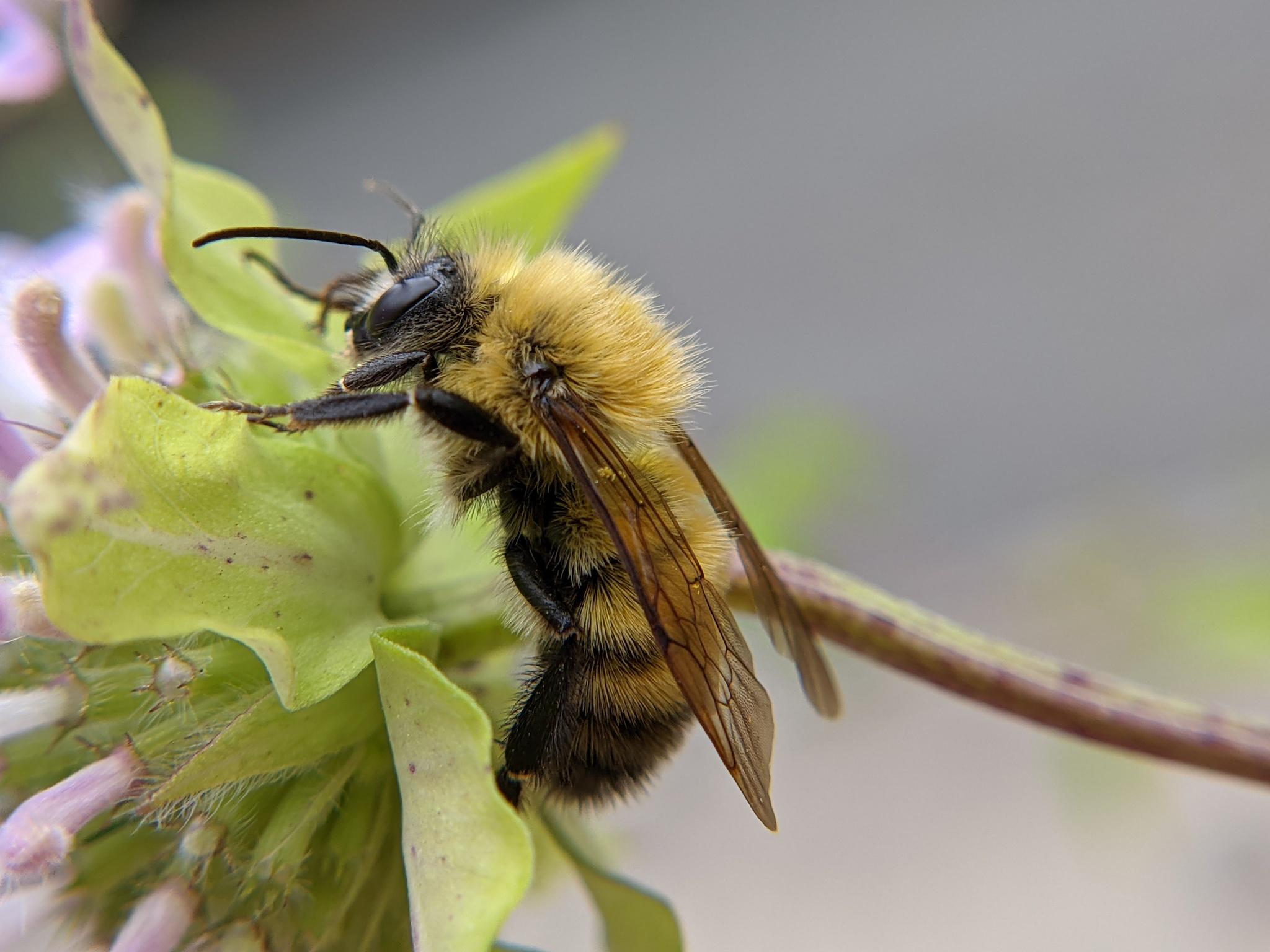
Bombus perplexus is a species of bumblebee known by the common name confusing bumblebee. It is native to northern North America, where it occurs across Canada and into the eastern United States.

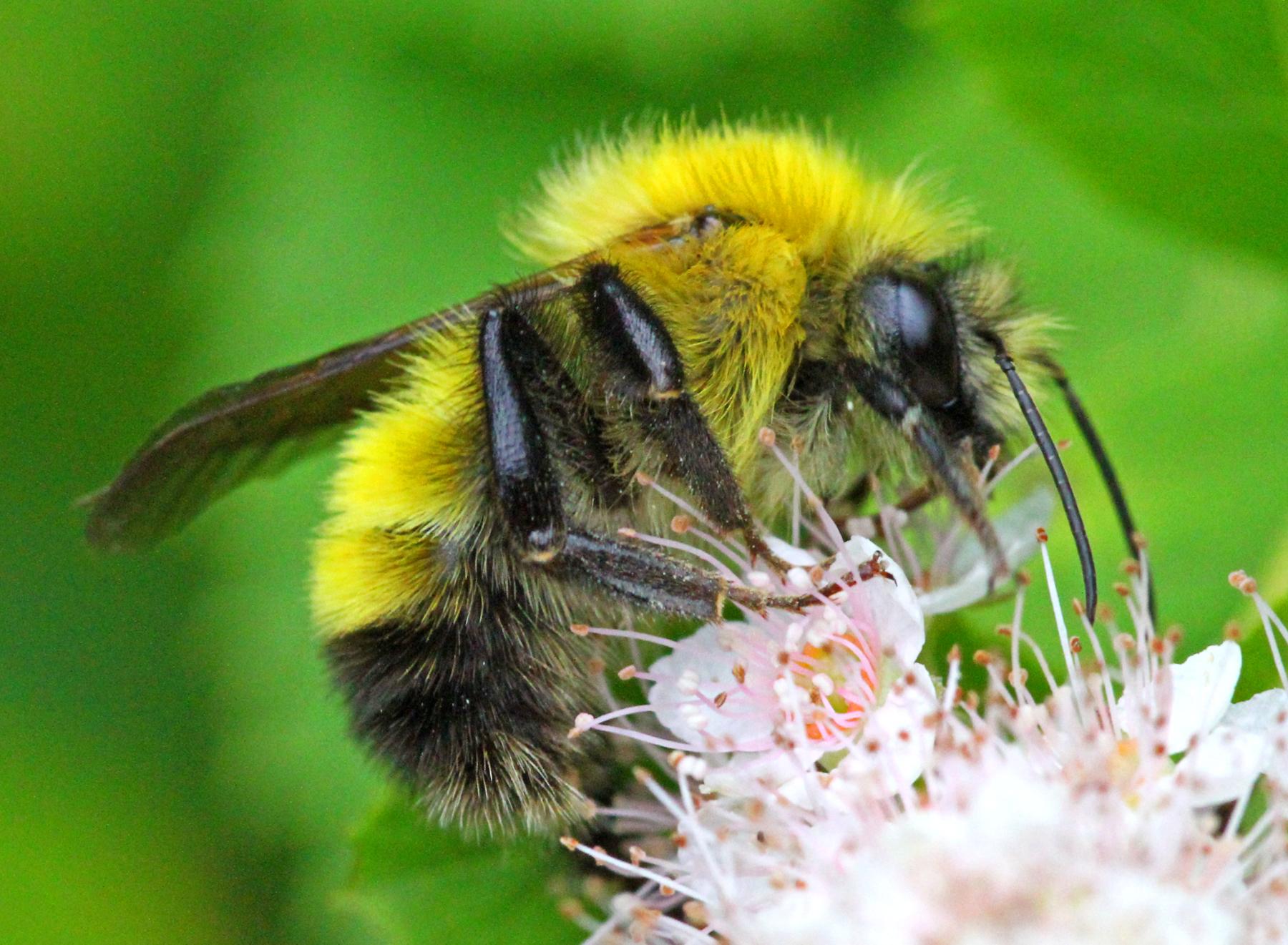
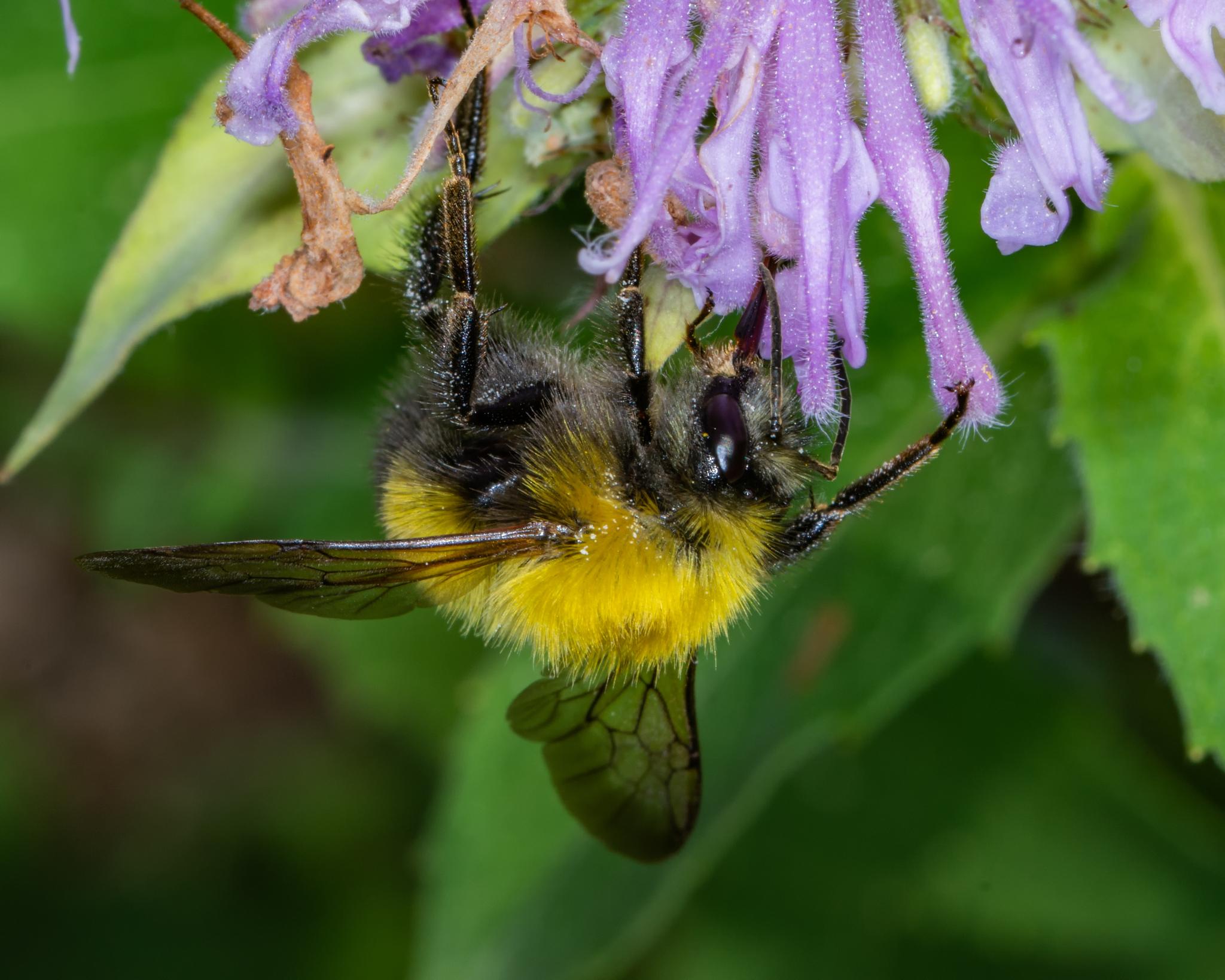
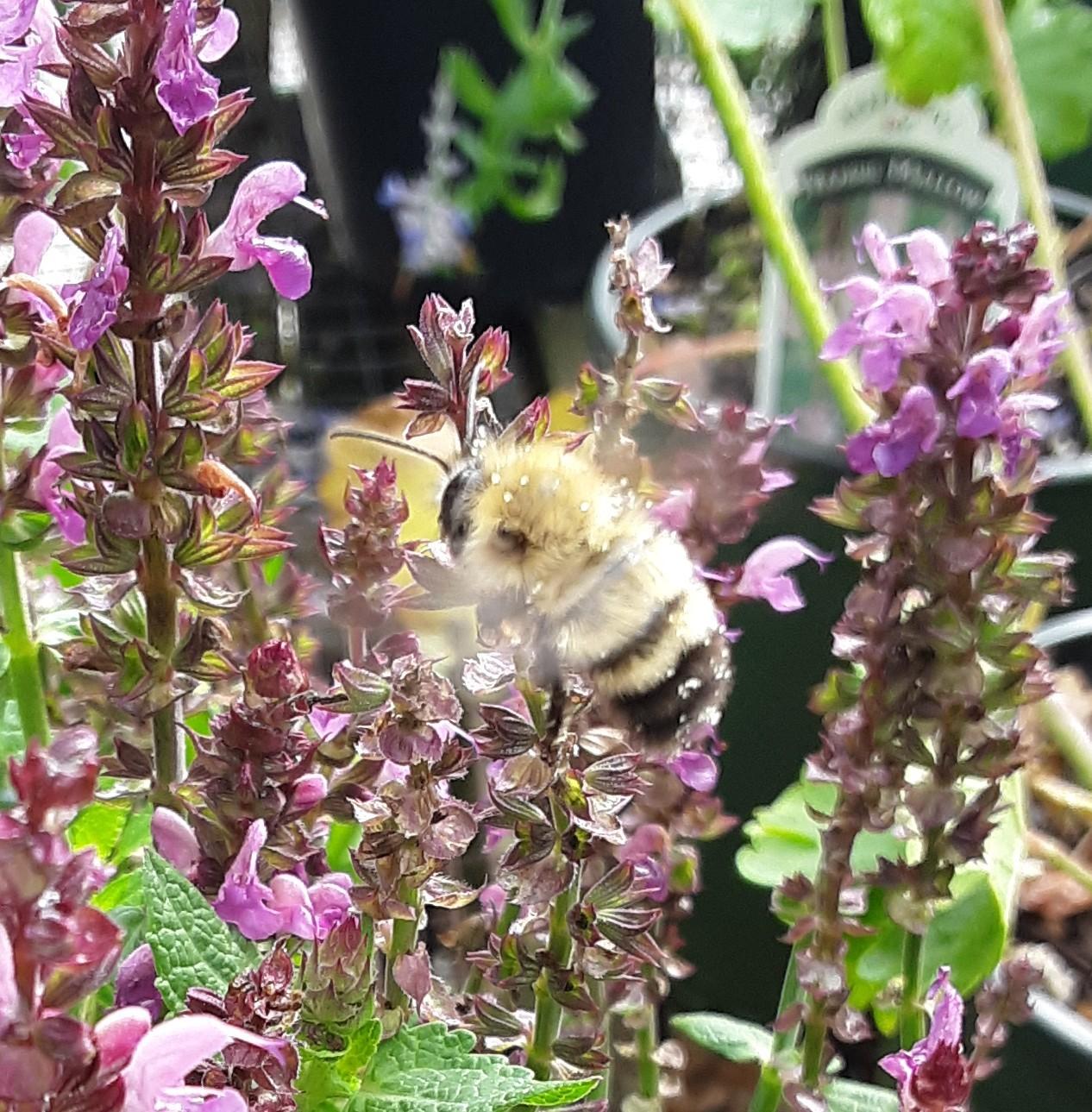
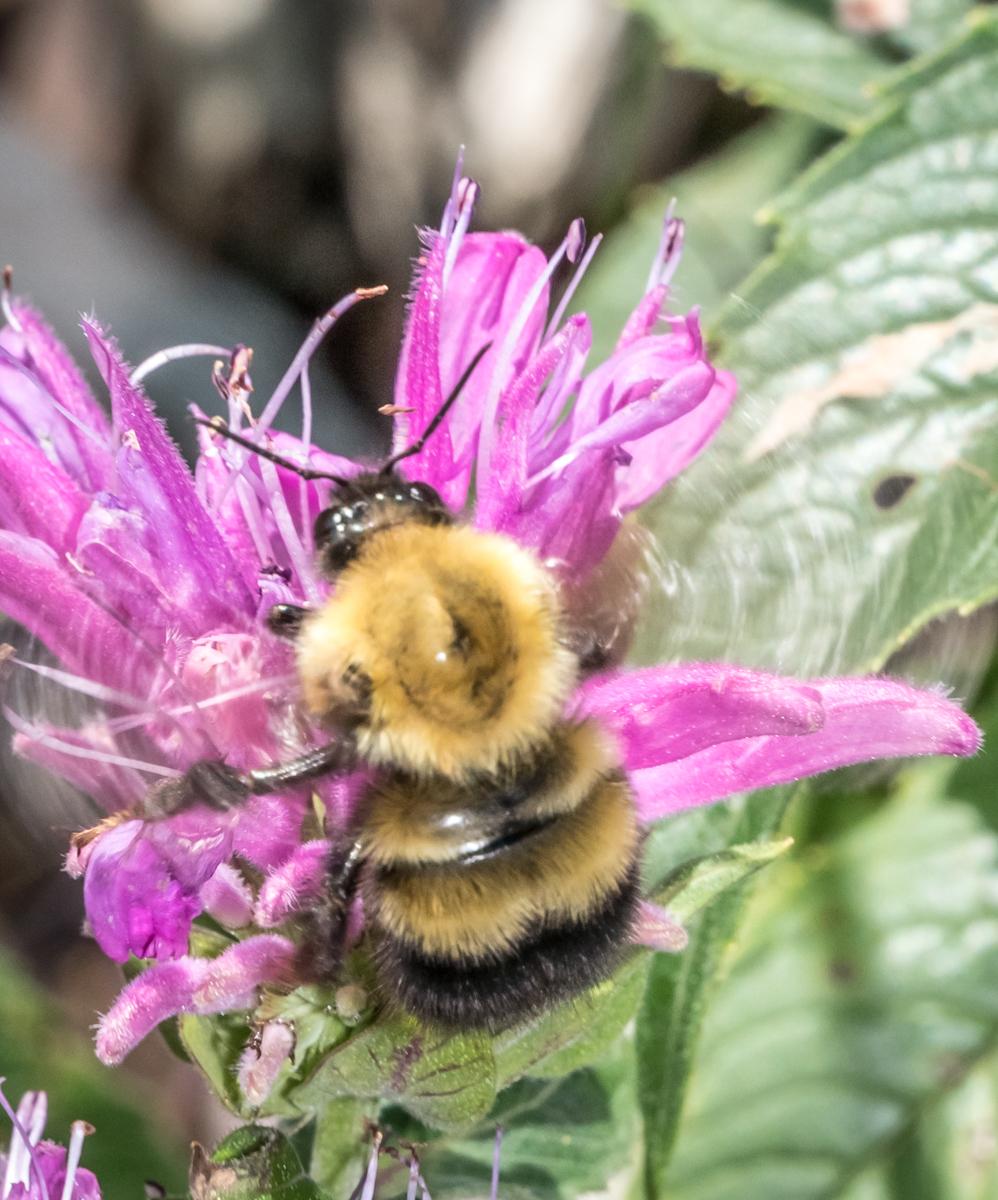
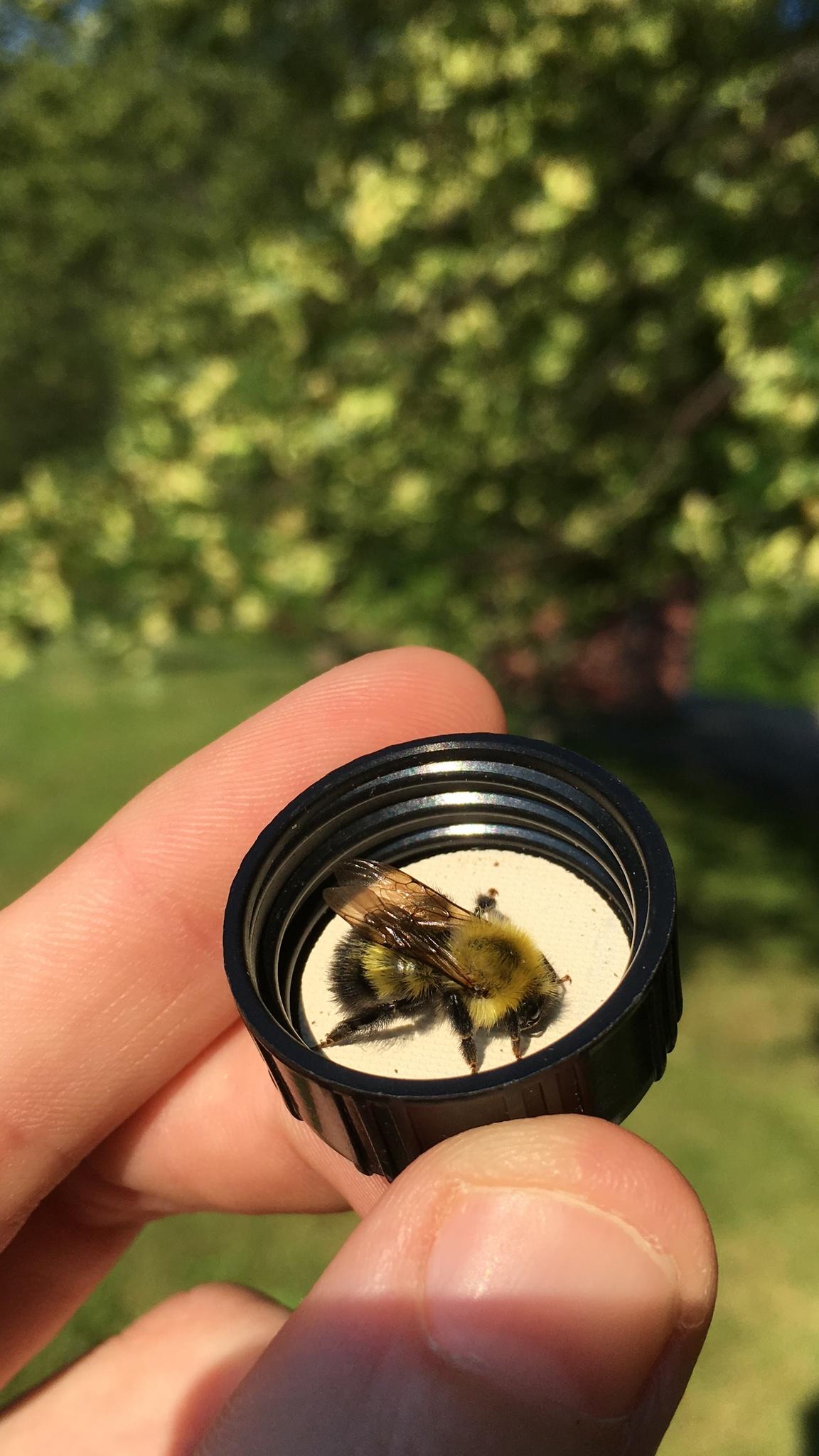
The queen is 1.7 to 2.1 centimeters long and just under a centimeter wide at the abdomen. It is mostly black with areas of pale hairs. The worker female is 1.2 to 1.4 centimeters long and half a centimeter wide. It is hairier than the queen and has more yellow hairs. The abdomen is black and yellow. The male is the same size as the worker. The mandibles have reddish tips. It has white hairs on the head and legs and yellow and white hairs on the thorax.

This species occurs in the maritime regions of Canada, taiga, tundra, temperate forests, and the Canadian Prairies. It can be found in wetland habitat, wooded areas, and urban gardens. It feeds on many kinds of plants, such as bellflowers, thistles, honeysuckles, penstemons, pickerel weeds, and lindens. It may be a host to Fernald's cuckoo bumble...

Source: Wikipedia
Recent Publications

Loading articles…

See more articles

Experiences to see Perplexing Bumble Bee

There are no published experiences tagged with Perplexing Bumble Bee yet.

SEE MORE
A dramatic shot of an osprey flying over the water with a fish in its talons, illustrating the relationship between predator and prey.
Birdwatching

Where to see ospreys in the Odiel Marshes in winter

November 17, 2026
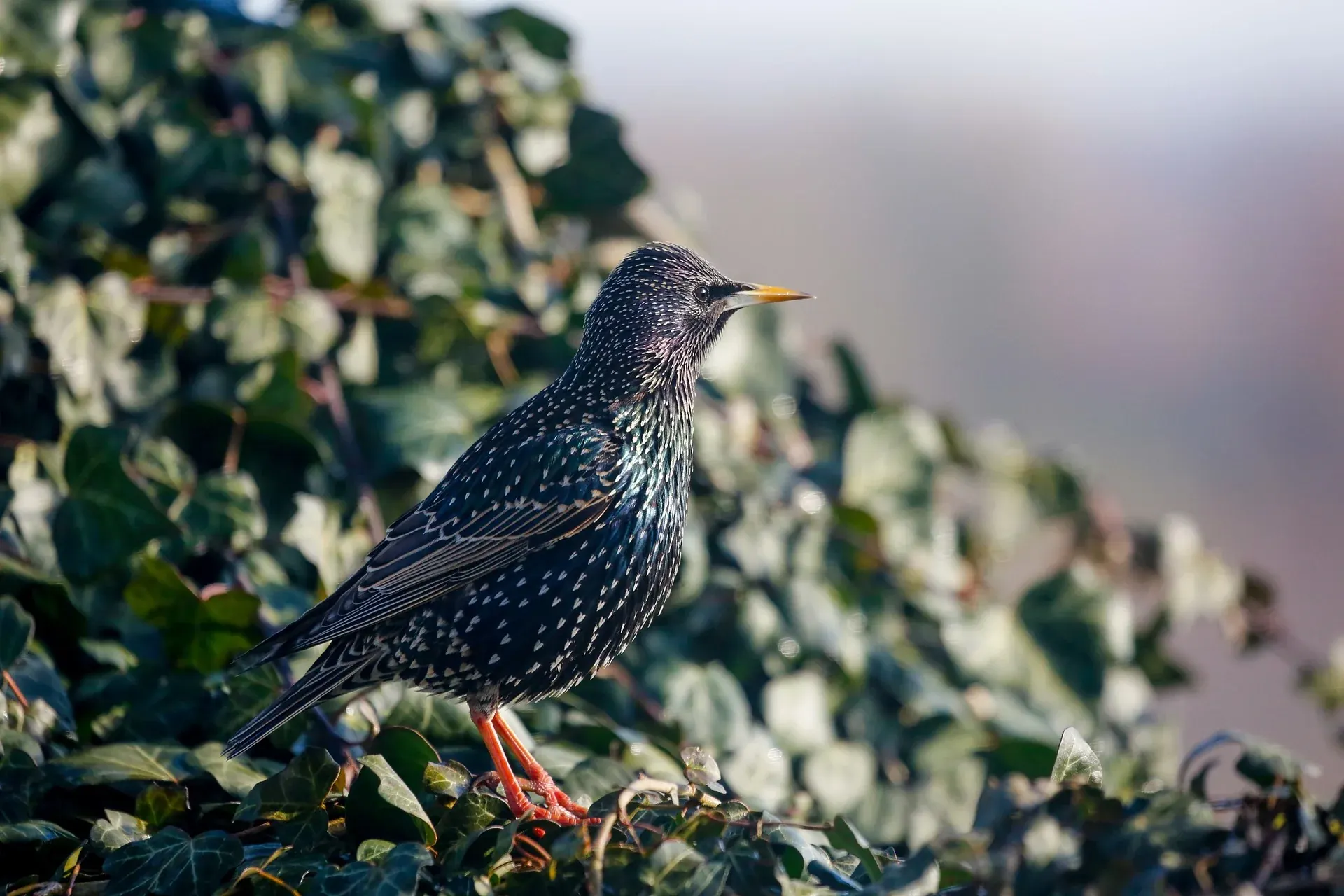
A common starling perched on ivy in soft natural light.
Animales NatSombrosos

Why starlings gather in large flocks at dusk and how they move together

November 12, 2026
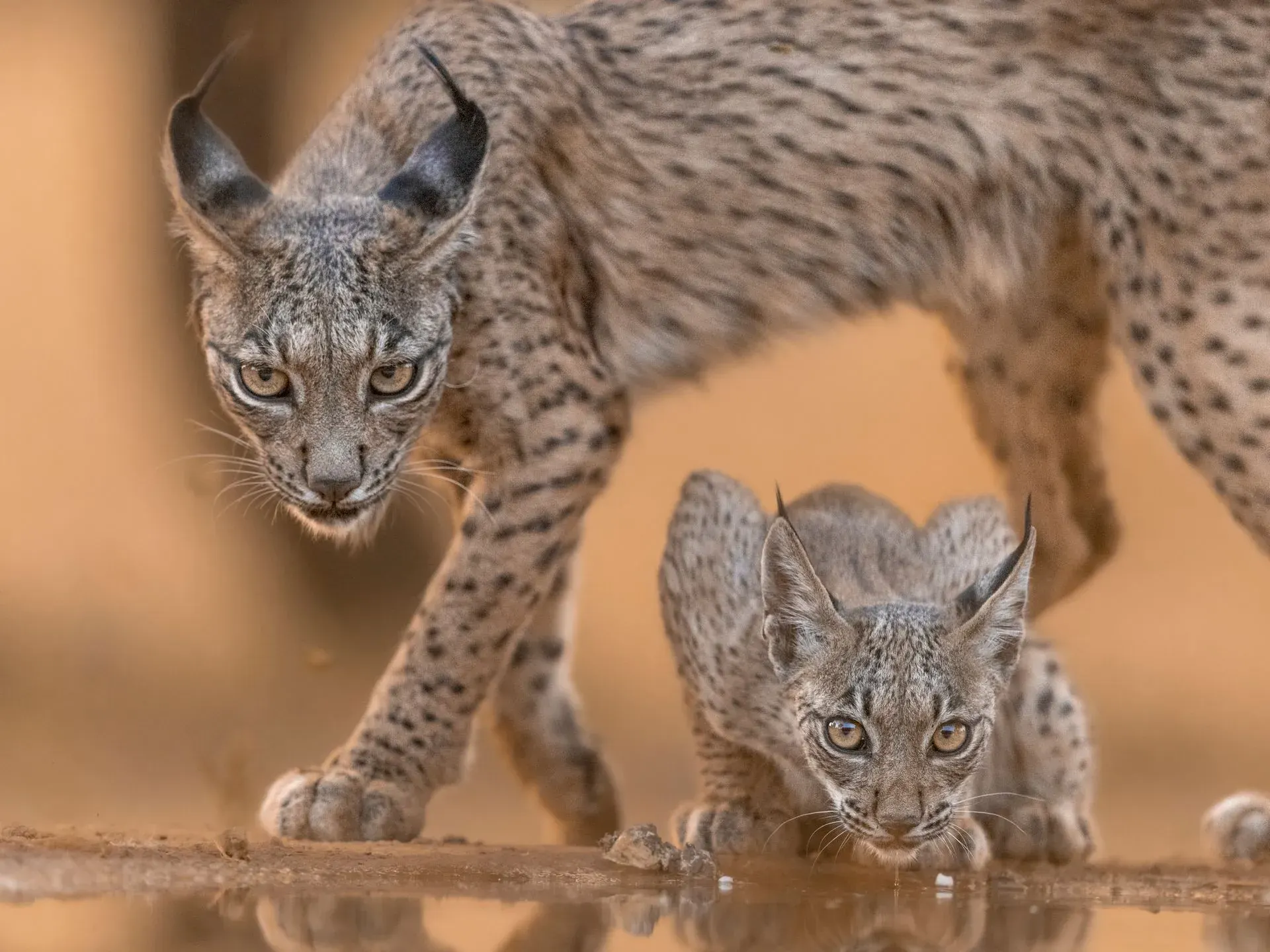
A captivating scene of an Iberian lynx and its cub in their natural habitat in Spain.
Fauna ibérica

The Iberian lynx mating season: when it happens and how to plan a lynx-watching trip

November 10, 2026