

Natsnap
  1. Home
  2. Animals
  3. Gumboot Chiton
Natsnap
Trips and HidesAboutTaxonomySimilar Species
Natsnap
SearchAnimalsTripsHides
ProfessionalsAbout UsBlogContact

Legal Information

Legal NoticePrivacy PolicyCookies PolicyTerms of Service

Supported by

Gipuzkoako Foru Aldundia / Diputación Foral de GipuzkoaGrupo SPRI Taldea

© 2026 NatSnap. All rights reserved.

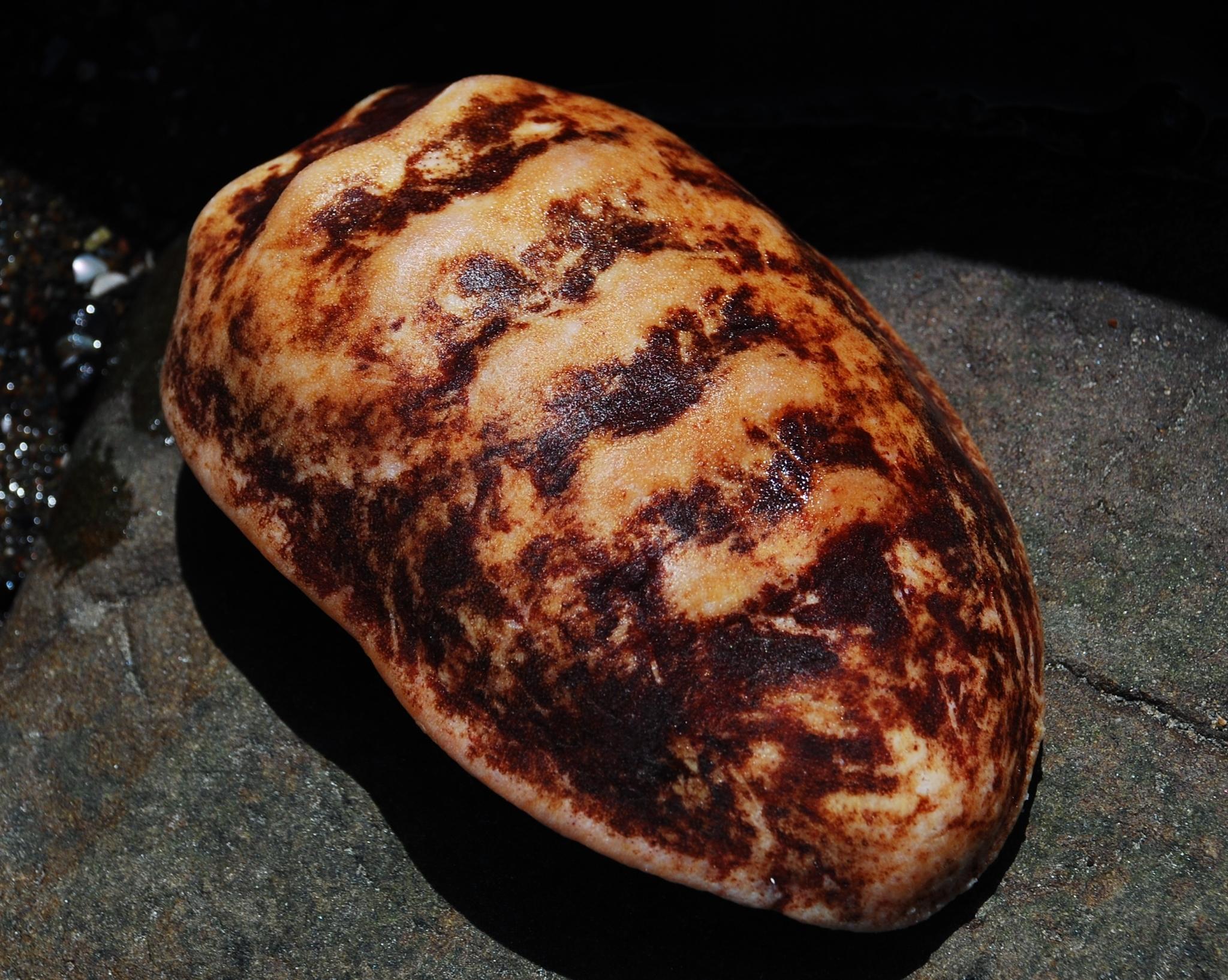
Gumboot Chiton

Cryptochiton stelleri

Recent sightings

WHERE TO SEE

Recent sightings

Cargando mapa...
Gumboot Chiton
Gumboot Chiton
Gumboot Chiton
Gumboot Chiton
Gumboot Chiton
Gumboot Chiton
Gumboot Chiton
Gumboot Chiton
Gumboot Chiton
Gumboot Chiton
1 / 10

About the species

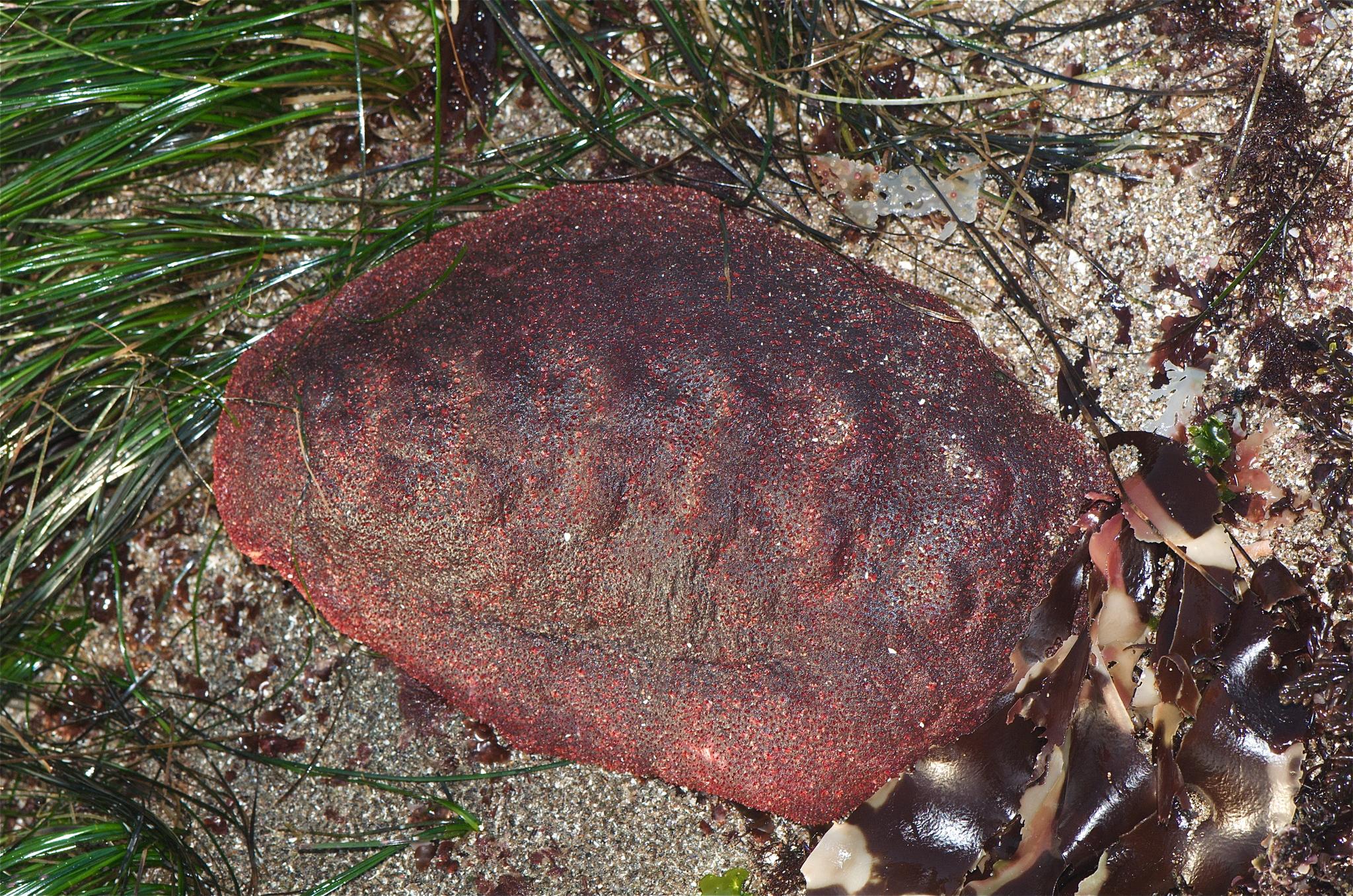
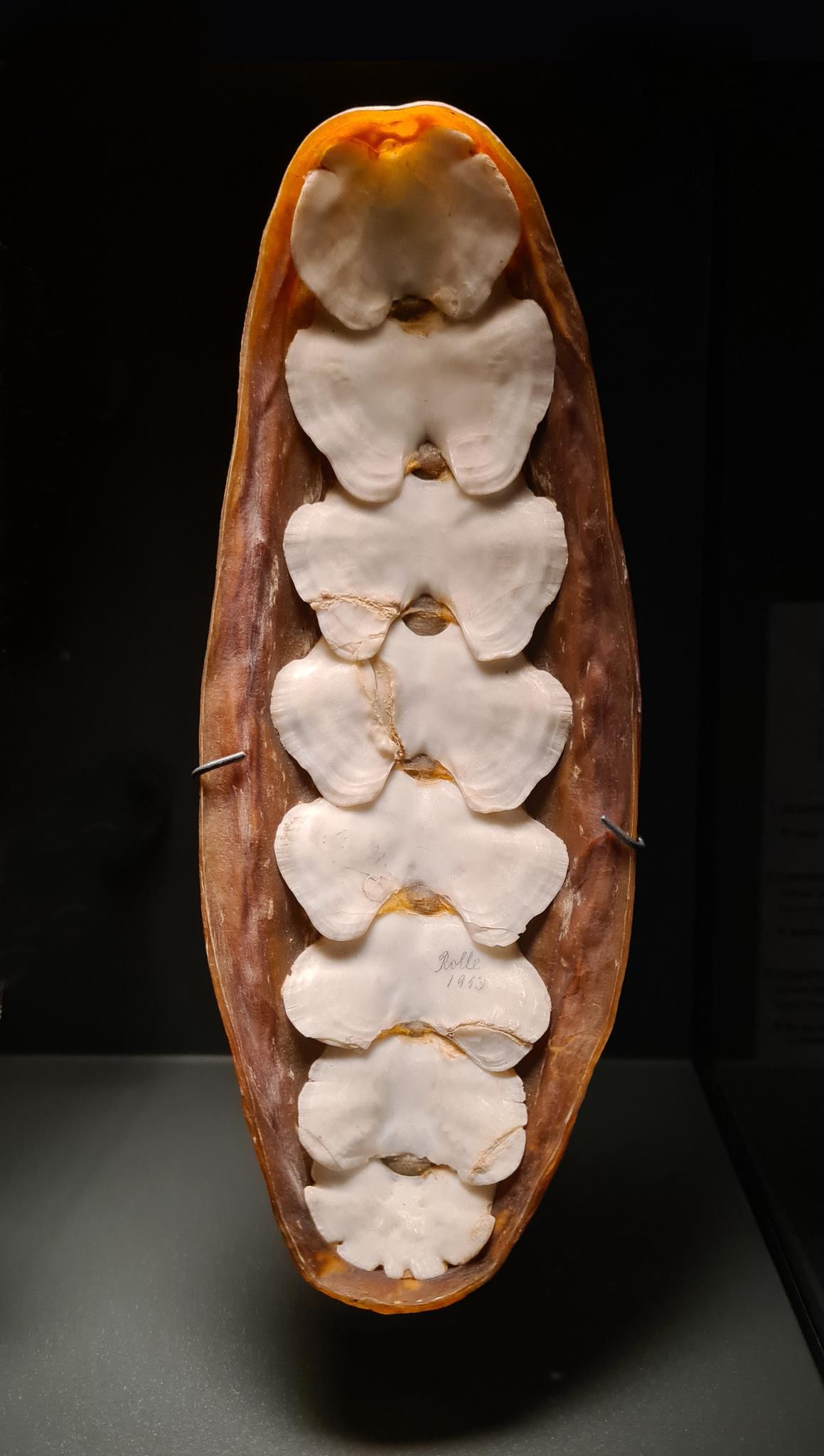
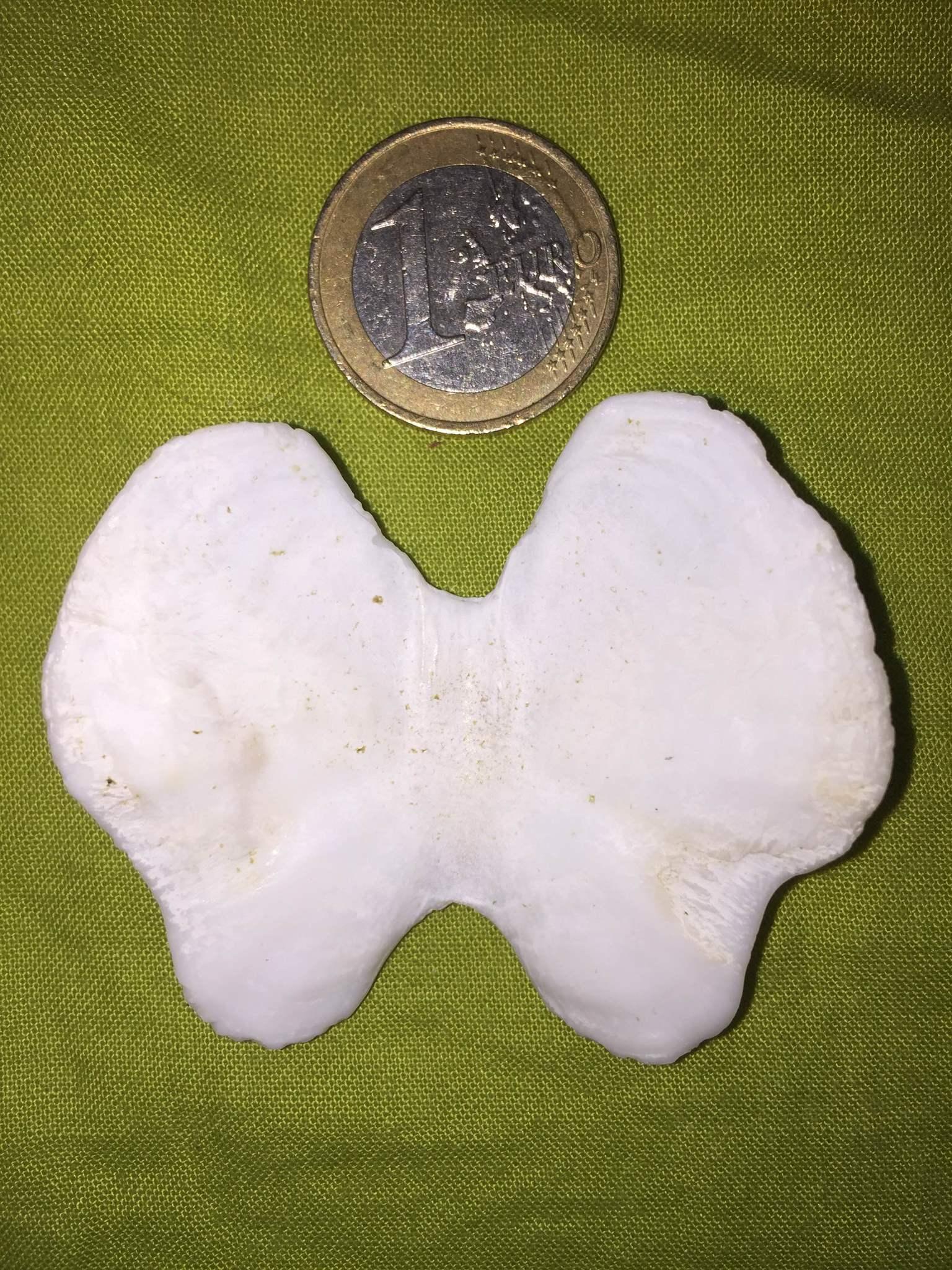
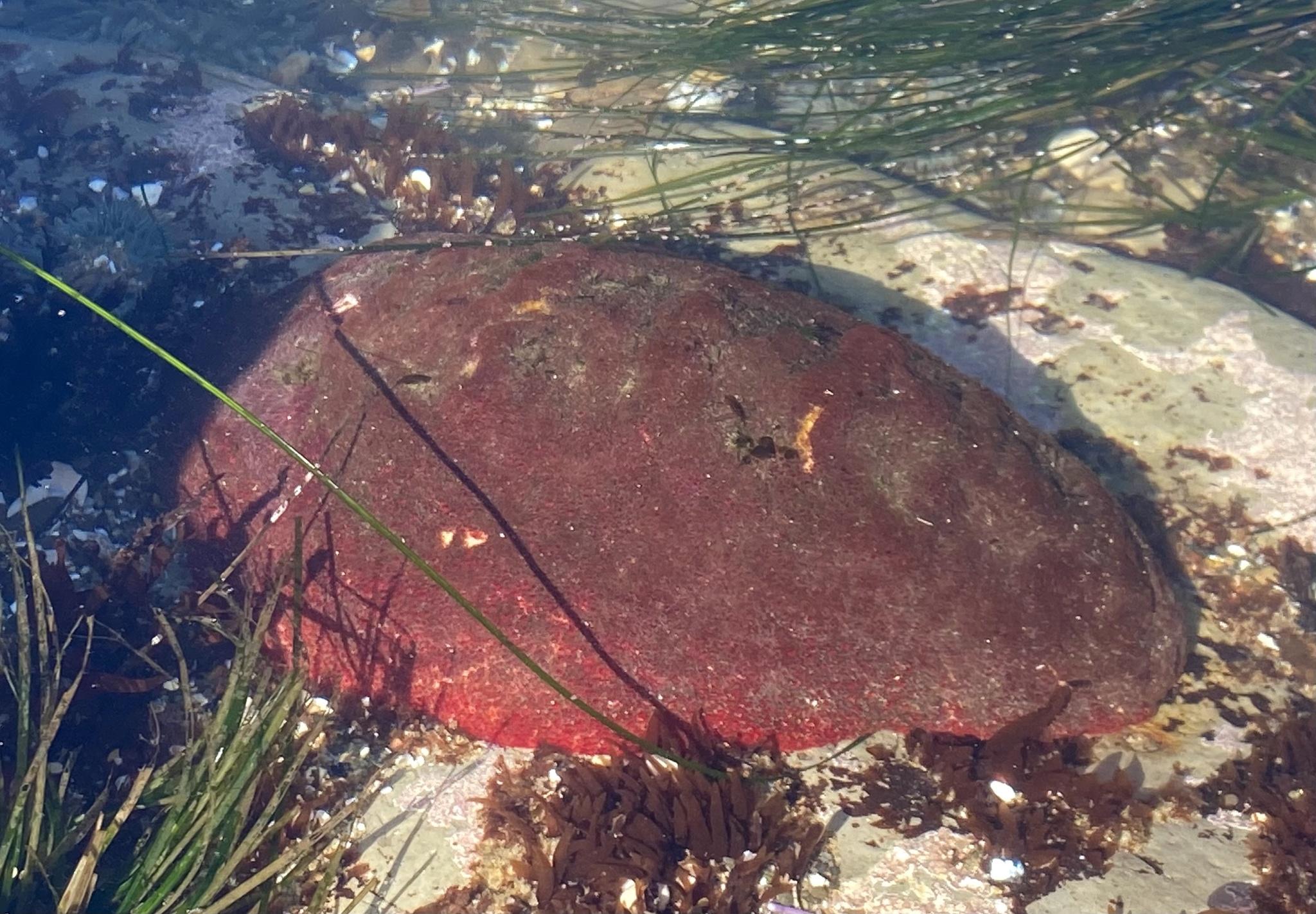
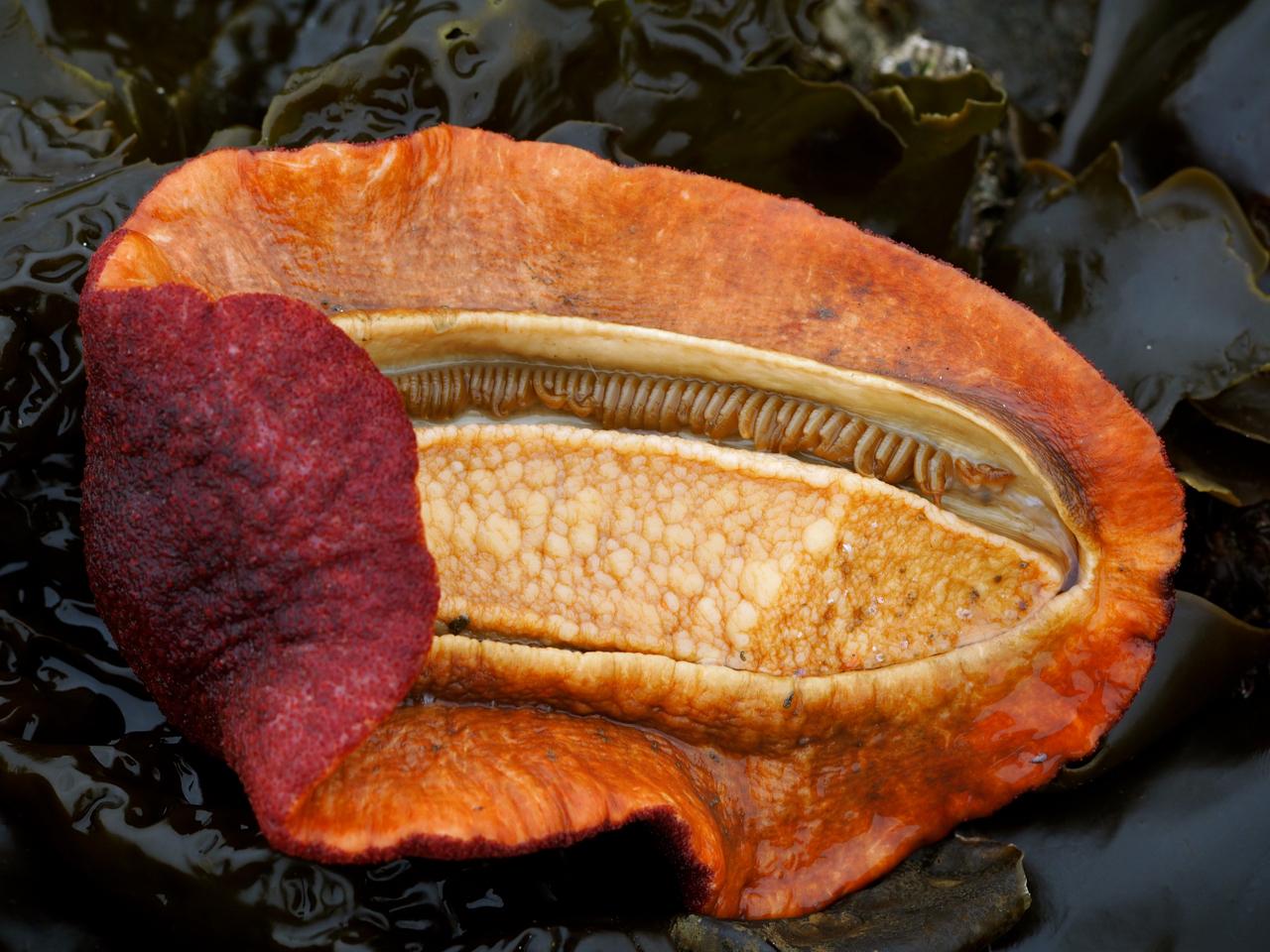
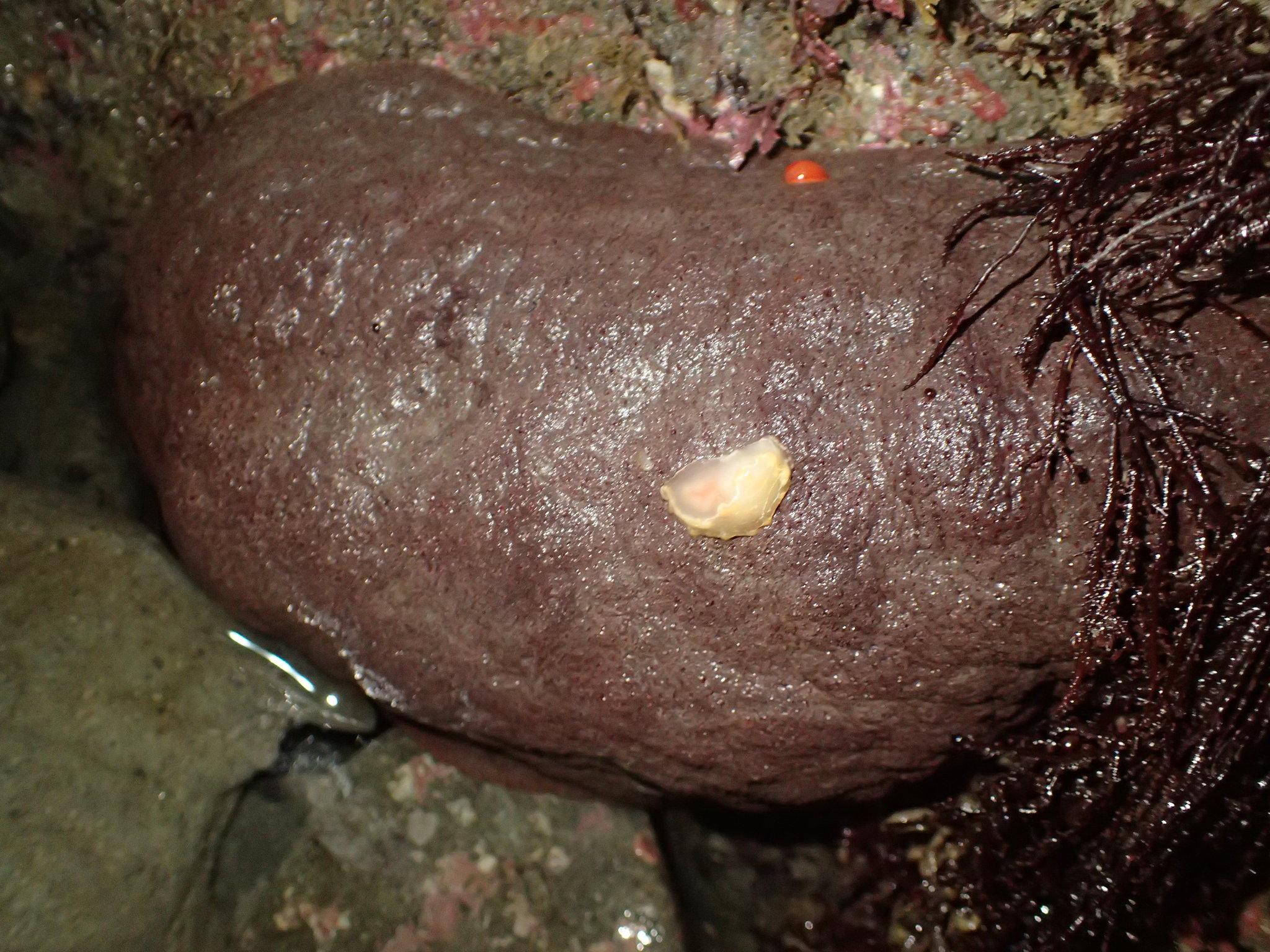
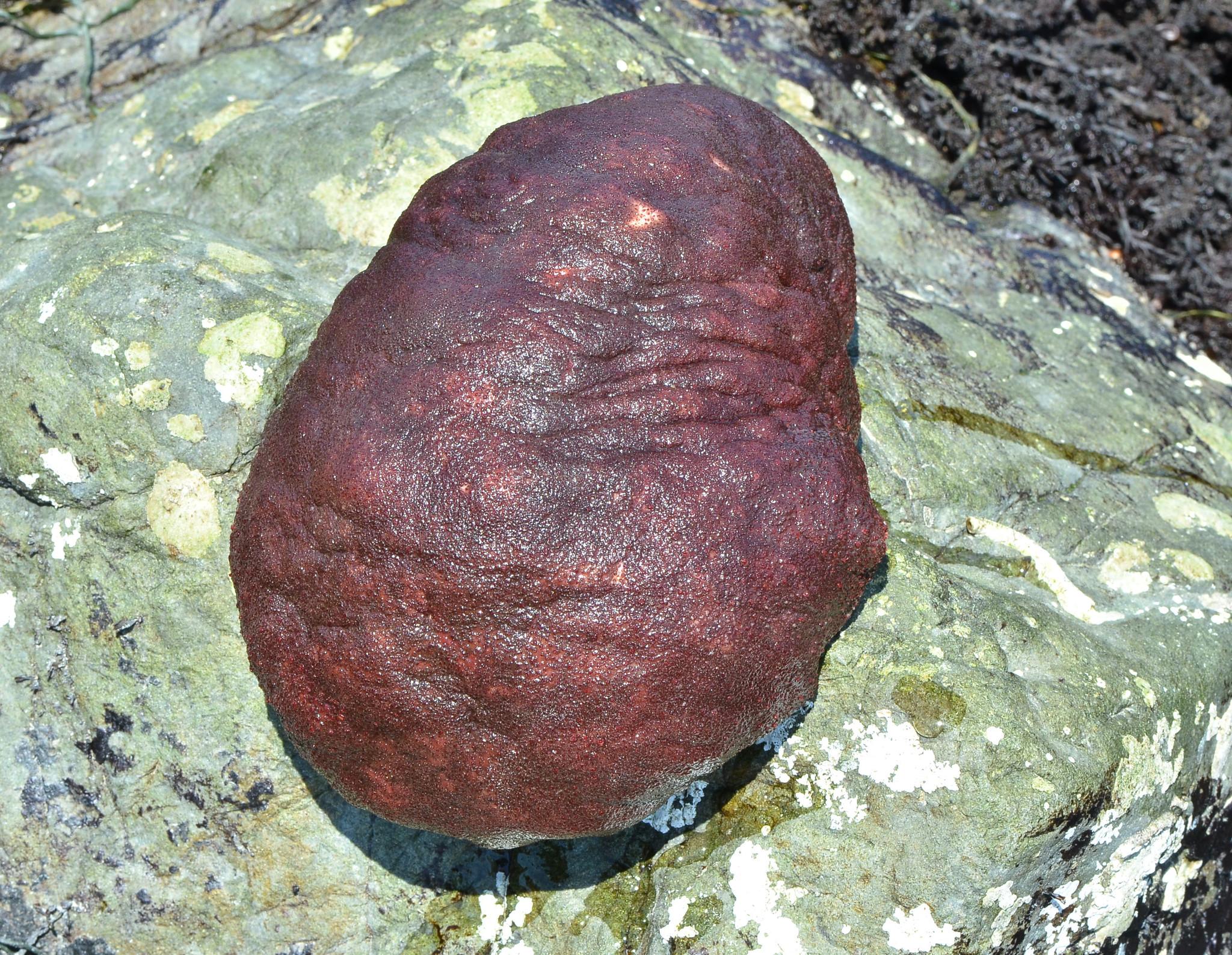
The gumboot chiton, also known as the giant western fiery chiton or giant Pacific chiton, is the largest of the chitons, growing to 36 cm (14 in) and capable of reaching a weight of more than 2 kg (4.4 lb). It is found along the shores of the northern Pacific Ocean from Central California to Alaska, across the Aleutian Islands to the Kamchatka Peninsula and south to Japan. It inhabits the lower intertidal and subtidal zones of rocky coastlines. The gumboot chiton's appearance has led some tidepoolers to refer to it, fondly, as the "wandering meatloaf". The name "gumboot chiton" seems to derive from a resemblance to part of a rubber Wellington boot or "gum rubber" boot.

Source: Wikipedia
Recent Publications

Loading articles…

See more articles

Experiences to see Gumboot Chiton

There are no published experiences tagged with Gumboot Chiton yet.

SEE MORE
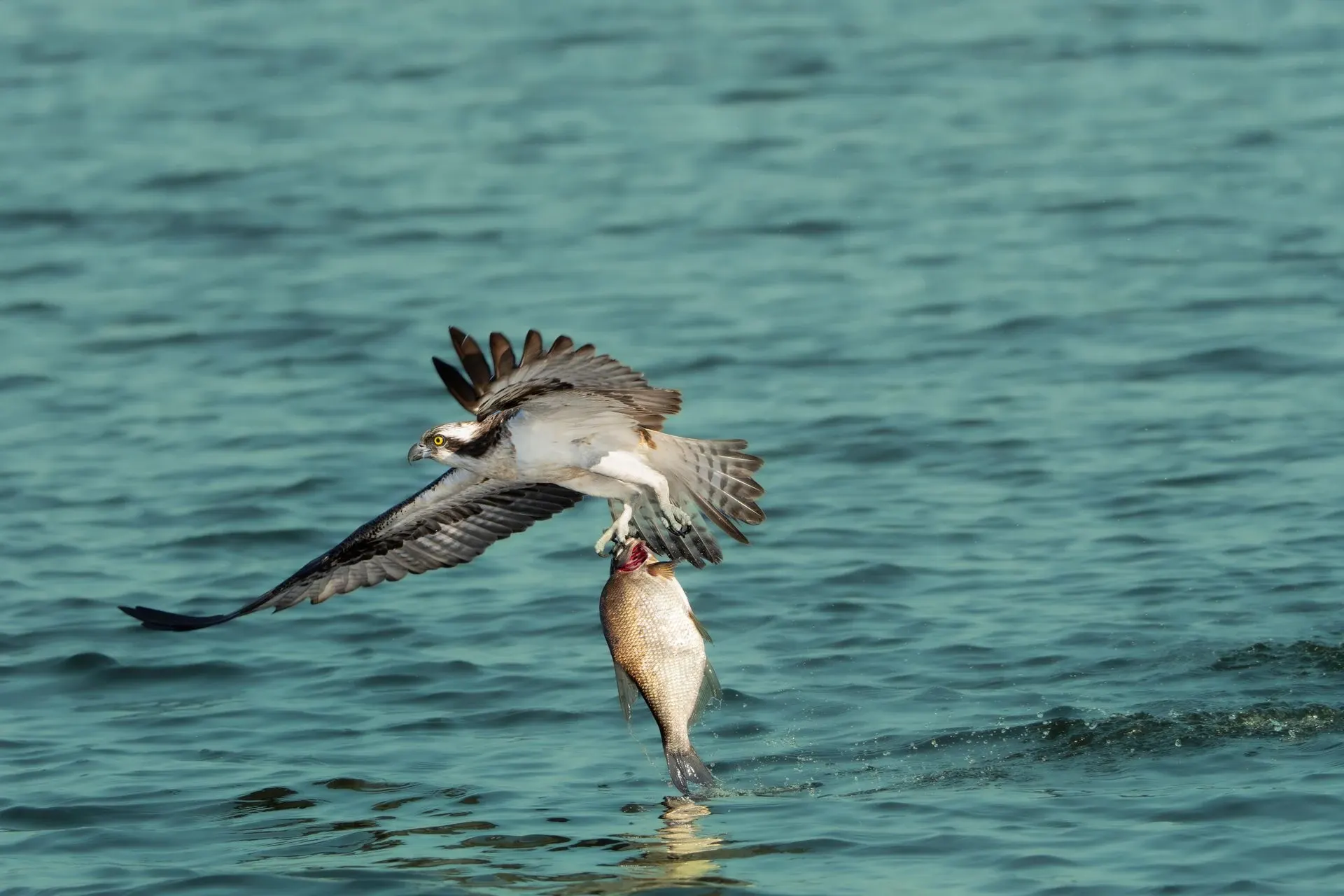
A dramatic shot of an osprey flying over the water with a fish in its talons, illustrating the relationship between predator and prey.
Birdwatching

Where to see ospreys in the Odiel Marshes in winter

November 17, 2026
A common starling perched on ivy in soft natural light.
Animales NatSombrosos

Why starlings gather in large flocks at dusk and how they move together

November 12, 2026
A captivating scene of an Iberian lynx and its cub in their natural habitat in Spain.
Fauna ibérica

The Iberian lynx mating season: when it happens and how to plan a lynx-watching trip

November 10, 2026