Natsnap
  1. Home
  2. Animals
  3. Goldenrod Crab Spider
Natsnap
Trips and HidesAboutTaxonomySimilar Species
Natsnap
SearchAnimalsTripsHides
ProfessionalsAbout UsBlogContact

Legal Information

Legal NoticePrivacy PolicyCookies PolicyTerms of Service

Supported by

Gipuzkoako Foru Aldundia / Diputación Foral de GipuzkoaGrupo SPRI Taldea

© 2026 NatSnap. All rights reserved.

Goldenrod Crab Spider

Misumena vatia

Recent sightings

WHERE TO SEE

Recent sightings

Cargando mapa...
Goldenrod Crab Spider
1 / 12

About the species

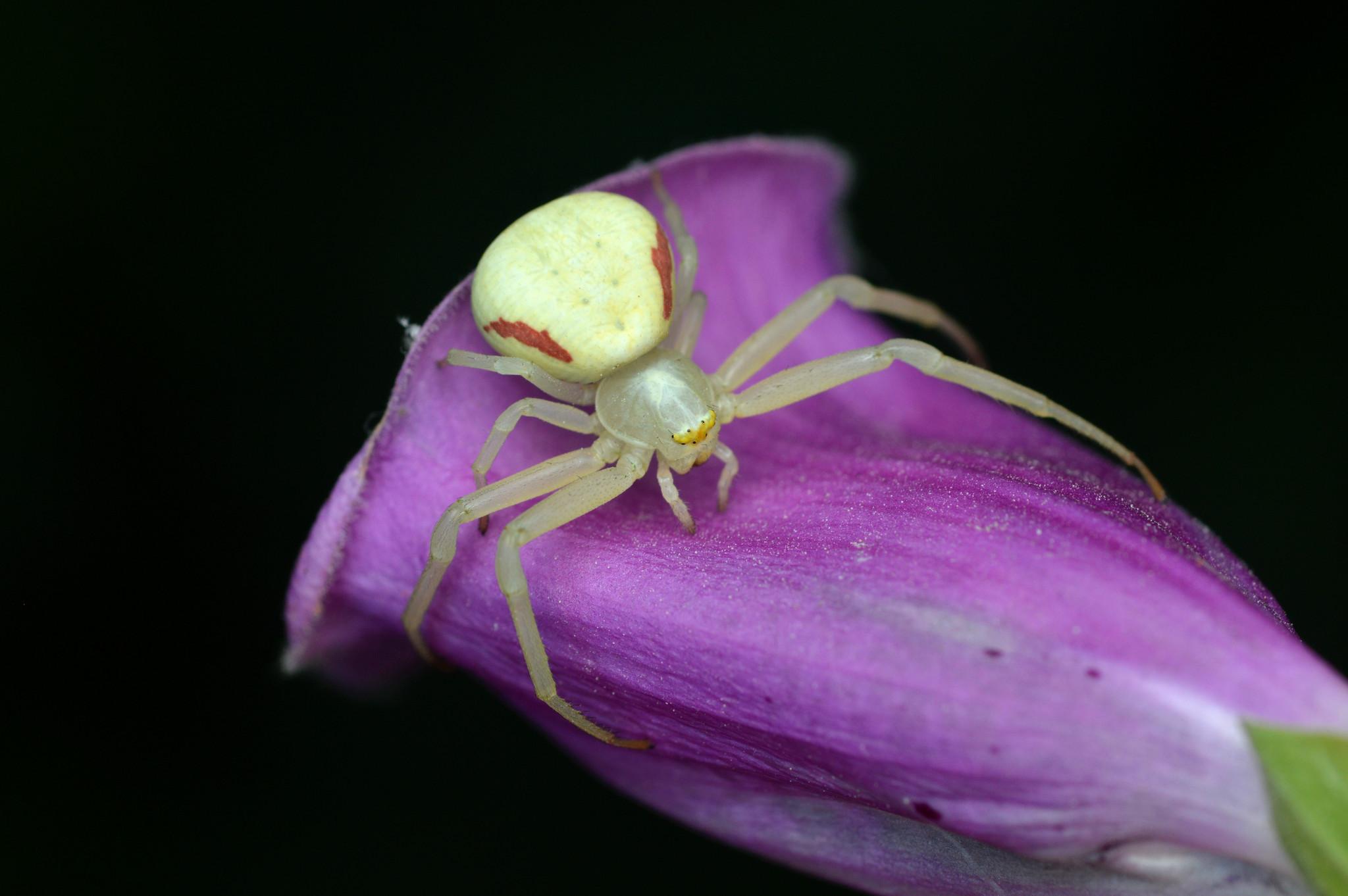
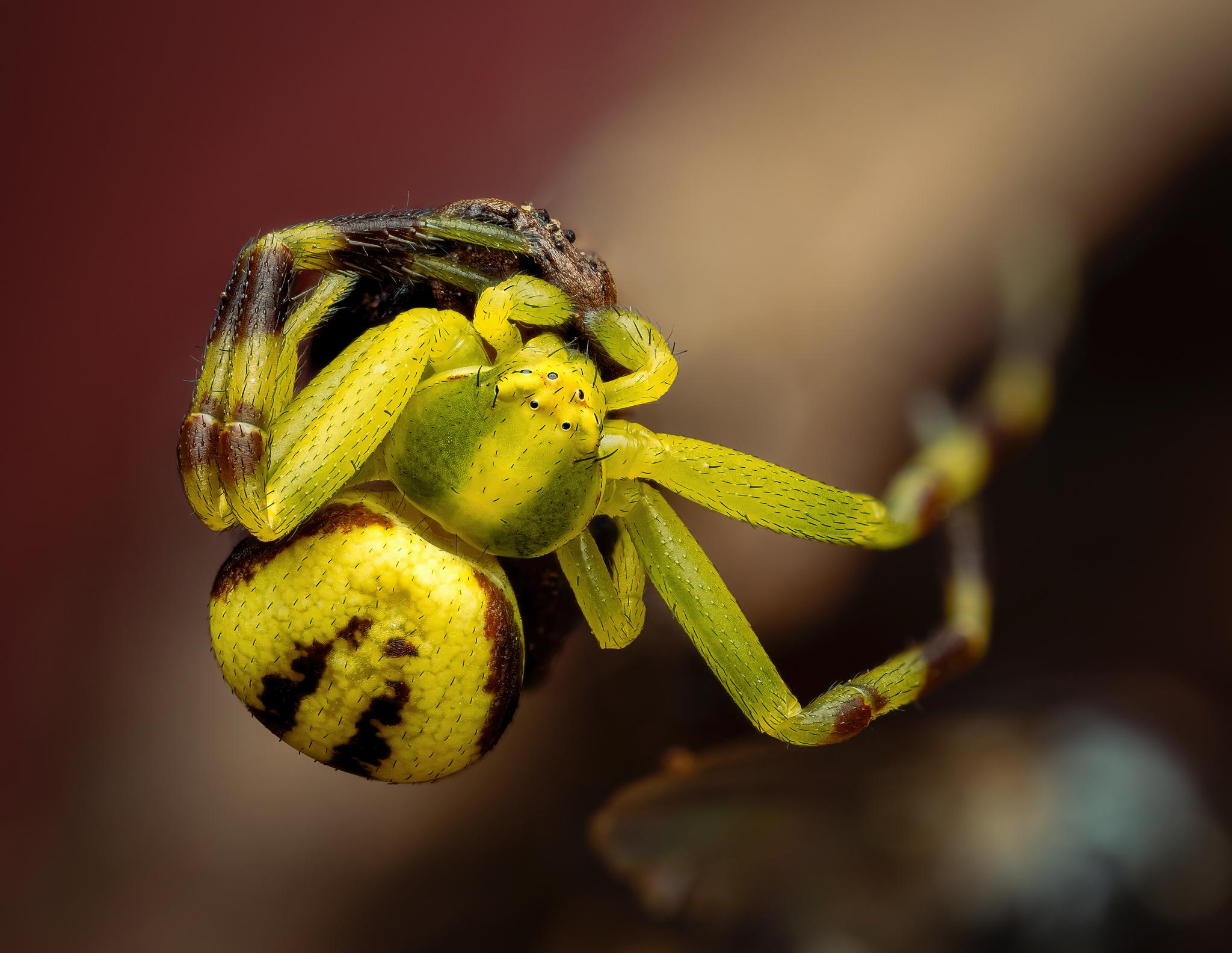
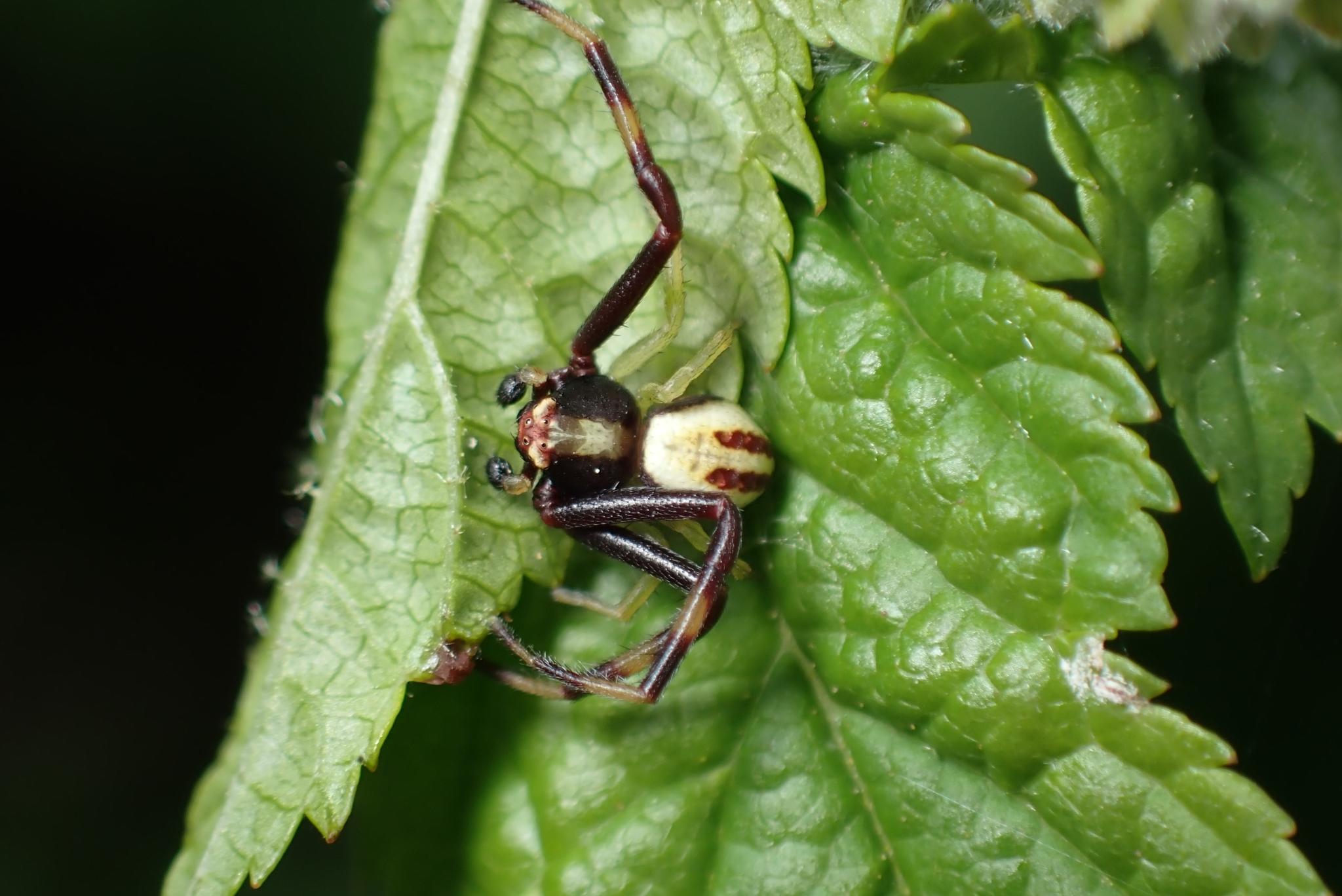
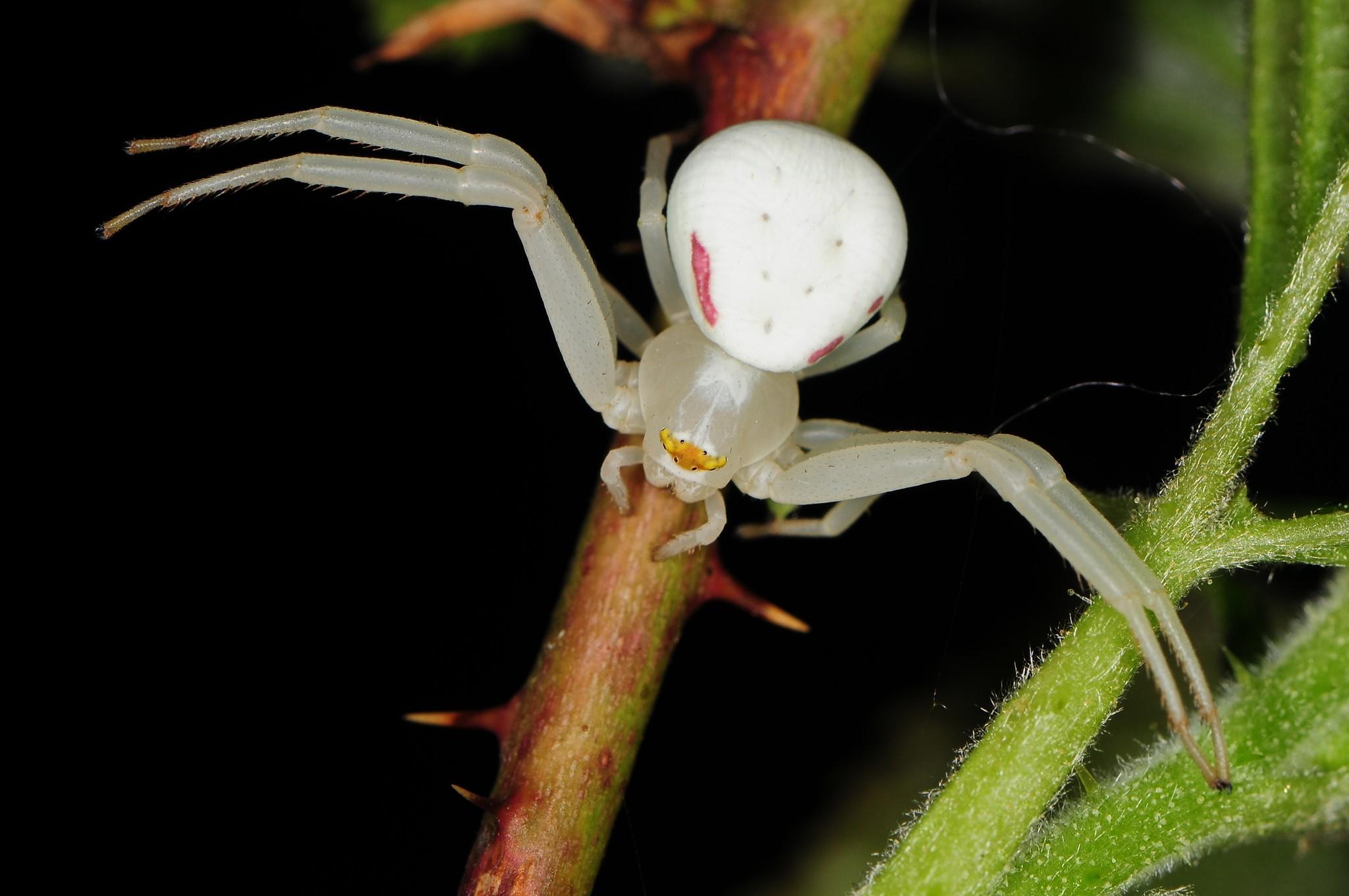
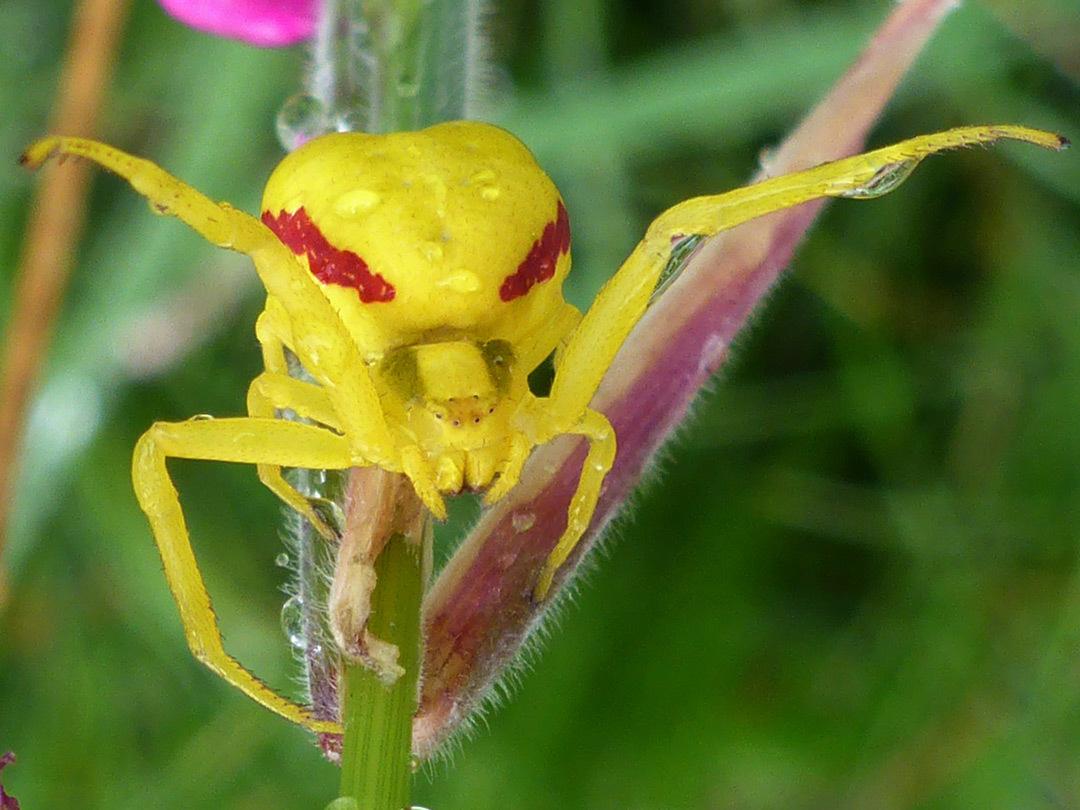
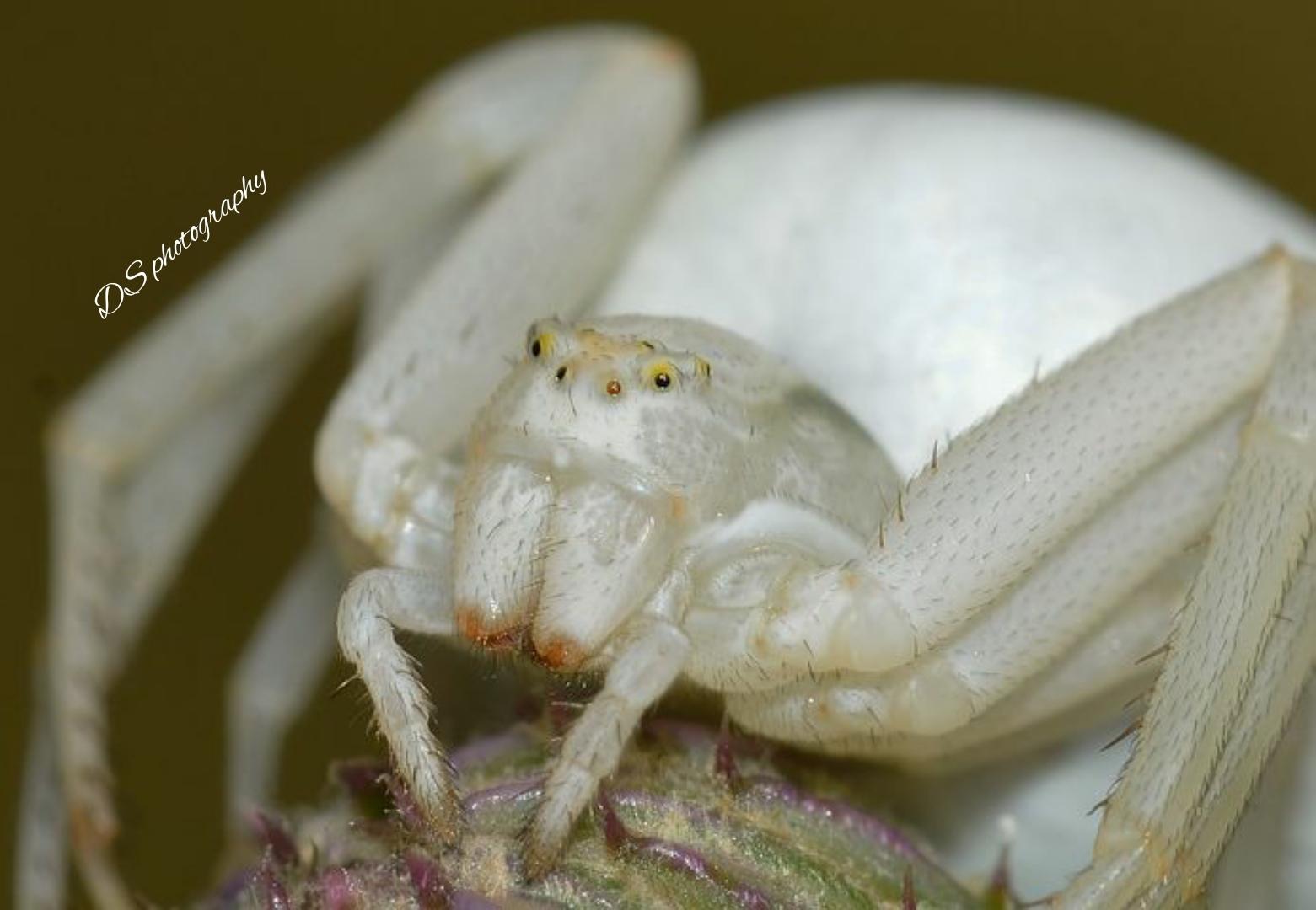
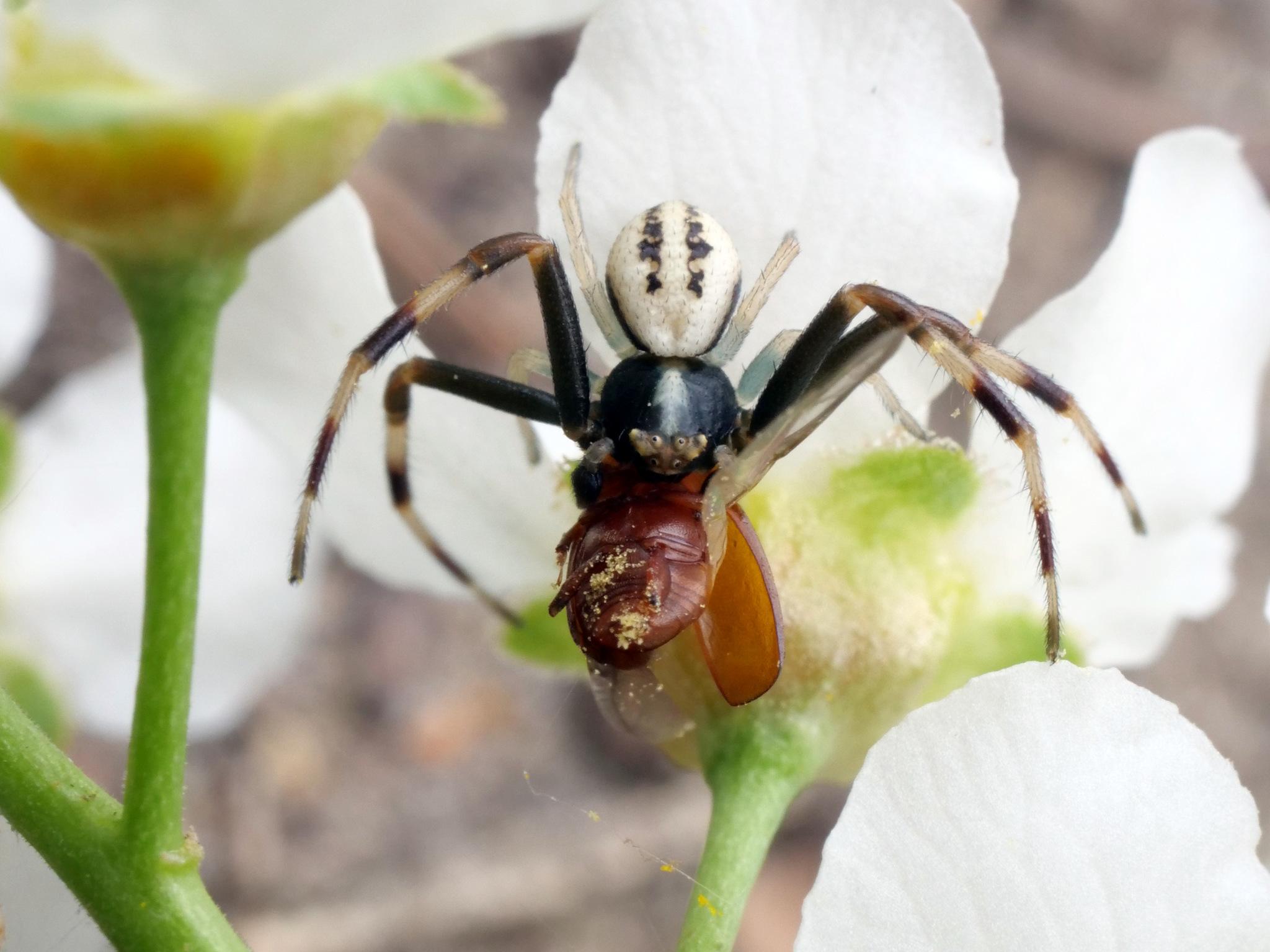
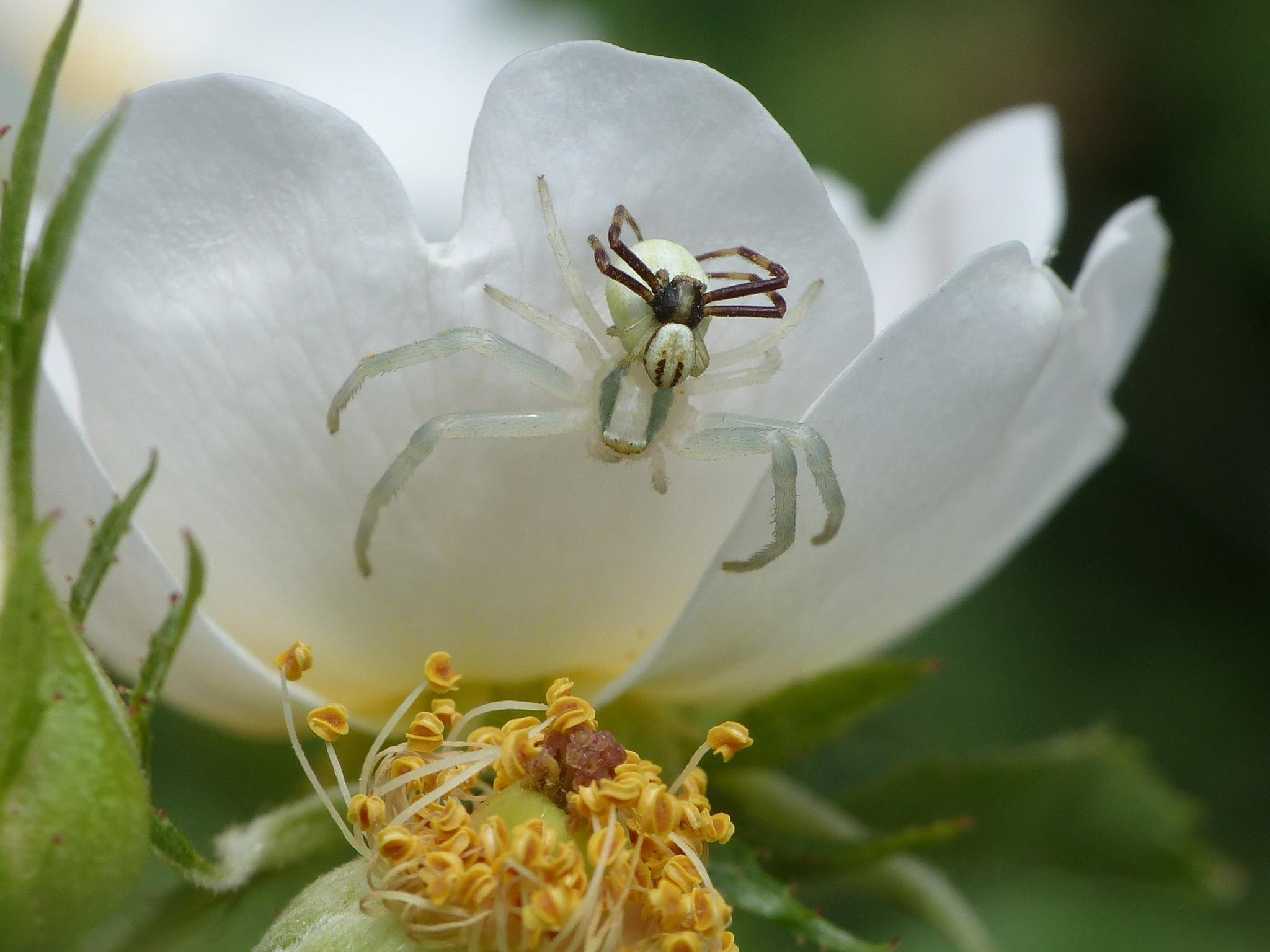
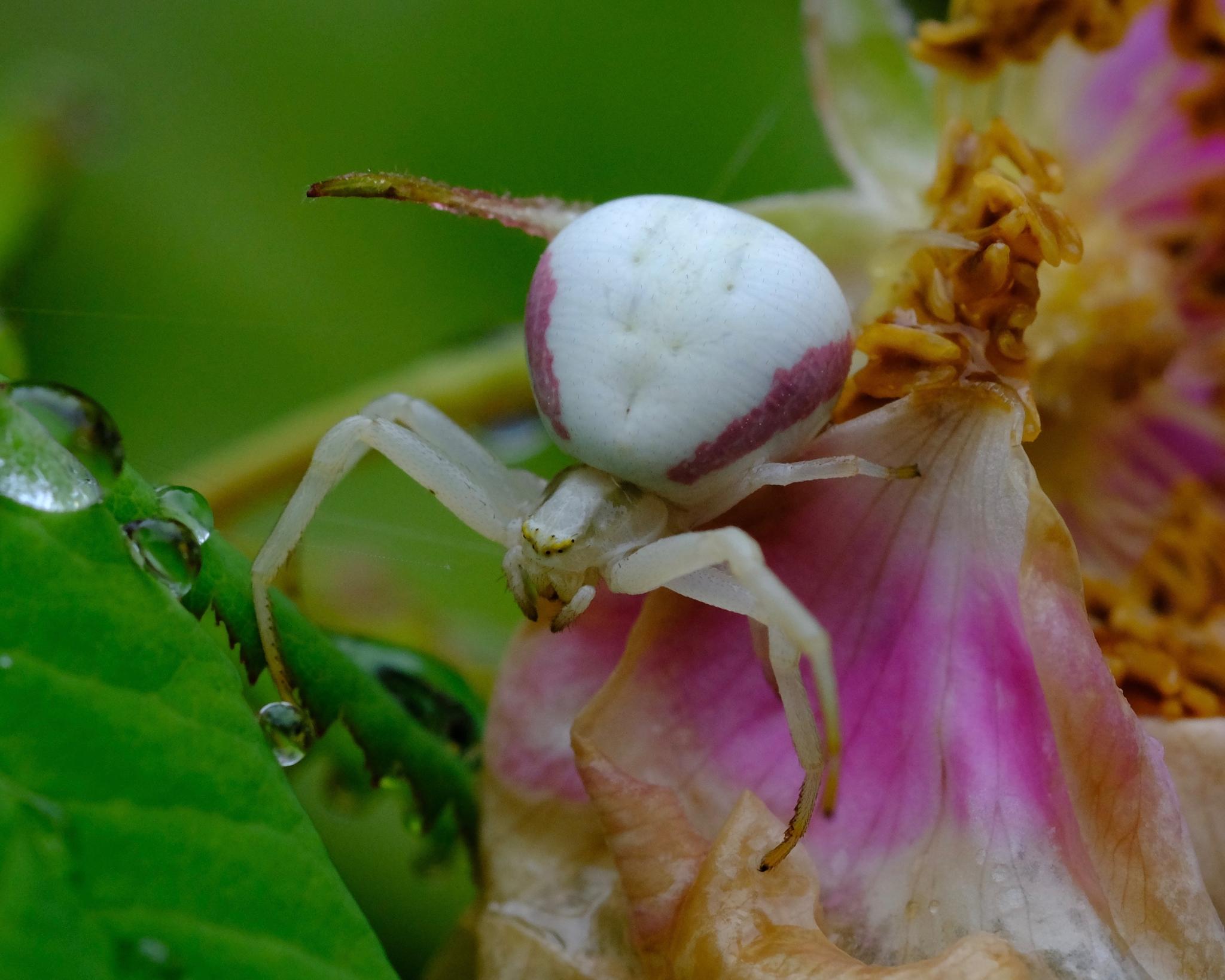
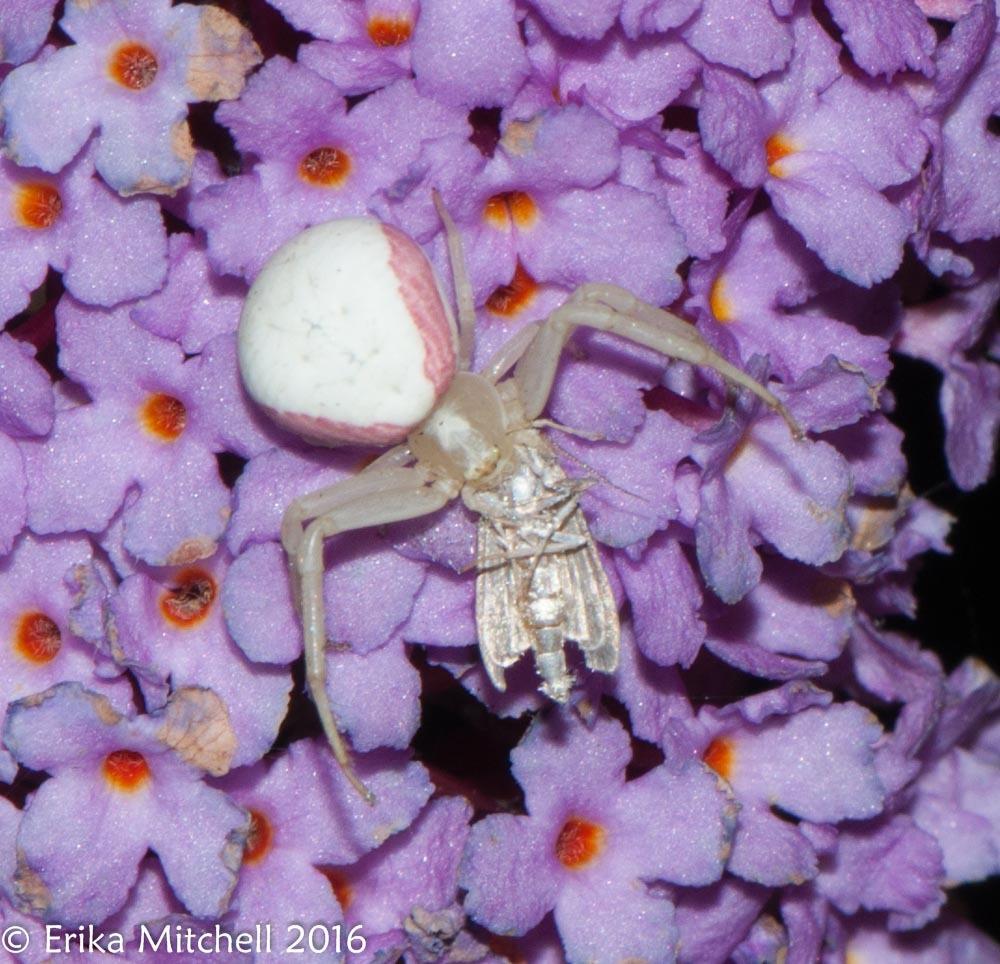
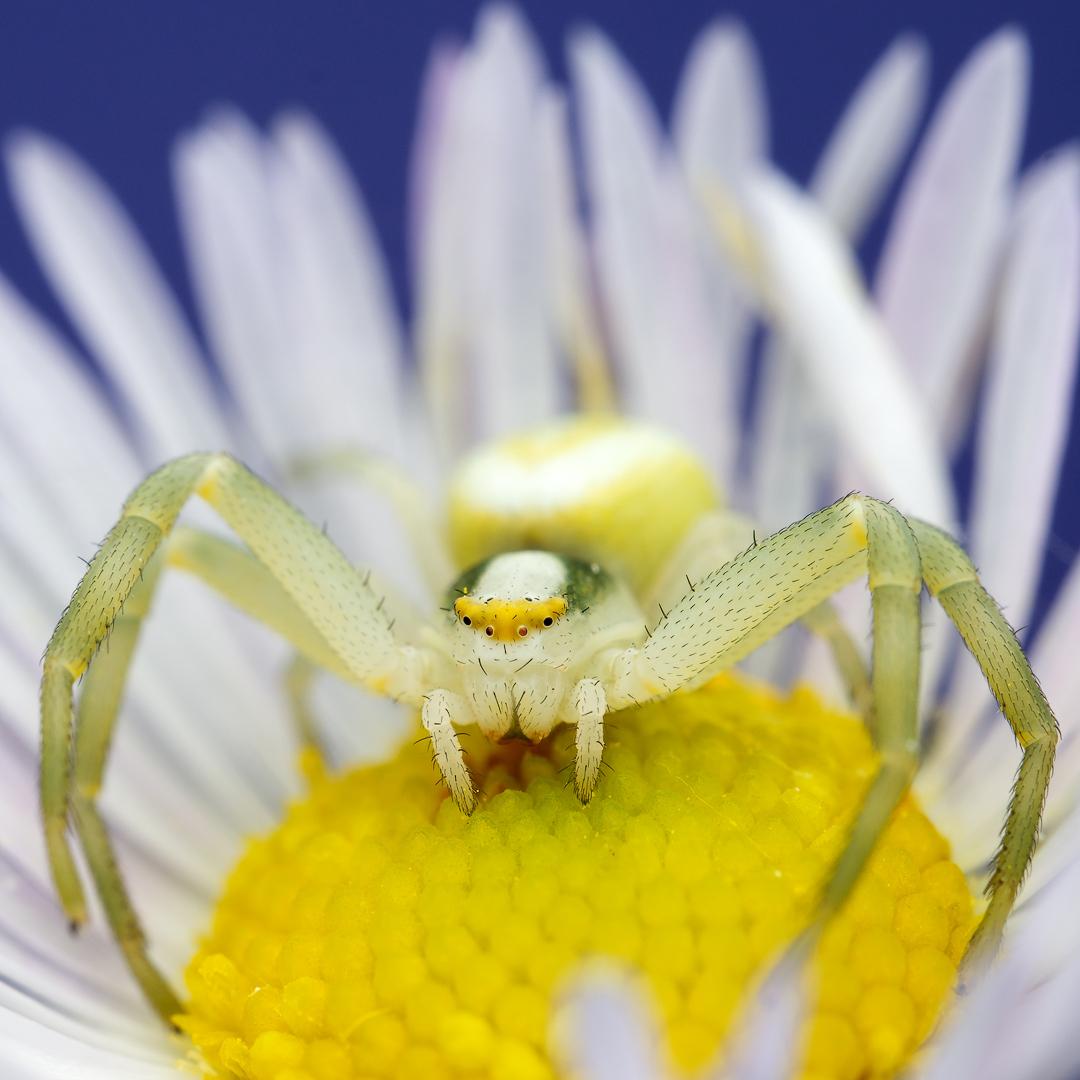
Misumena vatia is a species of crab spider found in Europe and North America. In North America, it is called the goldenrod crab spider or flower (crab) spider, as it is commonly found hunting in goldenrod sprays and milkweed plants. They are called crab spiders because of their unusual ability to walk sideways as well as forwards and backwards. Both males and females of this species progress through several molts before reaching their adult sizes, though females must molt more to reach their larger size. Females can grow up to 10 mm (0.39 in) while males are quite small, reaching 5 mm (0.20 in) at most. Misumena vatia are usually yellow or white or a pattern of these two colors. They may also present with pale green or pink instead of yellow, again, in a pattern with white. They have the ability to change between these colors based on their surroundings through the molting process. They have a complex visual system, with eight eyes, that they rely on for prey capture and for their colo...

Source: Wikipedia
Recent Publications

Loading articles…

See more articles

Experiences to see Goldenrod Crab Spider

There are no published experiences tagged with Goldenrod Crab Spider yet.

SEE MORE
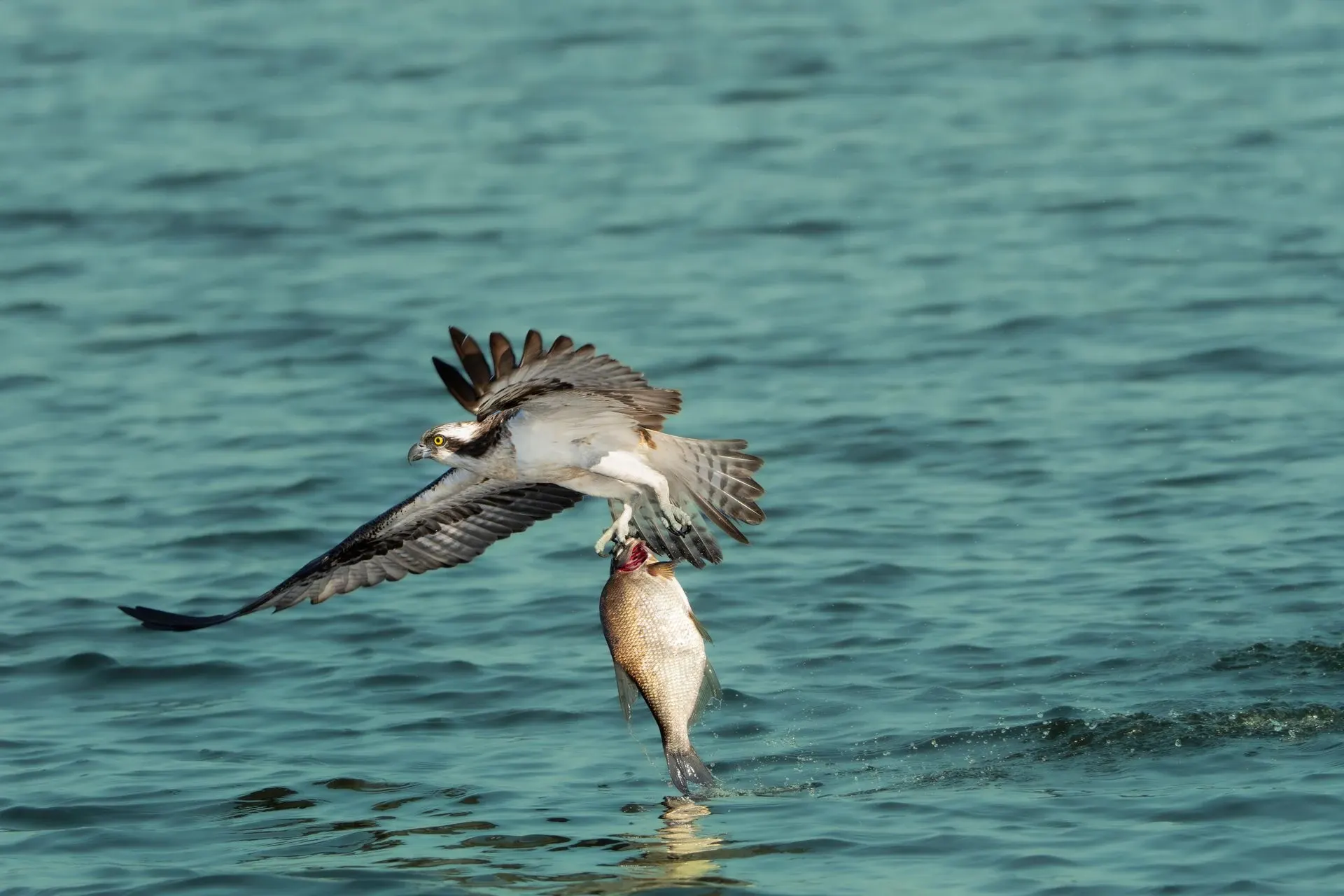
A dramatic shot of an osprey flying over the water with a fish in its talons, illustrating the relationship between predator and prey.
Birdwatching

Where to see ospreys in the Odiel Marshes in winter

November 17, 2026
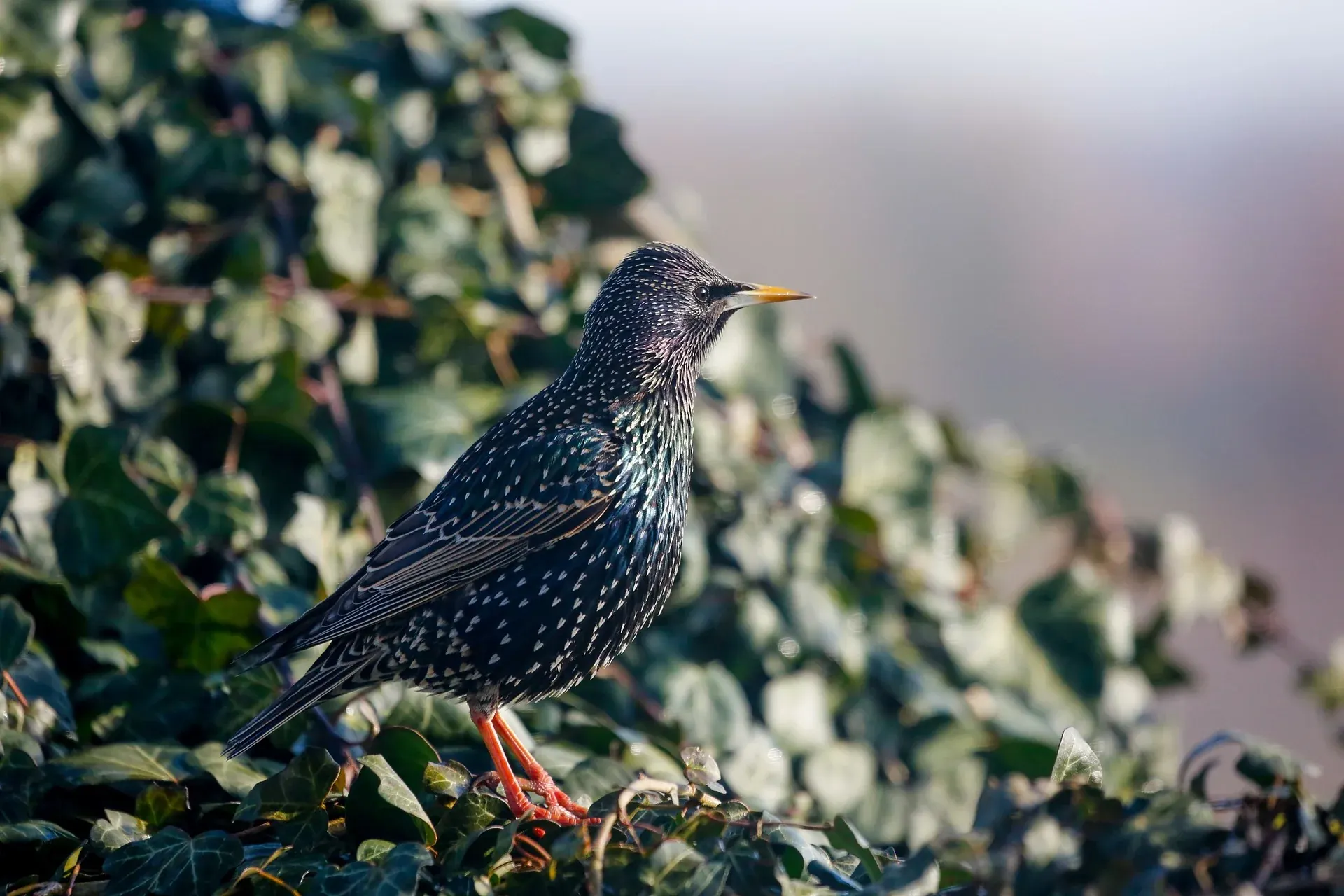
A common starling perched on ivy in soft natural light.
Animales NatSombrosos

Why starlings gather in large flocks at dusk and how they move together

November 12, 2026
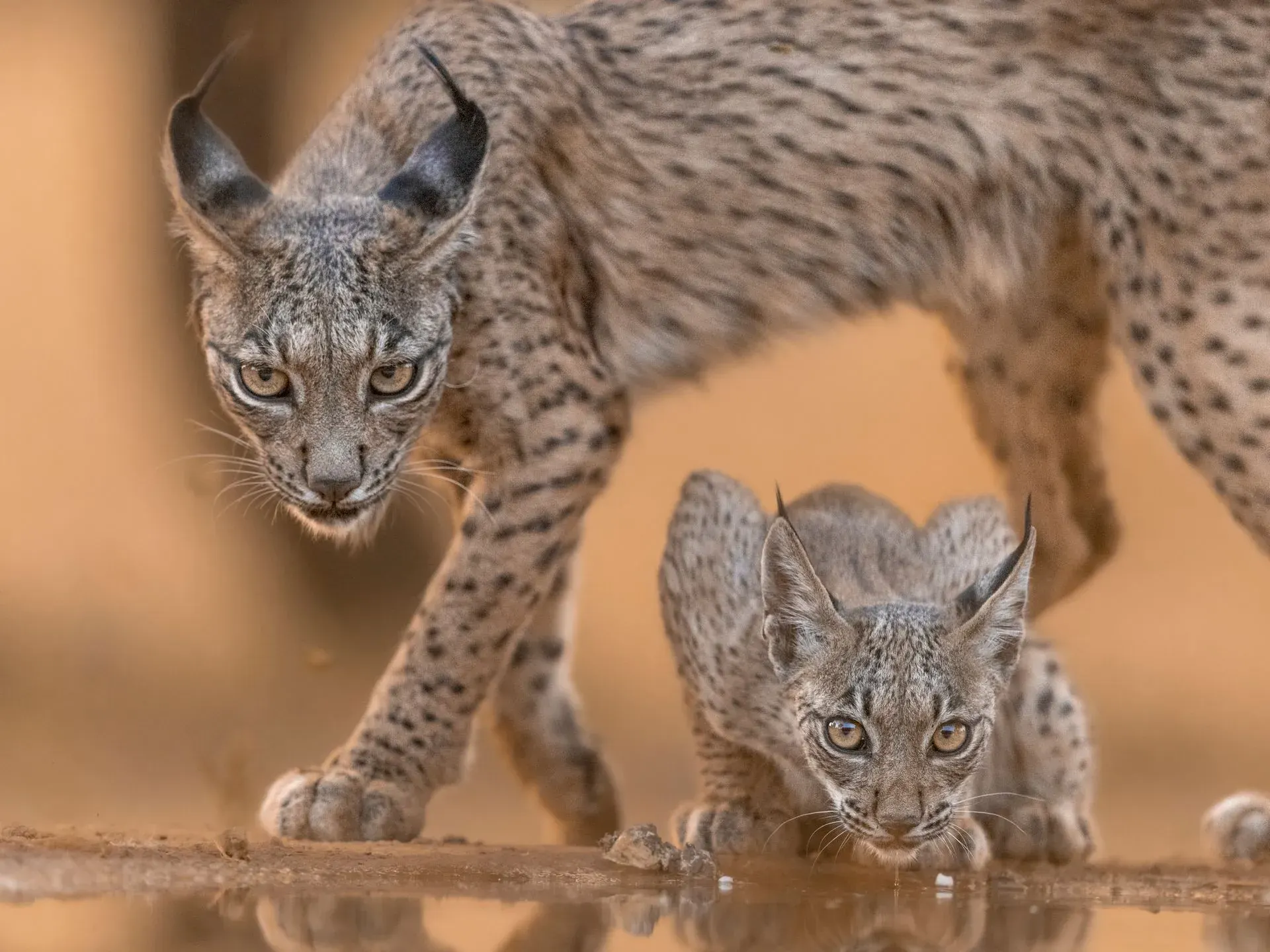
A captivating scene of an Iberian lynx and its cub in their natural habitat in Spain.
Fauna ibérica

The Iberian lynx mating season: when it happens and how to plan a lynx-watching trip

November 10, 2026