Natsnap
  1. Home
  2. Animals
  3. Double Crested Cormorant
Natsnap
Trips and HidesAboutTaxonomySimilar Species
Natsnap
SearchAnimalsTripsHides
ProfessionalsAbout UsBlogContact

Legal Information

Legal NoticePrivacy PolicyCookies PolicyTerms of Service

Supported by

Gipuzkoako Foru Aldundia / Diputación Foral de GipuzkoaGrupo SPRI Taldea

© 2026 NatSnap. All rights reserved.

Double-crested Cormorant

Nannopterum auritum

Recent sightings

WHERE TO SEE

Recent sightings

Cargando mapa...
Double-crested Cormorant
1 / 9

About the species

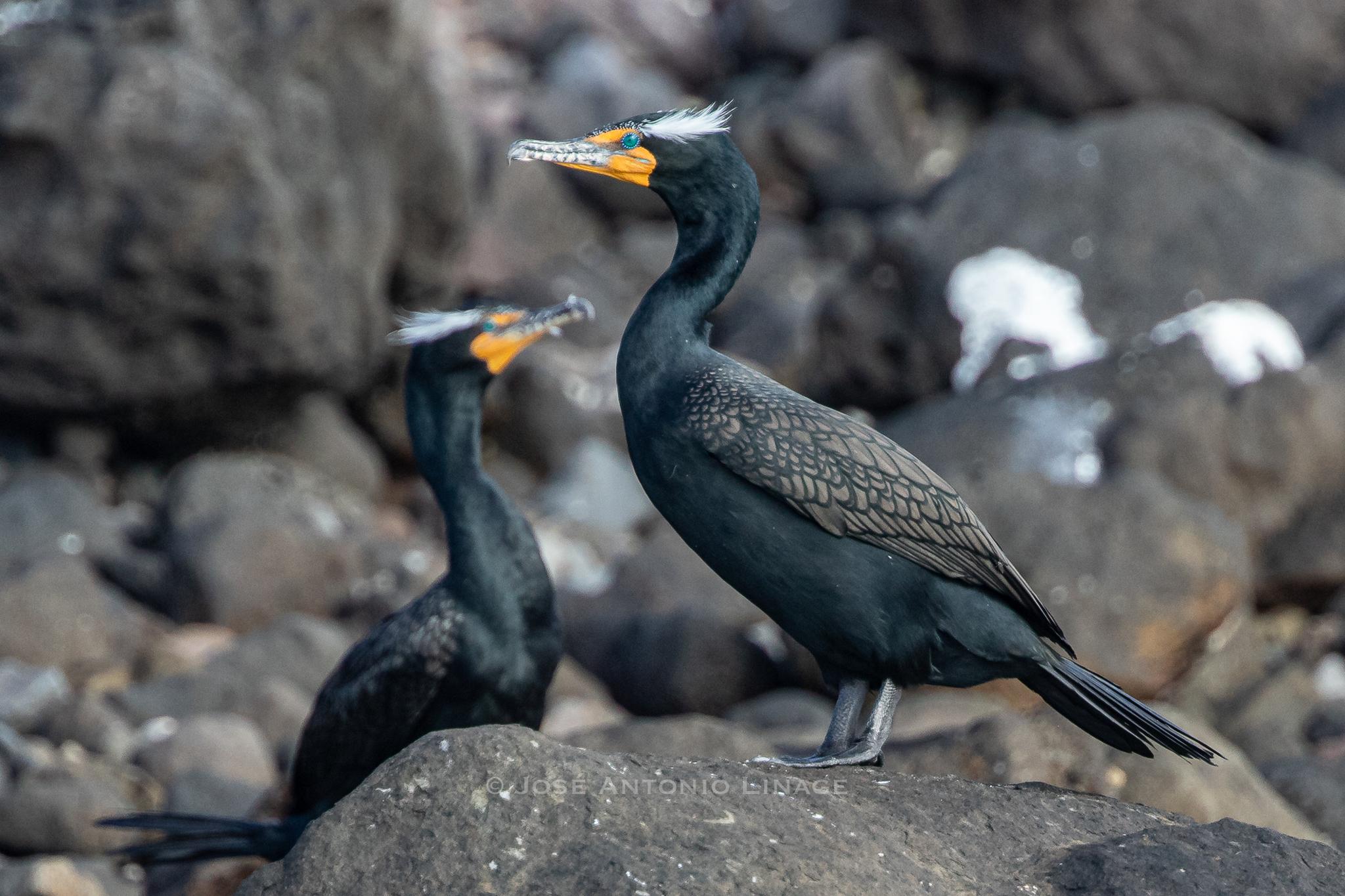
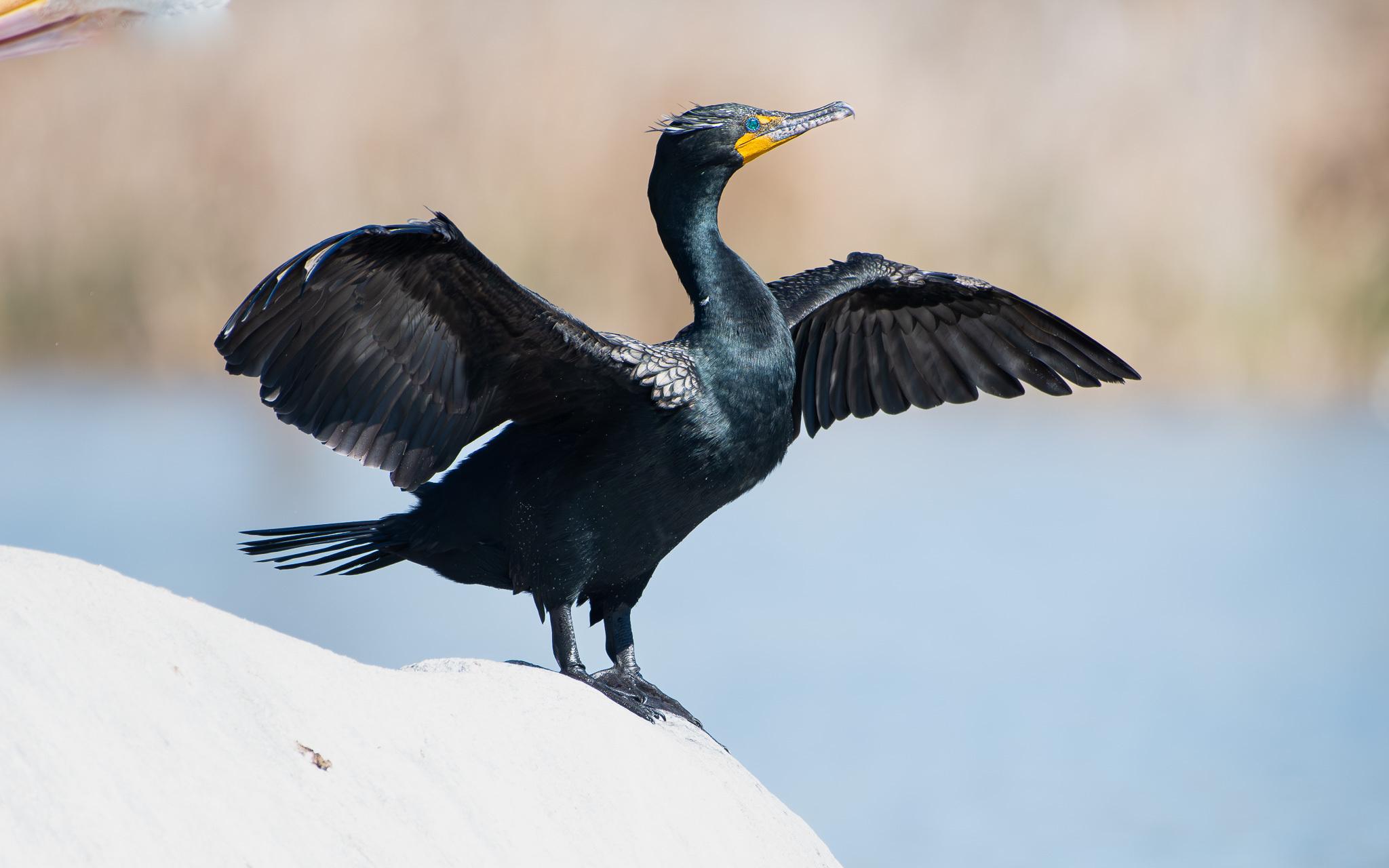
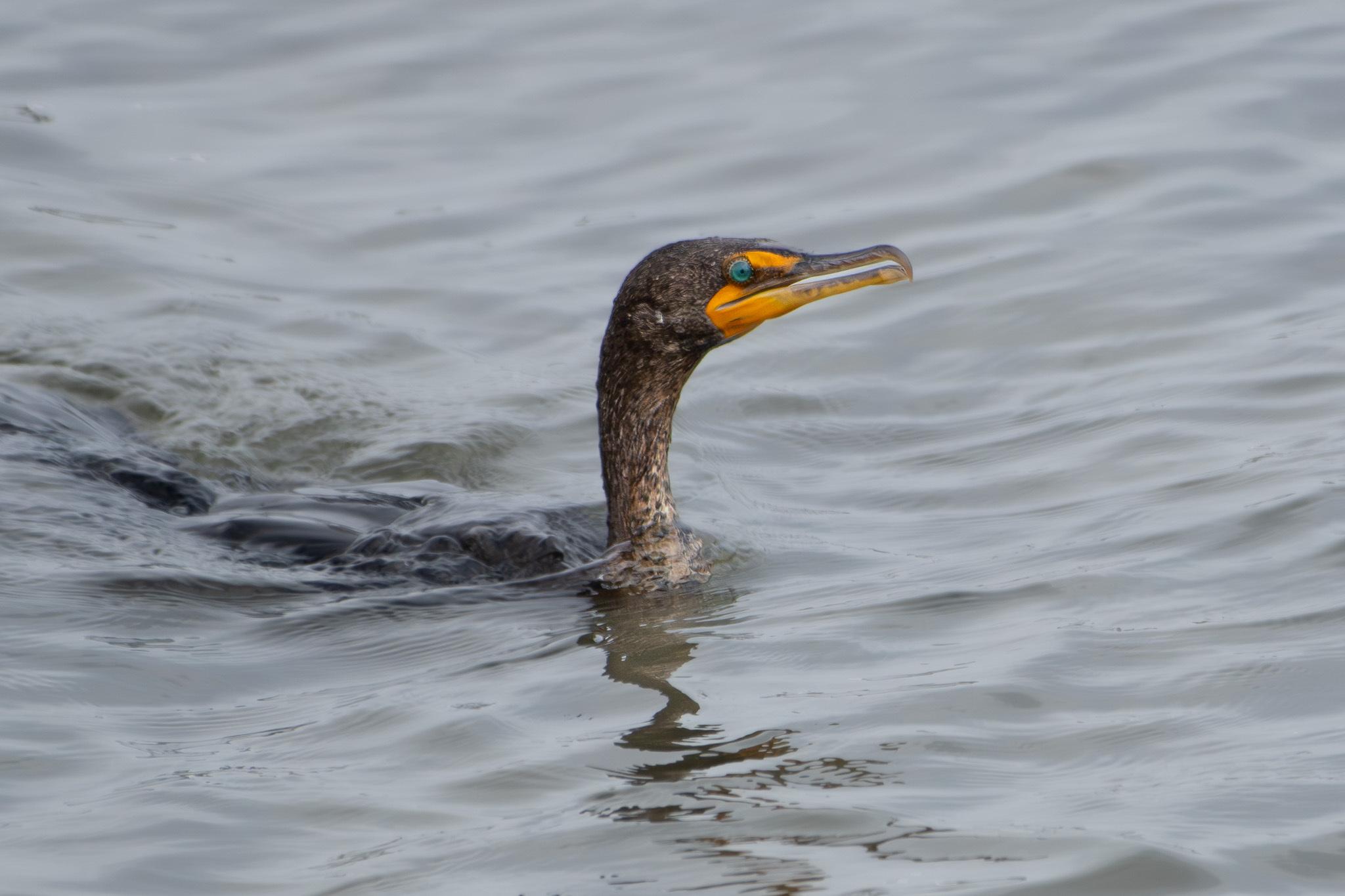
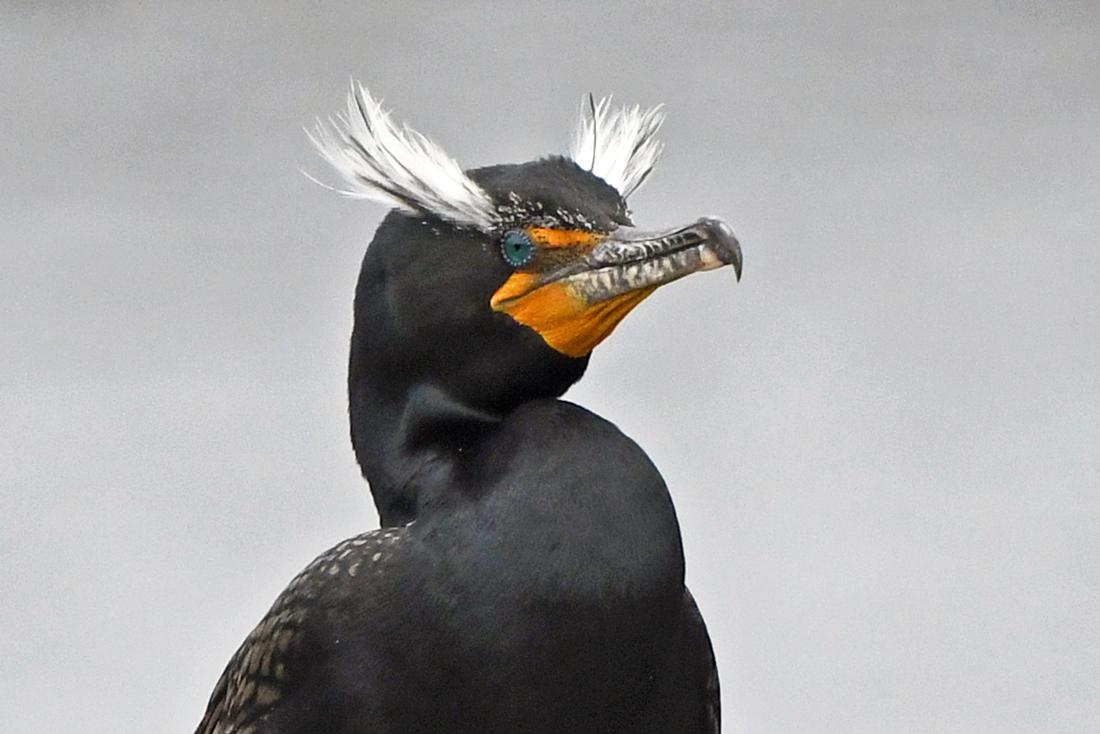
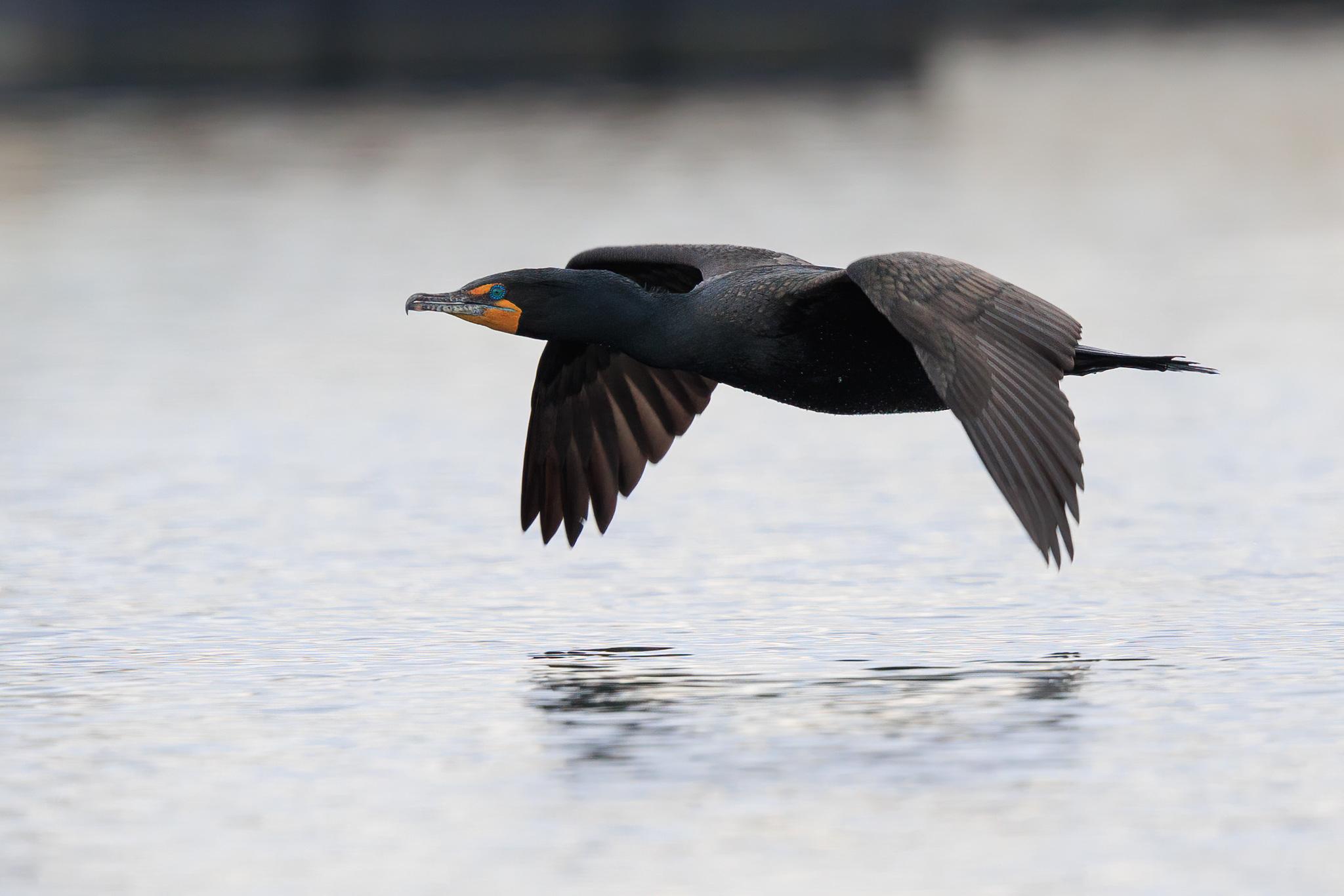
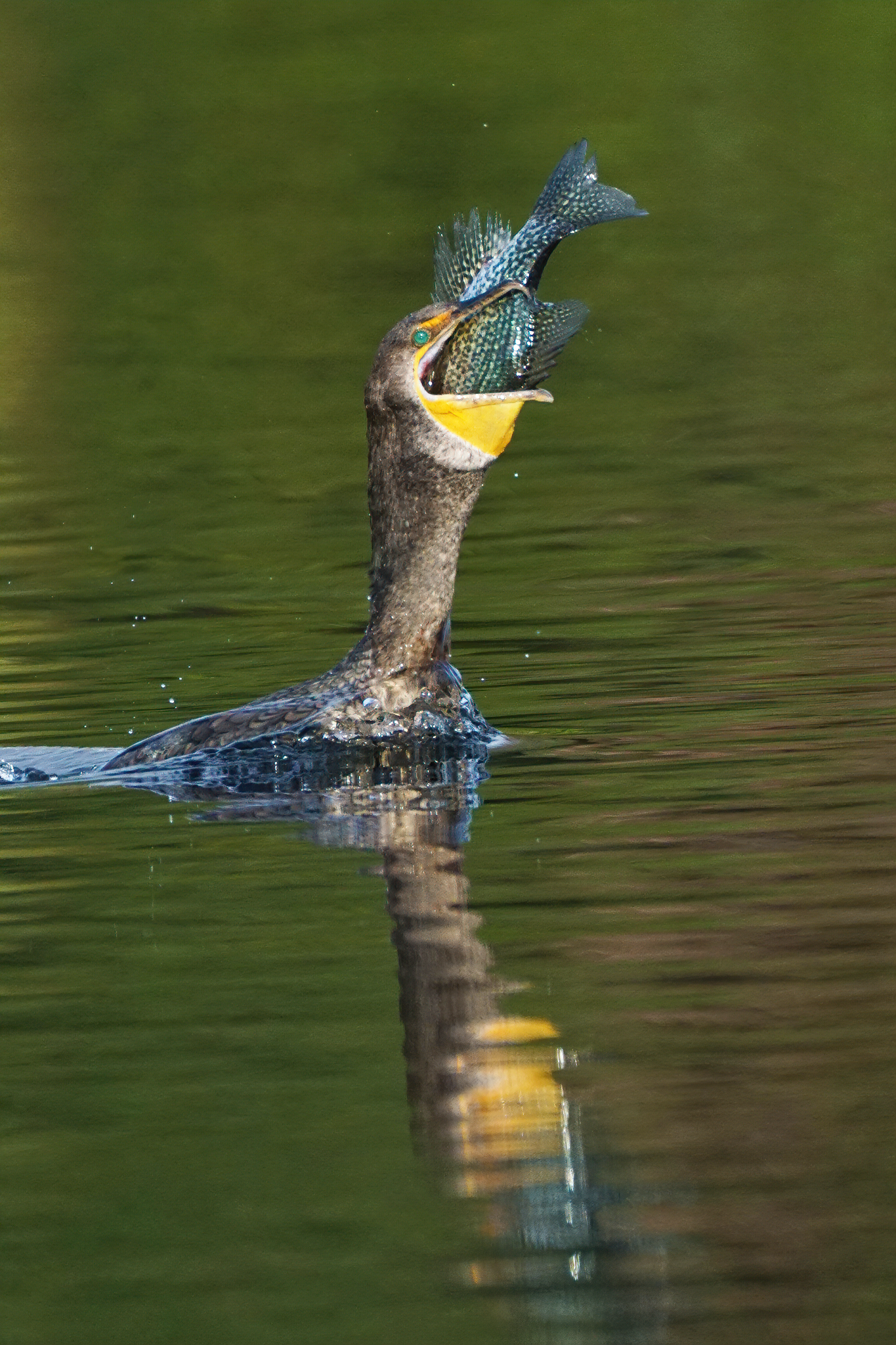
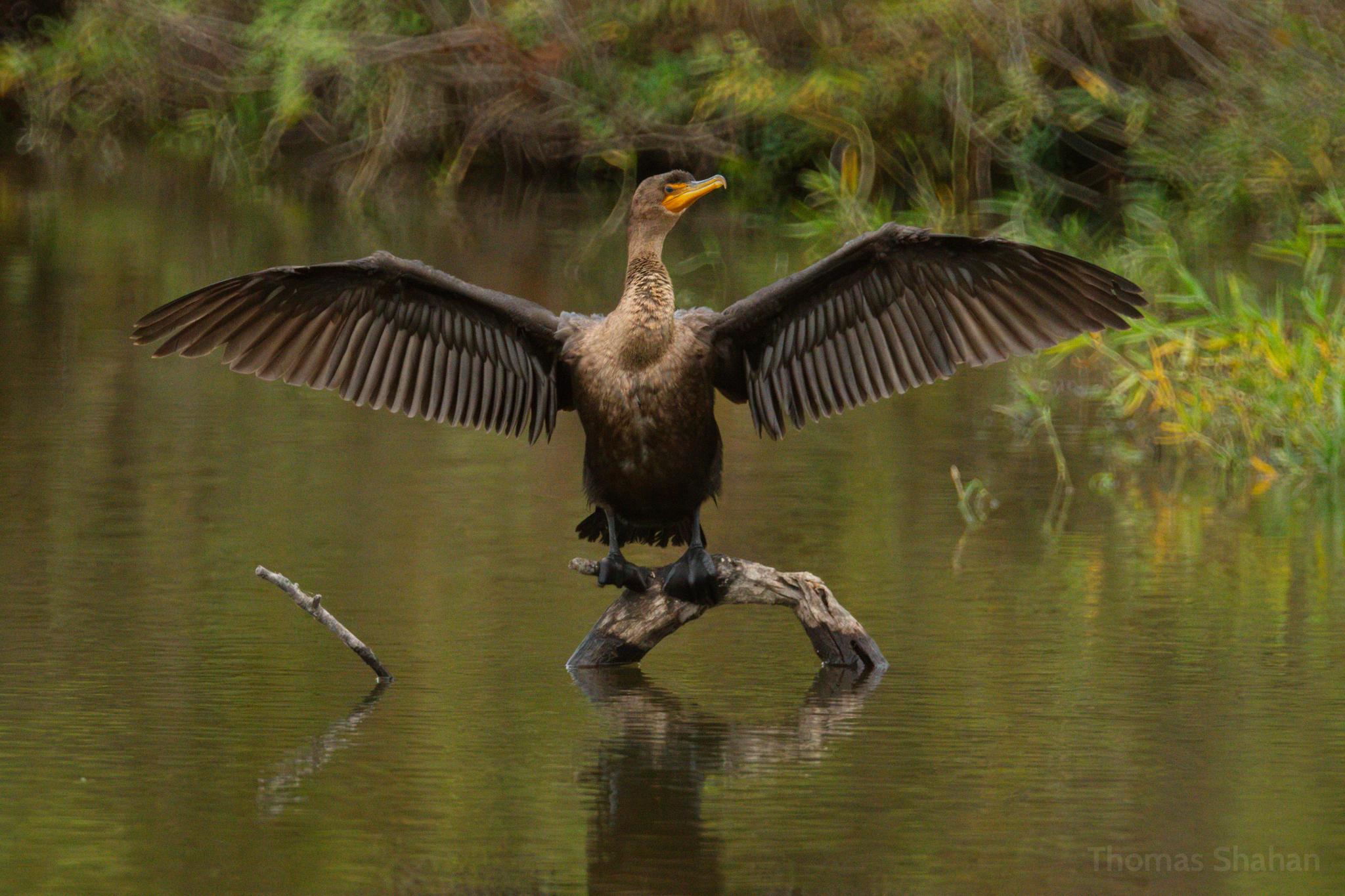
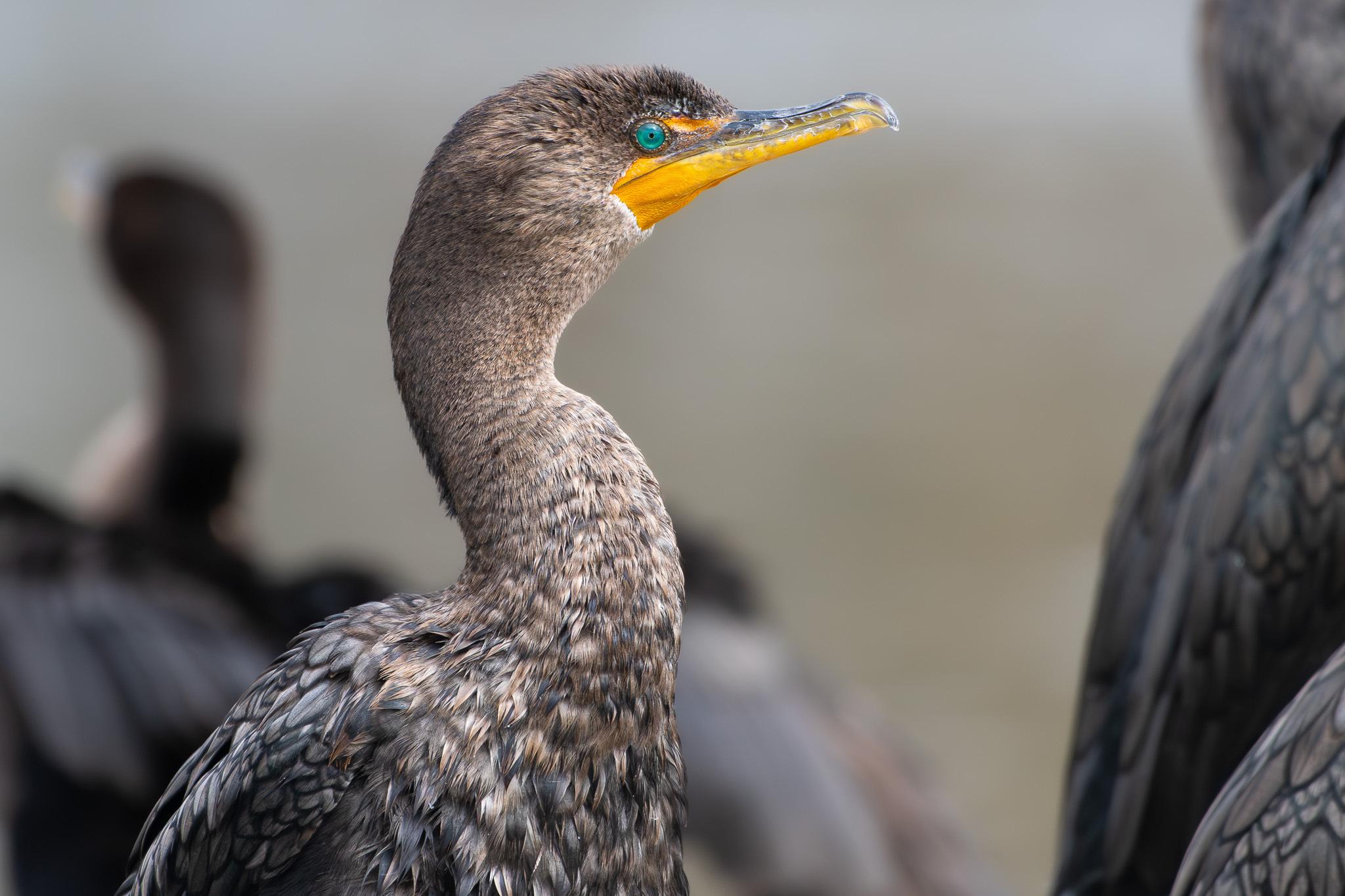
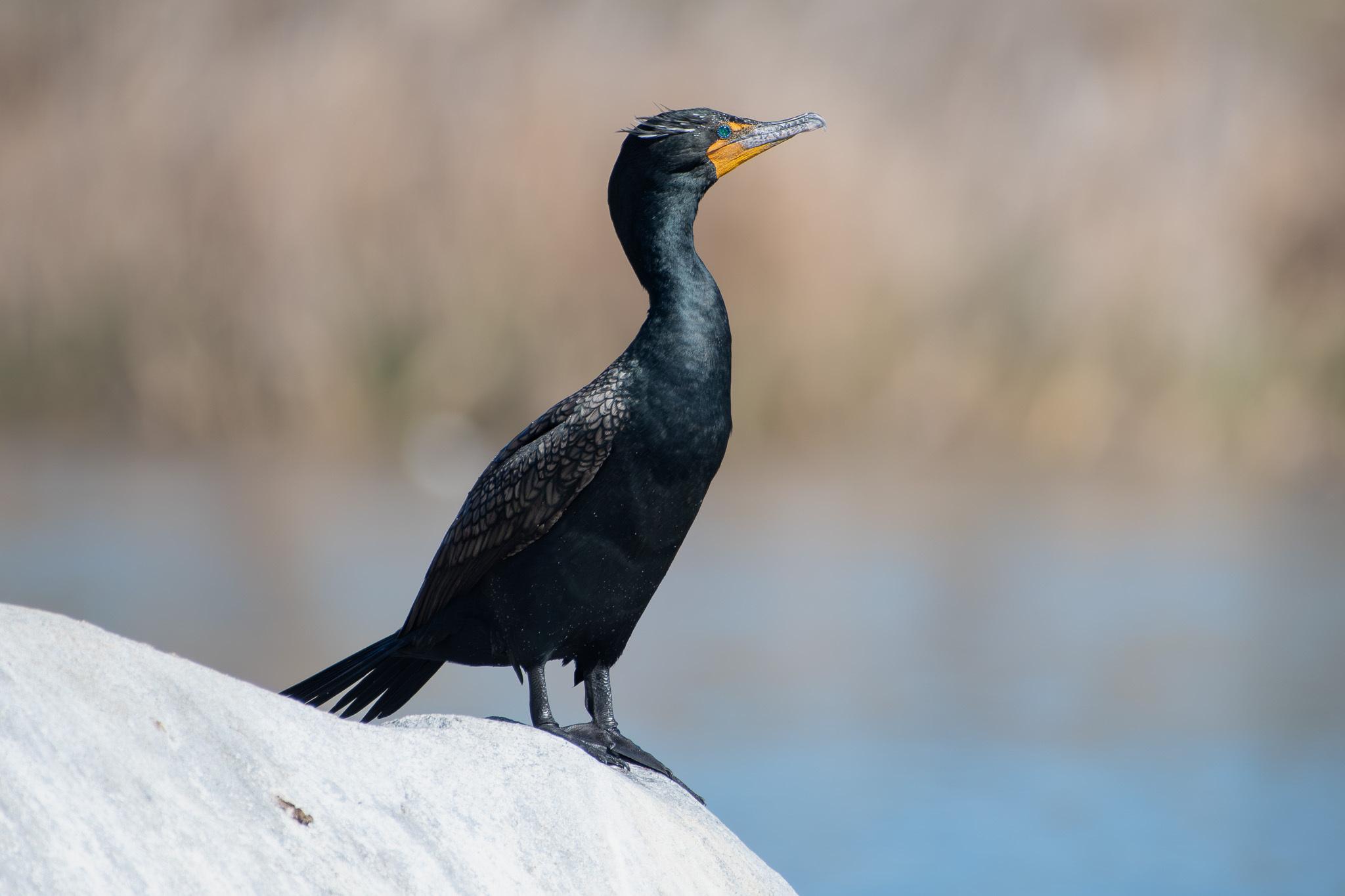
The double-crested cormorant is a member of the cormorant family of water birds. It is found near rivers and lakes and in coastal areas and is widely distributed across North America, from the Aleutian Islands in Alaska down to Florida and Mexico. Measuring 70–90 cm (28–35 in) in length, it is entirely black except for a bare patch of orange-yellow facial skin and some extra plumage that it exhibits in the breeding season when it grows a double crest in which black feathers are mingled with white. Five subspecies are recognized. It mainly eats fish and hunts by swimming and diving. Its feathers, like all cormorants, are not waterproof, and it must dry them out after spending time in the water. Once threatened by the use of DDT, the numbers of this bird have increased markedly in recent years.

Source: Wikipedia
Recent Publications

Loading articles…

See more articles

Experiences to see Double-crested Cormorant

There are no published experiences tagged with Double-crested Cormorant yet.

SEE MORE
A dramatic shot of an osprey flying over the water with a fish in its talons, illustrating the relationship between predator and prey.
Birdwatching

Where to see ospreys in the Odiel Marshes in winter

November 17, 2026
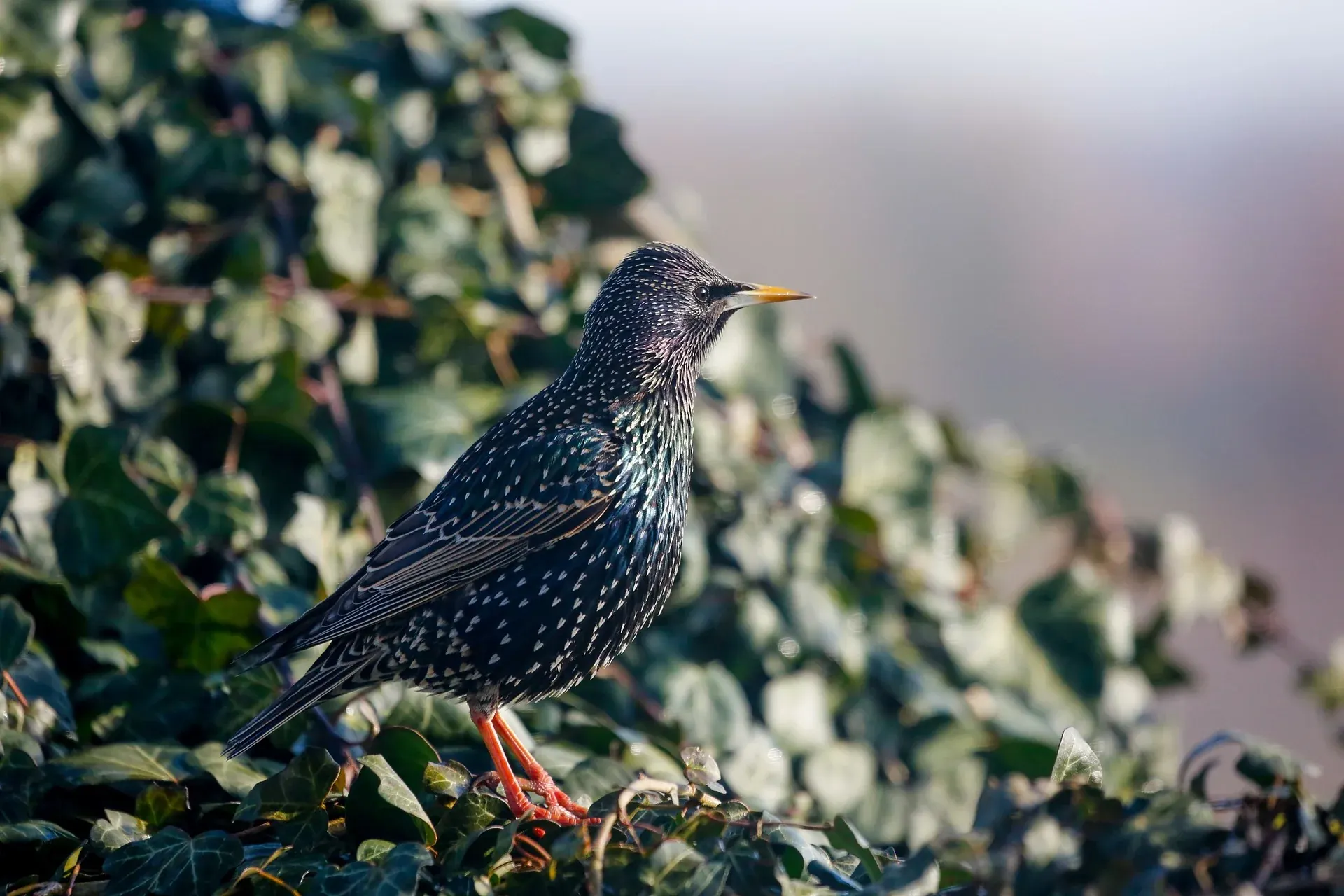
A common starling perched on ivy in soft natural light.
Animales NatSombrosos

Why starlings gather in large flocks at dusk and how they move together

November 12, 2026
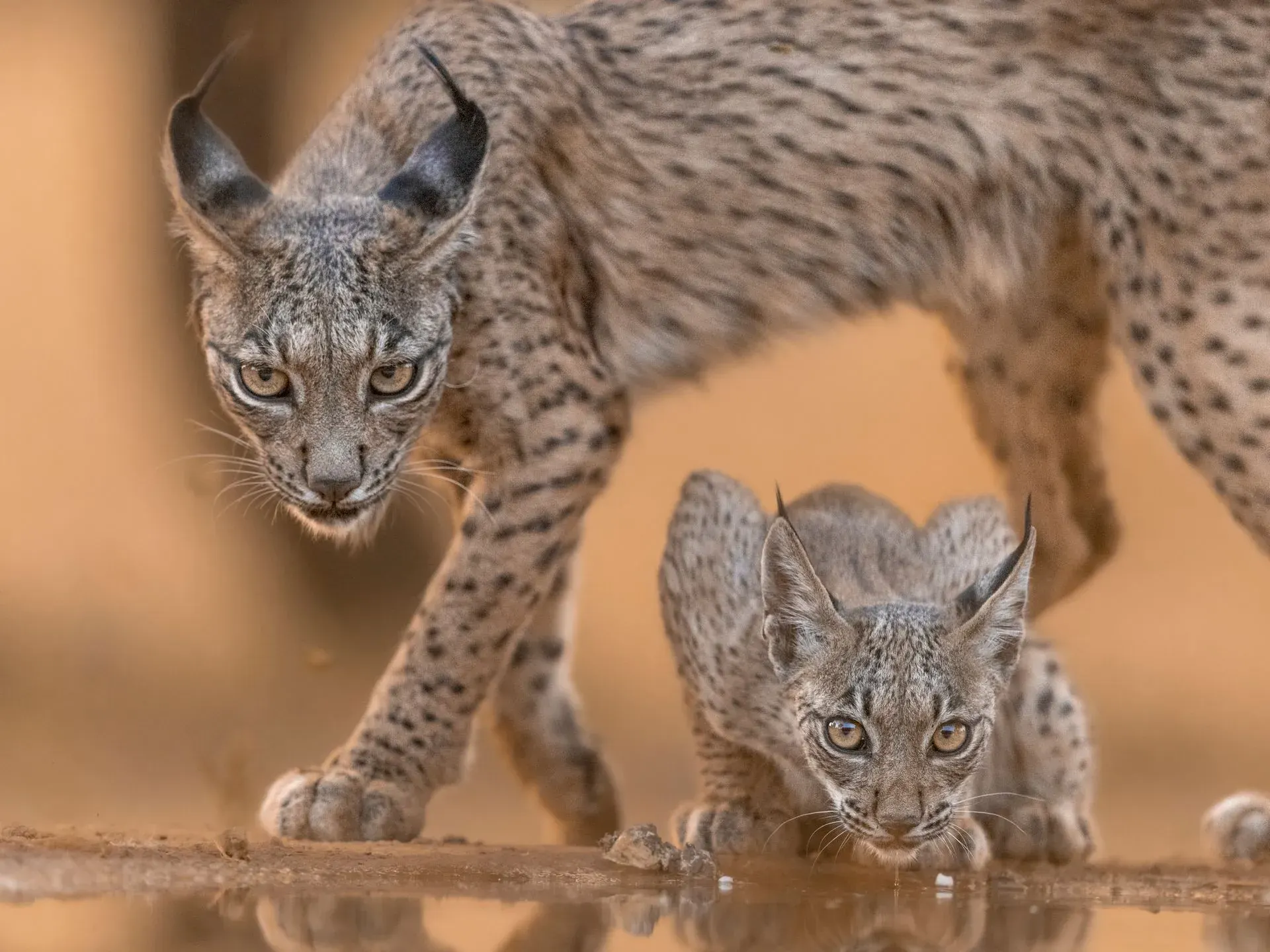
A captivating scene of an Iberian lynx and its cub in their natural habitat in Spain.
Fauna ibérica

The Iberian lynx mating season: when it happens and how to plan a lynx-watching trip

November 10, 2026