Natsnap
  1. Home
  2. Animals
  3. Cuban Flightless Crane
Natsnap
Trips and HidesAboutTaxonomySimilar Species
Natsnap
SearchAnimalsTripsHides
ProfessionalsAbout UsBlogContact

Legal Information

Legal NoticePrivacy PolicyCookies PolicyTerms of Service

Supported by

Gipuzkoako Foru Aldundia / Diputación Foral de GipuzkoaGrupo SPRI Taldea

© 2026 NatSnap. All rights reserved.

Cuban Flightless Crane

Grus cubensis

Recent sightings

WHERE TO SEE

Recent sightings

Cargando mapa...
No images available.

About the species

Antigone cubensis, sometimes called the Cuban flightless crane, is an extinct species of large crane which was endemic to the island of Cuba in the Caribbean. The species was originally placed in the genus Grus, as Grus cubensis, however subsequent study of the genus resulted in moving the species to Antigone in 2020. Subfossil remains were found in Pleistocene deposits in Pinar del Rio. Probably derived from an early invasion of sandhill cranes from North America, it differed from that species by, in addition to larger size, having a proportionately broader bill, stockier legs, and reduced wings and pectoral girdle indicating that it may have been flightless. Currently, the only extant Caribbean crane is the Cuban sandhill crane, Antigone canadensis nesiotes, an endangered subspecies of sandhill crane endemic to the country.

Source: Wikipedia
Recent Publications

Loading articles…

See more articles

Experiences to see Cuban Flightless Crane

There are no published experiences tagged with Cuban Flightless Crane yet.

SEE MORE
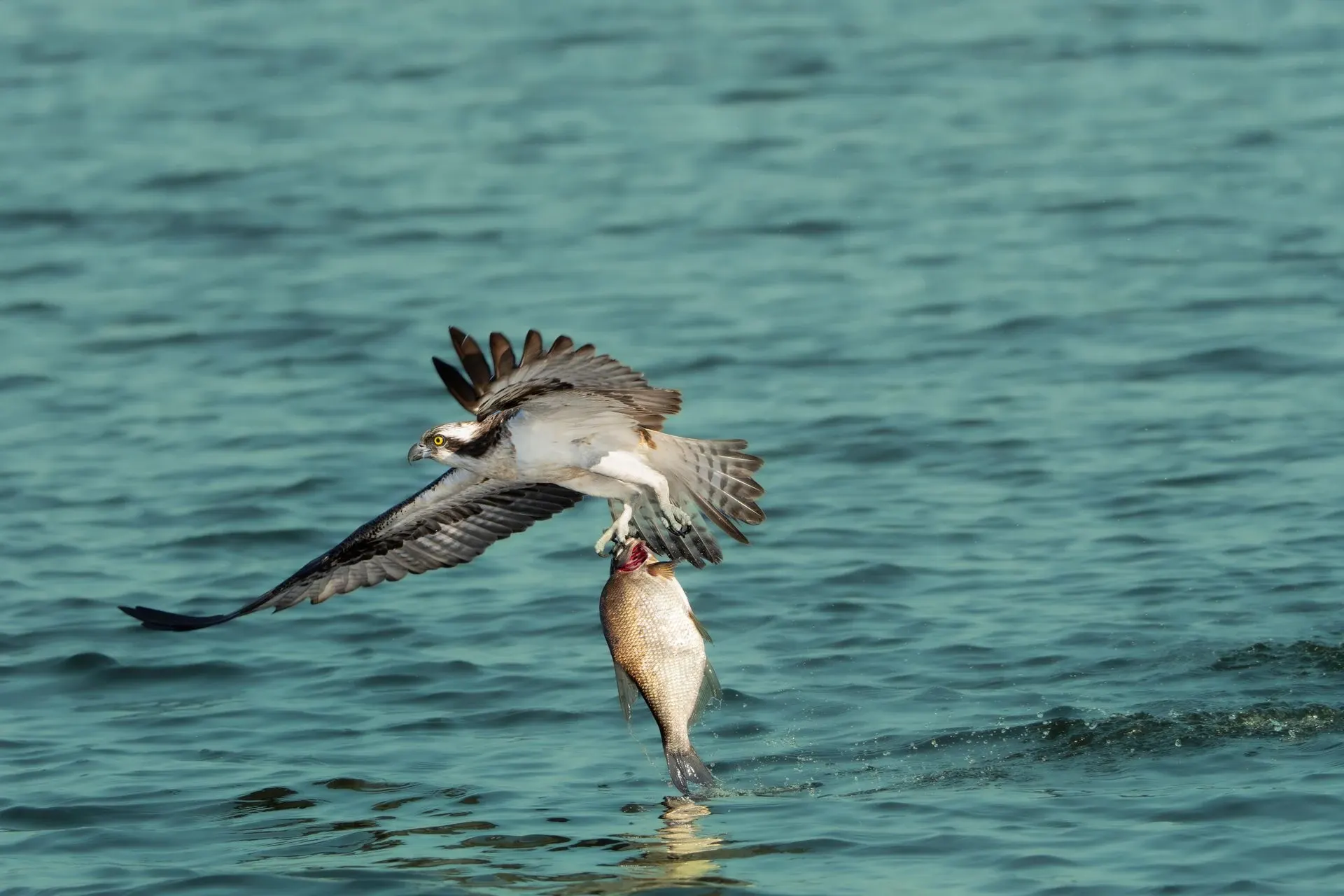
A dramatic shot of an osprey flying over the water with a fish in its talons, illustrating the relationship between predator and prey.
Birdwatching

Where to see ospreys in the Odiel Marshes in winter

November 17, 2026
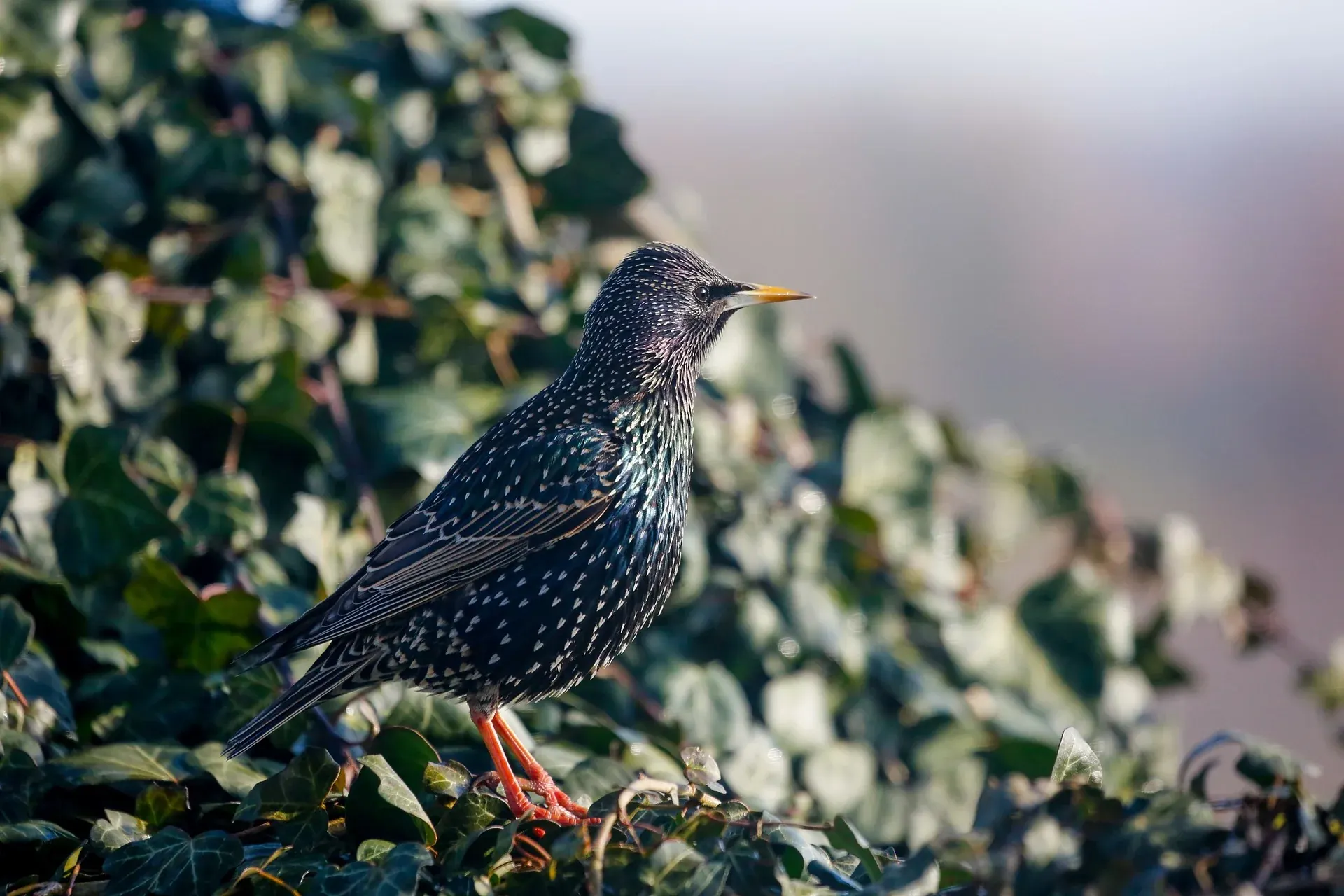
A common starling perched on ivy in soft natural light.
Animales NatSombrosos

Why starlings gather in large flocks at dusk and how they move together

November 12, 2026
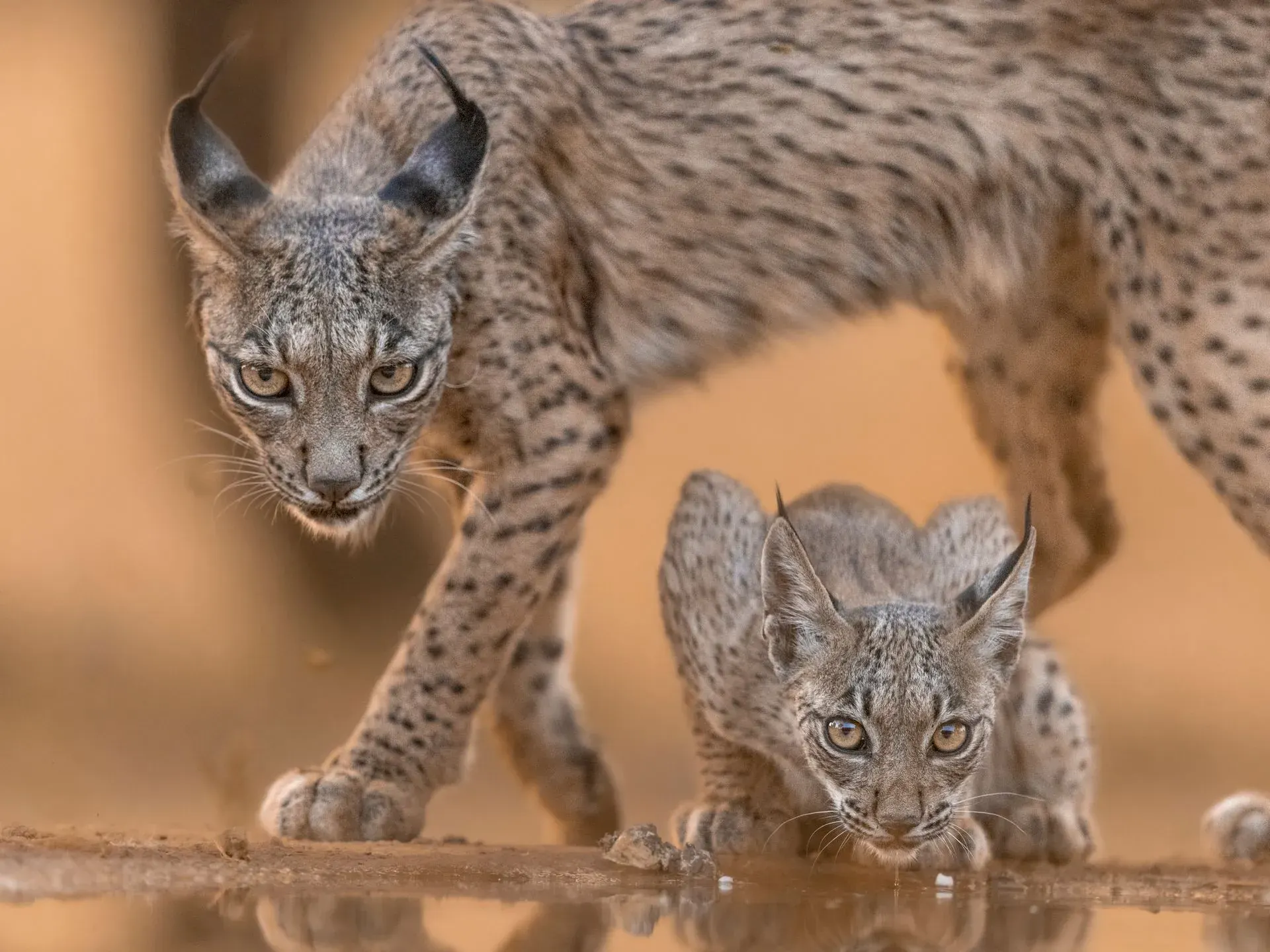
A captivating scene of an Iberian lynx and its cub in their natural habitat in Spain.
Fauna ibérica

The Iberian lynx mating season: when it happens and how to plan a lynx-watching trip

November 10, 2026