Natsnap
  1. Home
  2. Animals
  3. Brown Rat
Natsnap
Trips and HidesAboutTaxonomySimilar Species
Natsnap
SearchAnimalsTripsHides
ProfessionalsAbout UsBlogContact

Legal Information

Legal NoticePrivacy PolicyCookies PolicyTerms of Service

Supported by

Gipuzkoako Foru Aldundia / Diputación Foral de GipuzkoaGrupo SPRI Taldea

© 2026 NatSnap. All rights reserved.

Brown Rat

Rattus norvegicus

Recent sightings

WHERE TO SEE

Recent sightings

Cargando mapa...
Brown Rat
Brown Rat
Brown Rat
Brown Rat
Brown Rat
Brown Rat
Brown Rat
Brown Rat
Brown Rat
Brown Rat
Brown Rat
1 / 11

About the species

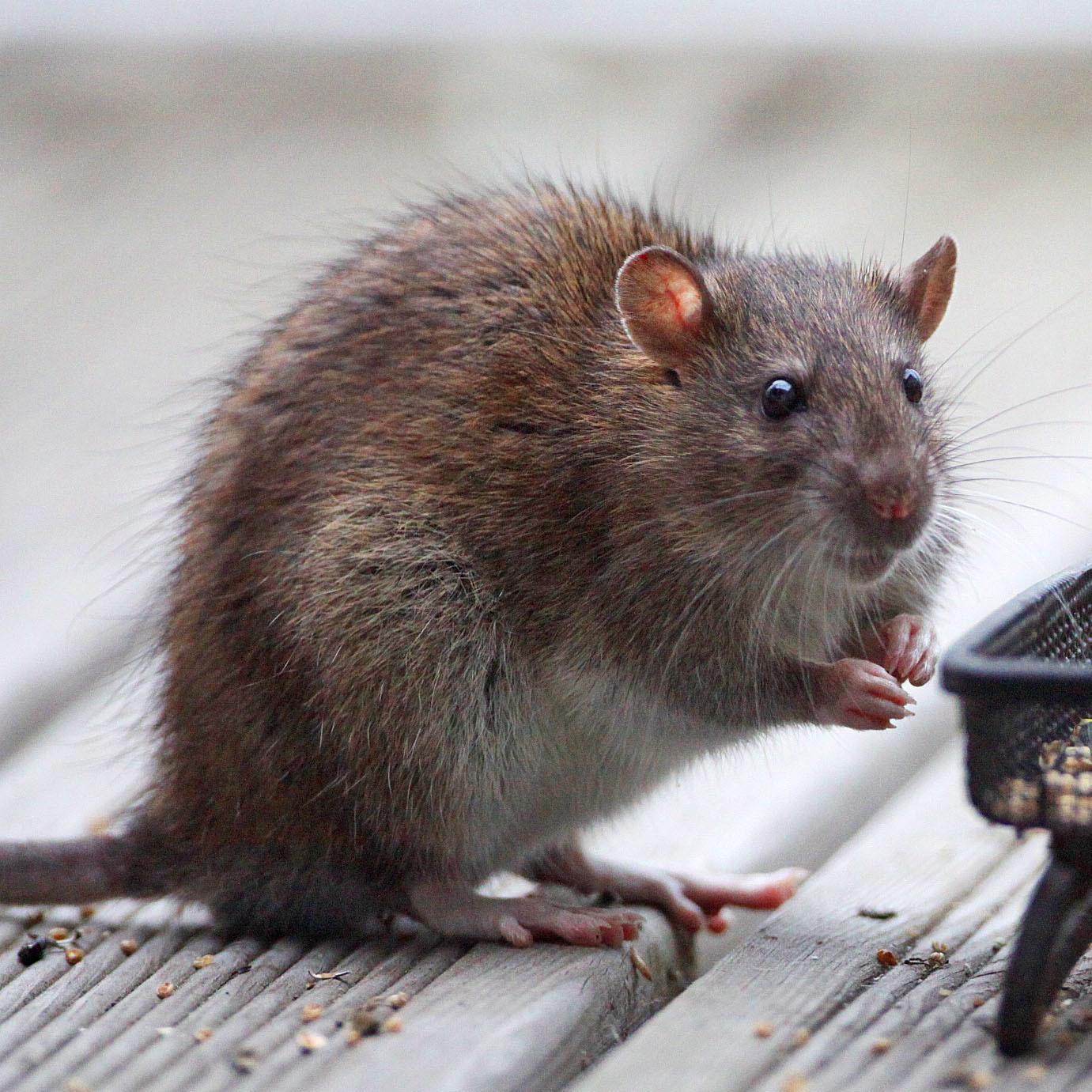
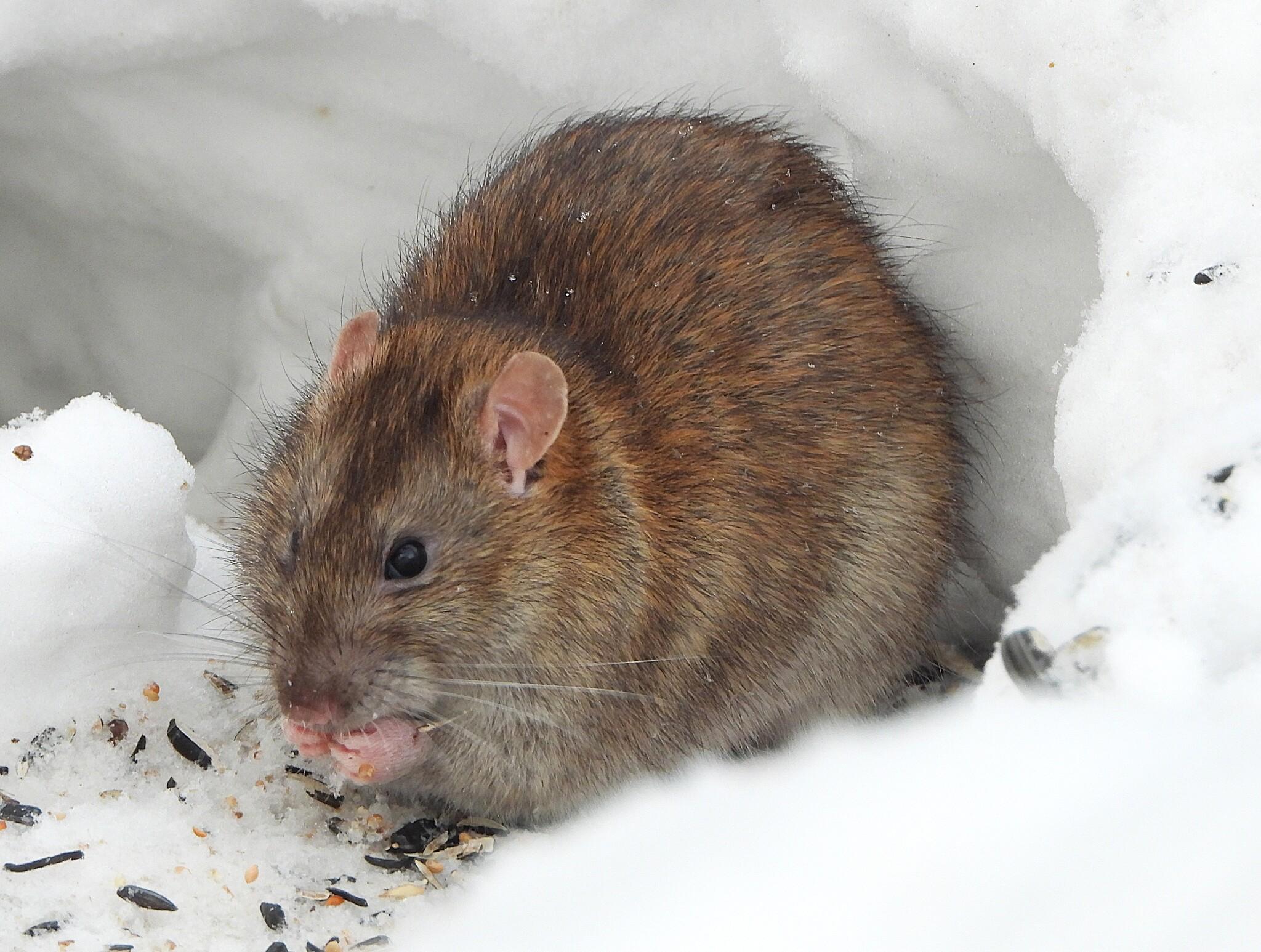
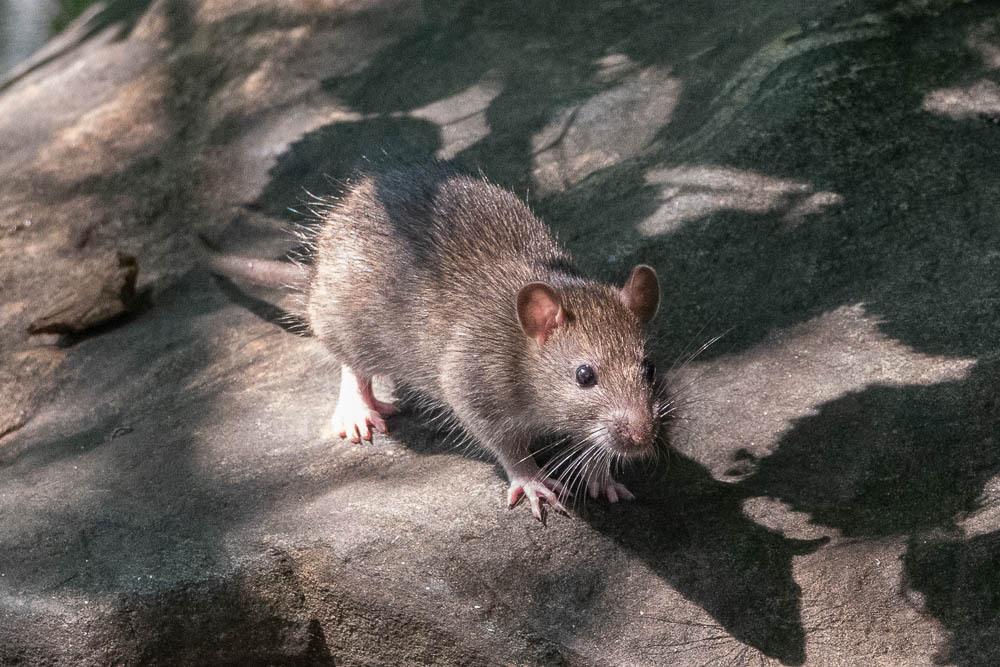
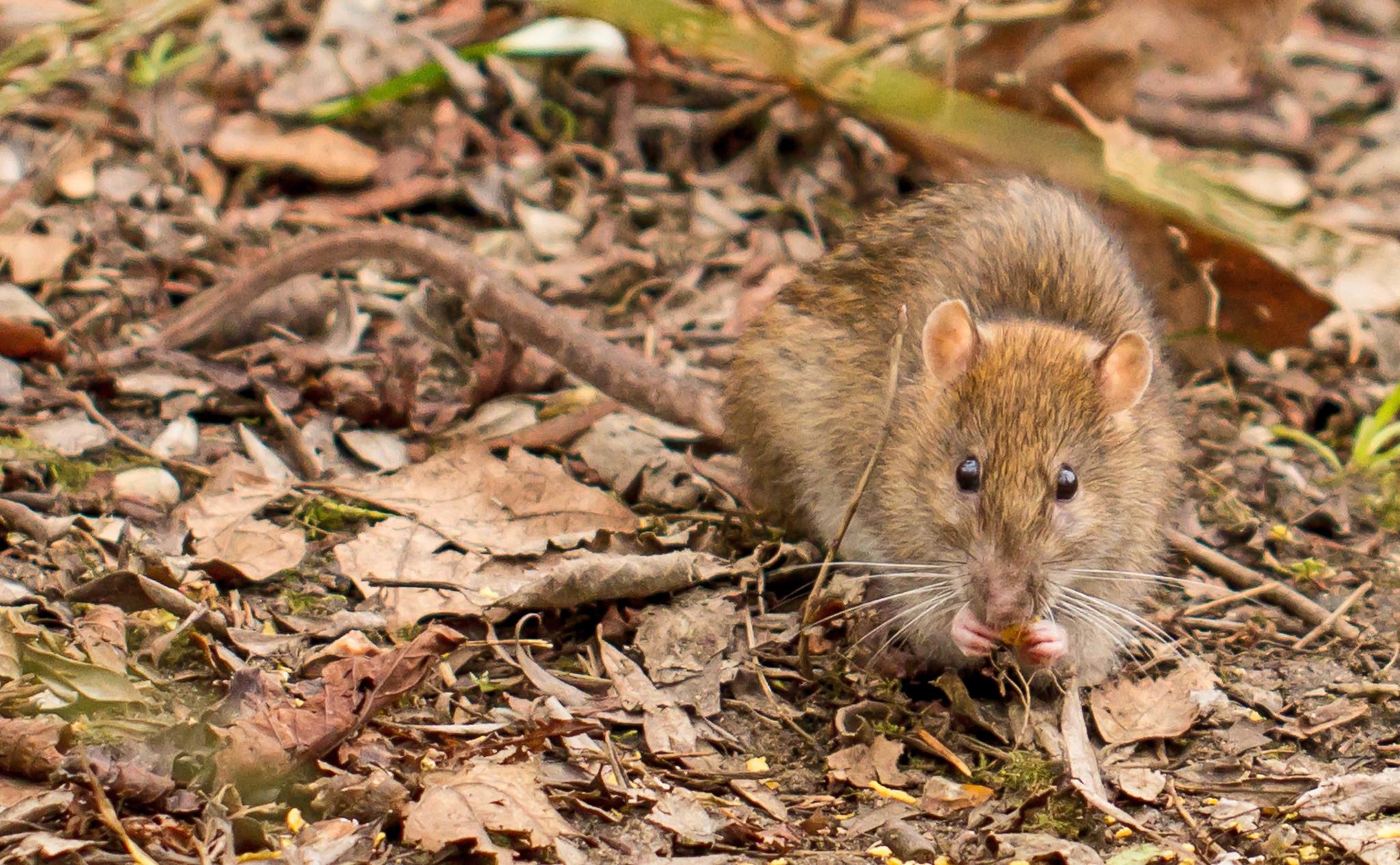
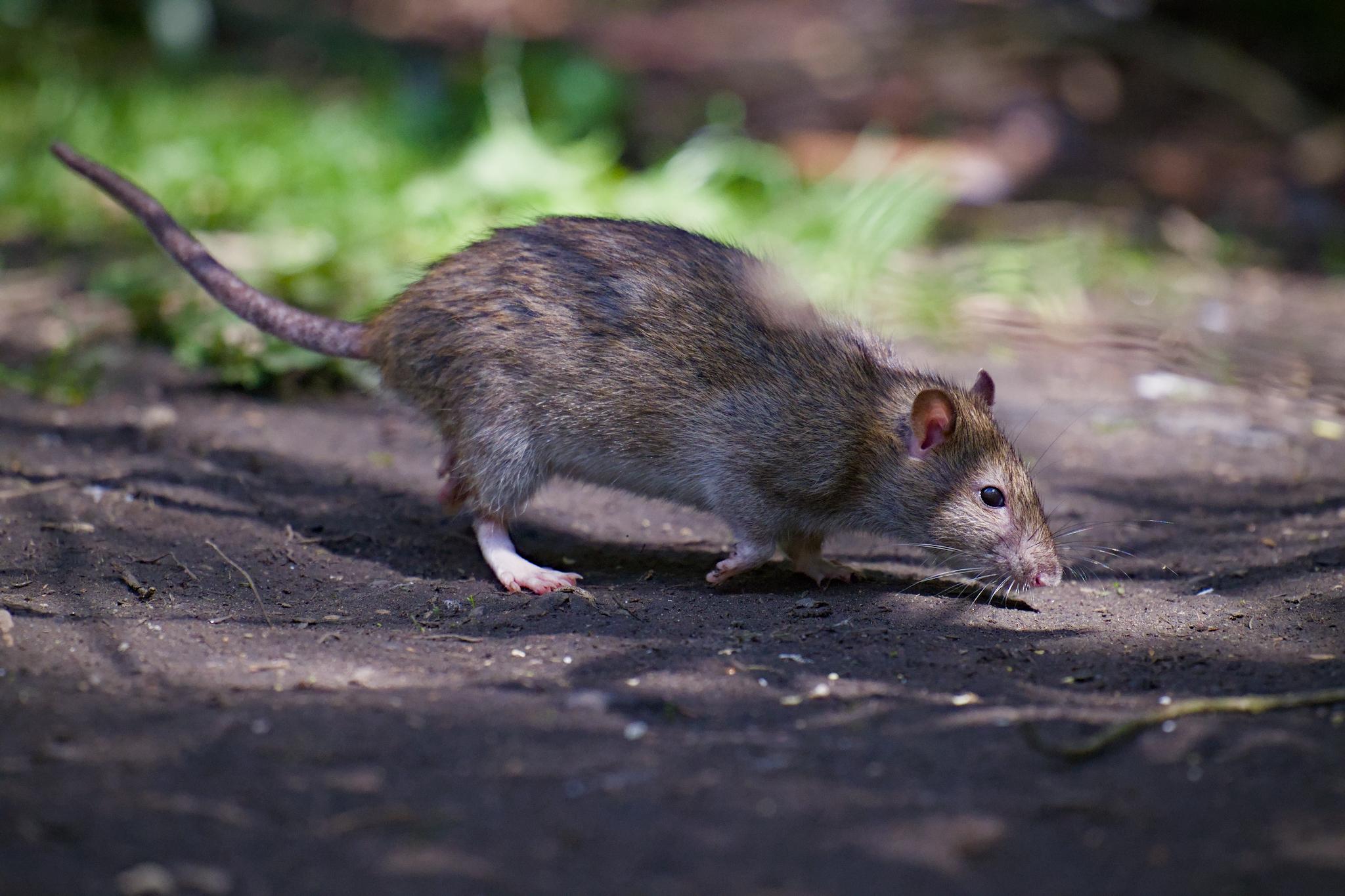
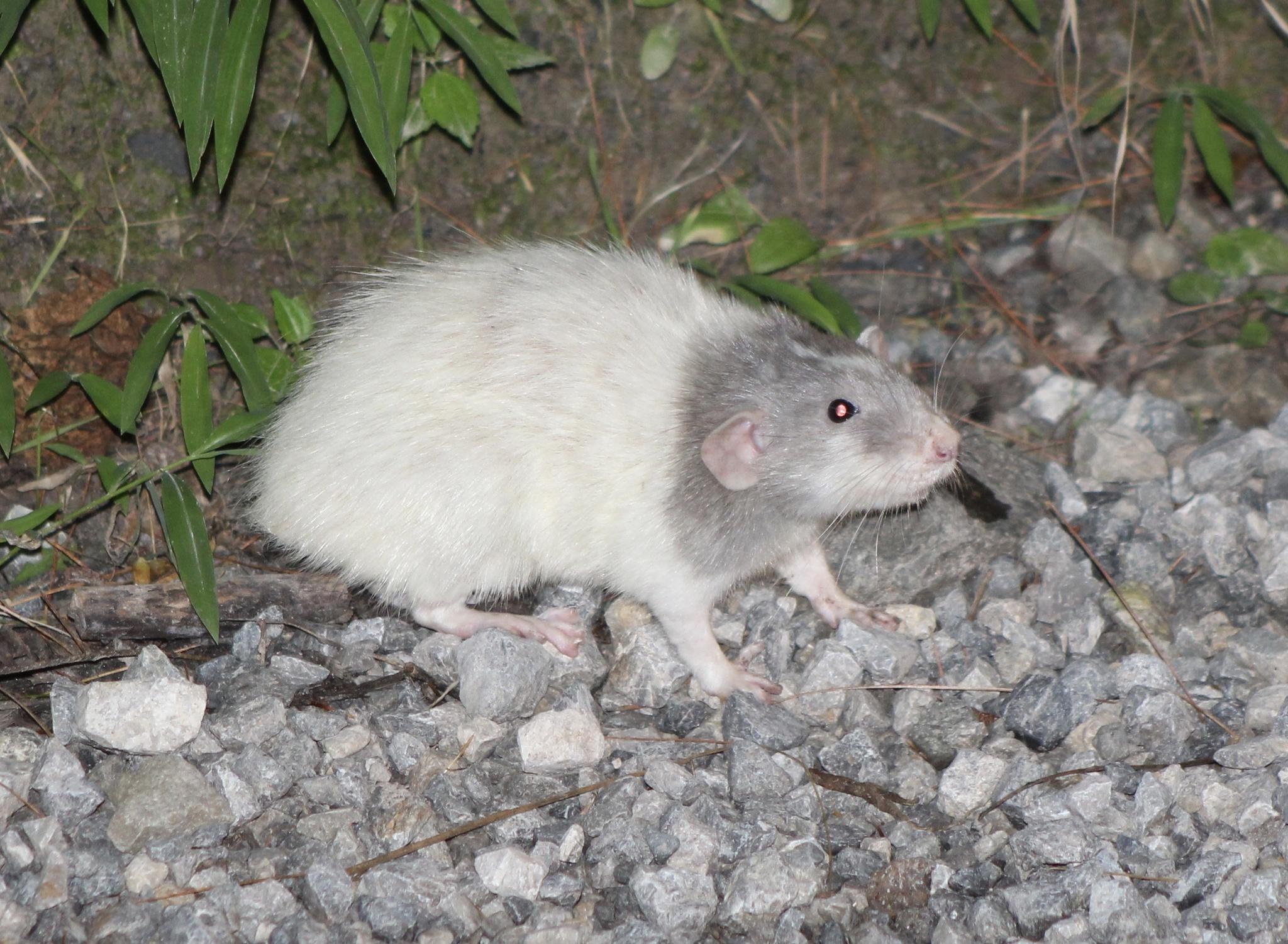
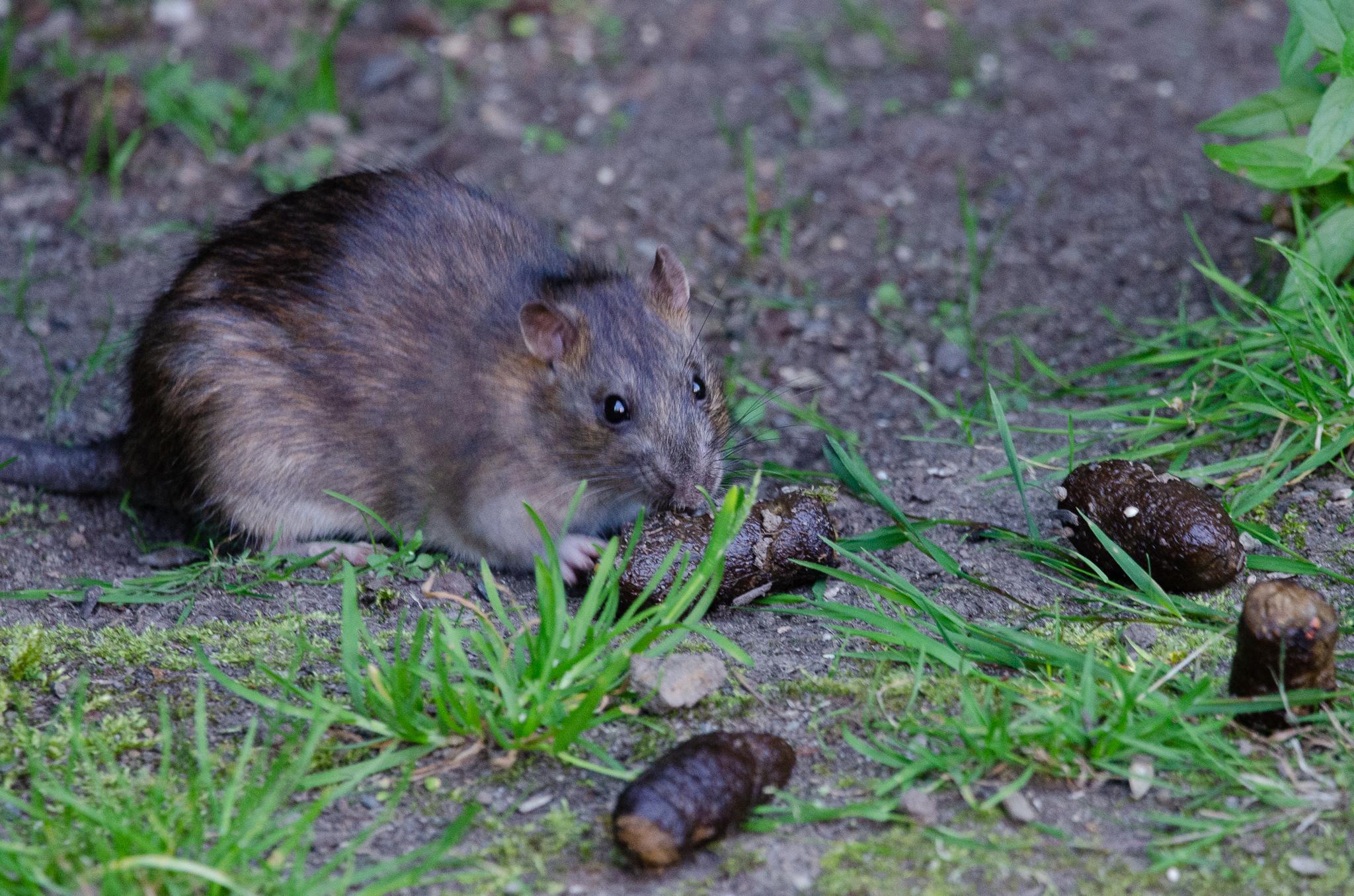
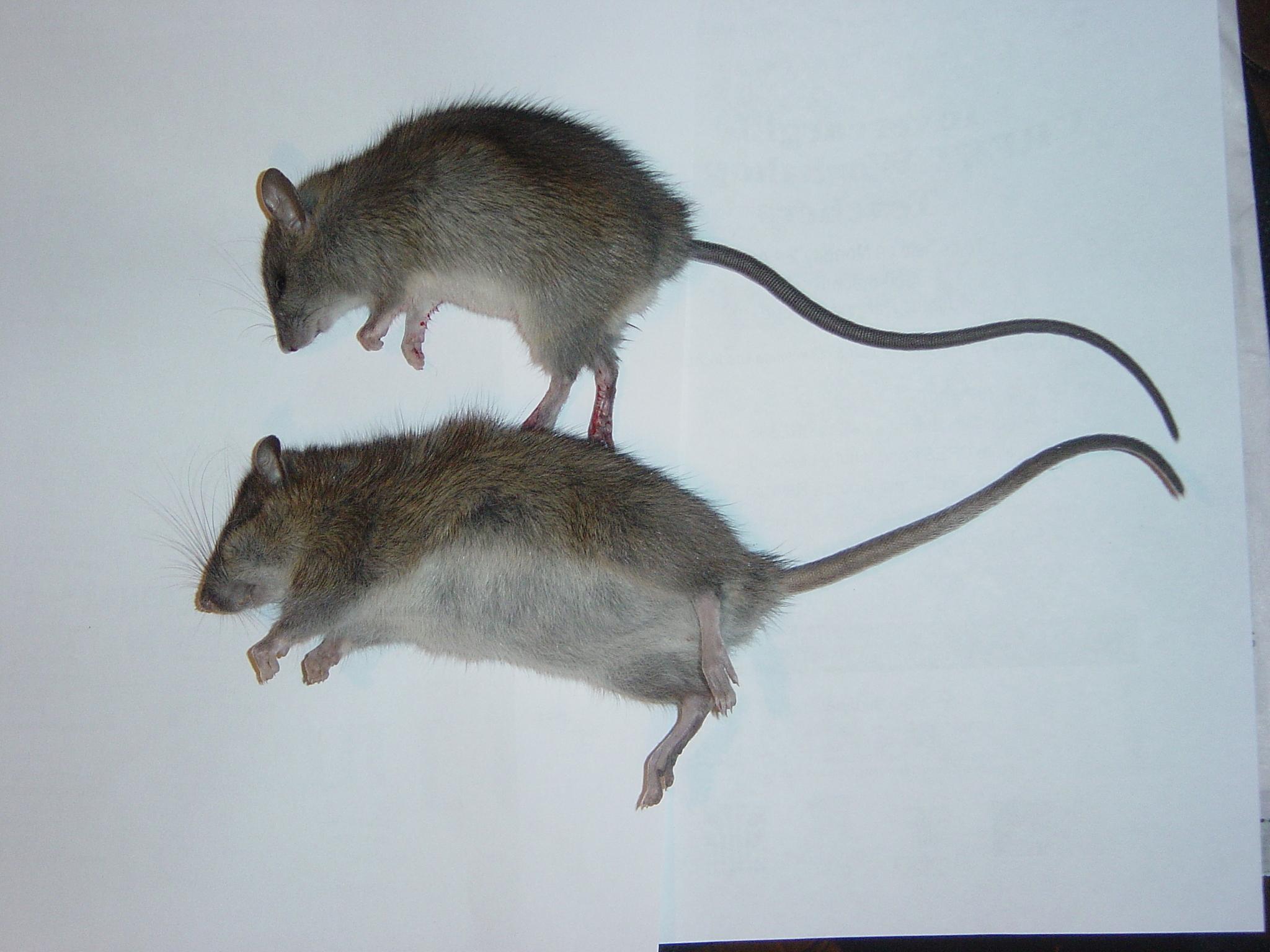
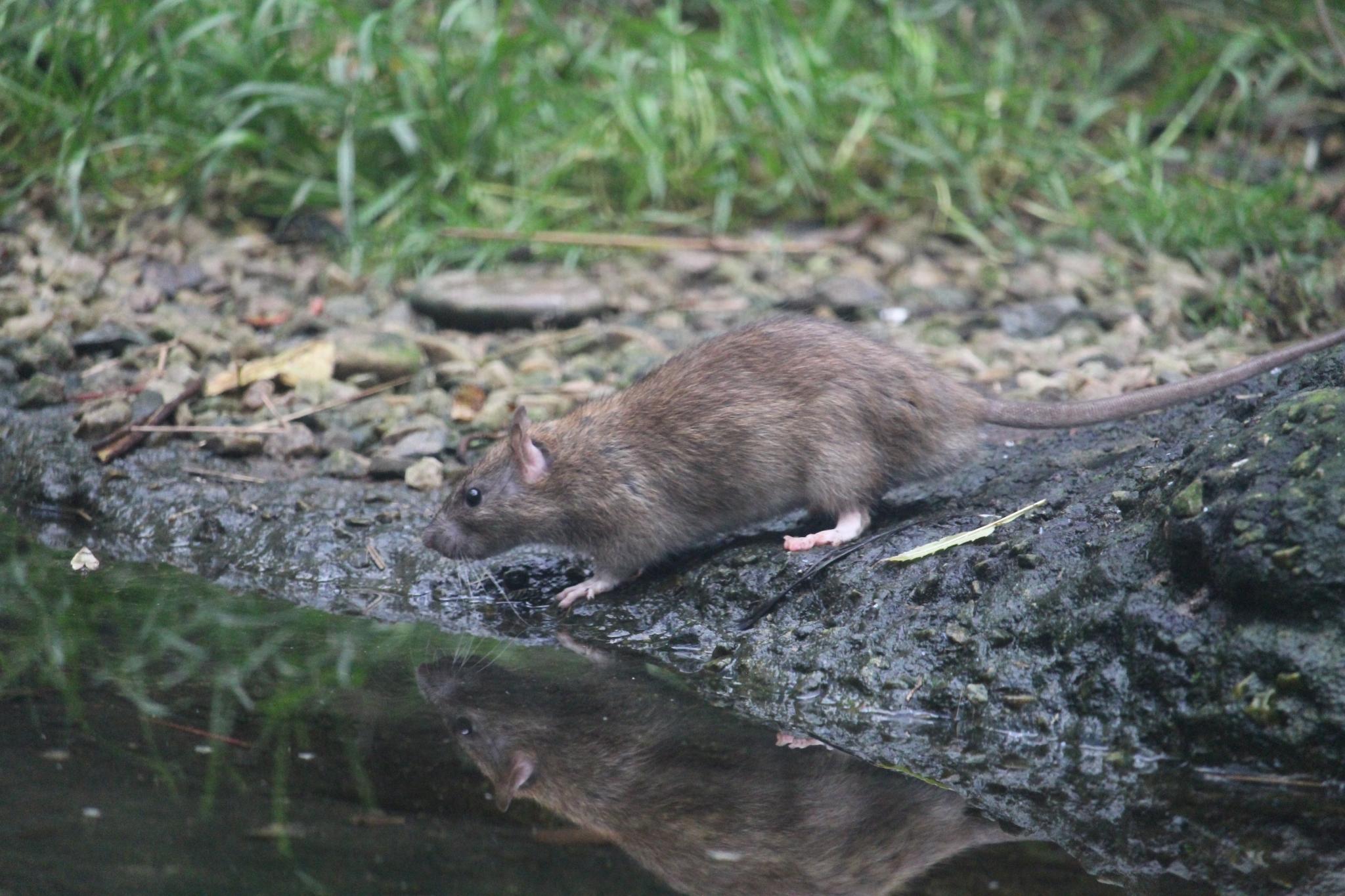
The brown rat, also known as the common rat, street rat, sewer rat, wharf rat, Hanover rat, Norway rat and Norwegian rat, is a widespread, common species of rat. One of the largest muroids, it is a brown or grey rodent with a body length of up to 28 cm (11 in) long, and a tail slightly shorter than that. It weighs between 140 and 500 g. Thought to have originated in northern China and neighbouring areas, it has now spread to all continents except Antarctica, and is the dominant rat in Europe and much of North America, having become naturalised across the world. With rare exceptions, the brown rat lives wherever humans live, particularly in urban areas. It is omnivorous, reproduces rapidly, and can be a vector for several human diseases.

Source: Wikipedia
Recent Publications

Loading articles…

See more articles

Experiences to see Brown Rat

There are no published experiences tagged with Brown Rat yet.

SEE MORE
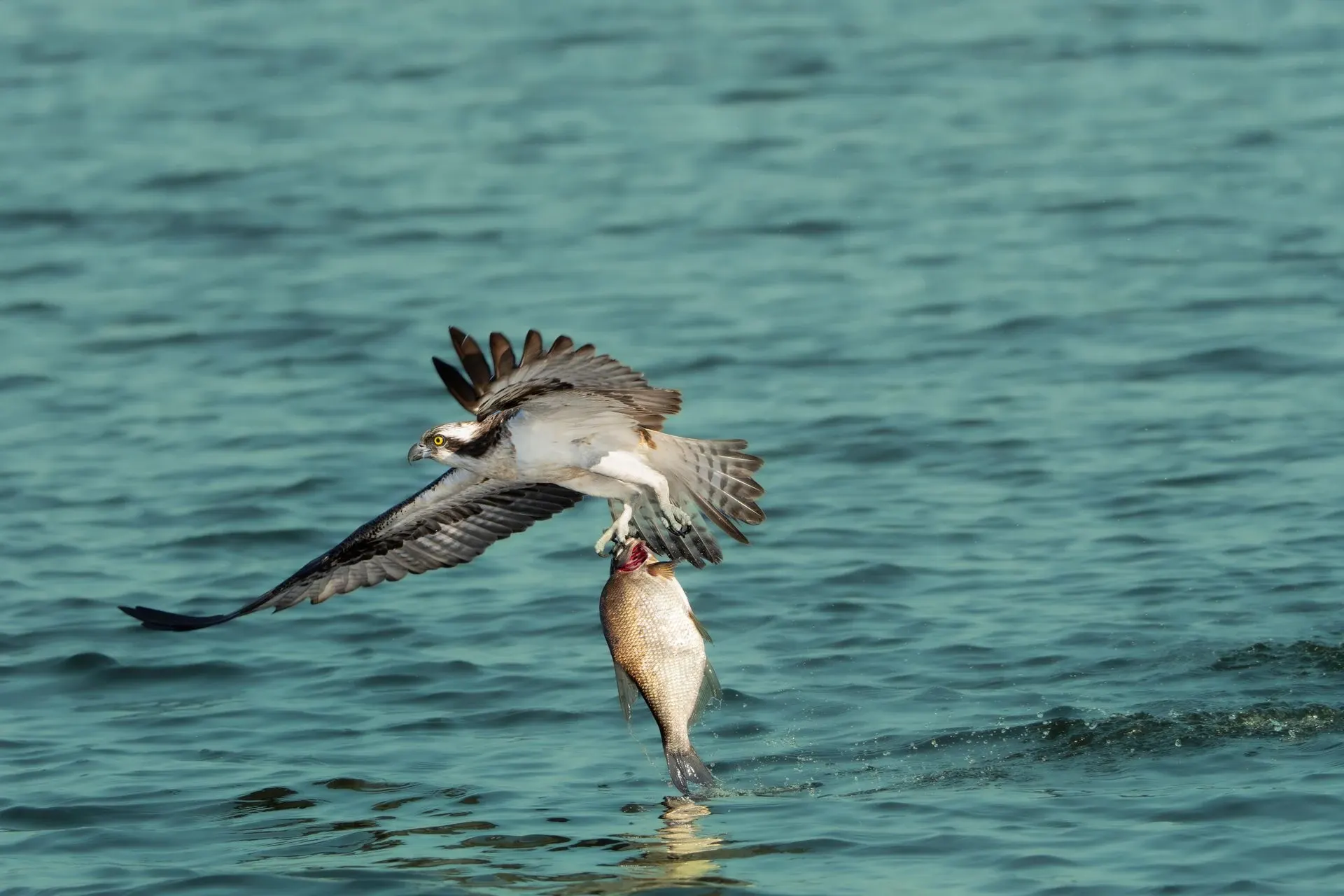
A dramatic shot of an osprey flying over the water with a fish in its talons, illustrating the relationship between predator and prey.
Birdwatching

Where to see ospreys in the Odiel Marshes in winter

November 17, 2026
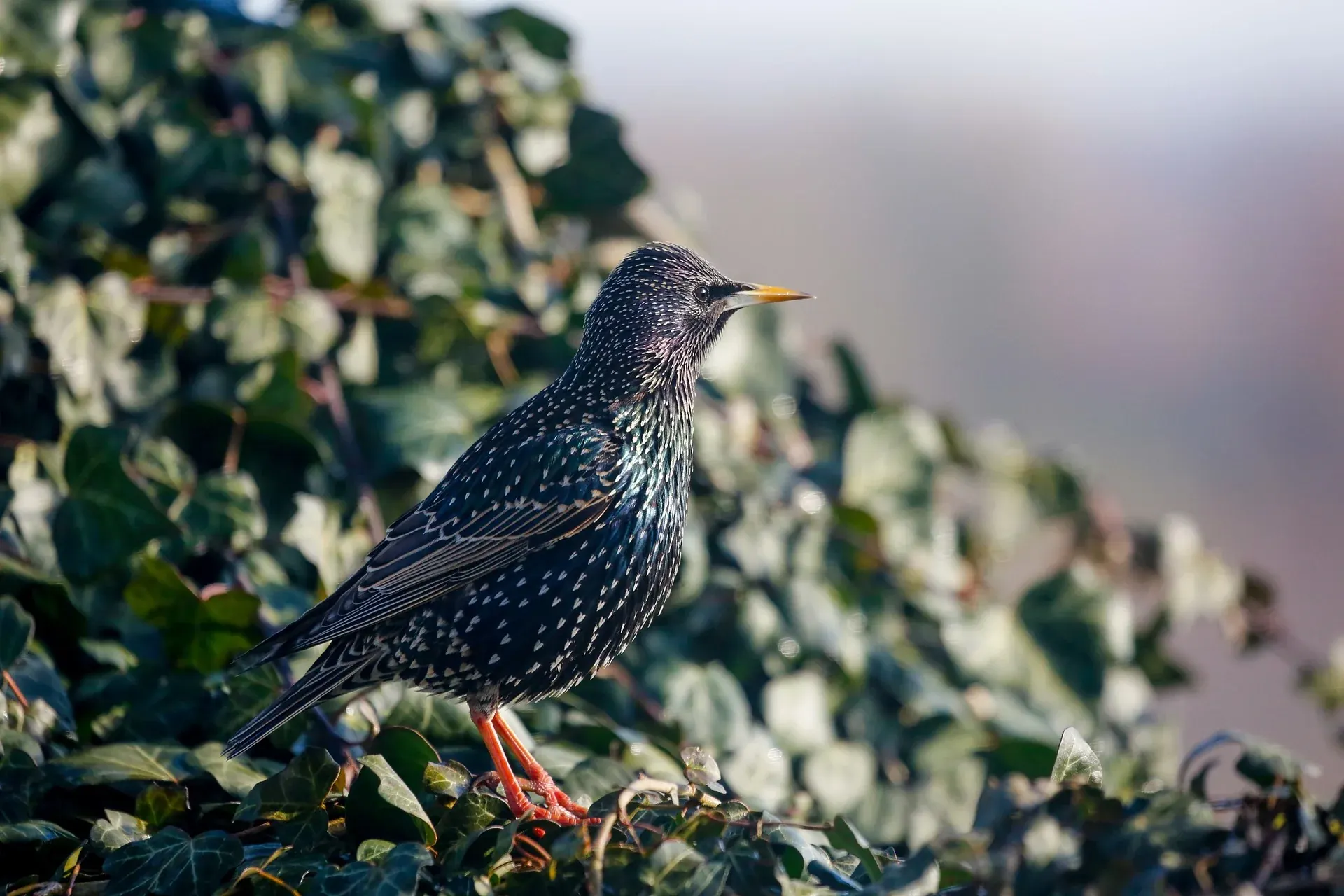
A common starling perched on ivy in soft natural light.
Animales NatSombrosos

Why starlings gather in large flocks at dusk and how they move together

November 12, 2026
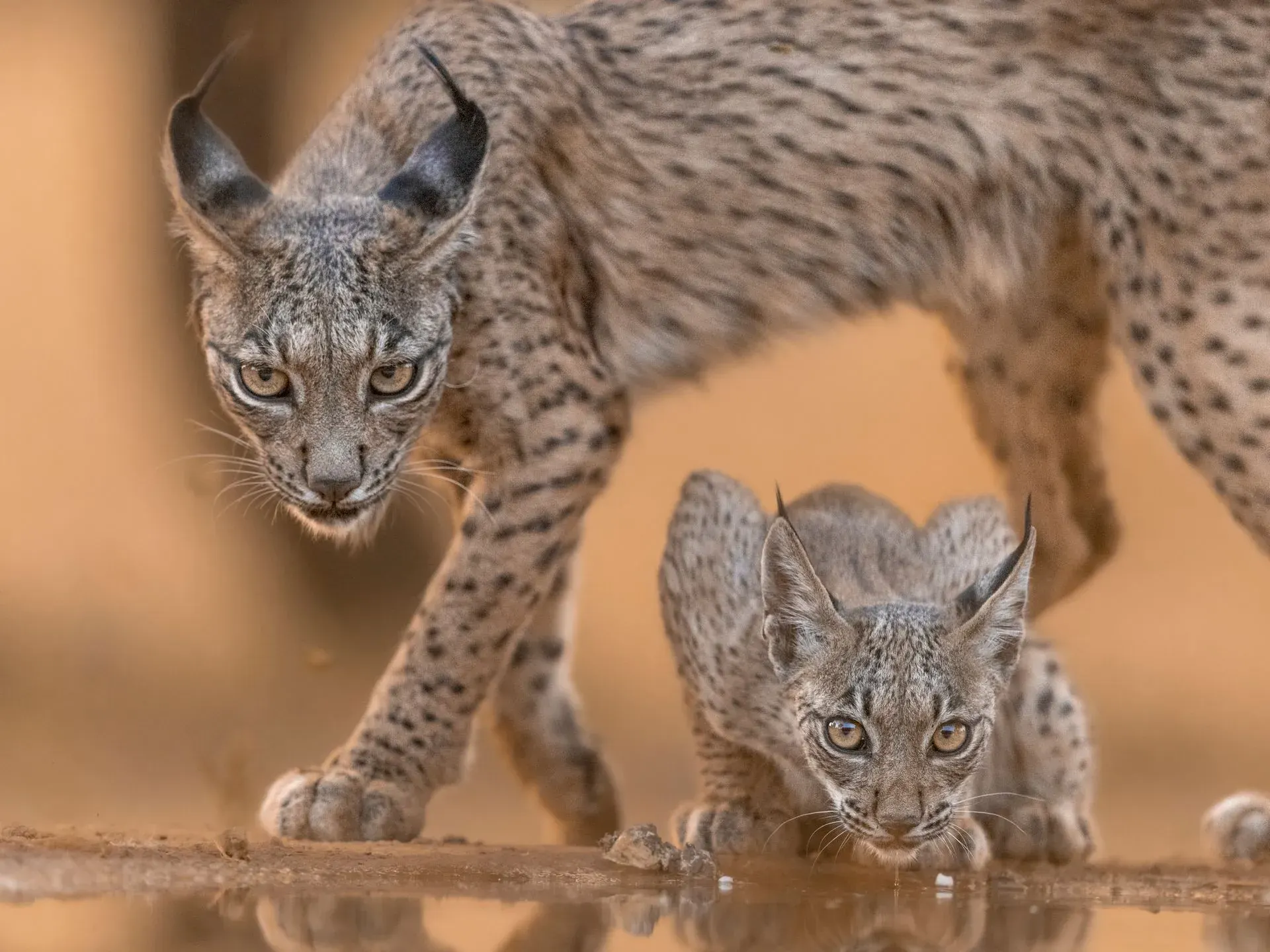
A captivating scene of an Iberian lynx and its cub in their natural habitat in Spain.
Fauna ibérica

The Iberian lynx mating season: when it happens and how to plan a lynx-watching trip

November 10, 2026