Natsnap
  1. Home
  2. Animals
  3. Big Bend Gambusia
Natsnap
Trips and HidesAboutTaxonomySimilar Species
Natsnap
SearchAnimalsTripsHides
ProfessionalsAbout UsBlogContact

Legal Information

Legal NoticePrivacy PolicyCookies PolicyTerms of Service

Supported by

Gipuzkoako Foru Aldundia / Diputación Foral de GipuzkoaGrupo SPRI Taldea

© 2026 NatSnap. All rights reserved.

Big Bend Gambusia

Gambusia gaigei

Recent sightings

WHERE TO SEE

Recent sightings

Cargando mapa...
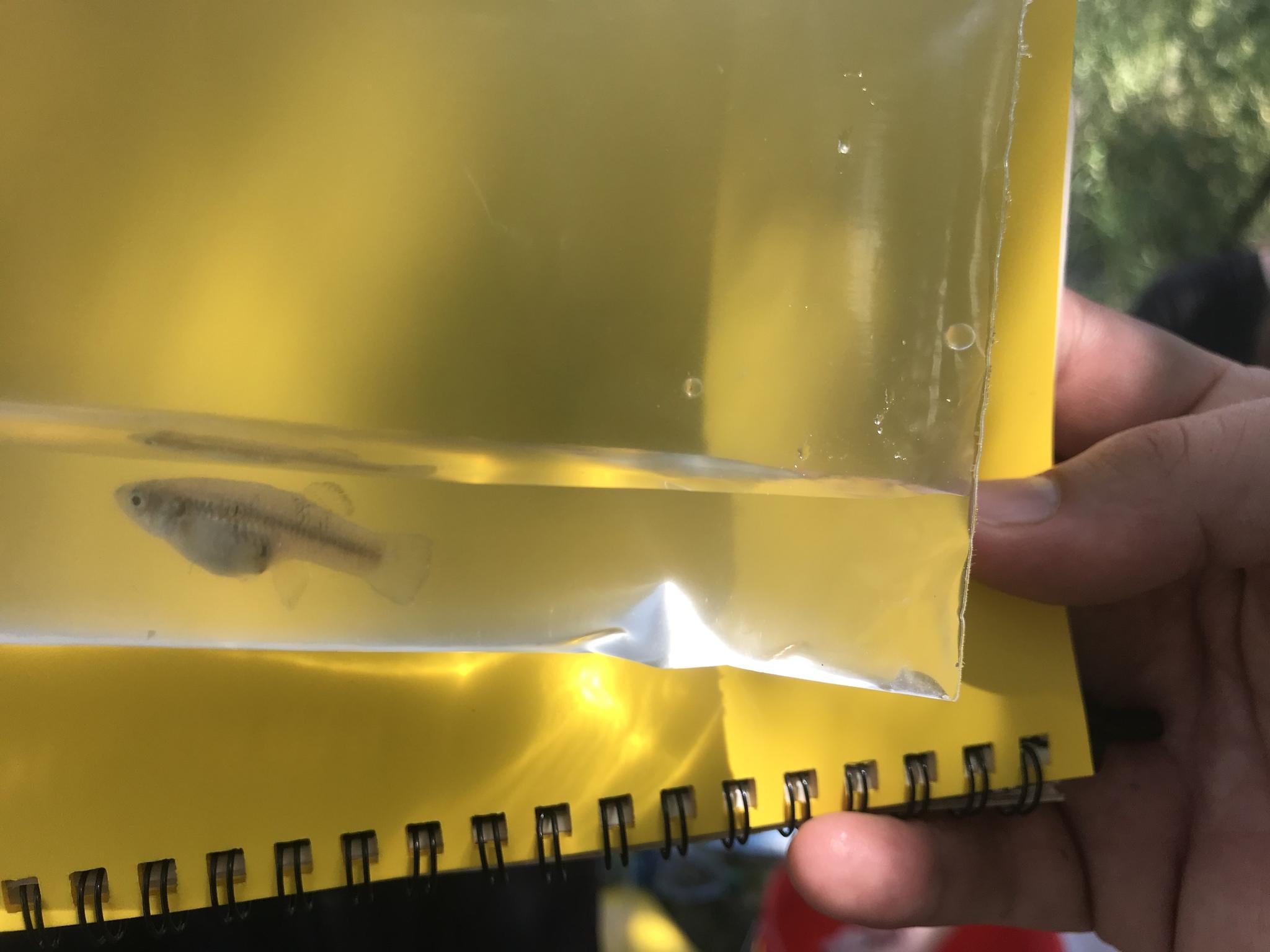
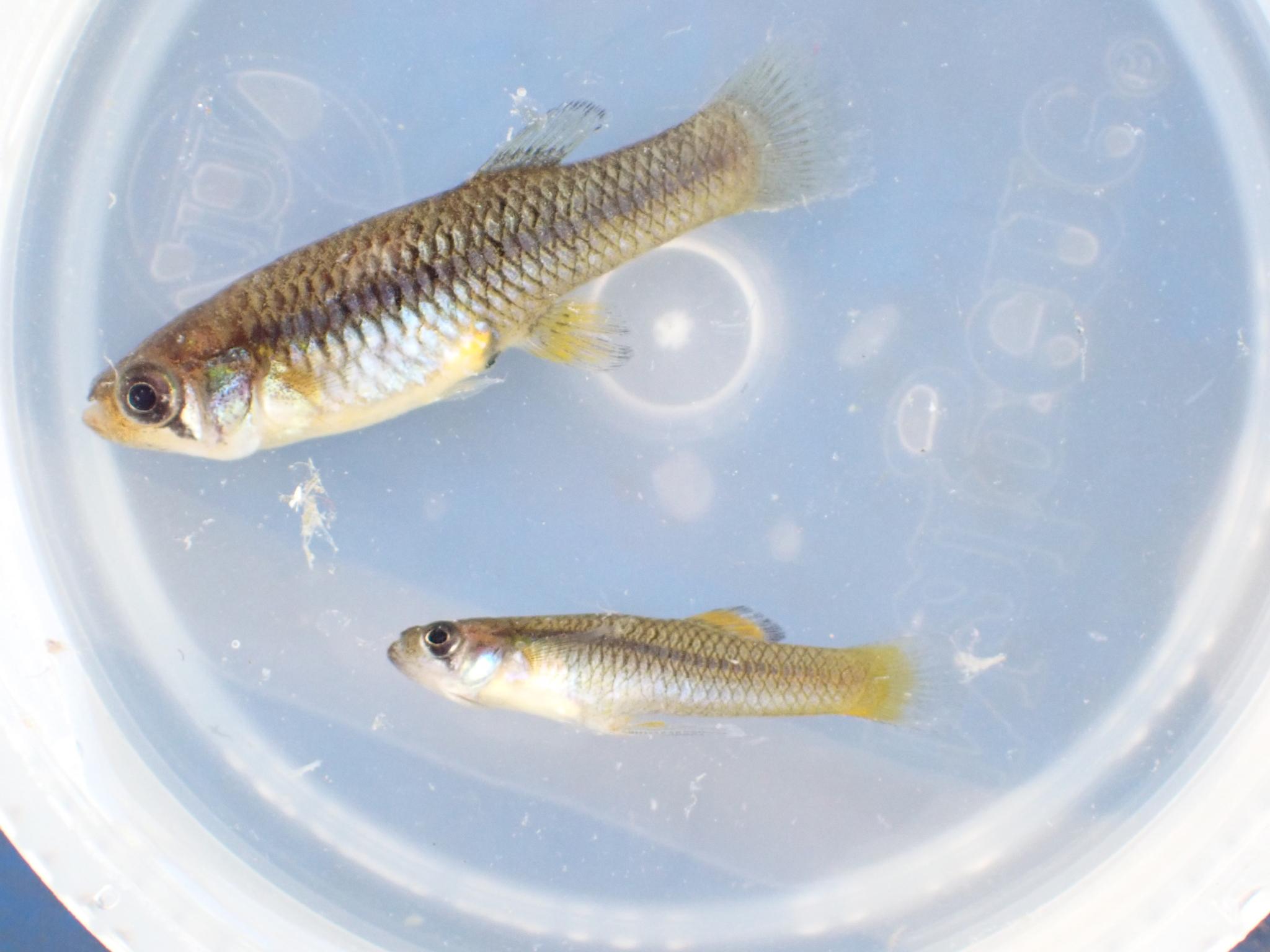
Big Bend Gambusia
Big Bend Gambusia
Big Bend Gambusia
Big Bend Gambusia
Big Bend Gambusia
Big Bend Gambusia
Big Bend Gambusia
Big Bend Gambusia
1 / 8

Experiences to see Big Bend Gambusia

There are no published experiences tagged with Big Bend Gambusia yet.

SEE MORE

About the species

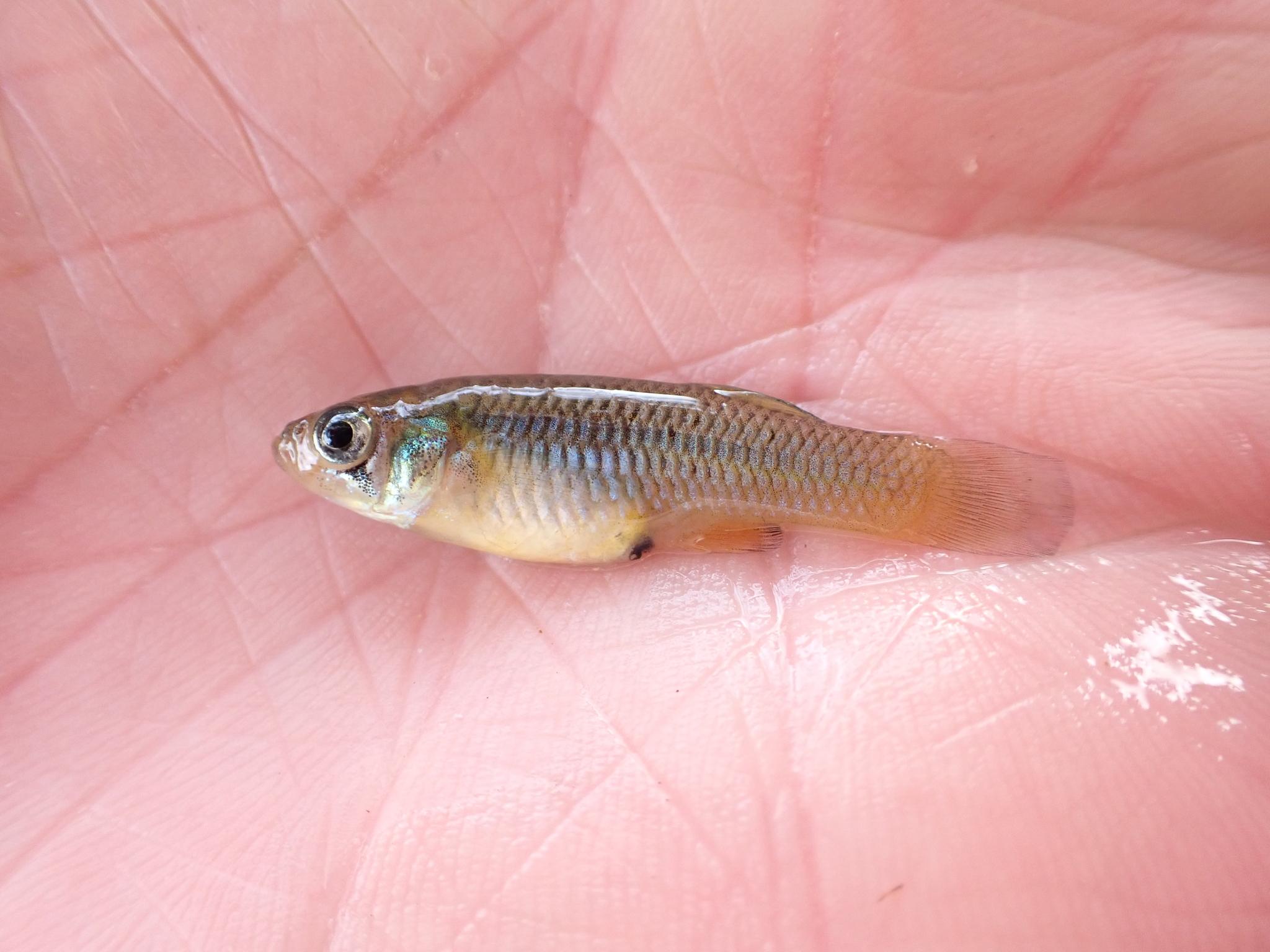
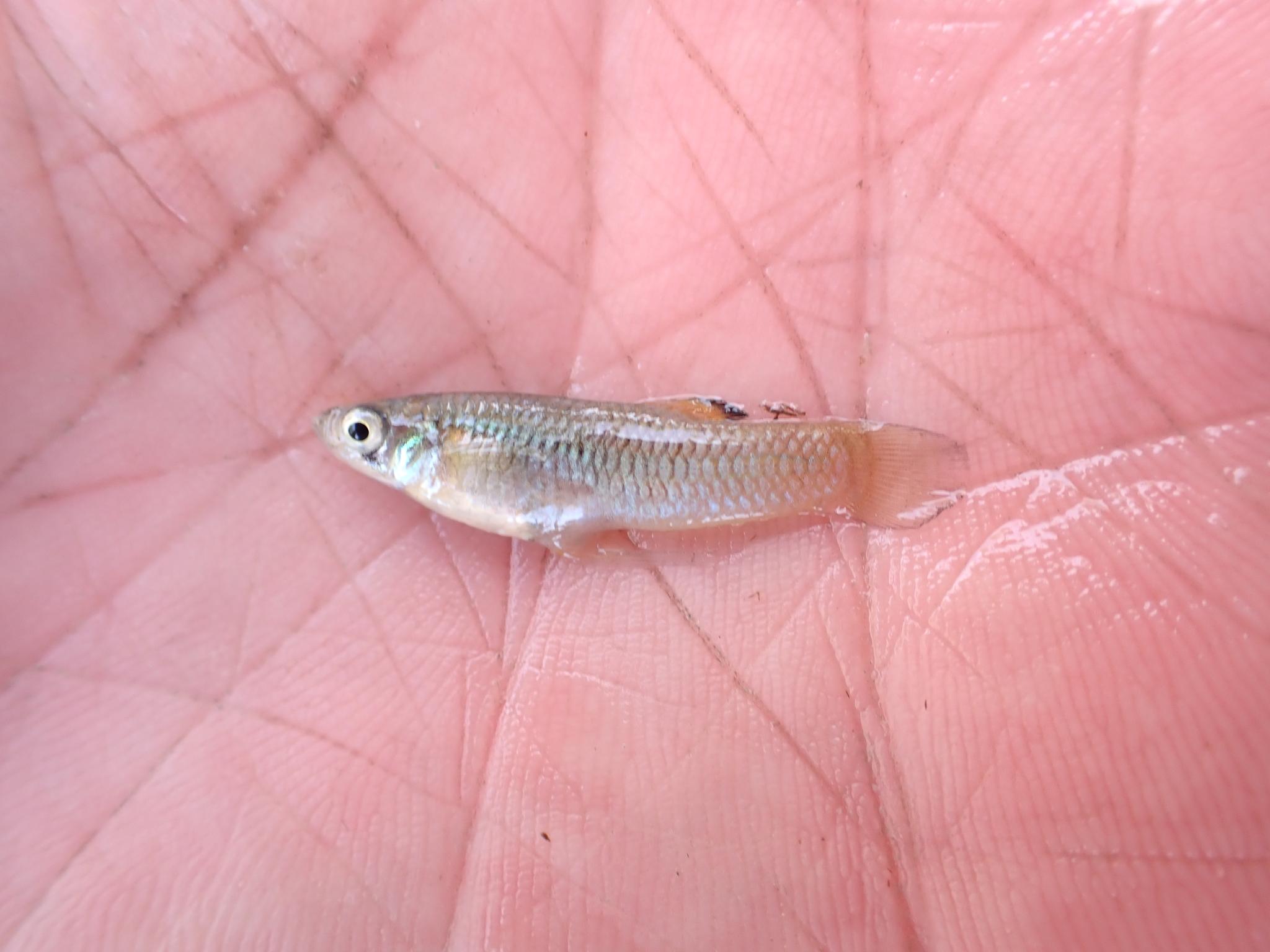
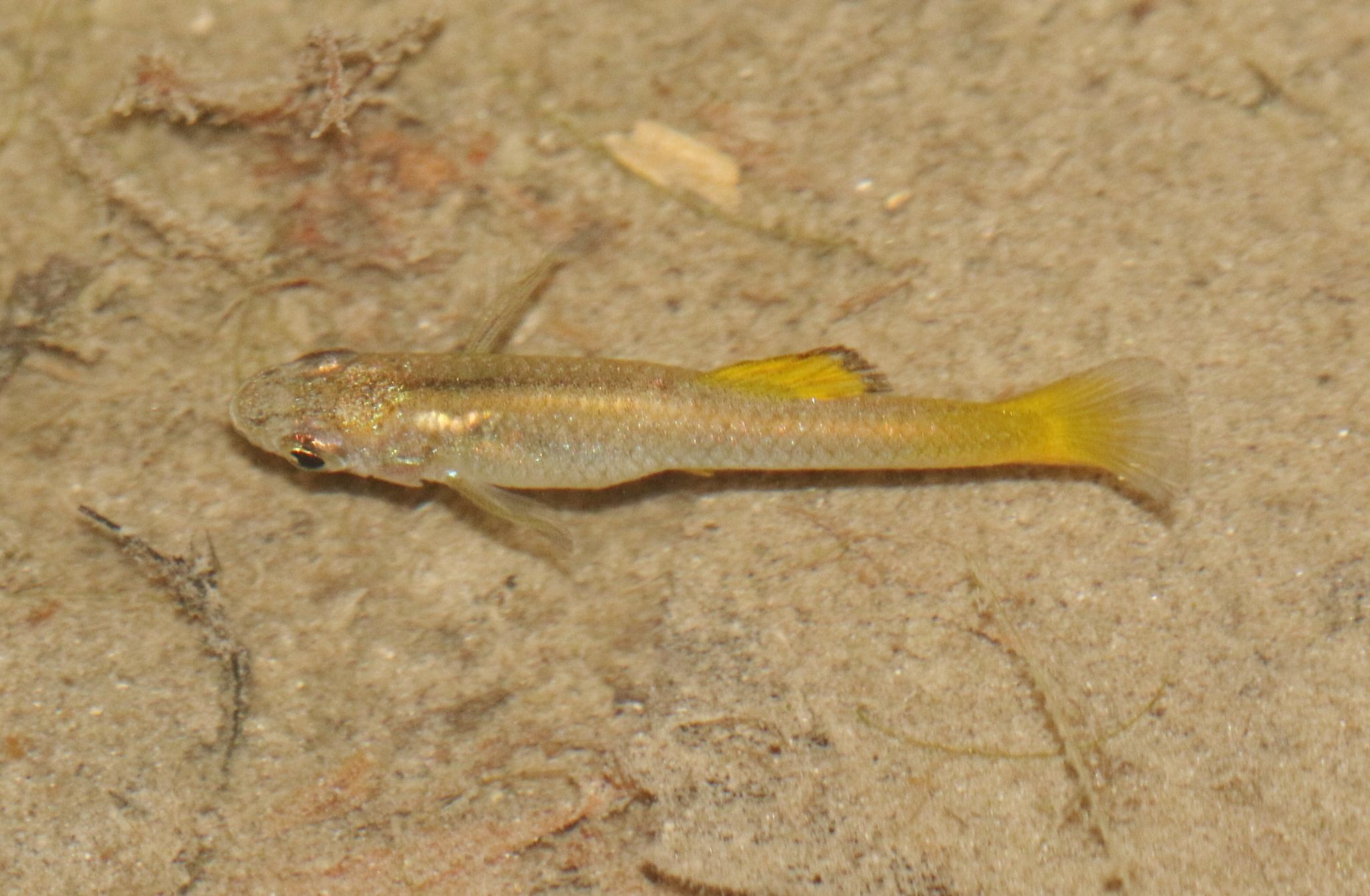
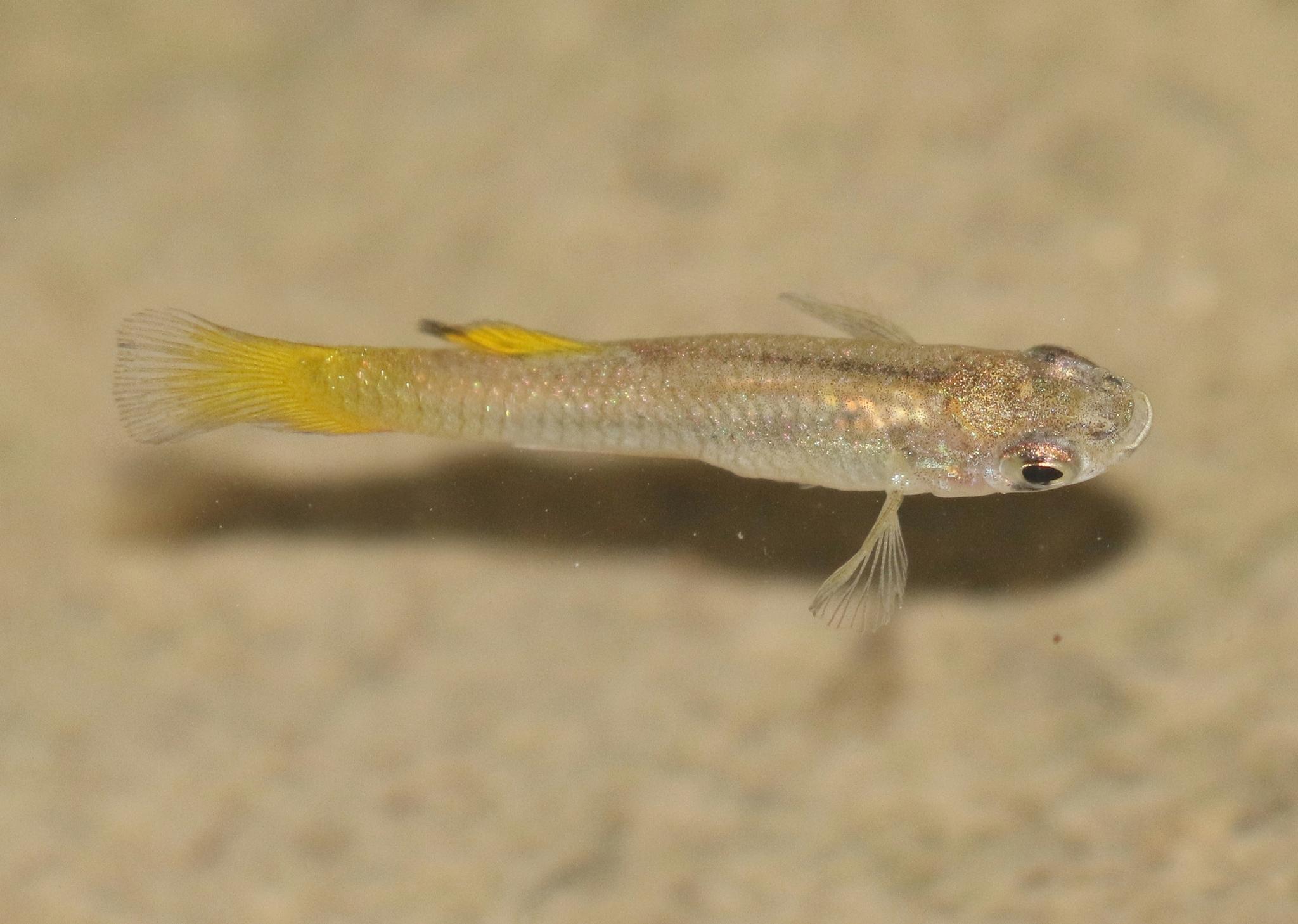
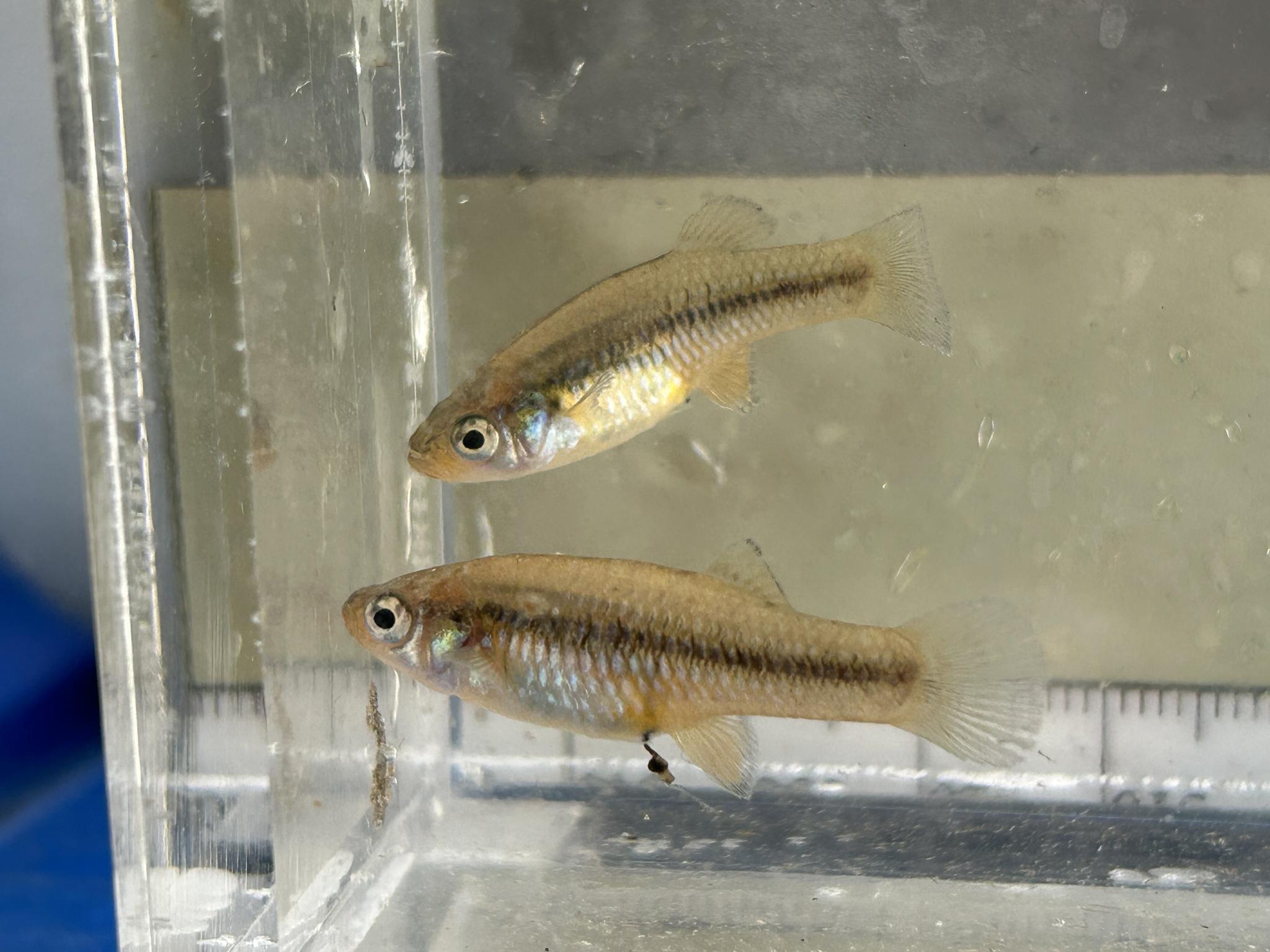
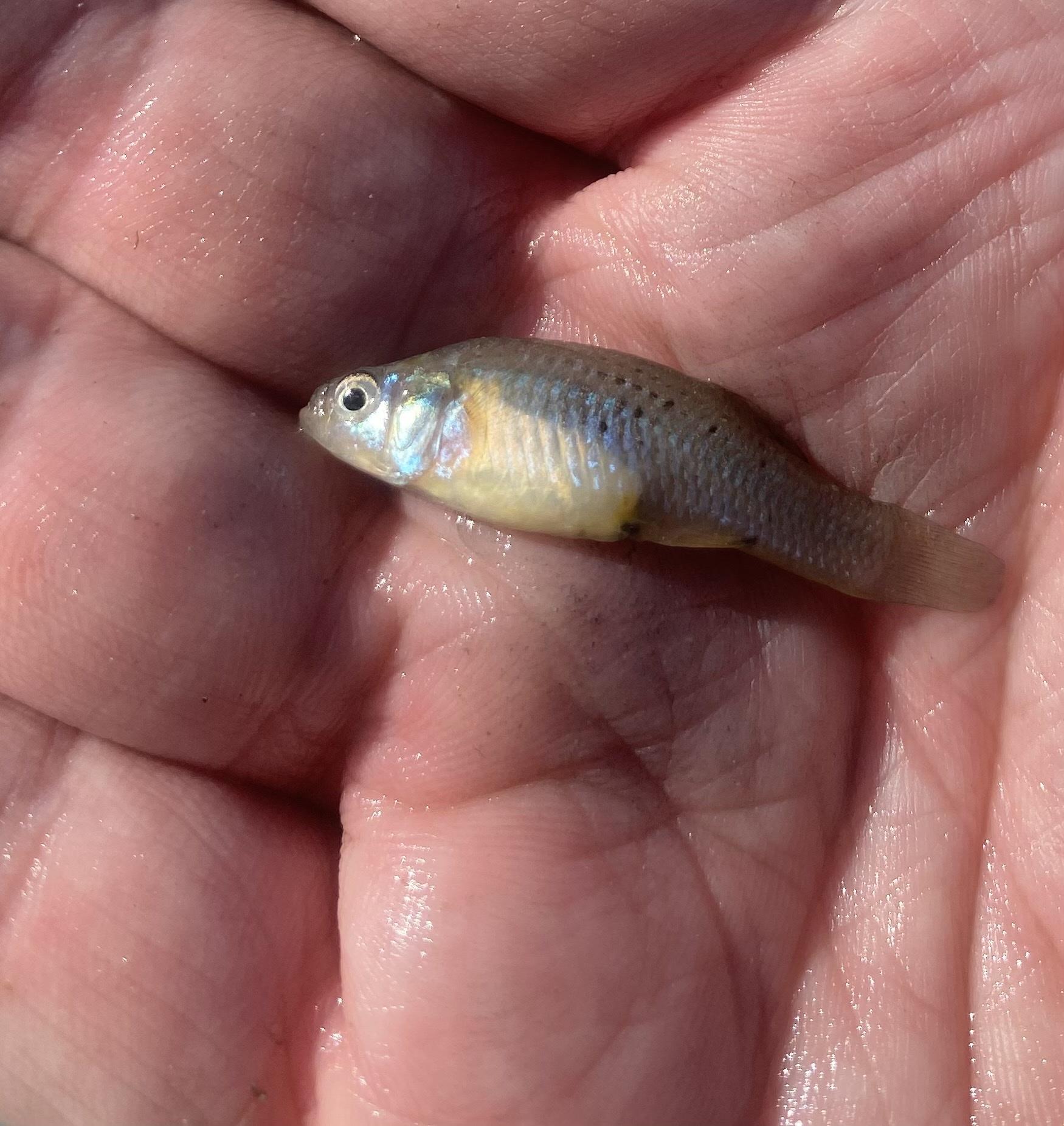
The Big Bend gambusia (Gambusia gaigei) is a rare species of fish in the family Poeciliidae. It is endemic to the Big Bend region of the Rio Grande of the United States and Mexico. The only known remaining population is in a protected pond in the Big Bend National Park.

This livebearer is about 2 inches (5.1 cm) long. It feeds on aquatic invertebrates.

This species was described by the American ichthyologist Carl Leavitt Hubbs in 1929 from a type collected in slough close to the Rio Grande at Boquillas, Brewster County, Texas by Frederick McMahon Gaige (1890–1976), a zoologist who was director of the Zoological Museum of the University of Michigan. The specific name honours Gaige.

Source: Wikipedia
Recent Publications

Loading articles…

See more articles
A dramatic shot of an osprey flying over the water with a fish in its talons, illustrating the relationship between predator and prey.
Birdwatching

Where to see ospreys in the Odiel Marshes in winter

November 17, 2026
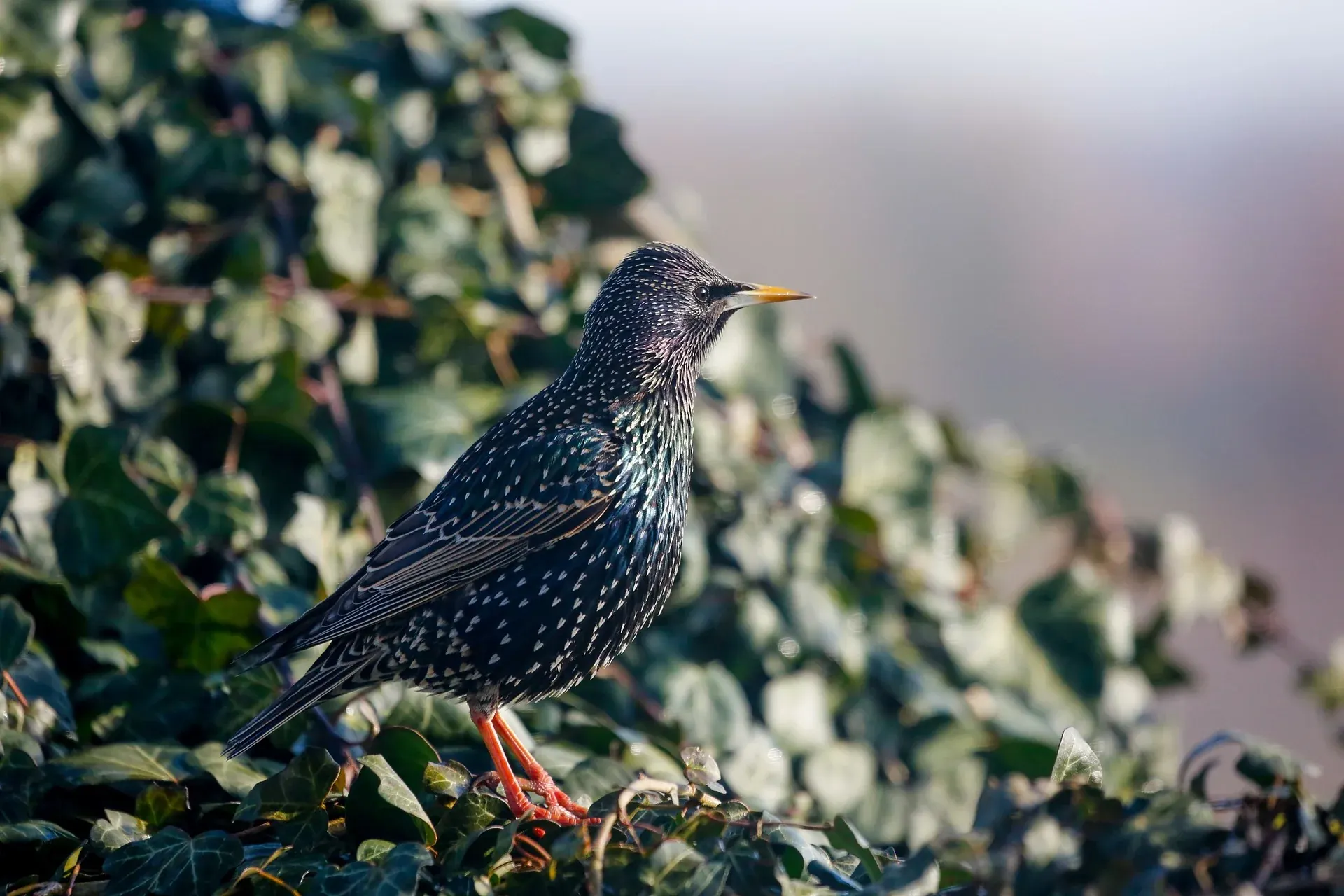
A common starling perched on ivy in soft natural light.
Animales NatSombrosos

Why starlings gather in large flocks at dusk and how they move together

November 12, 2026
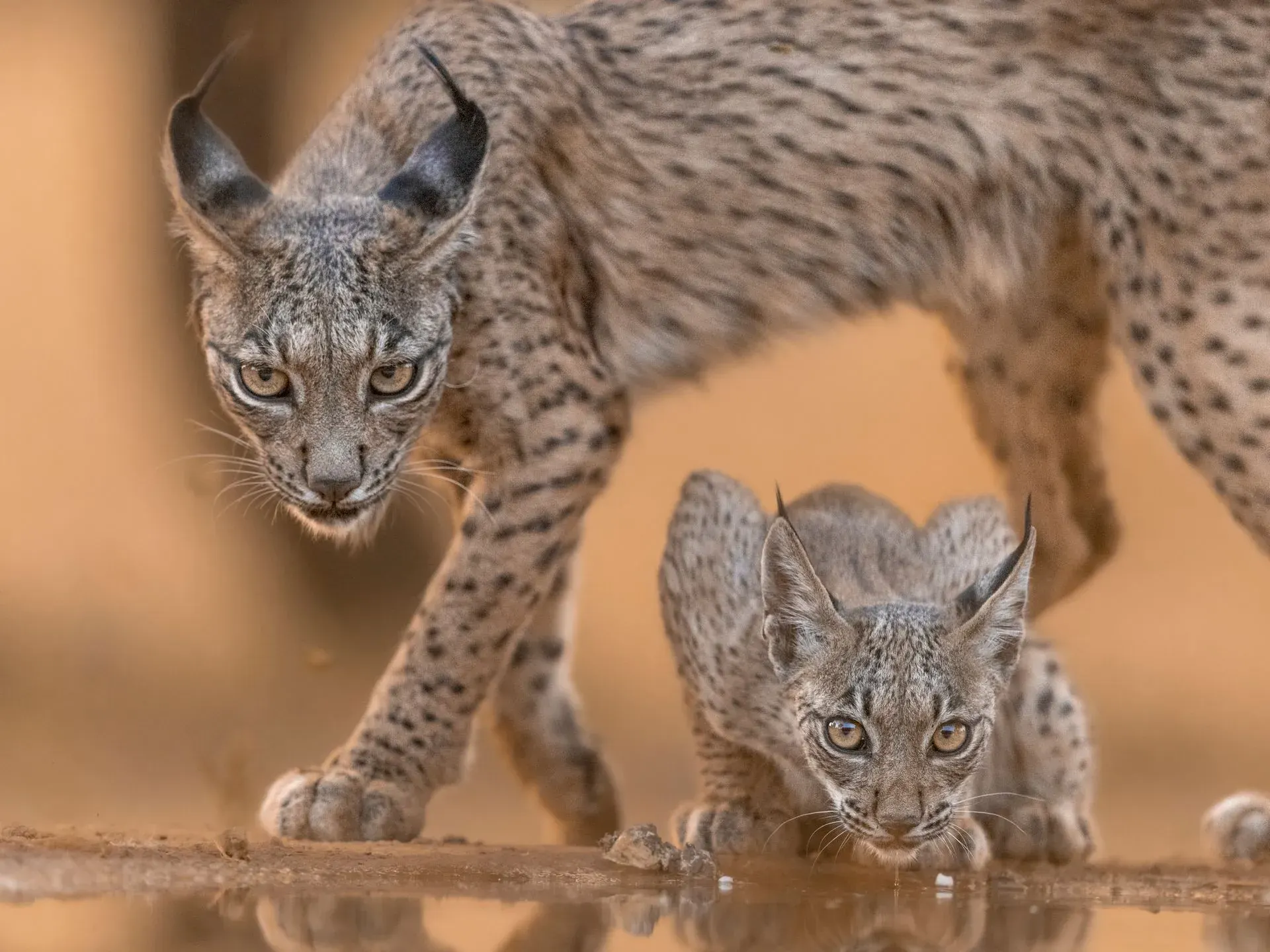
A captivating scene of an Iberian lynx and its cub in their natural habitat in Spain.
Fauna ibérica

The Iberian lynx mating season: when it happens and how to plan a lynx-watching trip

November 10, 2026