Natsnap
  1. Home
  2. Animals
  3. Arrow Shaped Orbweaver
Natsnap
Trips and HidesAboutTaxonomySimilar Species
Natsnap
SearchAnimalsTripsHides
ProfessionalsAbout UsBlogContact

Legal Information

Legal NoticePrivacy PolicyCookies PolicyTerms of Service

Supported by

Gipuzkoako Foru Aldundia / Diputación Foral de GipuzkoaGrupo SPRI Taldea

© 2026 NatSnap. All rights reserved.

Arrow-shaped Orbweaver

Micrathena sagittata

Recent sightings

WHERE TO SEE

Recent sightings

Cargando mapa...
Arrow-shaped Orbweaver
1 / 5

Experiences to see Arrow-shaped Orbweaver

There are no published experiences tagged with Arrow-shaped Orbweaver yet.

SEE MORE

About the species

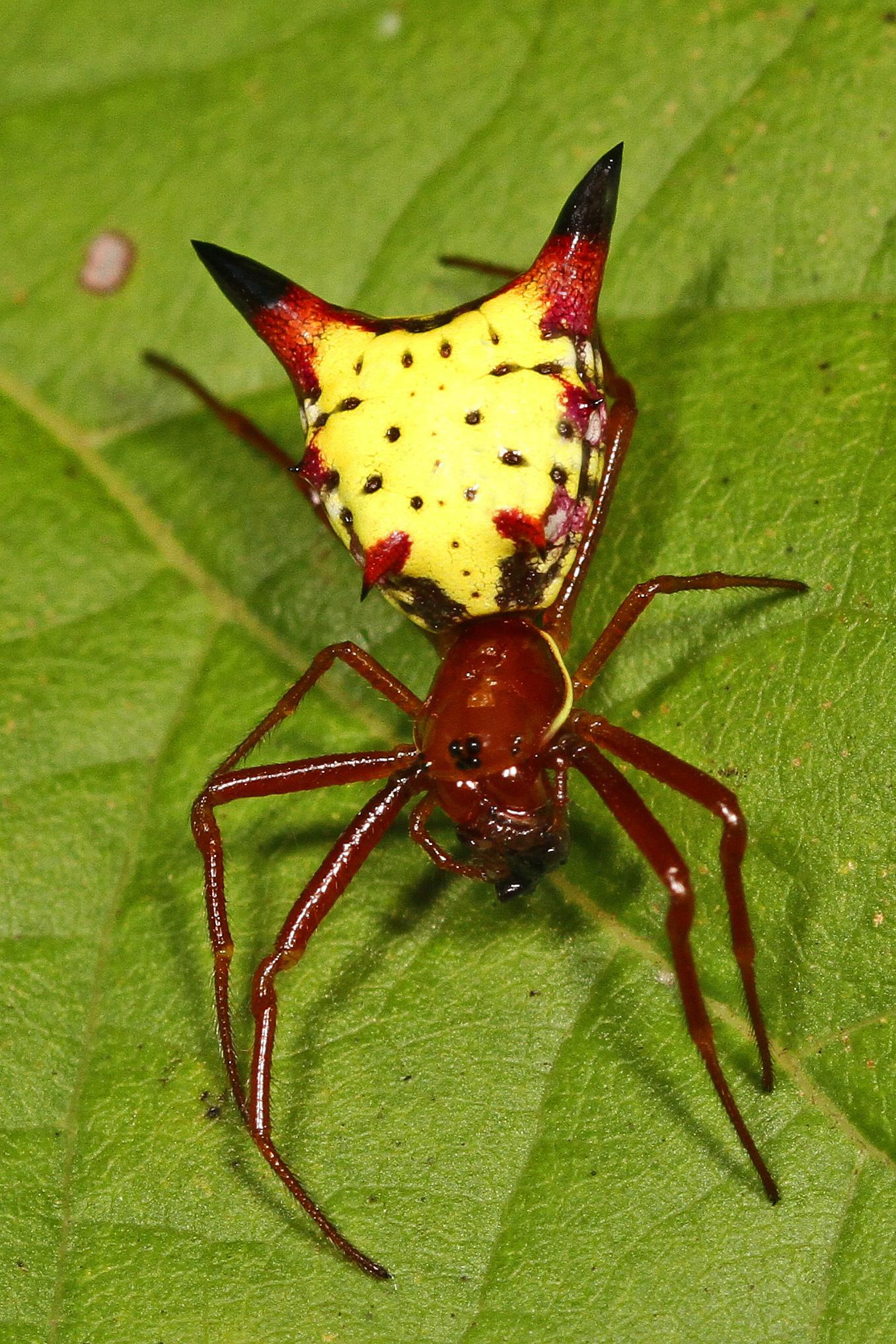
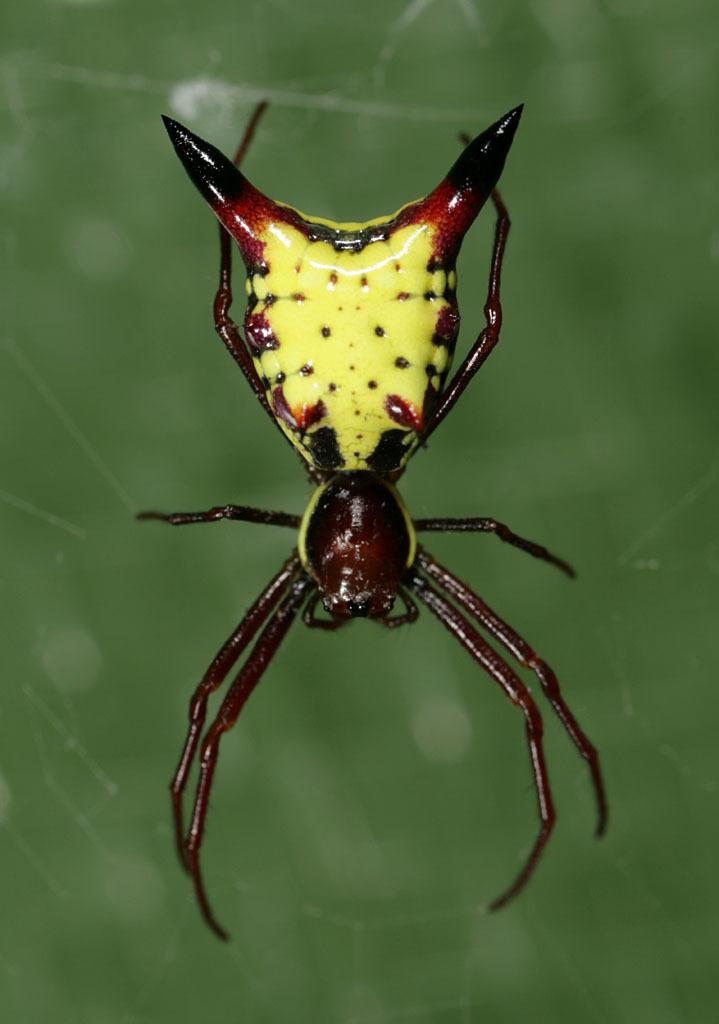
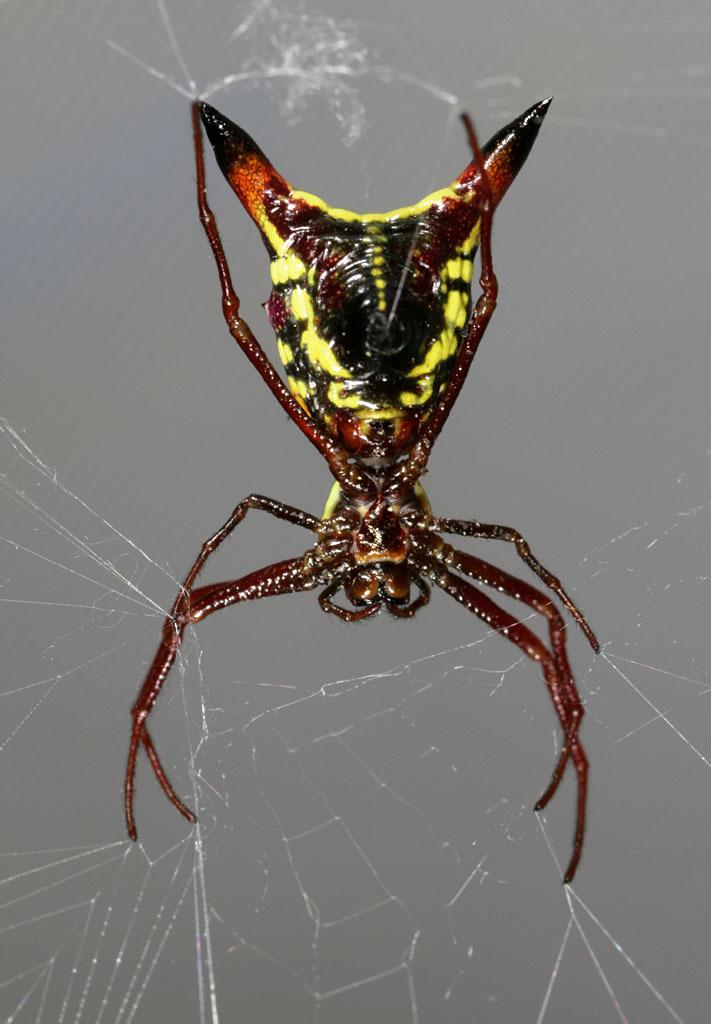
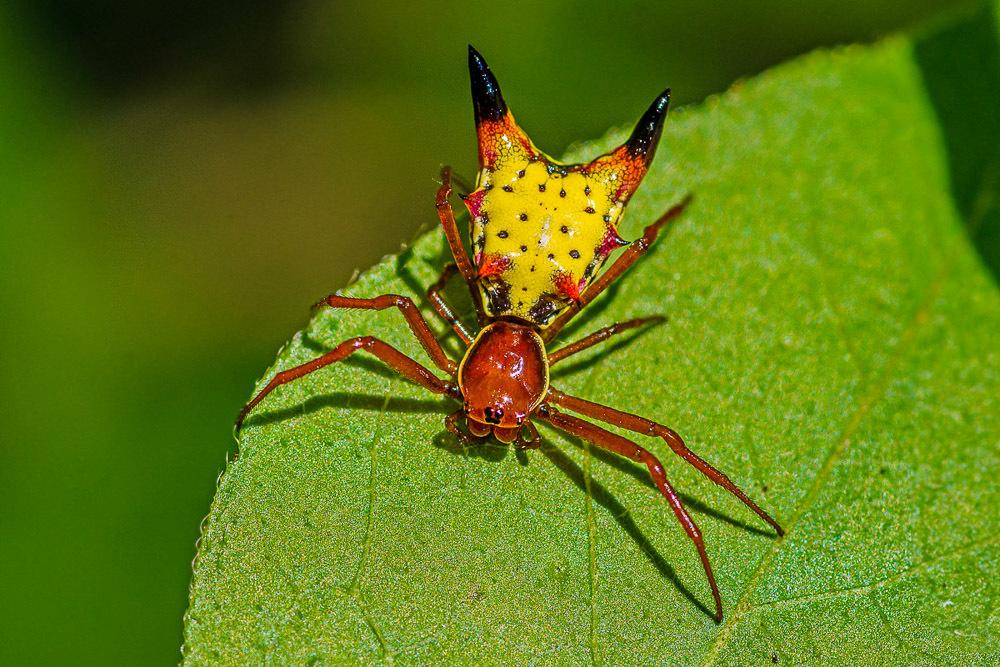
Micrathena sagittata, also known as the arrow-shaped micrathena, is a species of spider belonging to the family Araneidae. It is found in the eastern United States and throughout Central America.

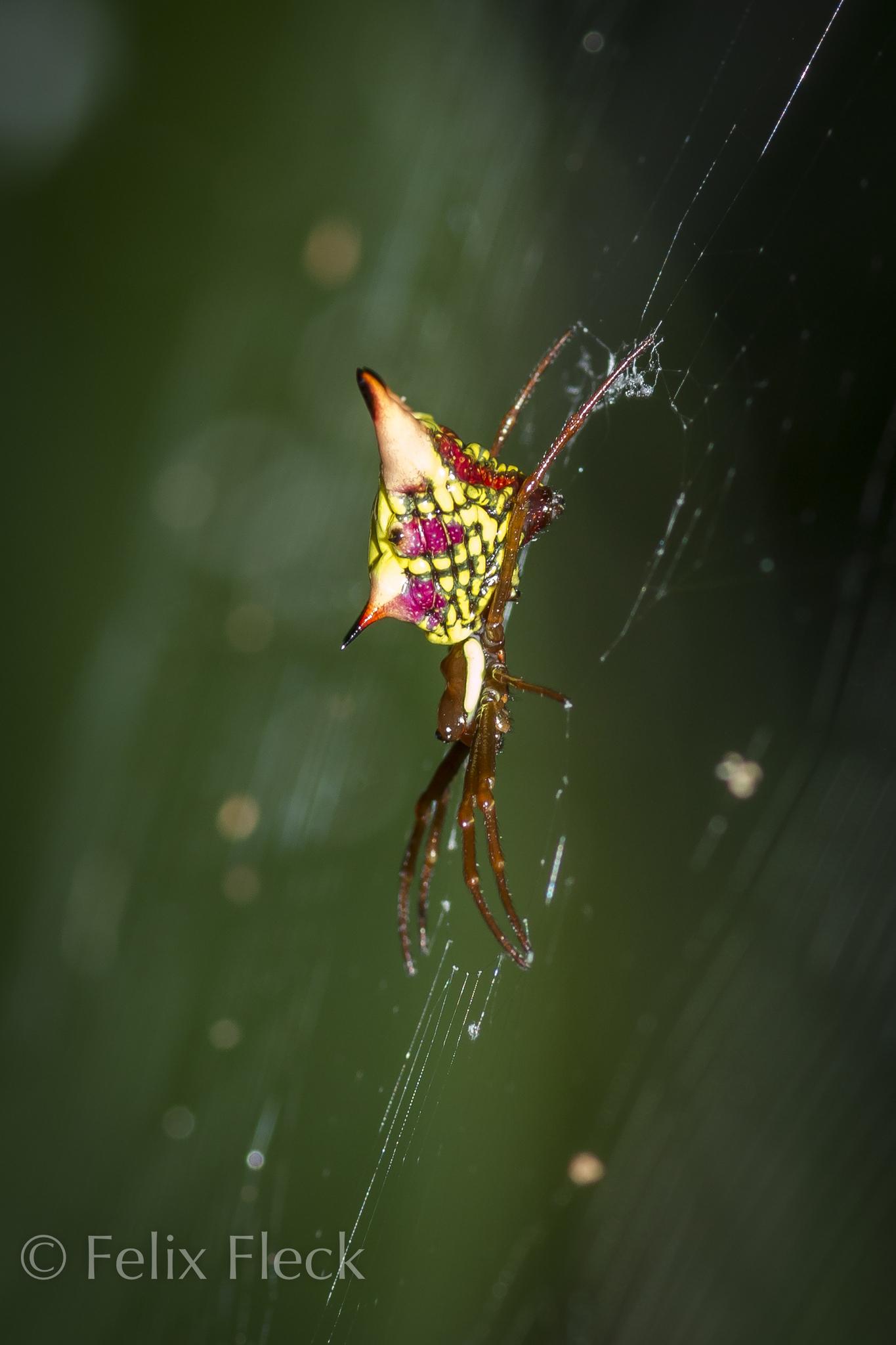
This is a striking spider with a distinctive arrow-shaped abdomen which is largely yellow, with black depressions above and variable red and black patterning below. There are 3 pairs of tubercles that are tipped with black and red at the base. The pair of tubercles at the back end of the abdomen are rather large and point outward, forming two corners of the triangular, arrow-shaped body. Females can grow up to 9 millimetres (0.35 in) in length (excluding legs), while males are smaller at 5 millimetres (0.20 in). The males lack spines and are rarely seen.

The genus name is derived from the Greek "micro," meaning "small," and the goddess Athena. The species name sagittata is Latin meaning "arrowed, in the form of an arrow" referring to the shape of the abdomen.

Source: Wikipedia
Recent Publications

Loading articles…

See more articles
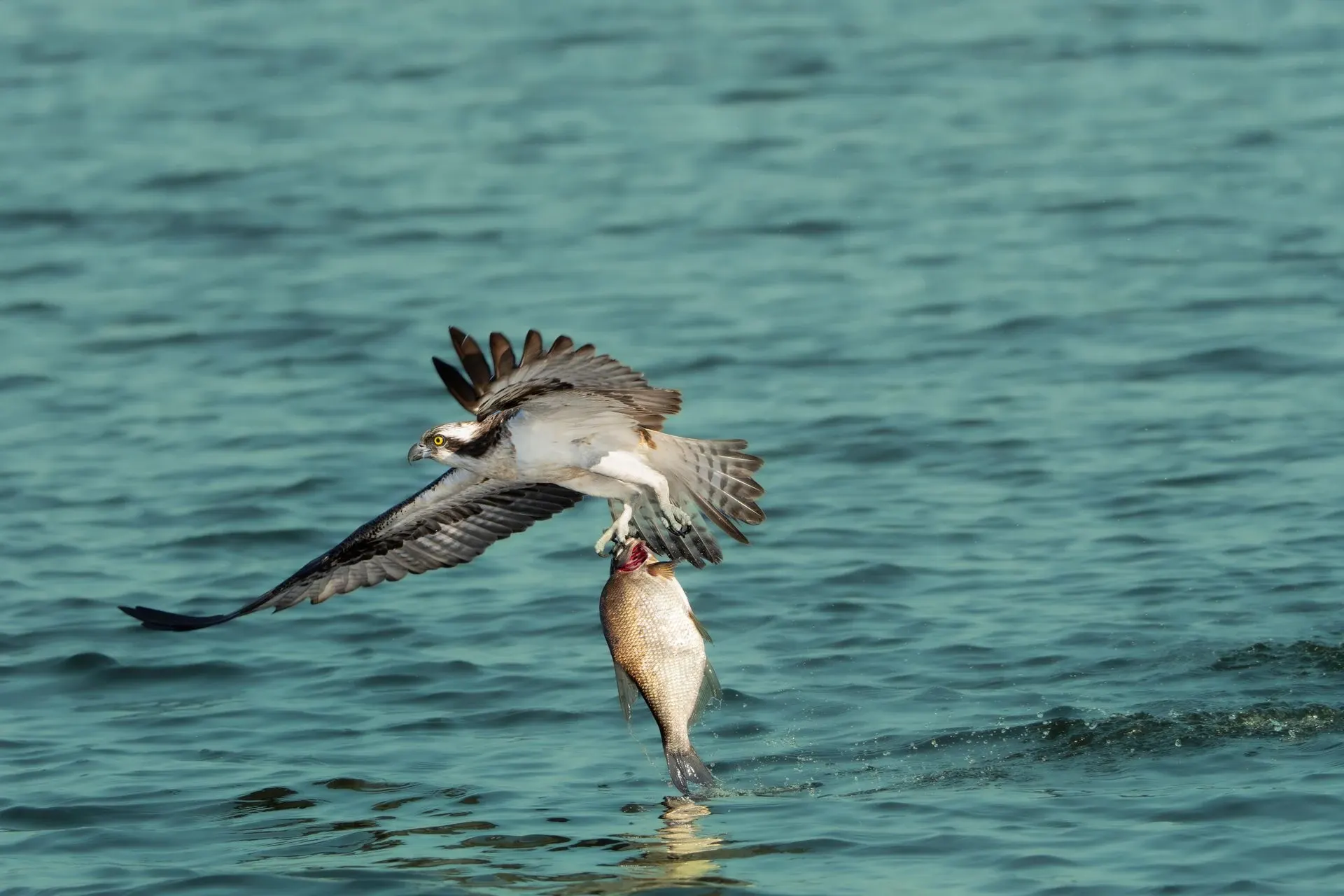
A dramatic shot of an osprey flying over the water with a fish in its talons, illustrating the relationship between predator and prey.
Birdwatching

Where to see ospreys in the Odiel Marshes in winter

November 17, 2026
A common starling perched on ivy in soft natural light.
Animales NatSombrosos

Why starlings gather in large flocks at dusk and how they move together

November 12, 2026
A captivating scene of an Iberian lynx and its cub in their natural habitat in Spain.
Fauna ibérica

The Iberian lynx mating season: when it happens and how to plan a lynx-watching trip

November 10, 2026