Natsnap
  1. Home
  2. Animals
  3. Apis Nuluensis
Natsnap
Trips and HidesAboutTaxonomySimilar Species
Natsnap
SearchAnimalsTripsHides
ProfessionalsAbout UsBlogContact

Legal Information

Legal NoticePrivacy PolicyCookies PolicyTerms of Service

Supported by

Gipuzkoako Foru Aldundia / Diputación Foral de GipuzkoaGrupo SPRI Taldea

© 2026 NatSnap. All rights reserved.

Apis nuluensis

Apis nuluensis

Recent sightings

WHERE TO SEE

Recent sightings

Cargando mapa...
No images available.

Experiences to see Apis nuluensis

There are no published experiences tagged with Apis nuluensis yet.

SEE MORE

About the species

Apis cerana nuluensis is a subspecies of honey bee described in 1996 by Tingek, Koeniger & Koeniger. The geographic distribution of the subspecies is the southeastern Asian island of Borneo, politically divided between Indonesia, Malaysia, and Brunei.

A. c. nuluensis is one of a number of Indonesian honey bees, including the more obscure Apis koschevnikovi and Apis nigrocincta (the latter of which has nearby habitat on nearby Sulawesi and Mindanao islands)

A. c. nuluensis workers appear as dark honeybees. They have black tibiae and light brown femora, with long hairs and whitish tomentum on the abdomen. Drones are entirely black with no yellow/rufous color. A. c. nuluensis Wing length is between 9.3mm and 9.8mm.

While this was originally described as a species, it has since been classified as a geographic race (subspecies) of the widespread A. cerana. Molecular evidence suggests it is divergent enough in its DNA sequences to potentially represent a biological species, but there has bee...

Source: Wikipedia
Recent Publications

Loading articles…

See more articles
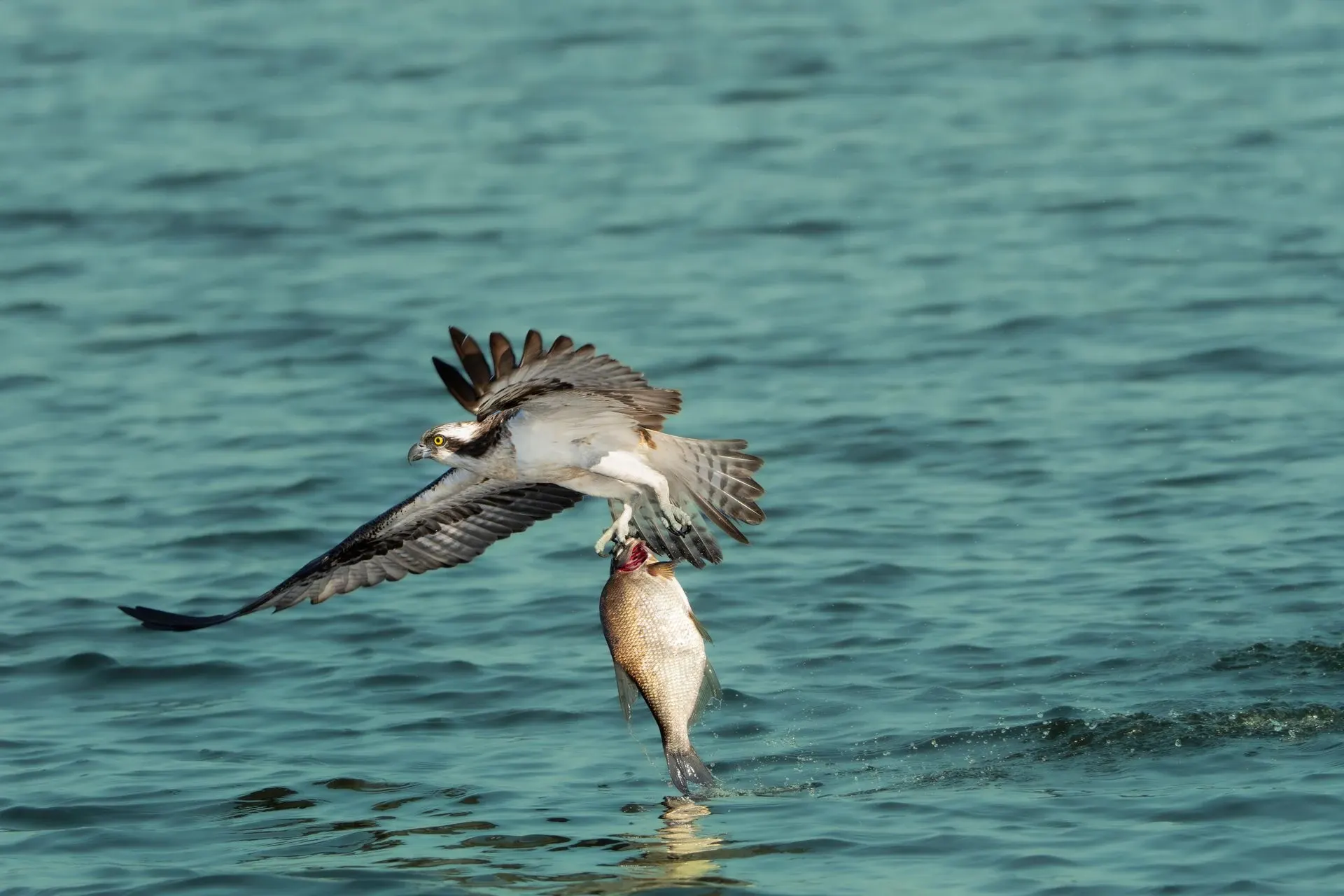
A dramatic shot of an osprey flying over the water with a fish in its talons, illustrating the relationship between predator and prey.
Birdwatching

Where to see ospreys in the Odiel Marshes in winter

November 17, 2026
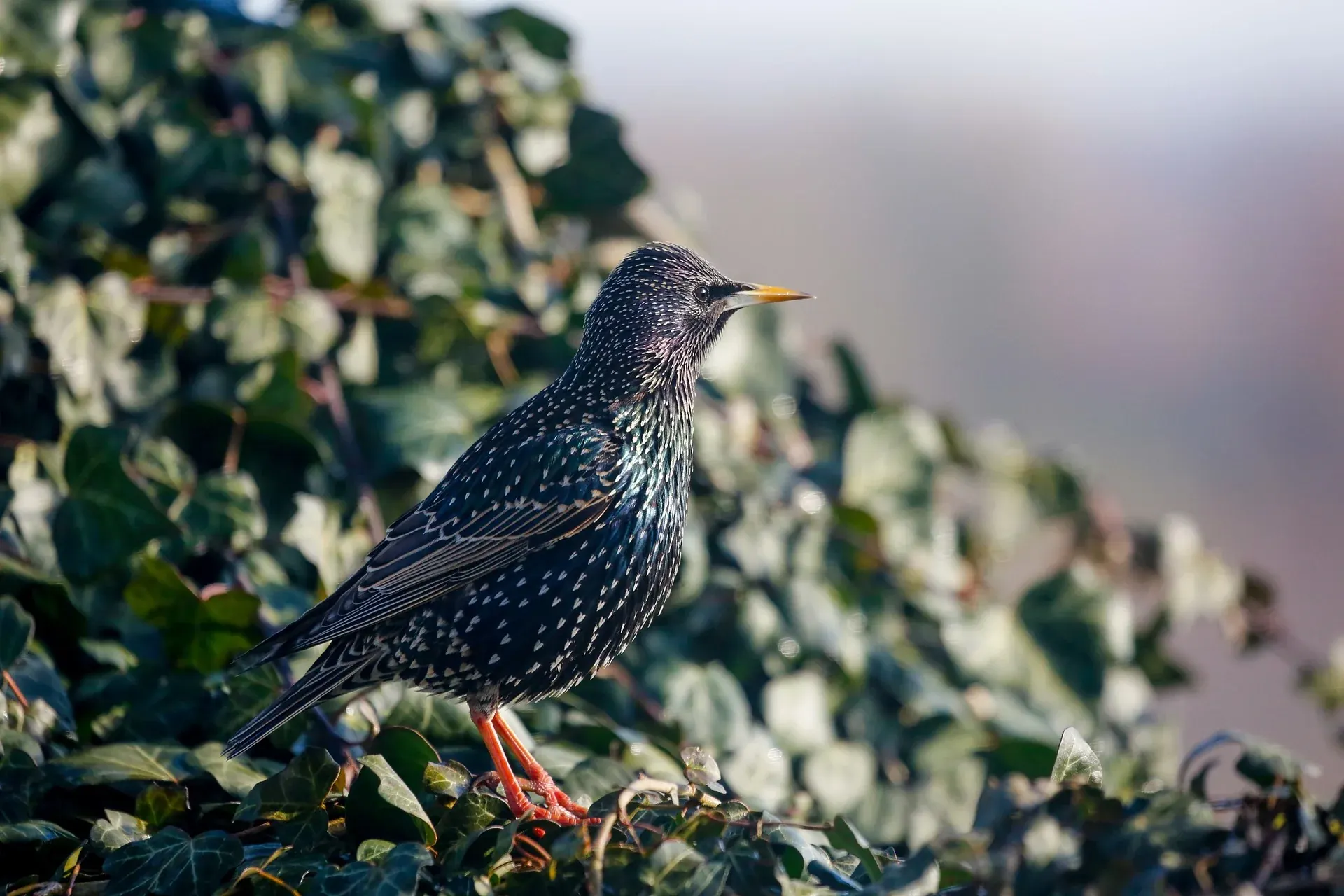
A common starling perched on ivy in soft natural light.
Animales NatSombrosos

Why starlings gather in large flocks at dusk and how they move together

November 12, 2026
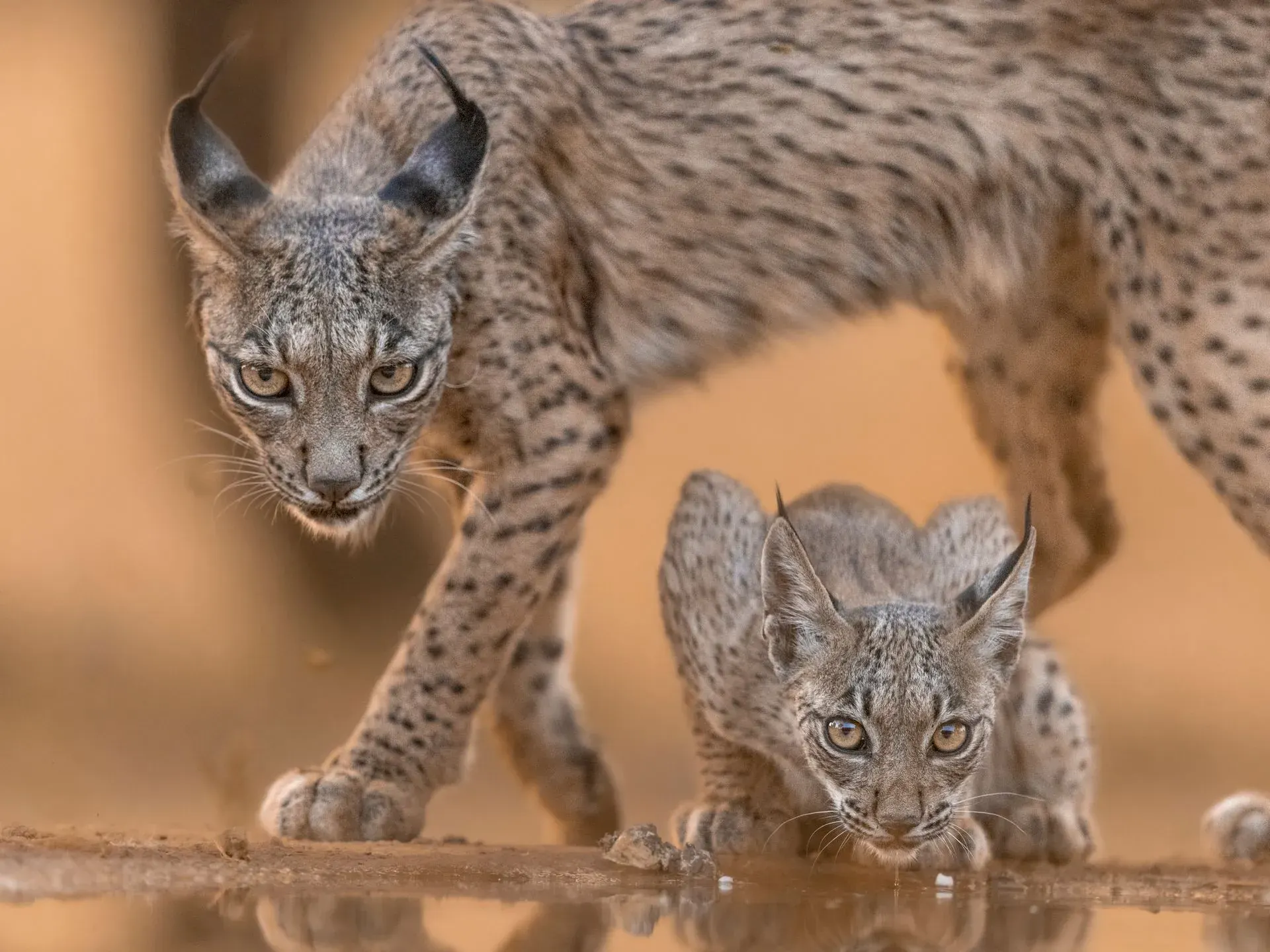
A captivating scene of an Iberian lynx and its cub in their natural habitat in Spain.
Fauna ibérica

The Iberian lynx mating season: when it happens and how to plan a lynx-watching trip

November 10, 2026