Natsnap
  1. Home
  2. Animals
  3. American Oystercatcher
Natsnap
Trips and HidesAboutTaxonomySimilar Species
Natsnap
SearchAnimalsTripsHides
ProfessionalsAbout UsBlogContact

Legal Information

Legal NoticePrivacy PolicyCookies PolicyTerms of Service

Supported by

Gipuzkoako Foru Aldundia / Diputación Foral de GipuzkoaGrupo SPRI Taldea

© 2026 NatSnap. All rights reserved.

American Oystercatcher

Haematopus palliatus

Recent sightings

WHERE TO SEE

Recent sightings

Cargando mapa...
American Oystercatcher
1 / 12

About the species

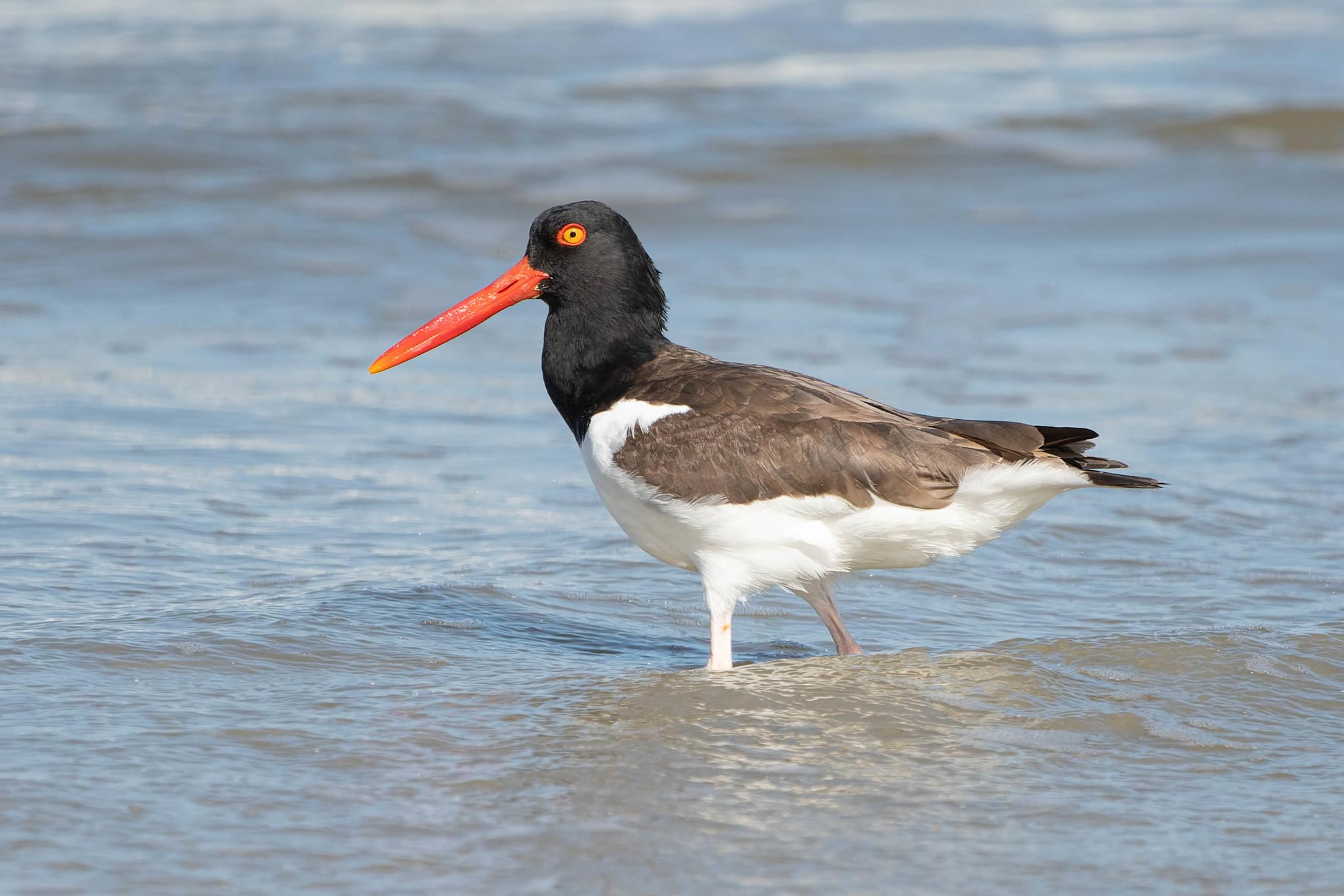
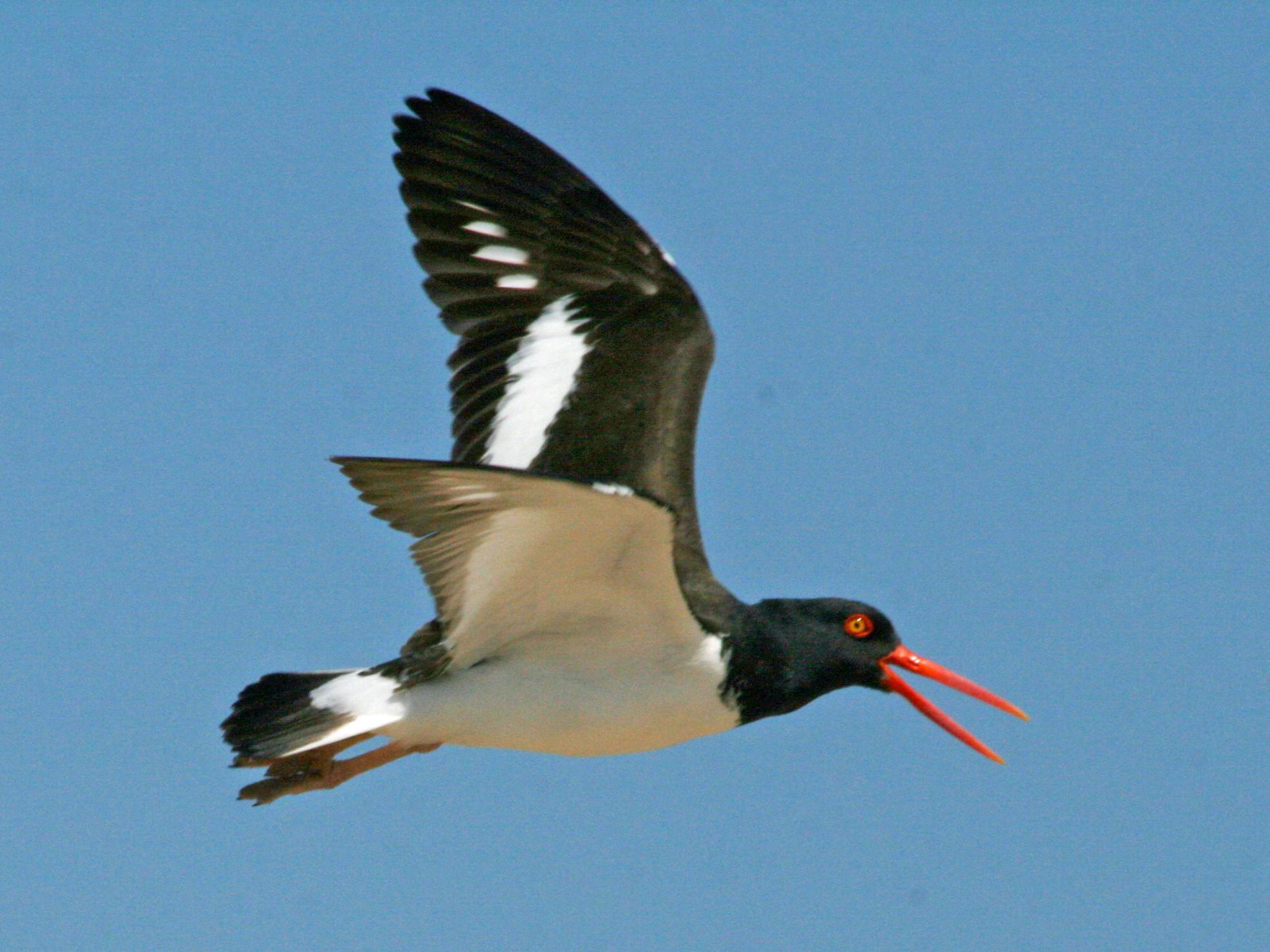
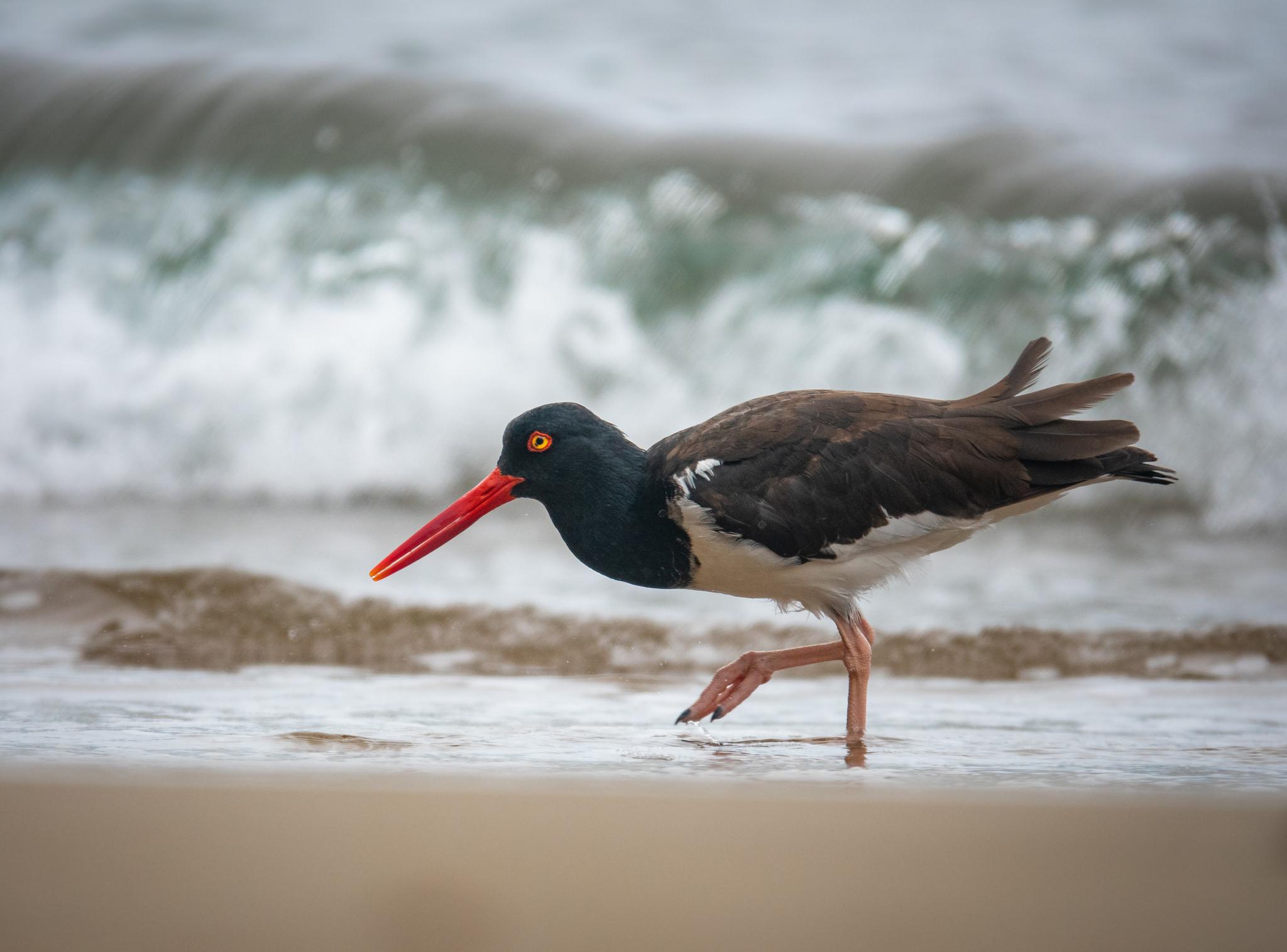
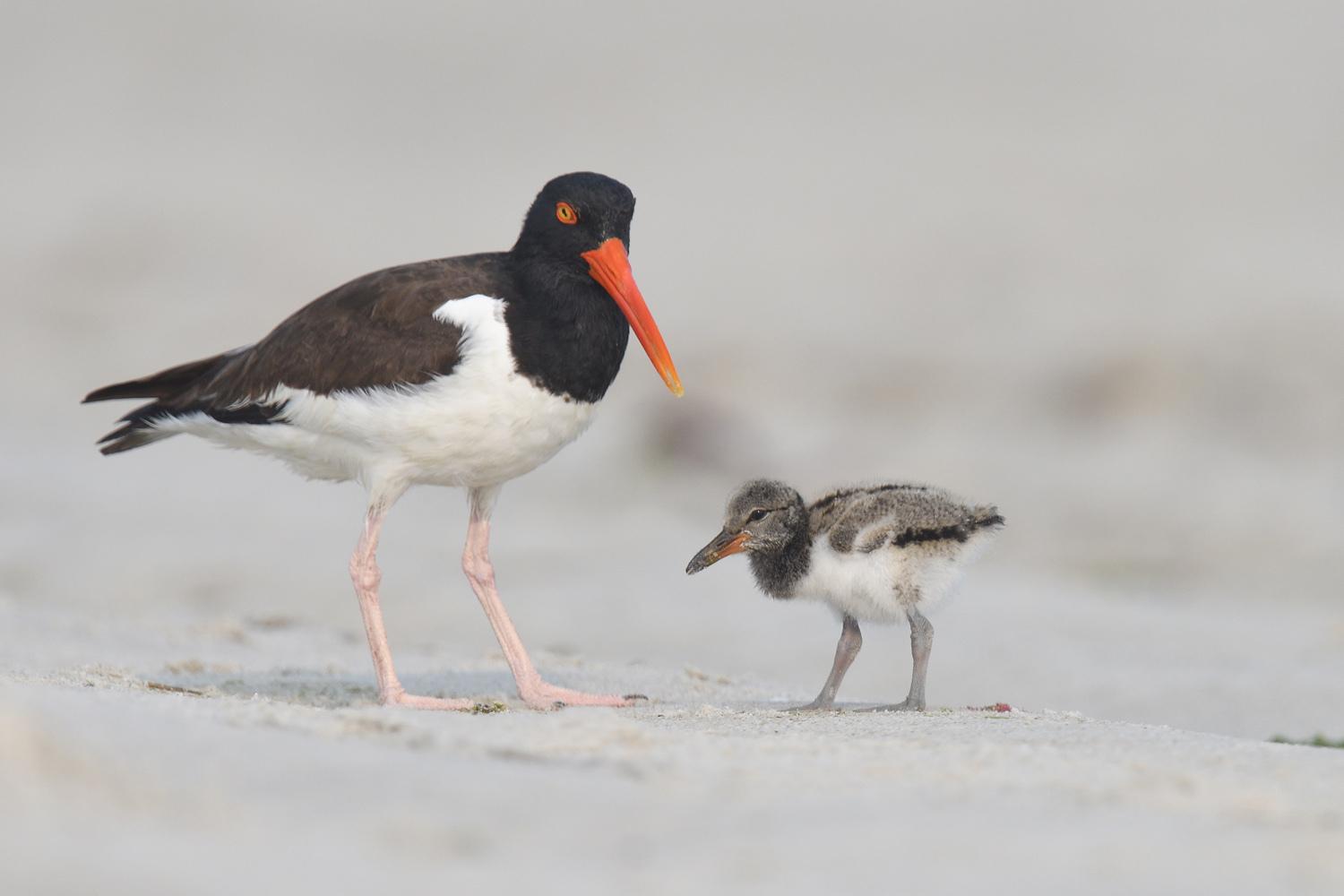
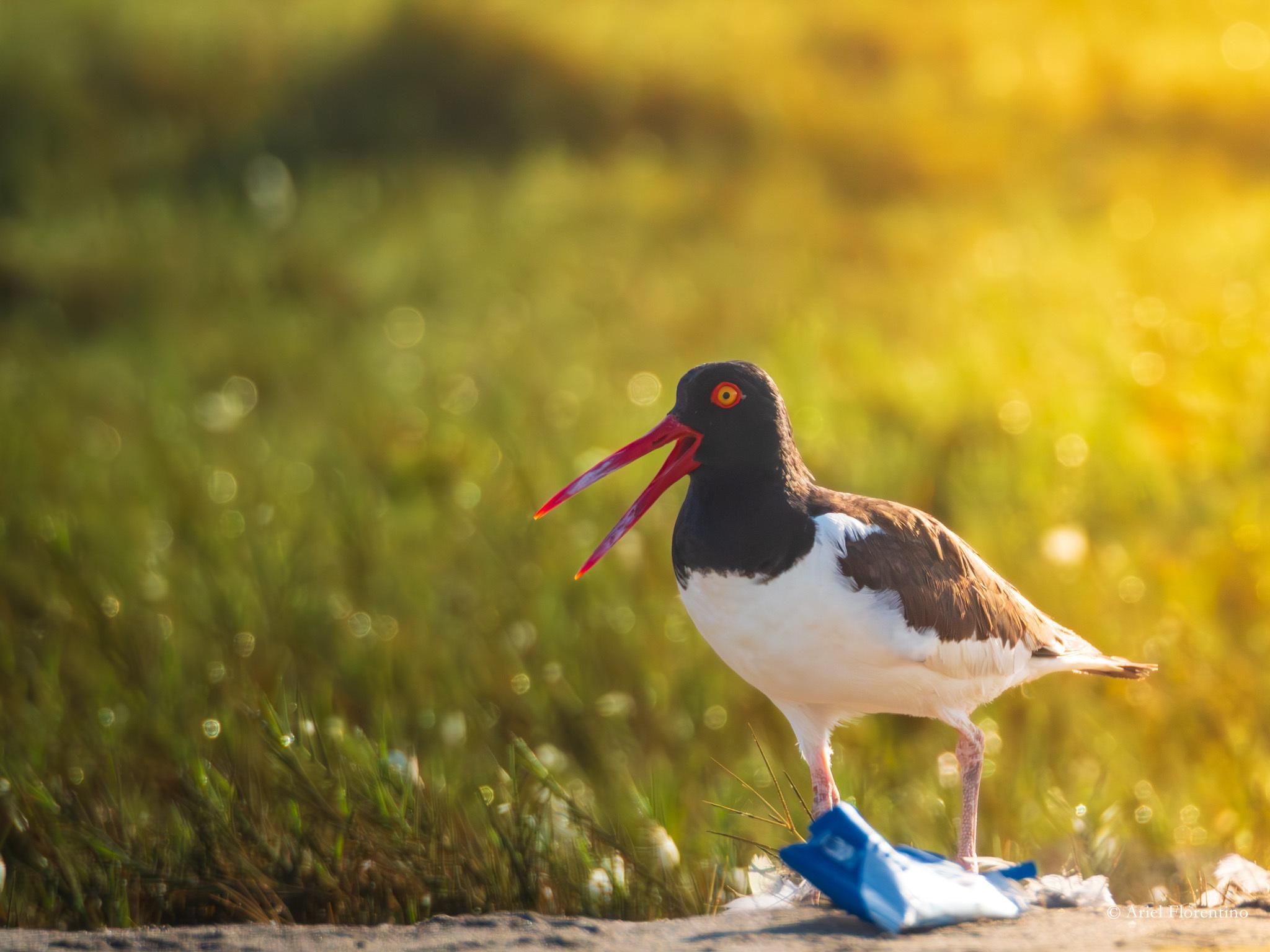
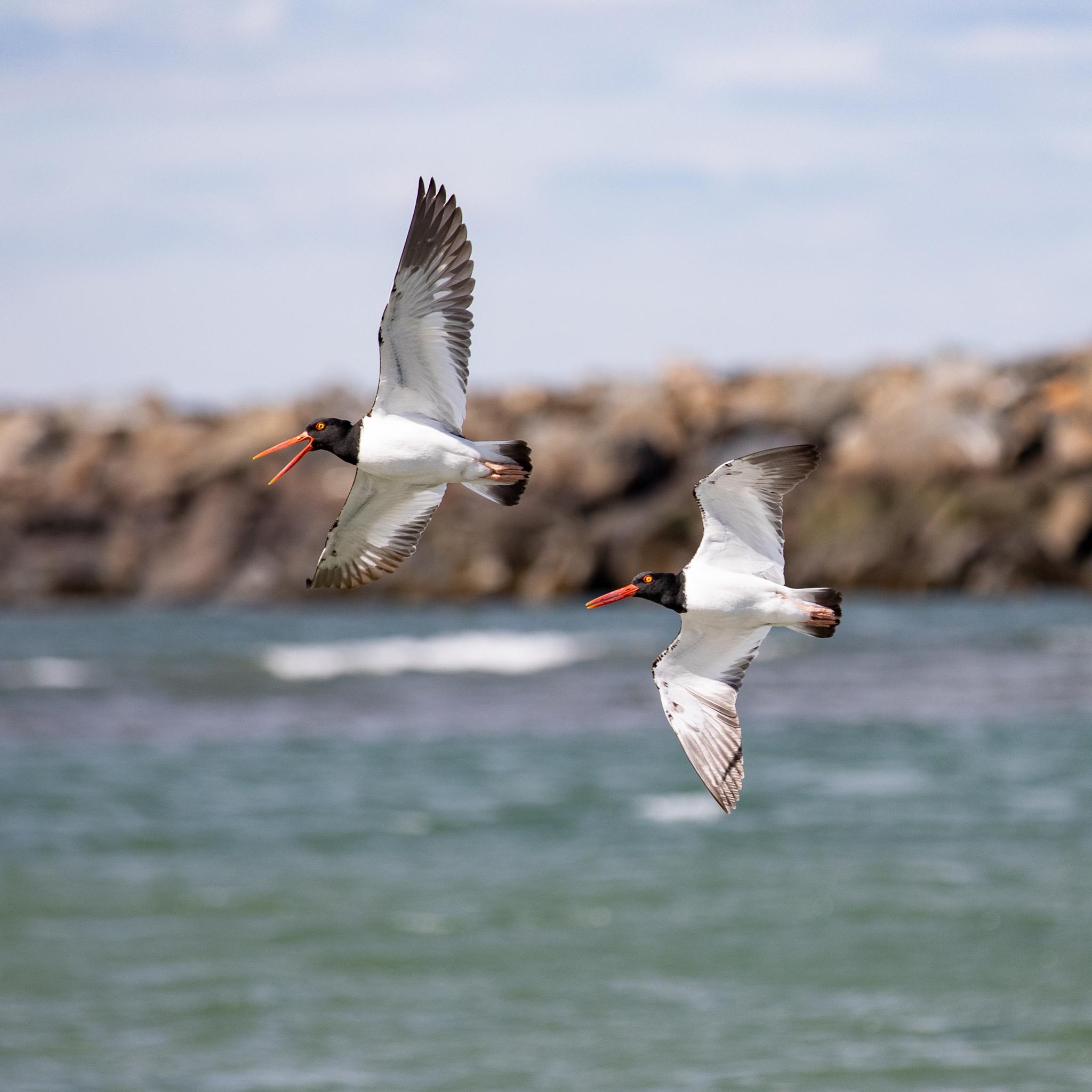
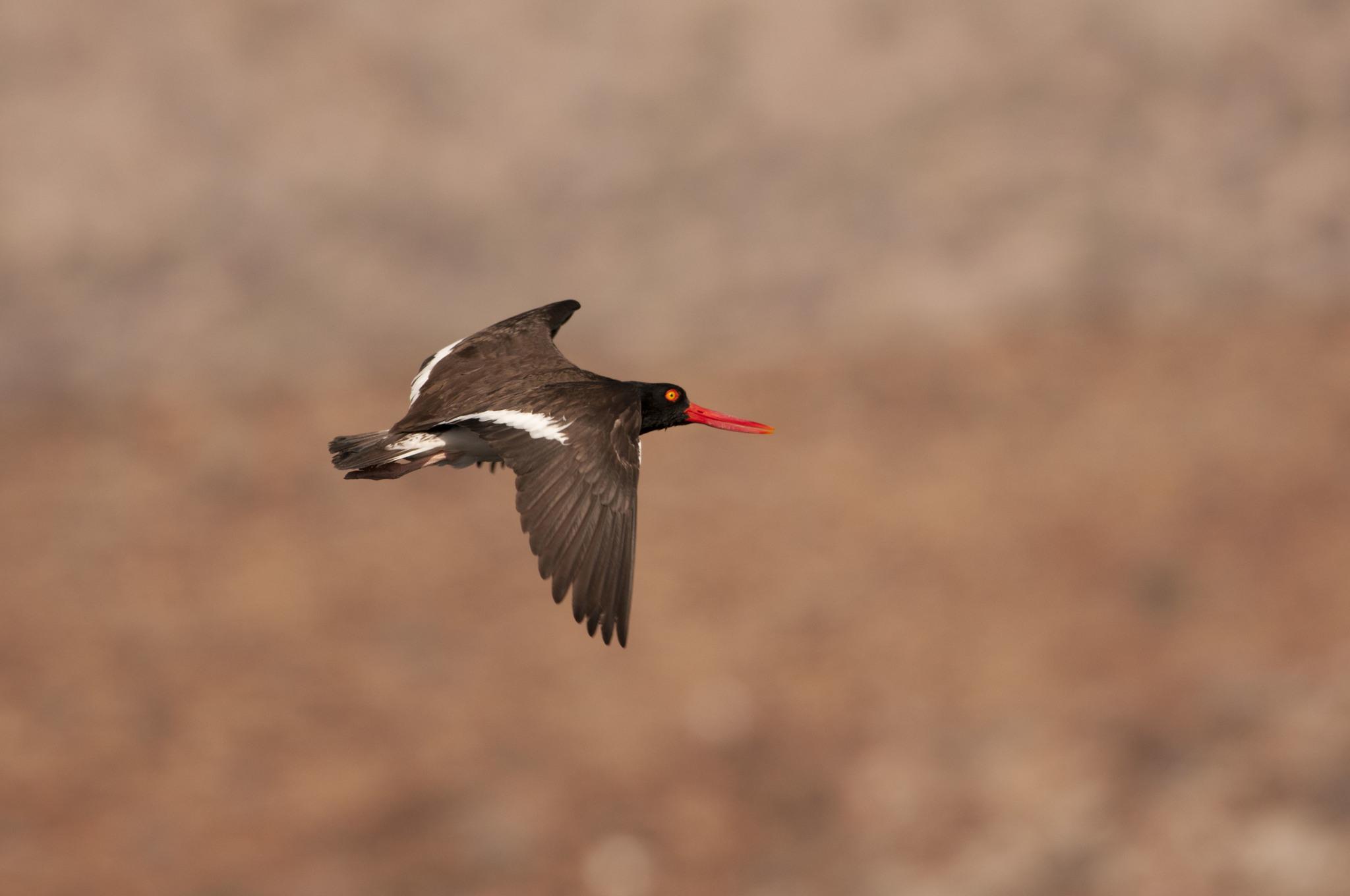
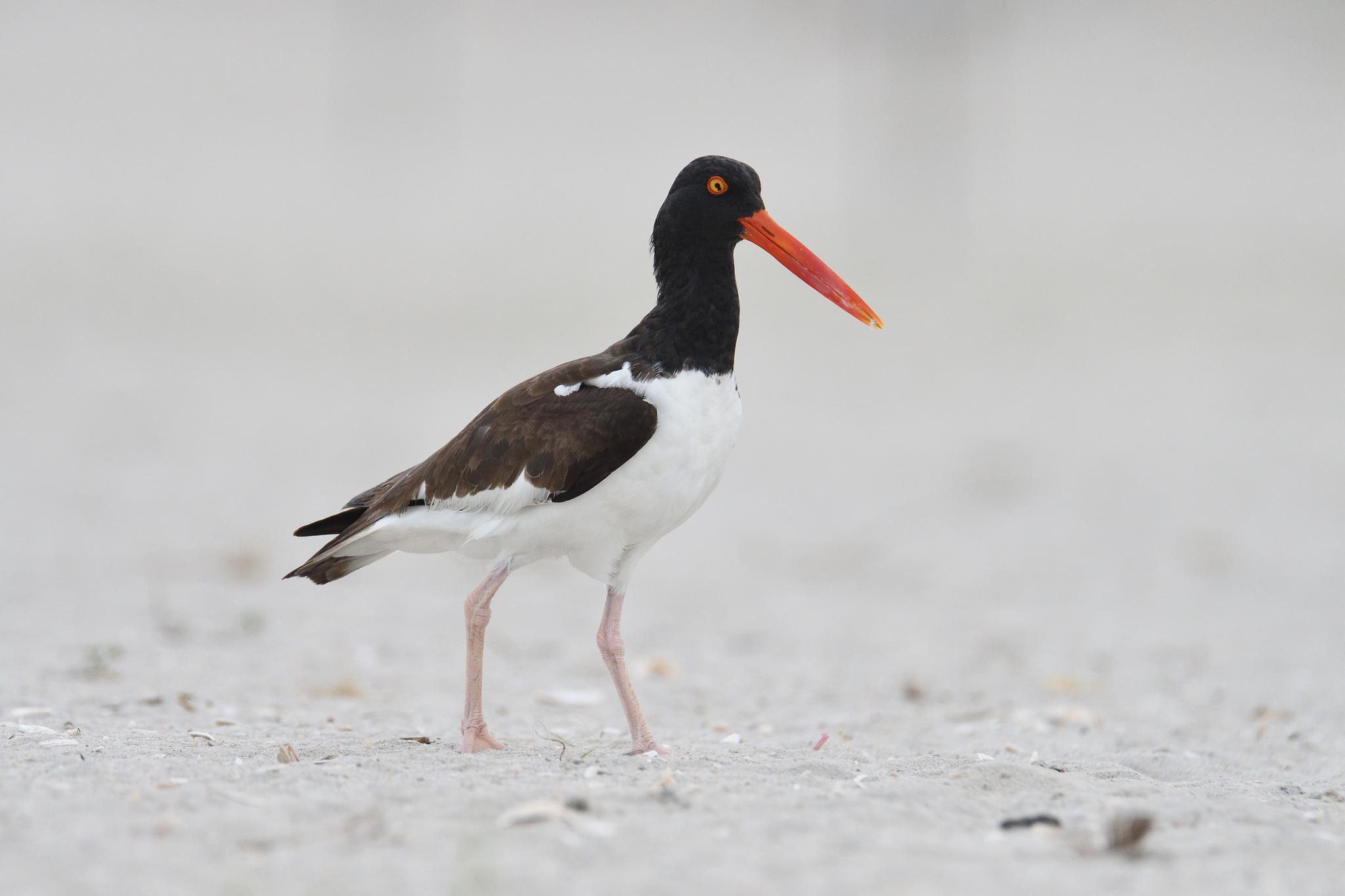
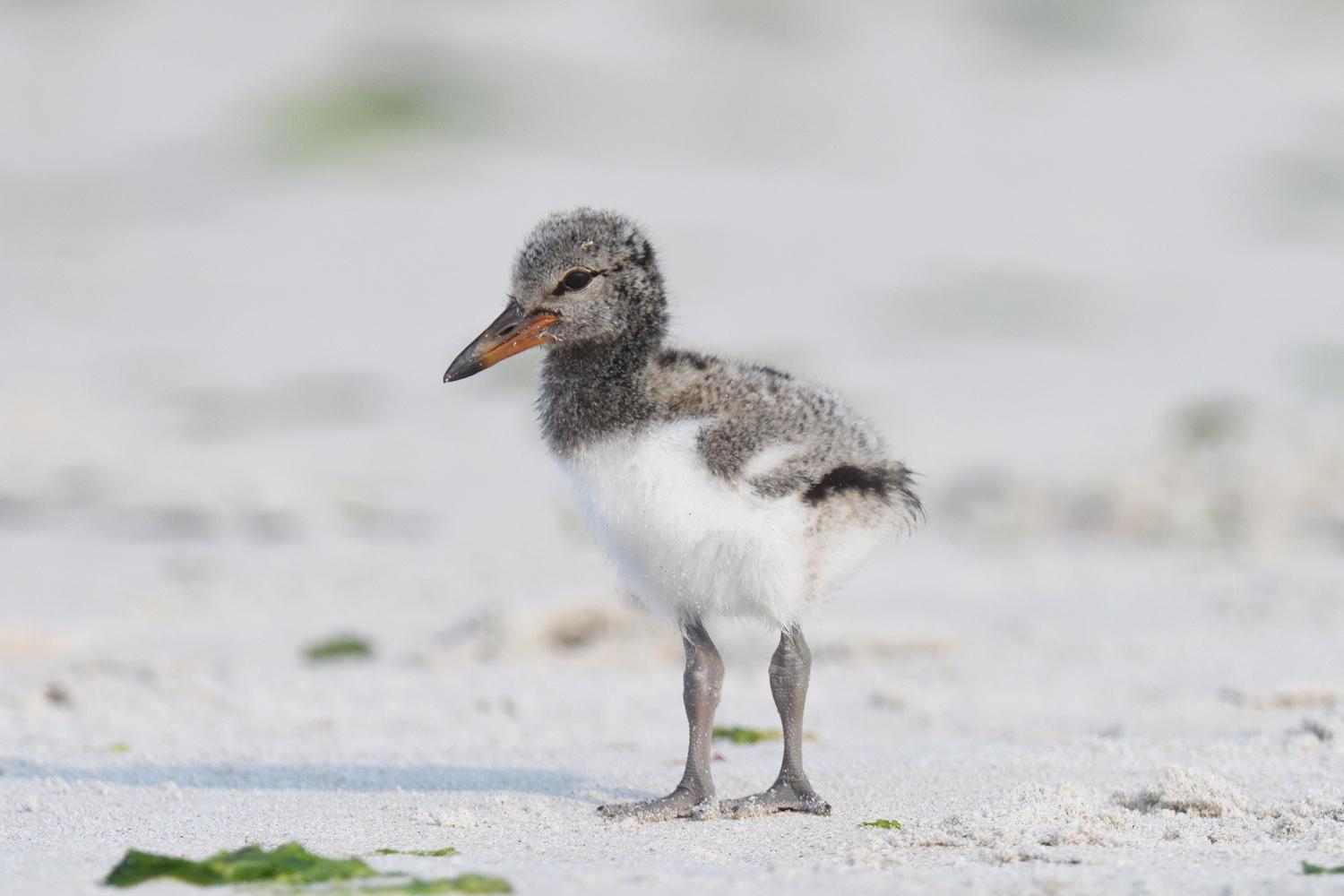
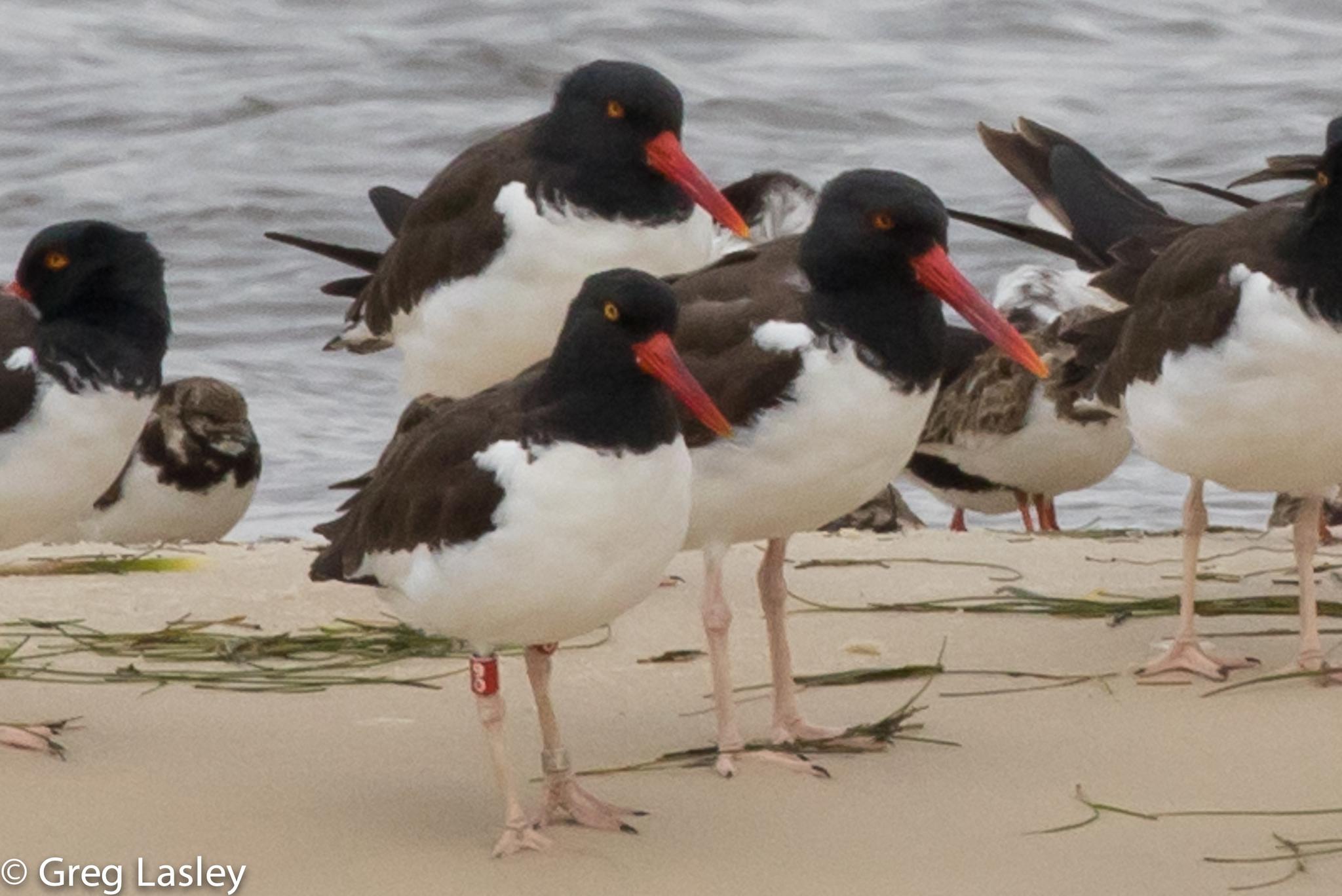
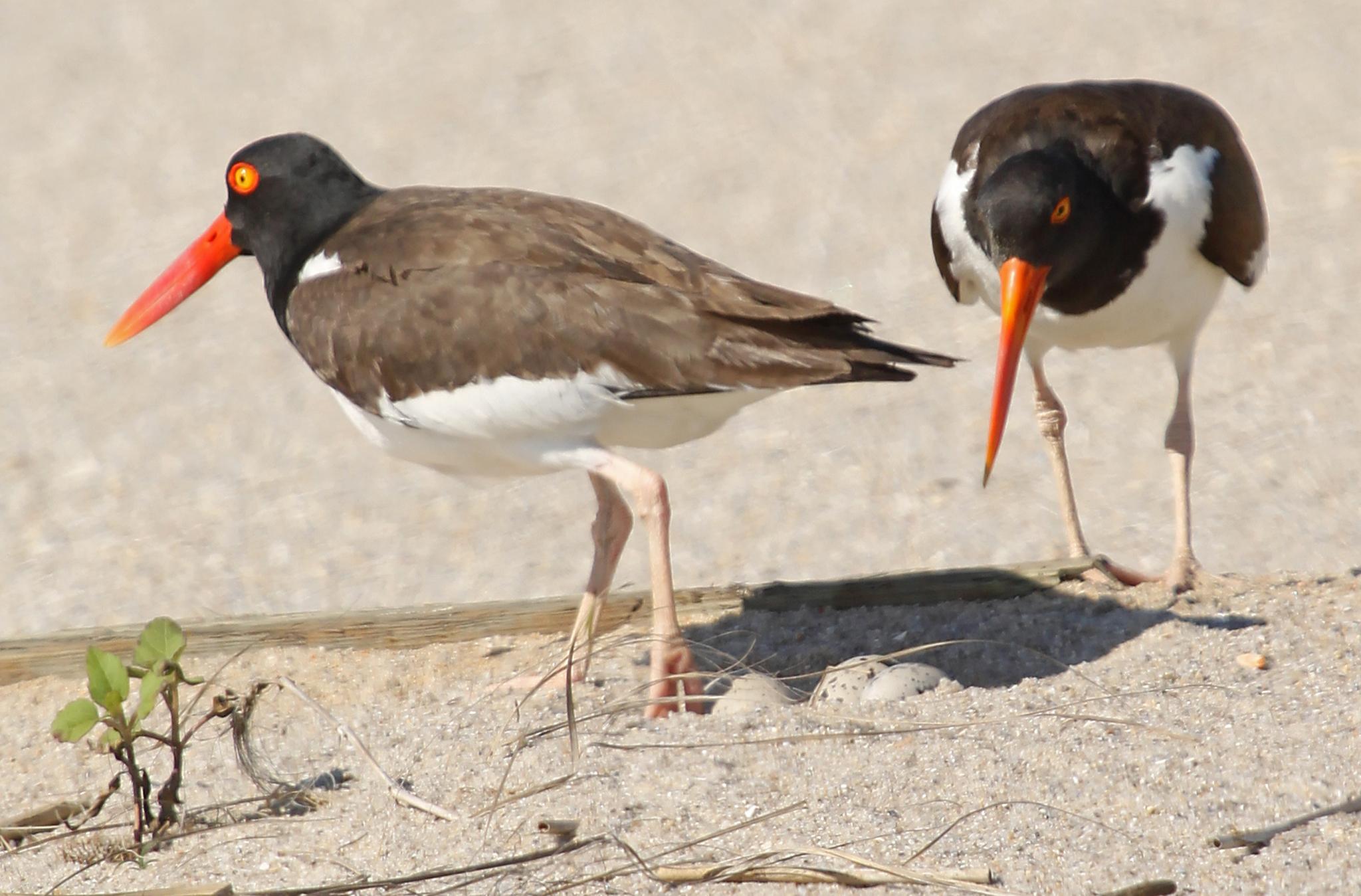
The American oystercatcher, occasionally called the American pied oystercatcher, is a member of family Haematopodidae. Originally called the "sea pie", it was renamed in 1731 when naturalist Mark Catesby claimed that he had observed the bird eating oysters. The current population of American oystercatchers is estimated to be 50,000 – 99,999 mature individuals. There are estimated to be 1,500 breeding pairs along the Atlantic and Gulf Coasts of the US. The bird is marked by its black and white body and a long, thick orange beak.

Source: Wikipedia
Recent Publications

Loading articles…

See more articles

Experiences to see American Oystercatcher

There are no published experiences tagged with American Oystercatcher yet.

SEE MORE
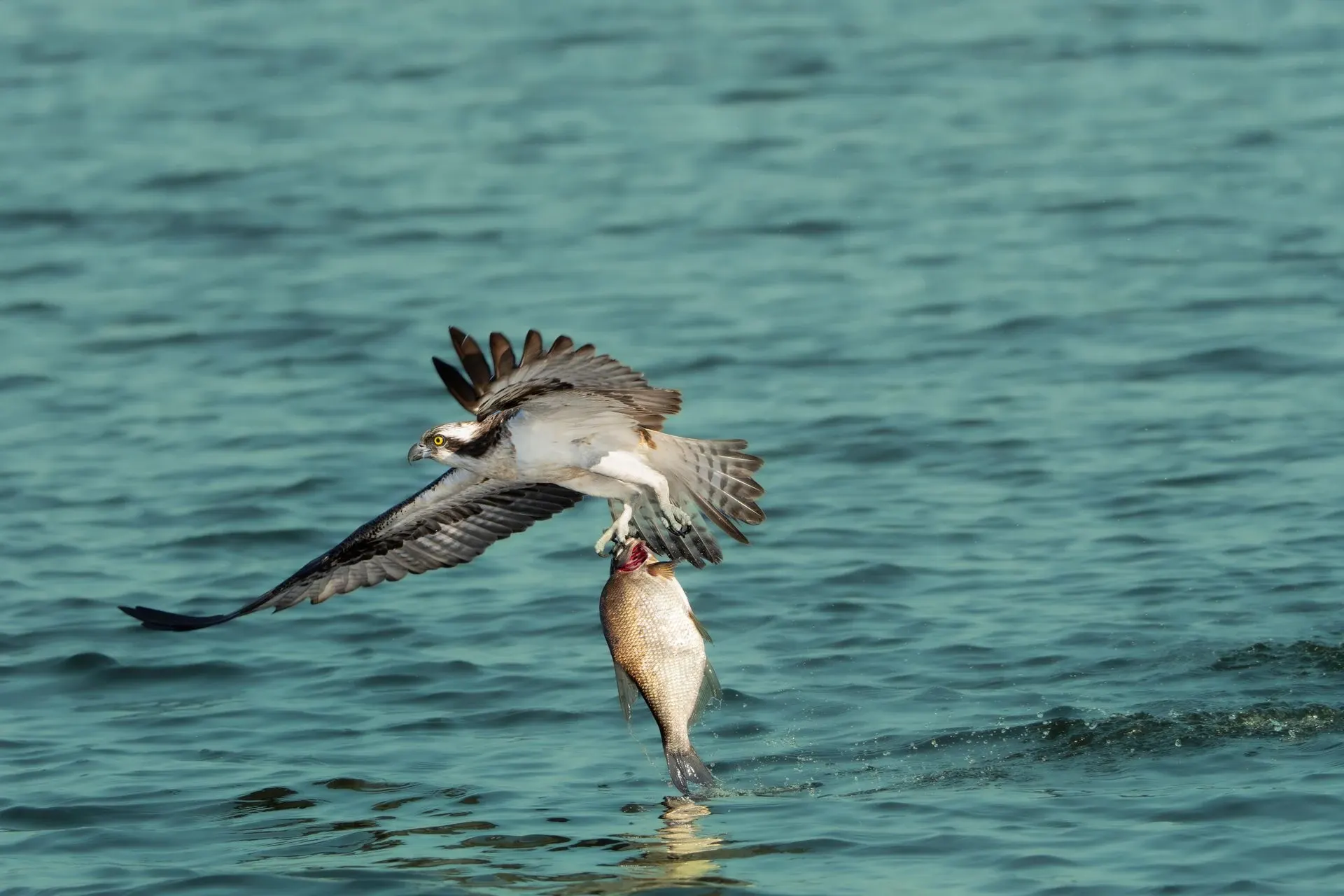
A dramatic shot of an osprey flying over the water with a fish in its talons, illustrating the relationship between predator and prey.
Birdwatching

Where to see ospreys in the Odiel Marshes in winter

November 17, 2026
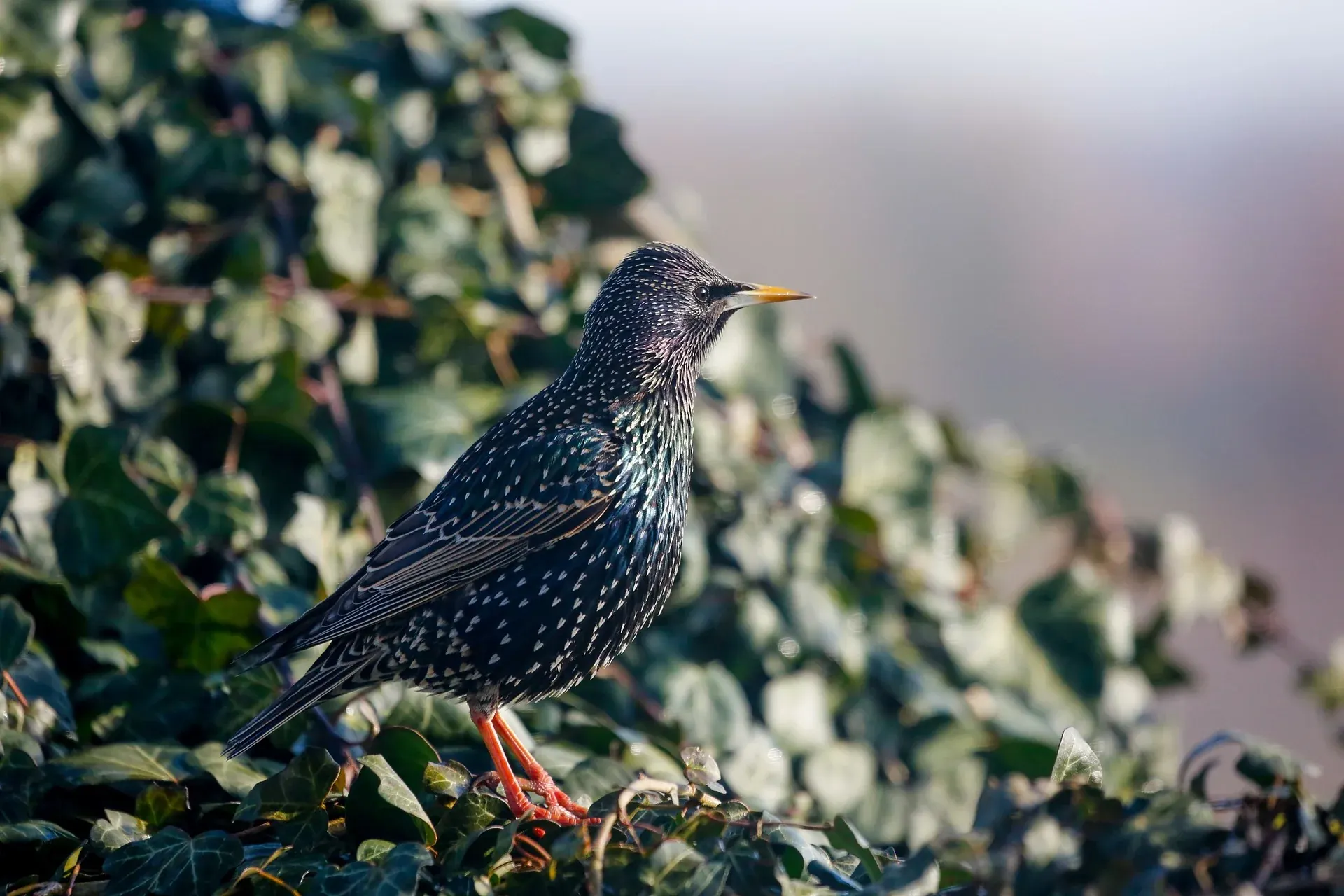
A common starling perched on ivy in soft natural light.
Animales NatSombrosos

Why starlings gather in large flocks at dusk and how they move together

November 12, 2026
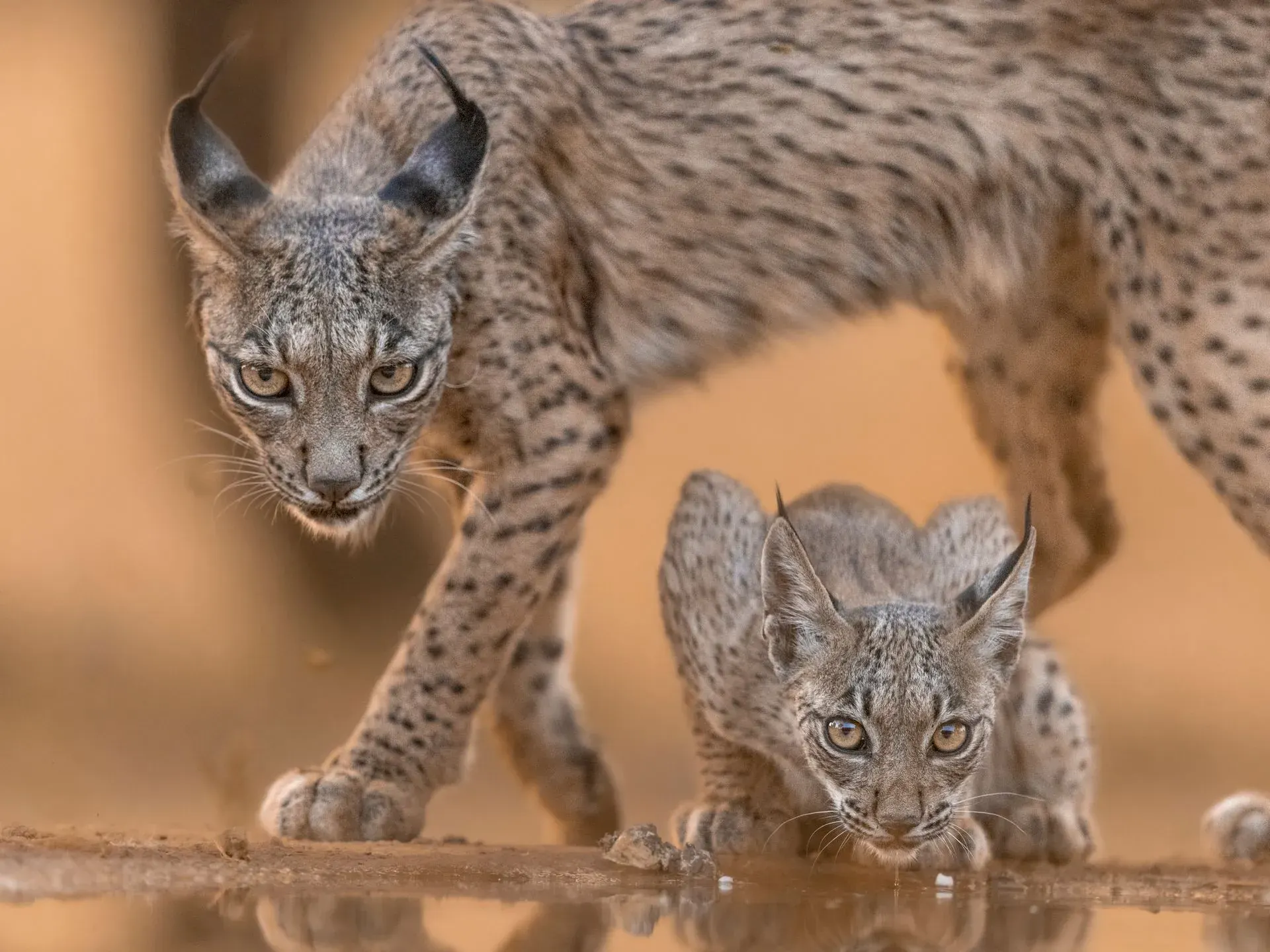
A captivating scene of an Iberian lynx and its cub in their natural habitat in Spain.
Fauna ibérica

The Iberian lynx mating season: when it happens and how to plan a lynx-watching trip

November 10, 2026