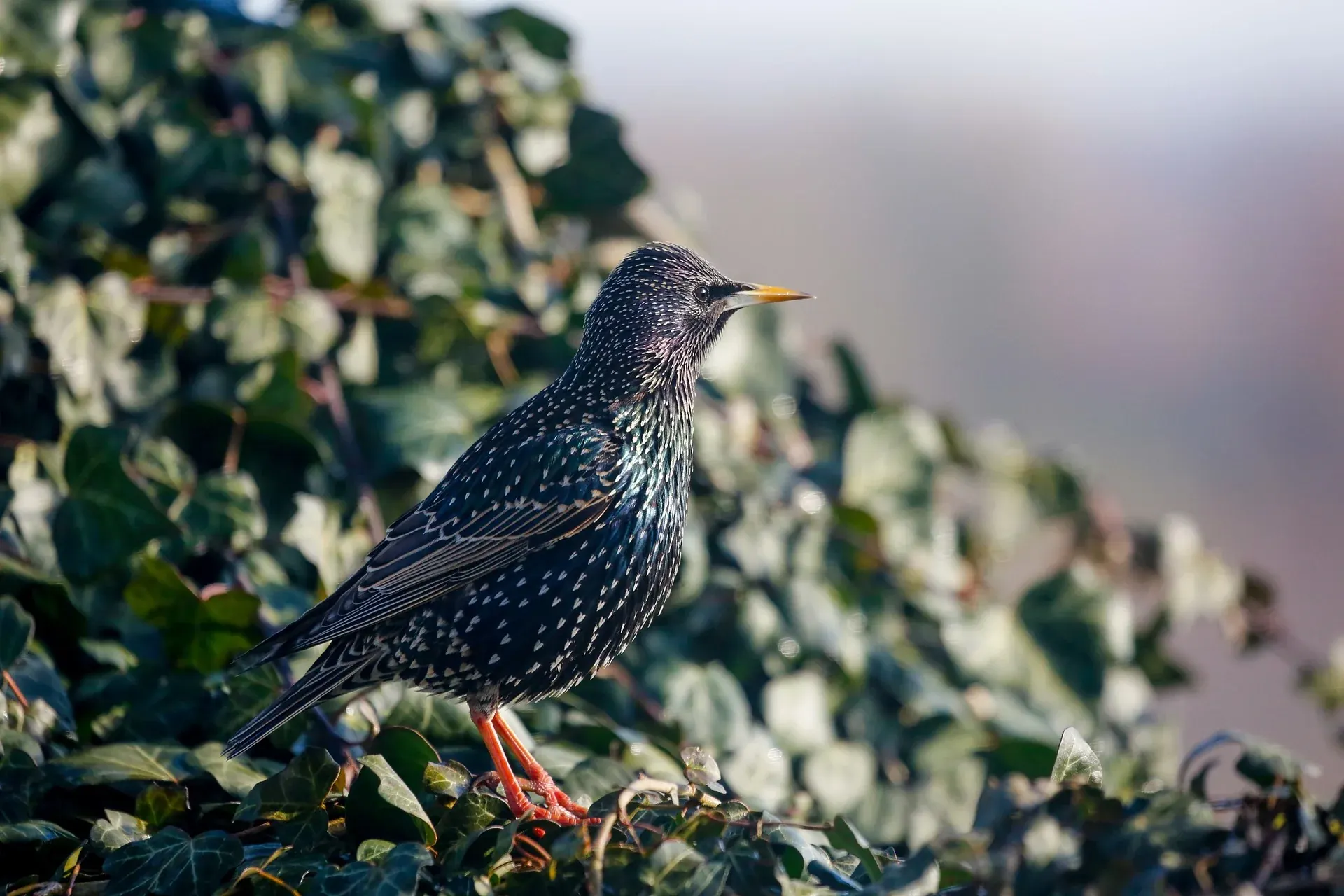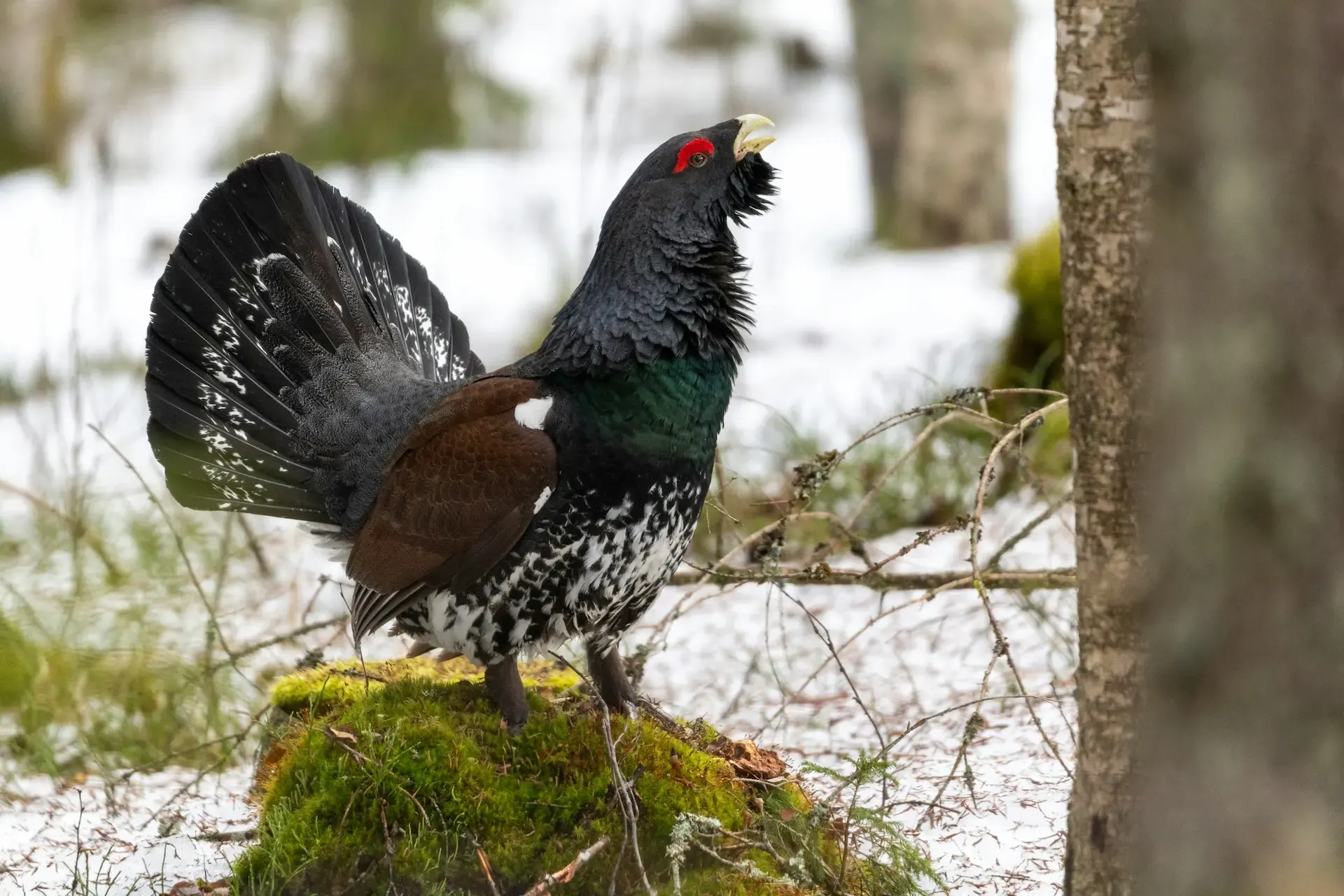
Sleeping while flying over the ocean, resting with half your brain awake or taking more than 10,000 naps a day might sound like something from a science fiction film. However, these are real behaviours that scientists have documented in different animal species.
For us, sleeping usually means closing our eyes, lying down and disconnecting from our surroundings for several hours. But in nature, things do not always work that way. Some animals need to remain alert to predators, others must return to the surface to breathe, and certain species can barely afford a few seconds of rest before carrying on with their activities.
The result is an extraordinary variety of strategies that demonstrate there is no single way to sleep in the animal kingdom.
From dolphins that rest with only one brain hemisphere to octopuses that change colour while sleeping, these ten animals show us that something as ordinary as sleep still holds countless mysteries.
Do all animals sleep in the same way?
Sleep is a biological state found in numerous animal groups, although it does not always resemble our own. Generally speaking, it is characterised by reduced activity and responsiveness to certain stimuli, can be interrupted when necessary and is regulated by a need for rest that increases the longer an animal goes without sleeping.
In humans, we distinguish between different stages, including slow-wave sleep, associated with more synchronised brain activity, and REM sleep, characterised by rapid eye movements and brain activity that shares certain similarities with wakefulness.
For a long time, these complex patterns were thought to be exclusive to mammals and birds. However, research into reptiles and invertebrates has revealed comparable phenomena in evolutionarily very different groups, although scientists are still debating the extent to which they serve the same functions.
Furthermore, sleeping does not always mean remaining completely still or disconnected from the environment. Some species can keep part of their brain more alert than the rest, others continue moving, and some divide their rest into extraordinarily brief episodes.
Ready to discover some of the most surprising examples?
1. The bottlenose dolphin sleeps with half its brain awake
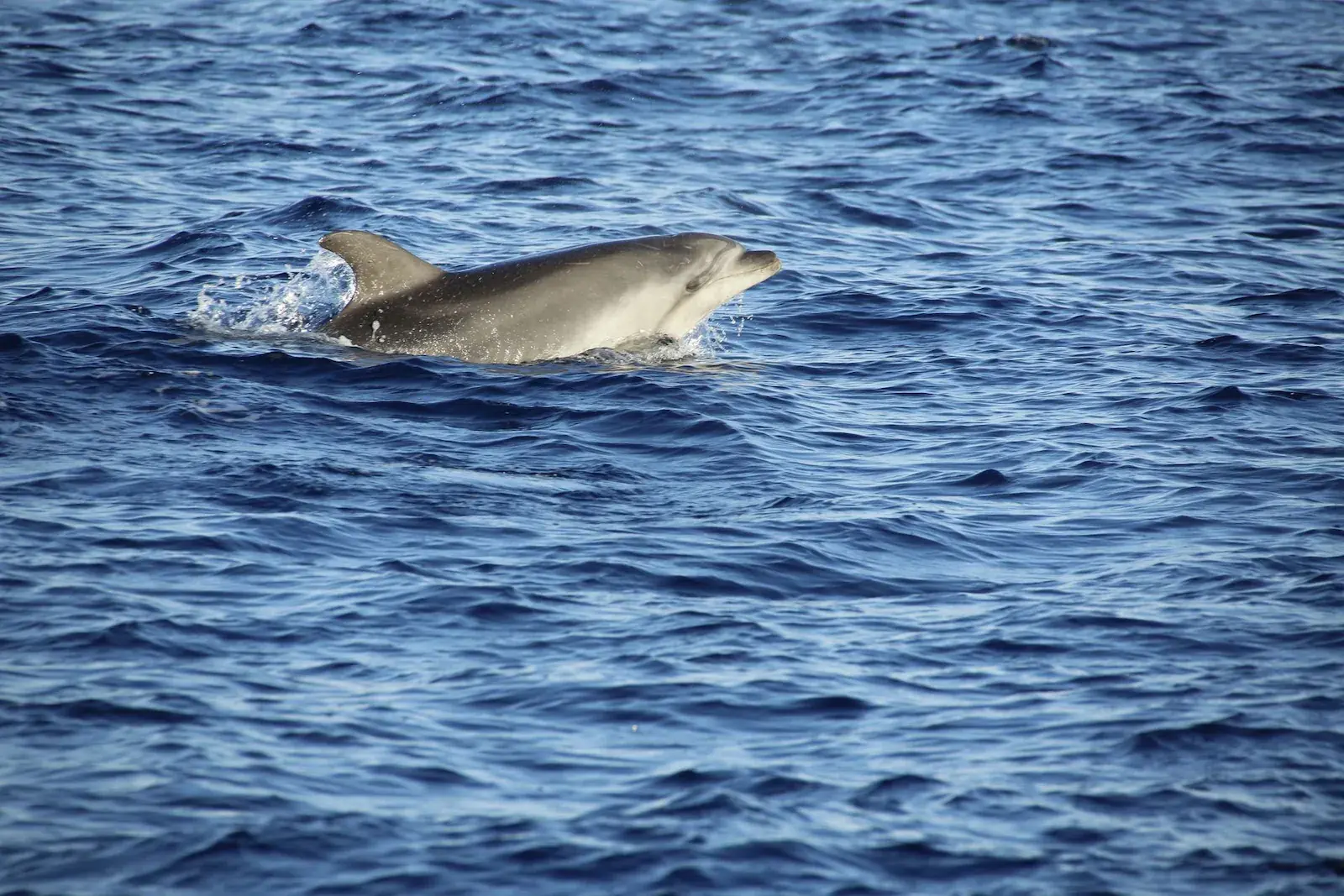
Bottlenose dolphin | Photo: drB drB
Imagine trying to sleep while constantly having to remember that you need to return to the surface to breathe. For us, it would be practically impossible, but dolphins have developed an extraordinary solution.
The bottlenose dolphin (Tursiops truncatus) can rest through a mechanism known as unihemispheric slow-wave sleep, in which one brain hemisphere shows activity characteristic of sleep while the other maintains activity closer to wakefulness.
This allows the animal to remain somewhat aware of its surroundings, coordinate the movements needed to stay in the water and continue controlling its breathing, as cetaceans must periodically return to the surface.
During these periods, dolphins can swim slowly and keep one eye open, generally the one connected to the more active hemisphere. Afterwards, the hemispheres can alternate their roles so that both have opportunities to rest.
NOAA explains that this type of sleep allows dolphins and other cetaceans to combine rest with functions essential for survival in the ocean, something very different from the disconnection humans experience during much of their sleep.
Interestingly, this mechanism may also help them maintain contact with other members of their group and detect potential threats. So, although a dolphin may appear completely awake while swimming, part of its brain could actually be resting.
2. The mallard can sleep with one eye open to watch for predators
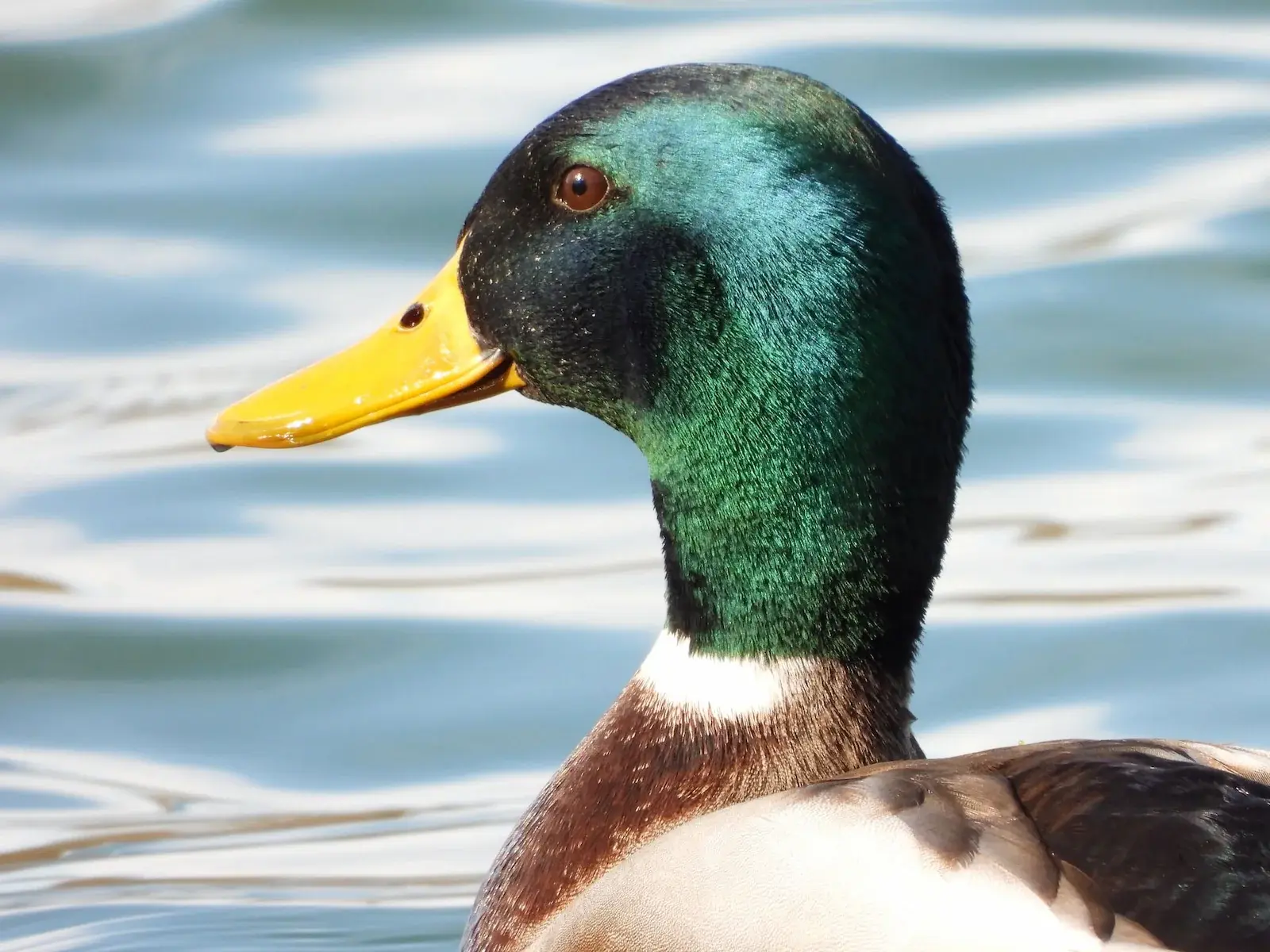
Mallard | Photo: Iulian Florentin Stefancu
Dolphins are not the only animals capable of sleeping with one brain hemisphere more active than the other. Some birds also use this strategy, particularly when they need to rest without completely losing sight of what is happening around them.
The mallard (Anas platyrhynchos), one of the most common ducks in Spain, can keep one eye open while sleeping, something particularly interesting when it rests in a group.
In research published in 1999, scientists studied the sleep of several mallards resting together and observed that individuals positioned at the edges of the group used unihemispheric sleep more frequently and kept the eye facing outwards open.
This allowed them to monitor the direction from which a threat was most likely to appear, while ducks in more protected positions had less need to remain alert.
The study, published in Nature, demonstrated that these birds could adjust their sleeping behaviour according to the risk of predation, revealing a remarkable ability to combine vigilance and rest.
Of course, this does not mean that all ducks always sleep with one eye open. The behaviour depends on the circumstances and how safe their surroundings are, so they can also rest with both eyes closed.
3. The great frigatebird can sleep while flying over the ocean
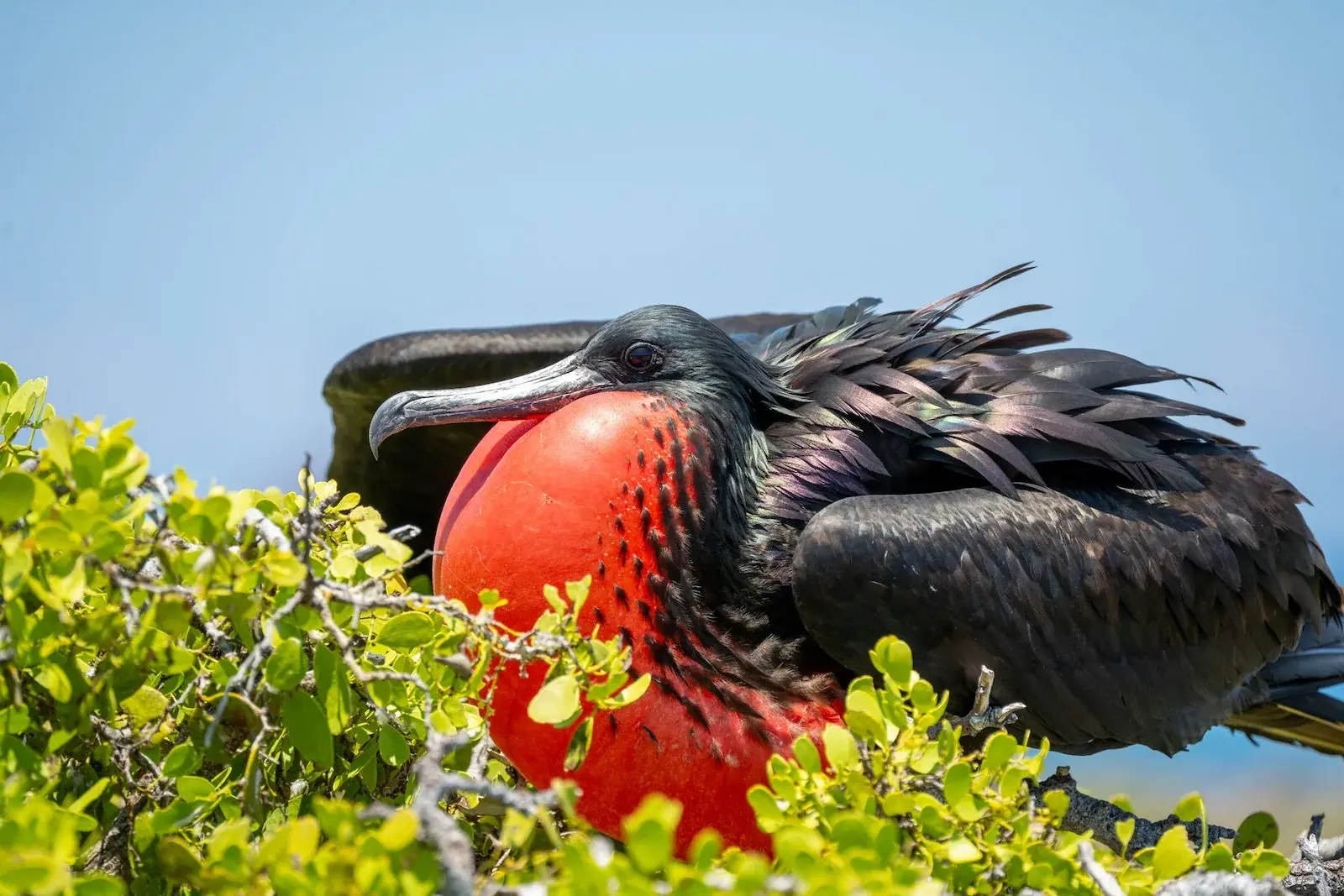
Great frigatebird | Photo: Haha
Some birds can remain airborne for days without landing, travelling enormous distances while searching for food or taking advantage of atmospheric currents. For a long time, one of the biggest questions was how they managed to rest without interrupting these flights.
The great frigatebird (Fregata minor), a seabird found mainly in tropical regions, provided a fascinating answer.
In 2016, a team of scientists fitted frigatebirds undertaking flights of up to ten days over the ocean with small devices capable of recording brain activity. For the first time, electroencephalographic recordings confirmed that these birds can sleep while flying, both with one brain hemisphere and with both simultaneously.
However, the most surprising discovery was that, during their journeys, the frigatebirds slept for an average of just 42 minutes a day, far less than when resting on land.
According to the research published in Nature Communications, sleep episodes occurred mainly while the birds were gliding in circles within rising air currents, reducing the need for constant manoeuvring.
When sleeping with only one hemisphere, they tended to keep the eye facing the direction of flight open, probably to monitor their course.
What remains difficult to explain is how they manage to function apparently effectively for so many days with so little sleep. The research suggests that the demands of life over the ocean may lead these birds to prioritise vigilance and flight over rest.
4. The chinstrap penguin can take more than 10,000 microsleeps a day
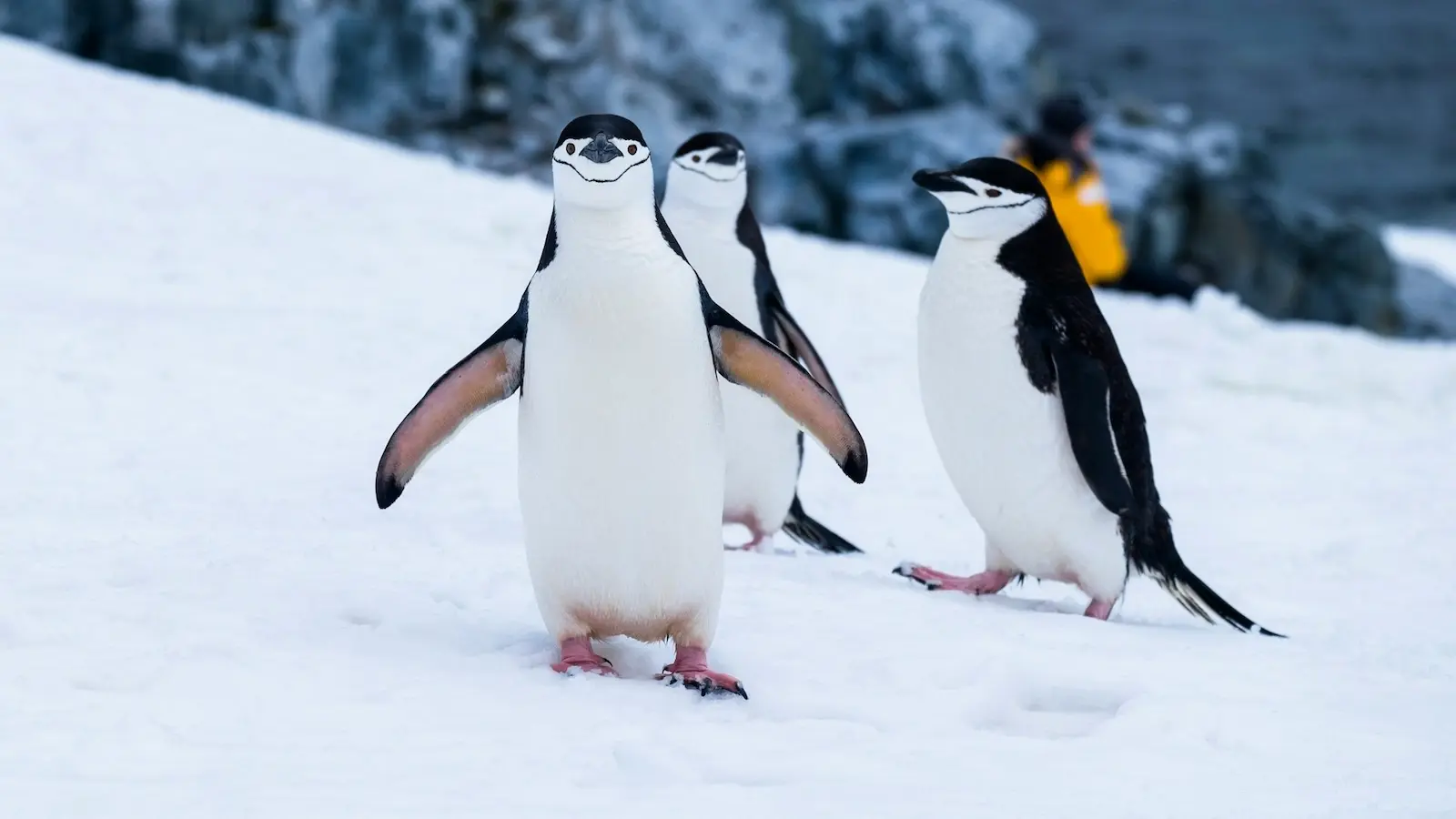
Chinstrap penguin | Photo: Derek Oyen
If you thought sleeping for 42 minutes a day was strange, wait until you meet the chinstrap penguin (Pygoscelis antarcticus).
This species lives in Antarctica and other regions of the Southern Ocean, where it forms breeding colonies that can bring together thousands of individuals. During incubation, adults must protect their eggs from predators such as skuas, while also remaining alert to movements and conflicts involving other penguins.
In such a crowded environment, sleeping for extended periods can be difficult.
Research published in Science in 2023 discovered that chinstrap penguins tending their nests could accumulate more than 10,000 sleep episodes a day, each lasting approximately four seconds on average.
These periods were so brief that the birds barely had time to close their eyes before their rest was interrupted again. However, when added together, researchers found that they could accumulate more than eleven hours of sleep per brain hemisphere throughout the day.
To reach these conclusions, they studied the brain activity and behaviour of wild penguins in their breeding colonies.
The results, published in the study on chinstrap penguin microsleeps, suggest that the benefits of sleep can accumulate even when it is divided into thousands of extremely brief episodes.
Interestingly, this strategy appears to allow them to combine a constant need for vigilance with sufficient periods of rest, although researchers are still investigating how they can obtain benefits comparable to those of more continuous sleep.
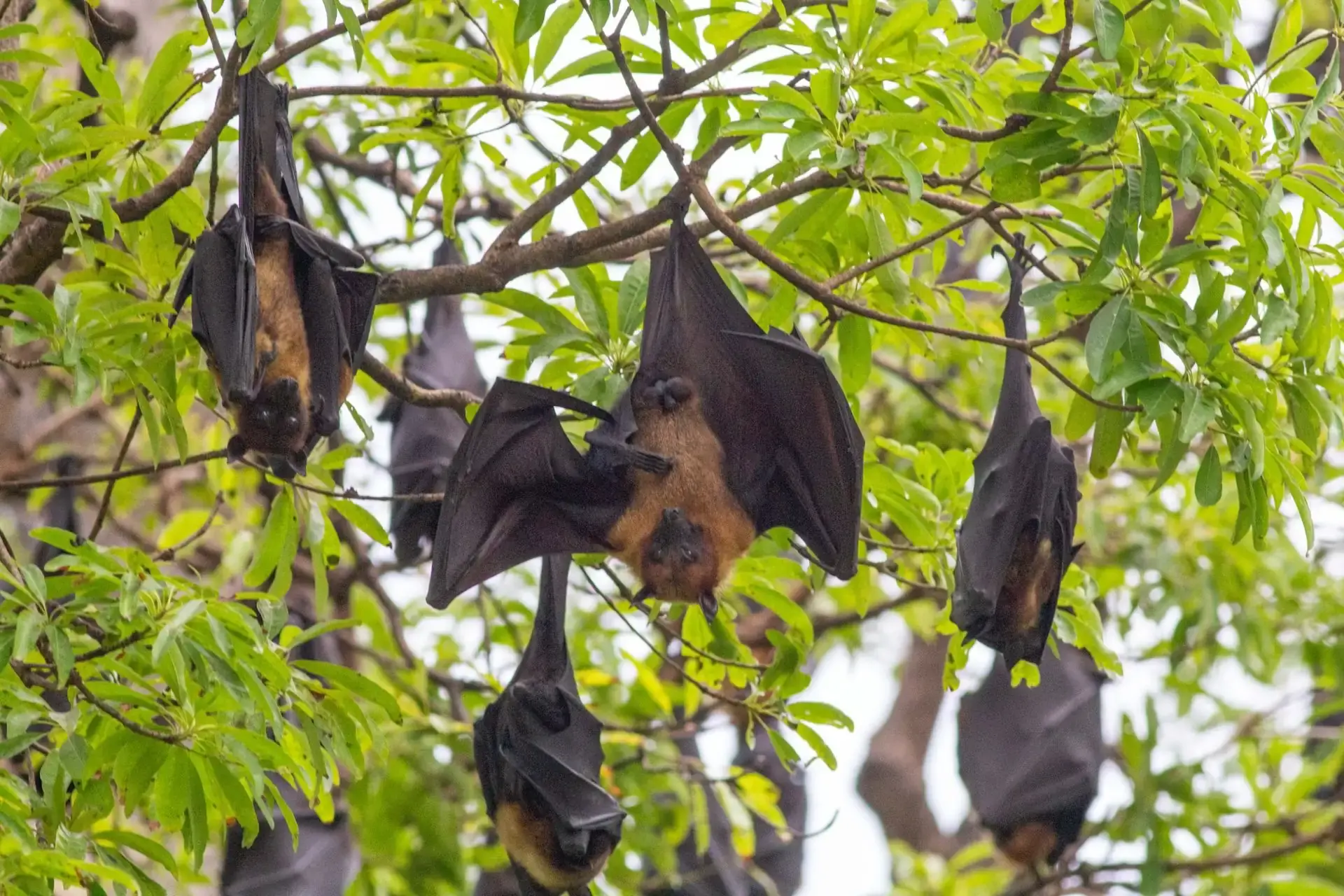
5. Bats can sleep hanging upside down with hardly any effort
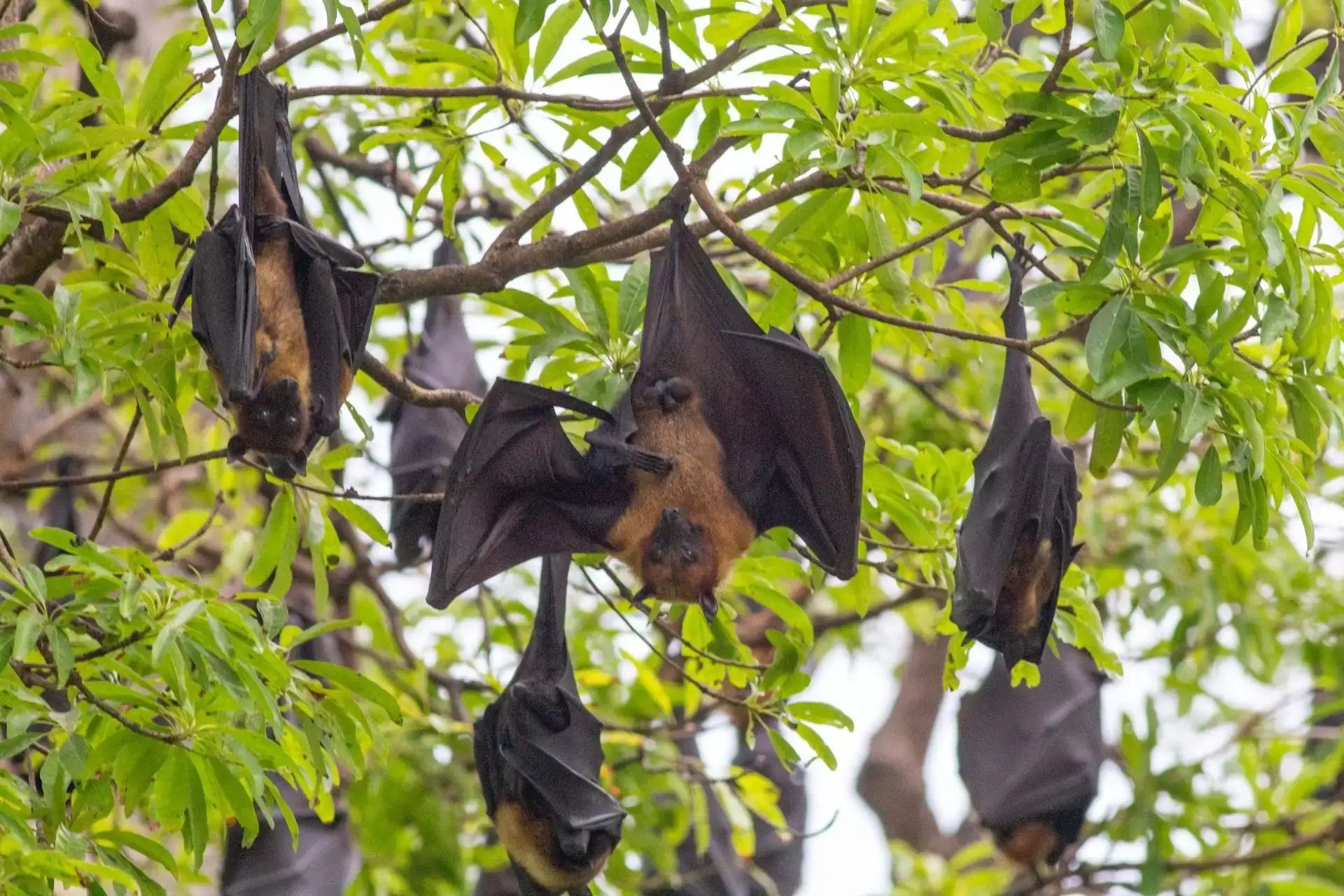
Hanging bats | Photo: Pavithra Anbarasu
Sleeping while hanging from the ceiling of a cave seems like a rather uncomfortable position, especially when we imagine the effort required to support our own body weight for hours. However, many bats can do this with extraordinary ease.
In Spain, we find species such as the greater mouse-eared bat (Myotis myotis), which uses shelters such as caves, mines and buildings, where it can rest in large groups.
The explanation lies in the anatomical adaptations of their feet and tendons. When a bat hangs from a surface, its toes can remain secured through a mechanism that maintains its grip with very little muscular effort.
In fact, its own weight helps maintain the position, meaning it does not need to make the continuous effort that a person would require to remain suspended.
As Bat Conservation International explains, this mechanism allows bats to rest, groom themselves and even remain hanging for extended periods without using large amounts of energy.
The position also offers safety advantages, as many predators have difficulty reaching certain elevated locations. Furthermore, for some species, it makes taking flight easier because they can simply drop down and begin flapping their wings.
However, not all bats sleep exclusively upside down. Some species rest in narrow crevices, tree hollows and other shelters where they adopt different positions.
And here is another important curiosity. During the colder months, some species enter periods of torpor or hibernation, during which they significantly reduce their body temperature and metabolic activity. Although these states can include periods of sleep, hibernation is not simply sleeping for a very long time, but a different physiological state that allows animals to conserve energy.
6. The bearded dragon has sleep stages surprisingly similar to ours
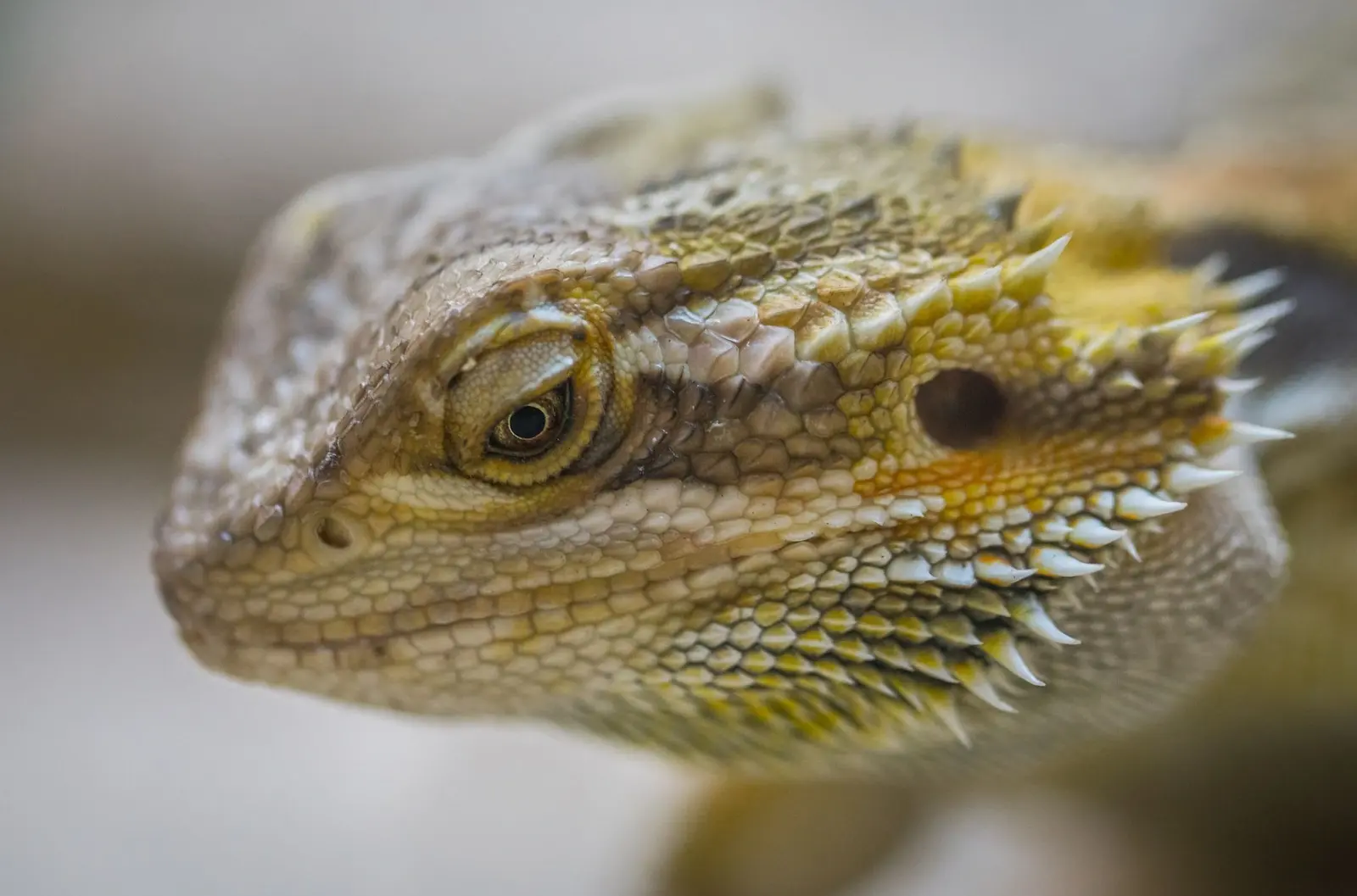
Bearded dragon | Photo: Egor Kamelev
For years, research into animal sleep focused mainly on mammals and birds, but reptiles have also revealed behaviours that have forced scientists to reconsider some of their ideas.
The bearded dragon (Pogona vitticeps), a lizard native to Australia, became the focus of an important discovery when a team of scientists analysed its brain activity during rest.
In 2016, researchers at the Max Planck Institute identified two regularly alternating states that displayed characteristics comparable to slow-wave sleep and REM sleep in mammals and birds.
What was most striking was the speed of these alternations. While human sleep cycles generally develop over much longer periods, the states observed in the bearded dragons alternated approximately every 80 seconds.
The research published in Science raised new questions about the evolutionary origins of different sleep stages, suggesting that some of these mechanisms may have much older roots than previously thought.
However, finding brain patterns similar to ours does not mean that these reptiles sleep exactly like humans or experience dreams in the same way.
What is truly fascinating is that an animal so different from us can share characteristics related to the organisation of sleep, demonstrating that there is still much to learn about how sleep evolved in vertebrates.
7. Sperm whales can rest while floating almost vertically
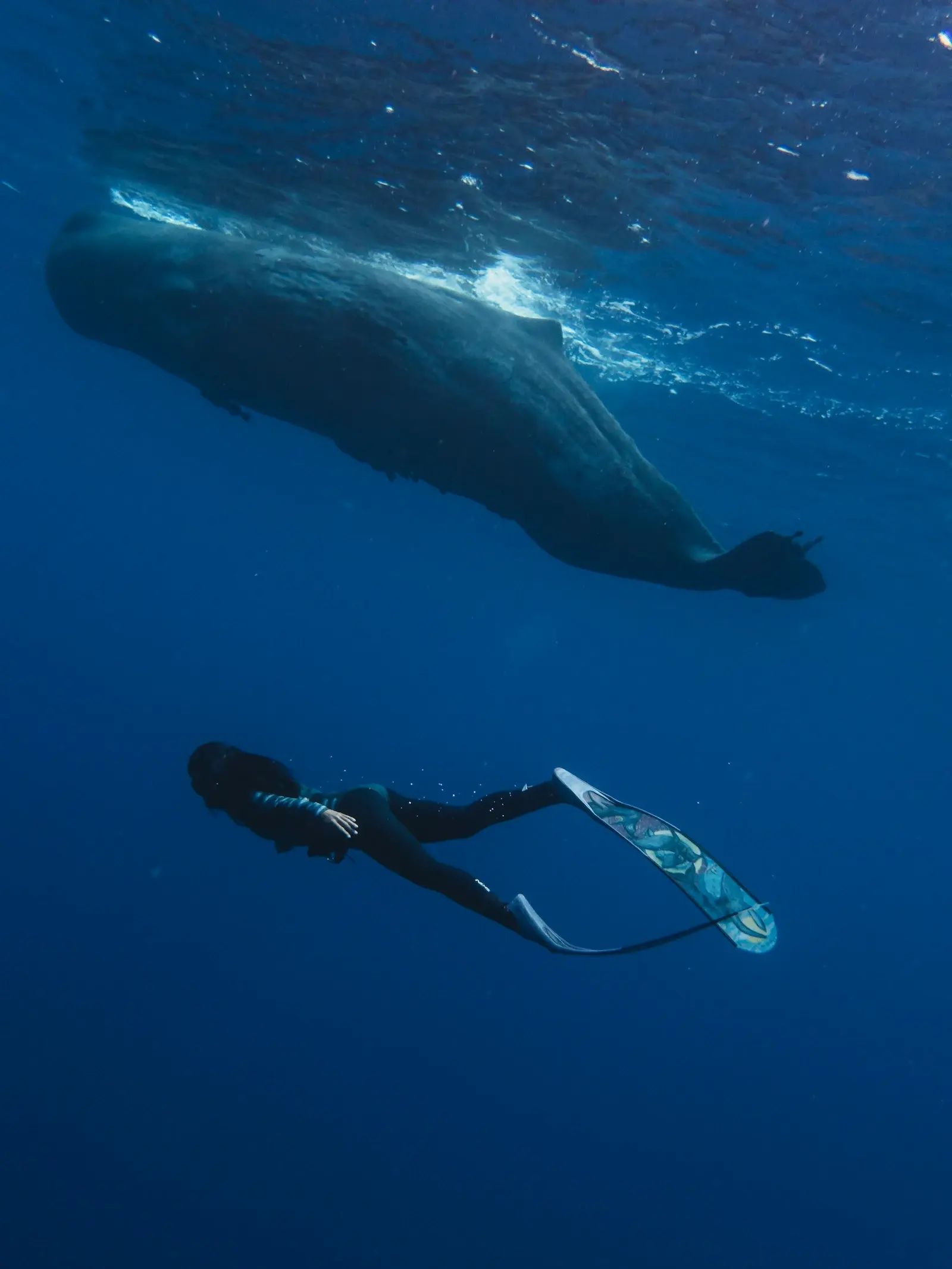
Sperm whale | Photo: Chinh Le Duc
If you have ever seen photographs of several sperm whales suspended vertically beneath the ocean's surface, you have probably wondered what they were doing.
The sperm whale (Physeter macrocephalus) is one of the largest marine mammals on the planet, known for its deep dives in search of food. However, it also displays a resting behaviour that is extraordinarily striking.
In 2008, a team of scientists published a study based on tracking devices attached to wild sperm whales in different ocean regions. The researchers observed that some individuals made shallow dives during which they remained almost motionless, with their bodies positioned vertically and their heads pointing towards the surface.
These periods of inactivity lasted approximately thirteen minutes on average and, on some occasions, several animals appeared to be resting at the same time.
Most surprisingly, one group of sperm whales showed an unusually limited response to an approaching boat, leading researchers to suggest that these periods might correspond to episodes of sleep.
According to the study published in Current Biology, this behaviour could represent a characteristic form of rest in the species.
Nevertheless, there is an important difference between observing an immobile animal and demonstrating through brain recordings that it is asleep. In this case, the observations are consistent with sleep, but they do not yet allow us to describe precisely what happens in the animals' brains during these periods.
That does not make the scene any less extraordinary. Imagining several ocean giants suspended almost vertically underwater is a striking reminder of how different resting habits can be among mammals.
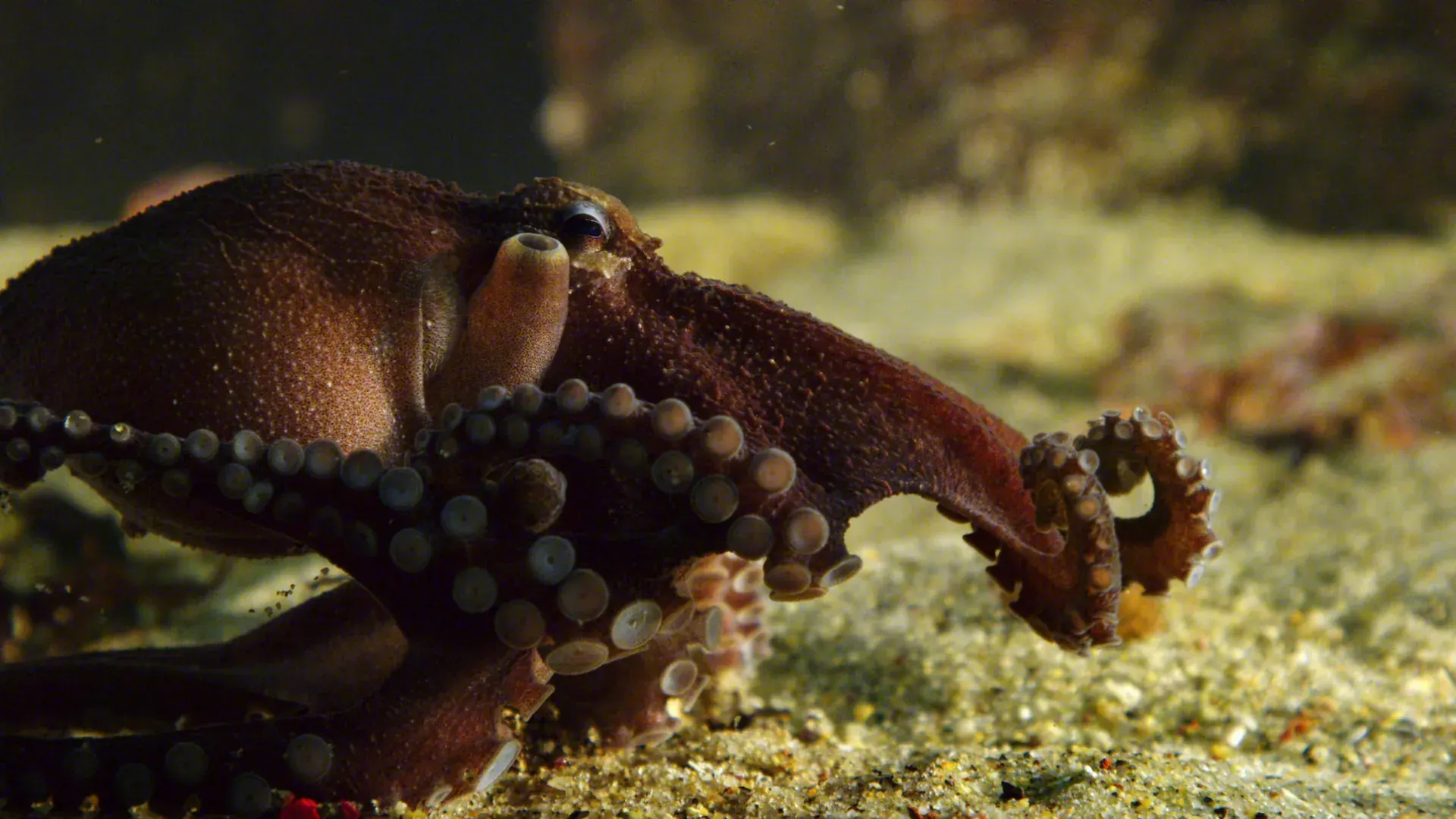
8. Octopuses can change colour while sleeping
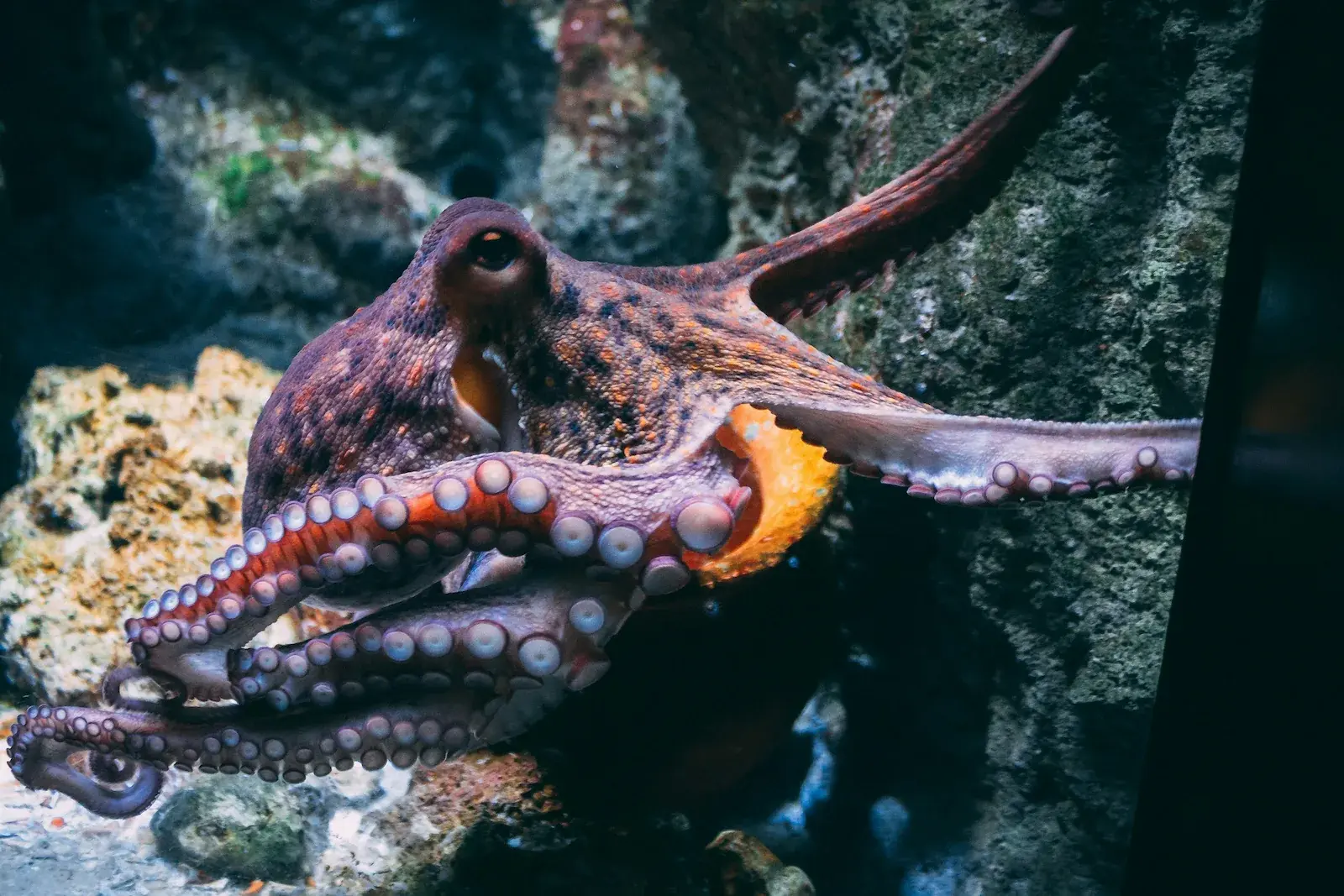
Octopus | Photo: Diane Picchiottino
Octopuses are already known for their intelligence, problem-solving abilities and extraordinary camouflage. However, they still have another surprise in store when it comes to sleep.
In certain species, scientists have observed that periods of relative immobility alternate with episodes of activity during rest, when the animal moves its eyes, contracts parts of its body and rapidly changes the colours and patterns of its skin.
Research published in Nature in 2023 studied this phenomenon in the octopus (Octopus laqueus), a species found in the western Pacific Ocean.
The researchers identified two distinct states, known as quiet sleep and active sleep, and found that the latter involved rapid colour changes accompanied by body movements and patterns of brain activity that, in certain respects, resembled those observed during wakefulness.
Episodes of active sleep lasted approximately one minute and occurred at intervals of around an hour, while the body remained much less active during quiet sleep.
Furthermore, the research into octopus sleep found that certain brain regions associated with learning and memory displayed particularly interesting activity during rest.
And here comes the big question. Do octopuses dream?
We still do not know. Although some of their sleep patterns resemble those of other animals, scientists have not demonstrated that they experience dreams or that their colour changes represent images of what they might be dreaming about.
What we do know is that the sleep of these invertebrates is far more complex than previously imagined, and that studying their brains could help us understand why sleep has developed similar characteristics in animals that are so evolutionarily distant from one another.
9. Some parrotfish make a kind of sleeping bag out of mucus
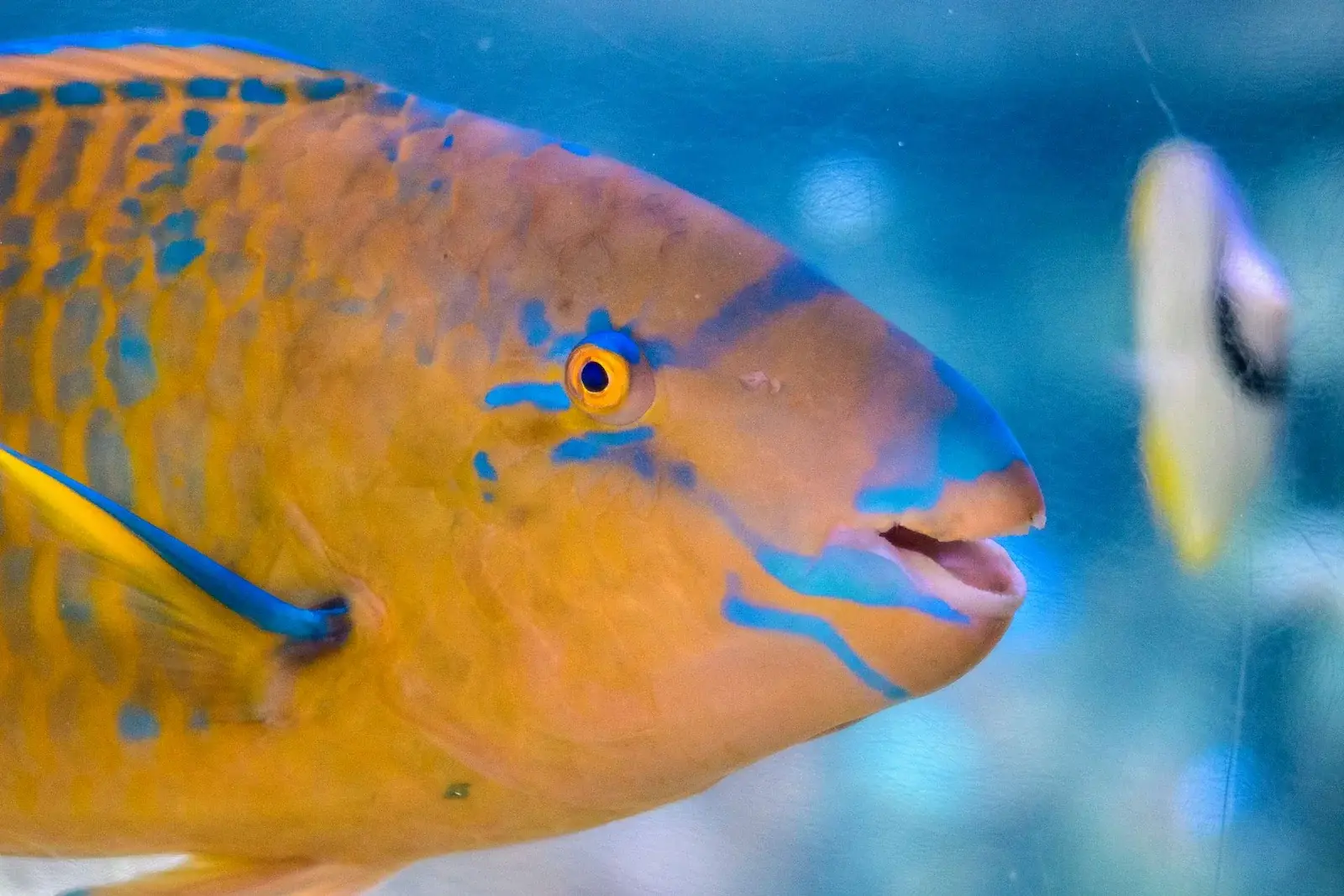
Parrotfish | Photo: Diana
Few animals have a bedtime routine quite as unusual as some parrotfish living on tropical coral reefs.
These species are known for their striking colours and for using their beak-like mouth structures to feed on materials found on reefs. However, some possess an even more surprising ability when it is time to rest.
Before sleeping, they can produce a mucus envelope that surrounds much of their body, forming a kind of transparent sleeping bag.
Although this behaviour has historically been associated with protection against predators, research has shown that it can also serve another important function.
In a study involving the parrotfish (Chlorurus sordidus), researchers compared individuals that retained their mucus envelopes with others that did not, exposing them to small parasitic crustaceans that feed on fish blood.
The result was surprising. Animals sleeping inside their mucus envelopes experienced far fewer attacks than those left unprotected.
The research published in Biology Letters described these structures as a kind of natural mosquito net, capable of making it more difficult for parasites to reach the fish during the night.
Producing this protection comes at an energy cost to the fish, but the benefits may outweigh it in environments where nocturnal parasites pose a frequent threat.
Of course, not all parrotfish produce these envelopes, so we should not generalise this behaviour to every species in the group.
The next time you imagine a fish resting among the corals, remember that some do not simply look for a sheltered spot, but can also create their own protective barrier before going to sleep.
10. The African elephant can sleep for as little as two hours a day
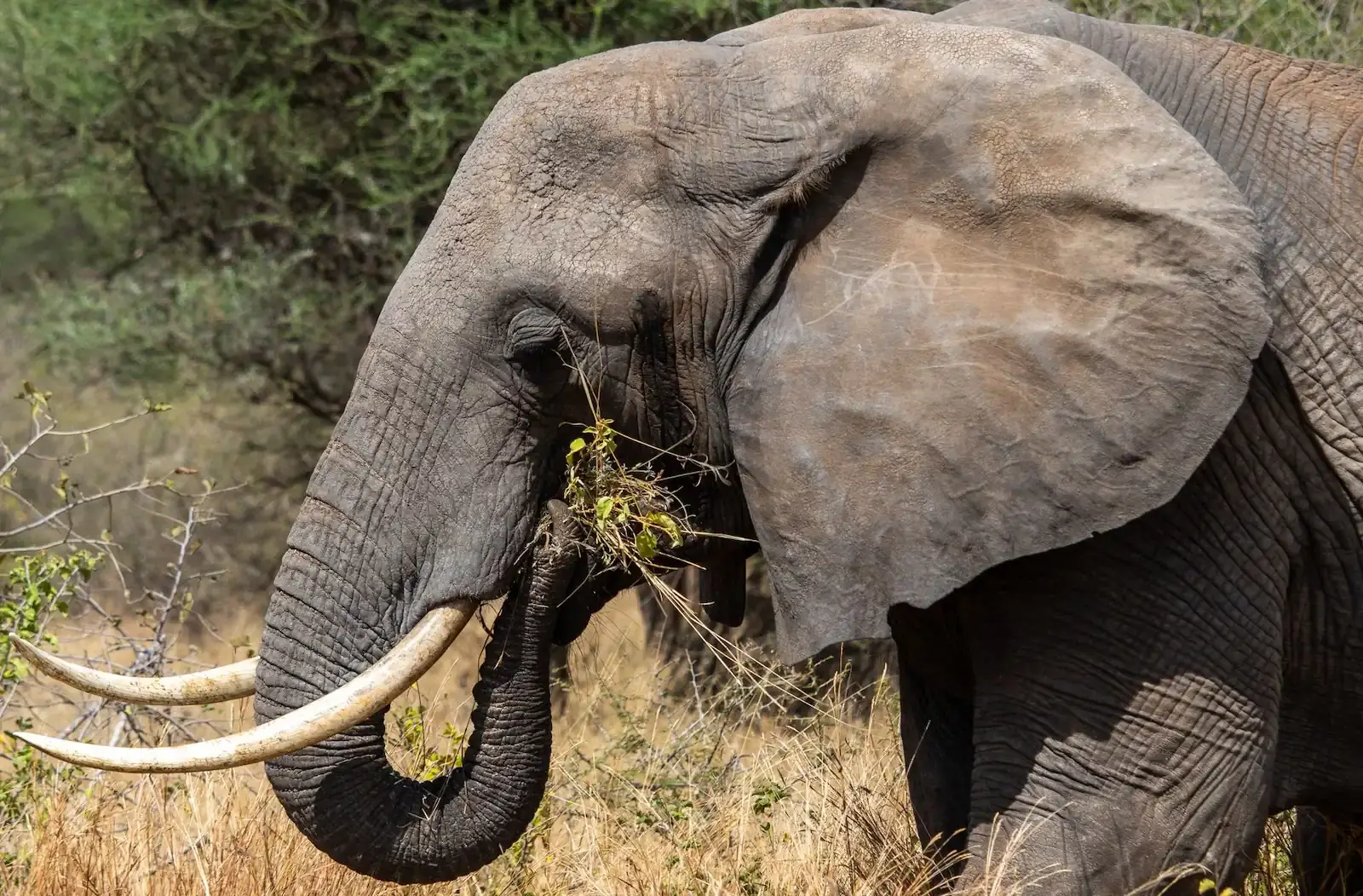
African elephant | Photo: G N
Elephants are the largest land animals on the planet and, although we might imagine they need long hours of rest, some research suggests they can sleep far less than expected.
In 2017, a team of scientists studied the behaviour of two wild female African elephants (Loxodonta africana) in Botswana using tracking devices attached to their trunks and collars fitted with movement sensors.
The researchers recorded their periods of activity and inactivity to estimate how much time they spent sleeping while moving freely through their habitat.
The results were extraordinary. The two elephants studied slept for an average of approximately two hours a day, mainly during the early hours of the morning, and on some occasions went for up to 46 hours without periods of inactivity identified as sleep.
Furthermore, although they could rest while standing, they only lay down to sleep approximately once every three or four days.
The study published in PLOS ONE suggested that wild elephants could be among the mammals that sleep the least, although the findings should be interpreted with caution.
The research involved only two females and estimated sleep from movement rather than directly measuring brain activity. Therefore, it does not mean that absolutely all elephants sleep for two hours or that brain recordings have demonstrated they can remain completely awake for 46 hours.
Even so, the findings are fascinating because they show just how much sleep requirements and patterns can vary among large mammals, particularly when they live in the wild and must spend much of their time moving, feeding and responding to potential threats.
Why have animals developed such different ways of sleeping?
After exploring these ten examples, one important question remains. If sleep is a biological necessity, why are there so many different ways of doing it?
There is no single explanation. Sleep has evolved in animals that live in very different environments and face particular needs and risks.
For dolphins, for example, resting without completely losing control of their breathing is essential. Frigatebirds need to remain airborne during long ocean crossings, while ducks and penguins may benefit from strategies that allow them to maintain a degree of vigilance against predators.
In other cases, adaptations are linked to the physical environment. Bats take advantage of elevated shelters and positions that require little effort, while some parrotfish use protective envelopes to reduce the risk of parasitic attacks during the night.
However, it is important to distinguish between a plausible evolutionary explanation and a function that has been experimentally demonstrated. Not all strategies have been studied equally thoroughly and, in some cases, we still do not know why they arose or exactly how they work.
What is clear is that the need for rest exists alongside other basic needs, such as breathing, feeding, moving and surviving. That is why sleep does not have one universal form, but instead displays adaptations that reflect the particular characteristics of each species.
The most common myths about animal sleep
Precisely because some behaviours are so surprising, it is easy for exaggerated explanations to emerge or for scientific findings to become oversimplified.
One of the most common myths is that dolphins never sleep. In reality, they do rest, but they can do so through unihemispheric sleep, meaning they do not need to disconnect from their surroundings in the same way humans do.
Another is that all bats sleep for twenty hours a day. Although some species can spend many hours resting or in states of torpor, their habits vary considerably and it is not accurate to attribute the same amount of sleep to all of them.
It is also often claimed that octopuses change colour because they are dreaming. While colour changes have indeed been observed during active sleep, there is still insufficient evidence to conclude that they are dreaming or replaying experiences while asleep.
Something similar applies to the idea that sperm whales always sleep in a vertical position. What has been documented are characteristic periods of rest consistent with sleep, but that does not mean we know every way in which they sleep.
Finally, it is worth remembering that sleeping, resting, entering torpor and hibernating are not exactly the same thing. Although these states may share certain characteristics, they involve different physiological mechanisms and should not be used interchangeably.
Can we observe these animals while they sleep?
Some of the species on this list are part of the wildlife we can find in Spain, including bottlenose dolphins, mallards, various bats and sperm whales that visit Spanish waters. Others live much further away, from Antarctica to tropical coral reefs and the African savannah.
However, knowing about their sleeping habits does not mean we should try to surprise them while they are asleep.
Sleep can be a time of particular vulnerability and, although some animals retain a degree of vigilance, repeated disturbance can interrupt their rest or cause changes in their behaviour.
Therefore, if we come across a bat resting in a cave, a sleeping bird beside the water or a group of cetaceans that appear to be remaining motionless, the best approach is to keep our distance and avoid any attempt to move closer.
Wildlife photography and observation should be carried out without chasing, touching, shining lights directly at or provoking a reaction from animals. In the case of bats, disturbance during hibernation can be particularly harmful because it interrupts a state that allows them to conserve energy.
Sometimes, the best wildlife encounter is precisely one in which the animal can continue doing what it was doing, without changing its behaviour because of our presence.
A world that continues to surprise us, even in its sleep
For a long time, we have studied sleep using humans as a reference, but observing other species demonstrates that our way of resting is just one of the many possibilities found in nature.
Some animals sleep while flying, others rest without closing both eyes, and some need to divide their sleep into thousands of tiny episodes. There are even species whose brain patterns during rest force us to reconsider when and how the different stages of sleep first appeared.
And although science has managed to explain many of these behaviours, fascinating questions remain. We do not know for certain whether octopuses dream, exactly how sleep is organised in wild sperm whales or how far some birds can push themselves when they need to remain airborne for days.
Perhaps the most surprising thing is discovering that an activity as seemingly simple as sleeping can reveal so much about animal evolution, behaviour and survival strategies.
Frequently asked questions about how animals sleep
Which animals sleep with half their brain awake?
Some cetaceans, such as dolphins, and certain birds can experience unihemispheric sleep, during which one brain hemisphere displays activity characteristic of sleep while the other remains relatively more alert. This mechanism can facilitate breathing, vigilance or certain movements.
Which animal can sleep while flying?
The great frigatebird is one of the best-documented examples. A scientific study recorded its brain activity and confirmed that it can sleep during flight, with either one hemisphere or both, although it sleeps very little during its ocean journeys.
Which animal sleeps the fewest hours a day?
There is no definitive answer for every species, but some studies have documented extraordinarily low amounts of sleep. In a study of two wild female African elephants, researchers estimated an average of around two hours a day, while the great frigatebirds studied slept for approximately 42 minutes a day during their ocean flights.
Do octopuses dream when they change colour?
This has not yet been demonstrated. Scientists have identified stages of active sleep during which some octopuses rapidly change their skin patterns and display brain activity that resembles wakefulness in certain respects. However, this does not allow us to conclude that they are dreaming.
Do all animals need to sleep?
Sleep or sleep-like states have been documented in numerous animal groups, including mammals, birds, reptiles, fish and invertebrates. However, the mechanisms, duration and characteristics vary greatly between species, and there are still groups whose resting behaviour is not fully understood.